
Essays
Gratitude (the first day of shorts weather)
. . . for Christ plays in ten thousand places,
Lovely in limbs, and lovely in eyes not his. . .
– Gerard Manly Hopkins
Long and leggy, doe-eyed,
she walks with confidence,
a gentle fawn, a young colt.
He is all angles, sharp protrusions,
limbs like the branches
of a young tree.
They both wear socks
pulled up high because
they don’t know any better.
And then there are the little ones.
Isaiah with his gentle roundness –
a gum drop, a plum, a dumpling, we say
searching for words to express.
Levi, bare-chested in the sun
his shoulders thrown back, goggles on,
he stands on the picnic table, “working.”
These ones pad along on bare feet,
toes like ripe berries,
soft and sweet, fresh.
It is the first day of shorts weather,
the beginning of shoe-less summer
and all around me limbs unveil
earth’s sweetness, lovely.
This post is linked with Five Minute Fridays on the prompt “Grateful.” Click over to read more posts.
Settling in to Spaciousness
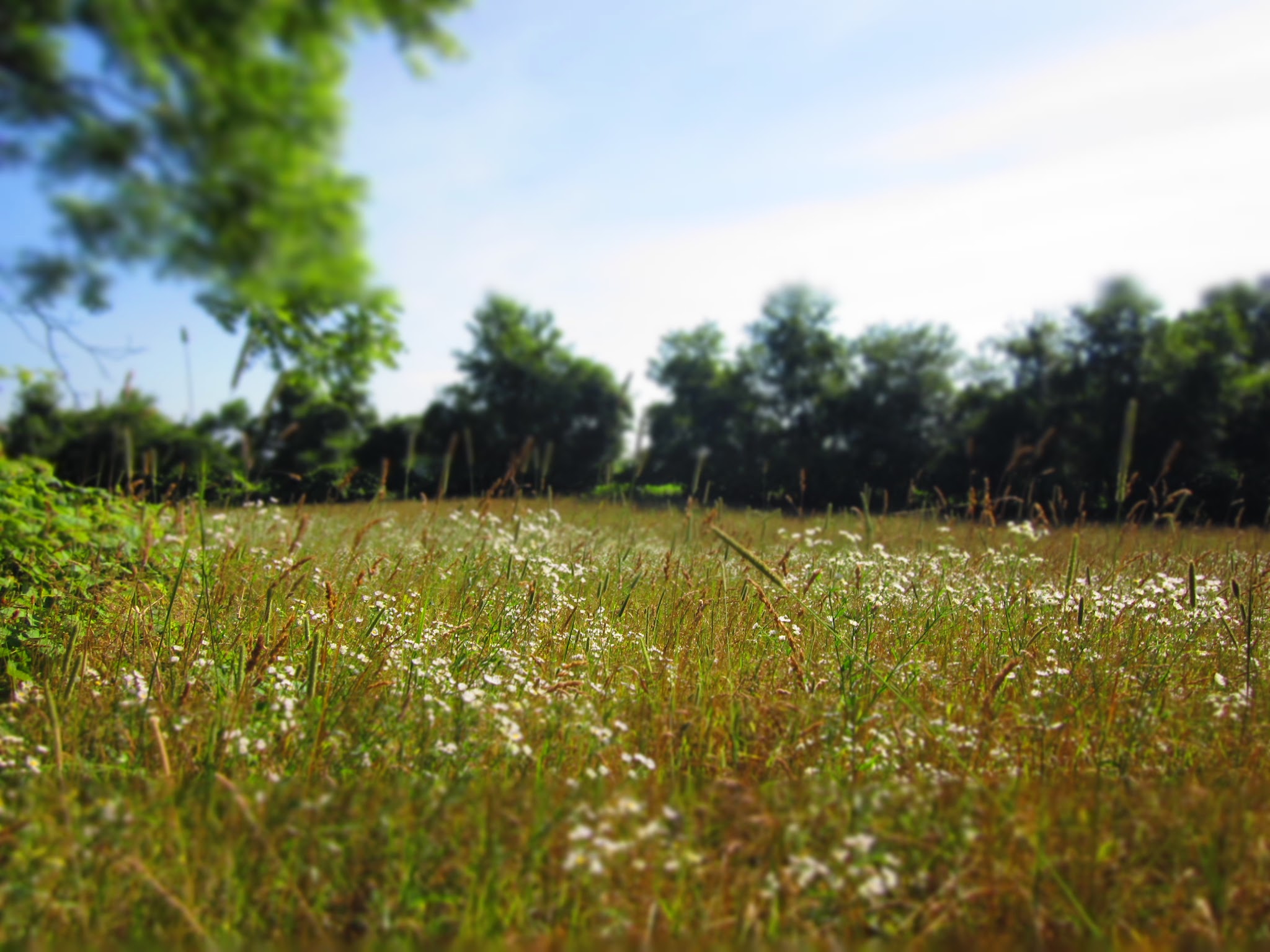
I’m still tip-toeing around this place like an uncertain
guest. Stopping to pause at every
window, checking to see that the sky is still there.
Stepping across the road to retrieve the mail, the old corn
field opens before me like the ocean. Waves
of grain lap at my feet and the sense of spaciousness is palpable, there in
that vertigo moment on the edge. Walking
out across our own field with the twins, I feel conspicuous, exposed, as a hawk
glides against the clear blue sky above us.
One early visit, before the big move, we found evidence of
the hawk’s appetites. A squirrel’s tail,
tufts of feathers and fluff scattered under a giant pine tree. I wonder about the chickens we’ll keep and
the kitten (s) I hope to have one day, I picture them crossing the field under
that narrowed eye.
//
There’s a Mourning Dove building a nest in the smallest of the
pines, a fluffy overgrown Christmas tree.
She lands near the base of the house gathering the exact pieces she
needs to build a safe place for her eggs.
We all hang close to the house, garage, retreat, these
things seem more familiar somehow and I work, spiraling through in expanding
circles, to make them more familiar yet.
The sound of laundry in the dryer, the smell of peppers, onions and
garlic sauteed, these are the twigs and leaves with which I line my nest.
//
Last night, while I swung on the old porch swing, Isaiah found
a bird’s egg, a small pinkish orb. I
expected it to feel like air in the palm of my hand, the nothingness that it
was, but it carried a weight of its own.
It was cold to the touch and showed just the tiniest sign of
impact.
The egg that fell, lost from love and life was found again with
much rejoicing, no matter its sorry state.
//
Just before dinner we pull out a kite, a cheap plastic red
and black ladybug and I watch from the driveway’s macadam as John throws the
bright flag wind-ward, tossing it toward heaven until it catches on breath
unseen. The four of them spin there in
the open field, faces lifted toward that bright blue while the bit of red soars,
dancing. Isaiah runs in giddy circles,
then falls to the grass, rolling, as Levi and I walk out hand-in-hand to join them.
Something ancient in us whispers there is danger in wide,
open spaces, but a deeper voice draws us to the edge. There is another eye that watches; the hawk is
not the only one and we too were made for soaring.
This post is linked with Playdates With God. and Chronicles of Grace.
In a Direction Unexpected (a Birthday Reflection)
Thirty More Years, by Wendell Berry
When I was a young man,
grown up at last, how large
I seemed to myself! I was a tree,
tall already, and what I had not,
yet reached, I would yet grow
to reach. Now, thirty more years
added on, I have reached much
I did not expect, in a direction
unexpected. I am growing downward,
smaller, one among the grasses.
April’s showers are hanging on with tenacity even now, as time’s hand is poised to turn the calendar’s page. Today, April 30th, is my birthday and the day promises to be every bit as gray as the day before, with wind, rain and even thunder. There are flood warnings in effect and roads coming and going are sure to be closed, but I’m grateful to be spared the wind tunnels that have made their way through the south and midwest this past week.
April does not seem to want to let go gracefully.
The Red Bud tree by our old house, the one that was always in bloom for my special day, is waiting still to open its blossomed fingers. This I know because I drove by the old neighborhood the other evening, marveling at its smallness, the cramped corners on which we lived.
I’ve long loved this Wendell Berry poem and its words resonate this year as I feel poised between the pages of my life. Three years ago I was surprised by the doubling of our family, the exponential expansion of my role as mother. And now here I sit, just days after registering those two tornado boys for a small and local preschool this fall. Two hours, two mornings a week and freedom is looming on the horizon (hallelujah!).
“In a direction unexpected,” Berry says and I nod my head amen.
Looking up these three years later I can’t help but wonder at the way life moves us along, quiet streams unexpectedly expanded by torrential showers and we are carried somewhere new – made into someone new – just like that it seems.
//
“I think it’s just that we keep getting slapped in the face by how hard life actually is,” I said over plates heaped with ham and potatos, corn and fresh greens. We were talking about this valley of middle life (which you may say I’ve yet to reach) and how it sucks the air right out of you with its sometimes fierce wind and rain, the kind of weather that moves through like a locomotive.
We wondered whether it was because we were coddled as children, not the way children are today (of course) but sheltered none-the-less. But now, some days out from that conversation, I know we have no one to blame for the way life hits you in the gut. If we were sheltered it was a gift, a grace, like that garden so long ago and the garden itself and its maker bear no to blame for our leaving.
//
Glynn Young, posted this poem on his blog the other day:
Unexpected Storm
He was expecting the storm
when it arrived, almost
suddenly, without portent or
warning, simply arising
in front of him. He held on
as it raged, tearing at his skin,
sharp nails with stinging points.
They found him there, still
holding on. He did not know
salvation was in letting go.
One of the keys, it seems, to being able to endure the “direction unexpected,” is the willingness to let go, which is easier said than done.
This, I guess, explains the wind and the rain and the rising water, all of the things of life, both good and bad, that push against us, moving us along, out of the narrow channels and into something deeper and wider than what we thought we might find or even want.
It’s out here, in the wilderness, the dessert, the wind-tossed sea, that we find God most often. Not the small, safe God of our childhood, but the wily One, the One who plays hide and seek among the stars, the One who sings with a voice both deep and wide.
It is here that we find ourselves again made small, as Berry says, “like one among the grasses.” And on the days when our hands are open we can see that this is a good thing, a very good thing indeed.
“Love You Too”
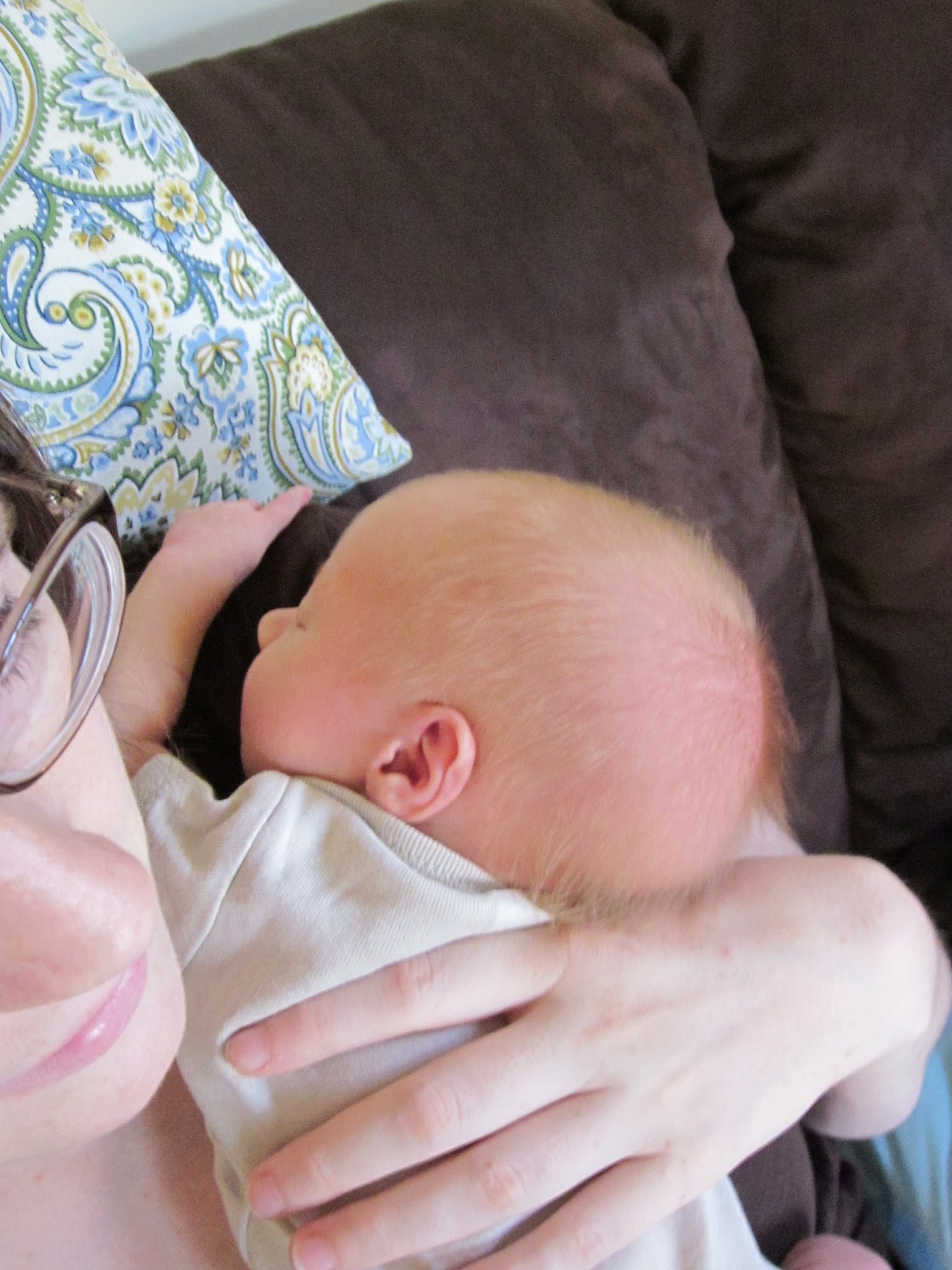
My little boy resting in those early days.
(A reflection on the Last Supper that I wrote during Holy Week, an invitation to us all as we return again and again to that life-changing meal.)
It’s Holy Week and my littlest boy is sick.
A fever struck early Monday morning. Puffy-eyed and red-faced, he simply wilted,
laying on my husband until the Ibuprophen kicked in. For three days now it’s been the same, the
rising heat, the wilting and the slow, steady relief of the Ibuprophen.
Three days, the pediatrician says, absent any other
symptoms, give a fever three days to break and then if it doesn’t, bring him in.
In the biblical world, three days is a symbol for the fullness
of time – three days in the whale’s belly before deliverance, three days in the
belly of the earth before the resurrection – and now, three days until the
fever should break.
This boy is my busy one, never still, always working. Carrying his ladder and tool box from room to
room, he is a ‘lecic man (electric man) on the look-out always for something to be fixed. Well on his way to three, the moments for
cuddling have grown few and far between and, a wiser mama now, I appreciate
these days of illness as moments to cherish.
In his weakness, he draws close, nestling in my lap like a bird tucked
beneath my wing. Silent and still, his
check pressed against my breast, he rests.
//
Although translations differ, tradition recognizes John the
Beloved disciple as the one who reclined, leaning against Jesus’ breast during
the last supper. Celtic tradition
recognizes John as the one who listened to the heartbeat of God.
John reclined, listening and watching the meal unfold against
the backdrop, the melody, of God’s pulse. His whole identity was redefined
from that moment forward, no longer ‘John’ he was forever-more known as ‘the
one whom Jesus loved.’
//
“Love you too,” my little boy calls, as I prepare to leave
his room each evening.
“Love you too,” he presses, answering the love he knows before I can even voice those
three words, “I love you.”
Having lain against my breast, he responds to love before it
is even spoken. ‘Love you too’ is the statement of one beloved, one who leaned and now lives
against the backdrop, the melody, of love.
//
This week as my son rests, beloved, I am listening too and
leaning.
God’s heartbeat echos through the gospel stories, through the
green grass greening, through fevered heads bowed and wet with perspiration. Leaning, listening, I feel the invitation to
stay here awhile, three days or more, while this song, this heartbeat forms me
with its rhythm, redefining the heart of who I am.
This post is linked with Playdates With God.
Field Notes (Follow the Greening Road)
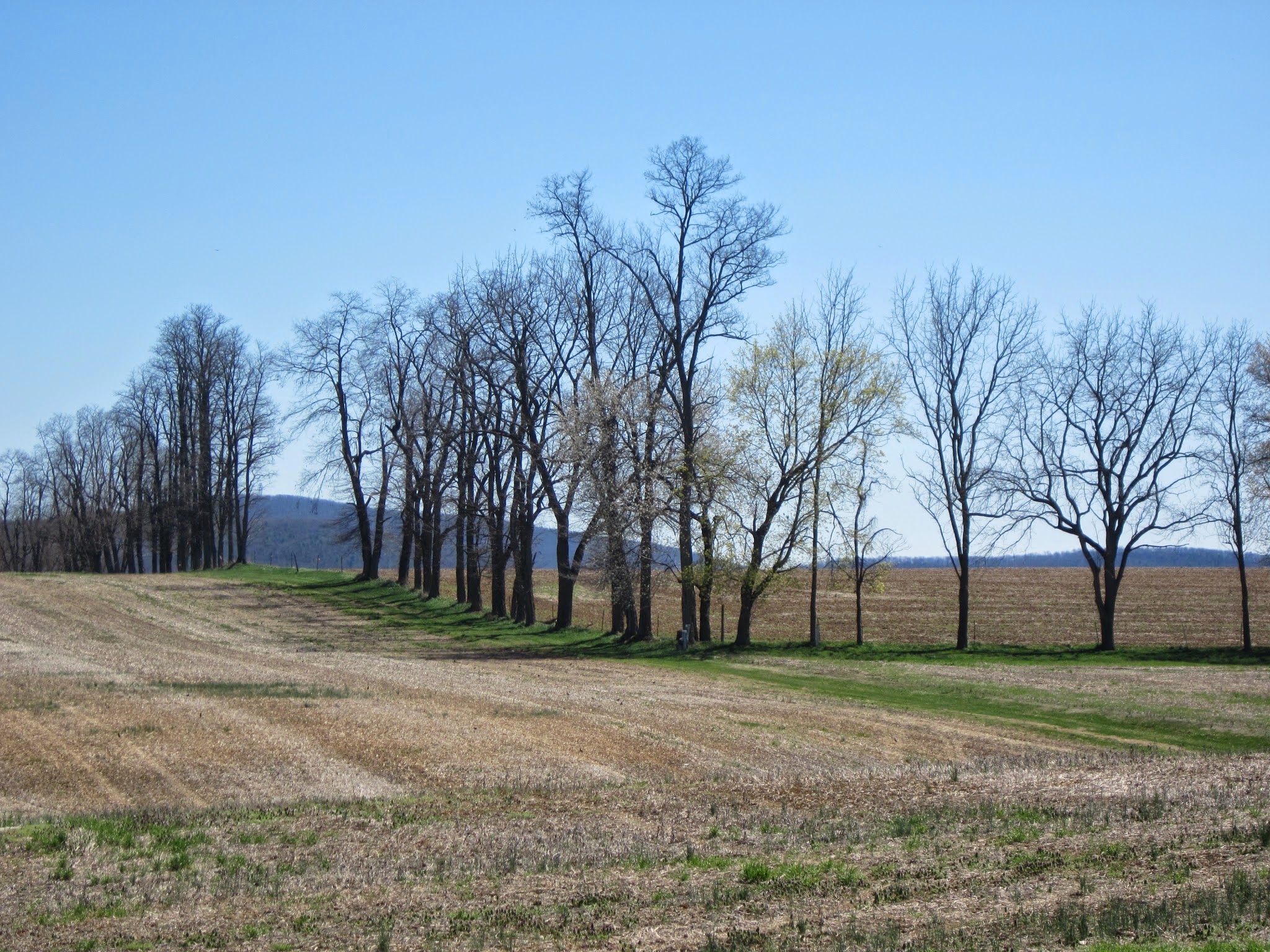
This is the field across the street from our house. Lovely, isn’t it?
A new nest rests
in the pine tree now.
The Mourning Dove
and her eggs are gone.
Too early for the eggs to have hatched,
we wonder what happened –
a snake? the hawks? or
some other unsavory villain?
Her nest was flat and
open,
gently curved like a palm,
an open hand
she sat upon.
What’s left looks flimsy now,
oddly broken twigs
scattered
like a child’s game
of pick-up sticks.
The new one – a Robin’s nest –
stands nearly
five inches high, built
like a fortress, with thick,
heavy walls.
It lies on the
North side of the tree
and slightly more hidden
than the Dove’s was on the south.
In the farm field across the road,
a strip of grass grows
greener by the day.
Stretched like a runner
beneath a line of trees
that march single-file toward
the distant mountains,
empty fields spread on either side.
We’re waiting to see what will
be planted, what will
come of it all.
We build and plant and
hope for the best,
learning as we go:
Build your nest
on the North side,
high and
strong.
Plant when the danger
of frost has passed.
Follow the greening road
home – always.
There’s Something to Be Said
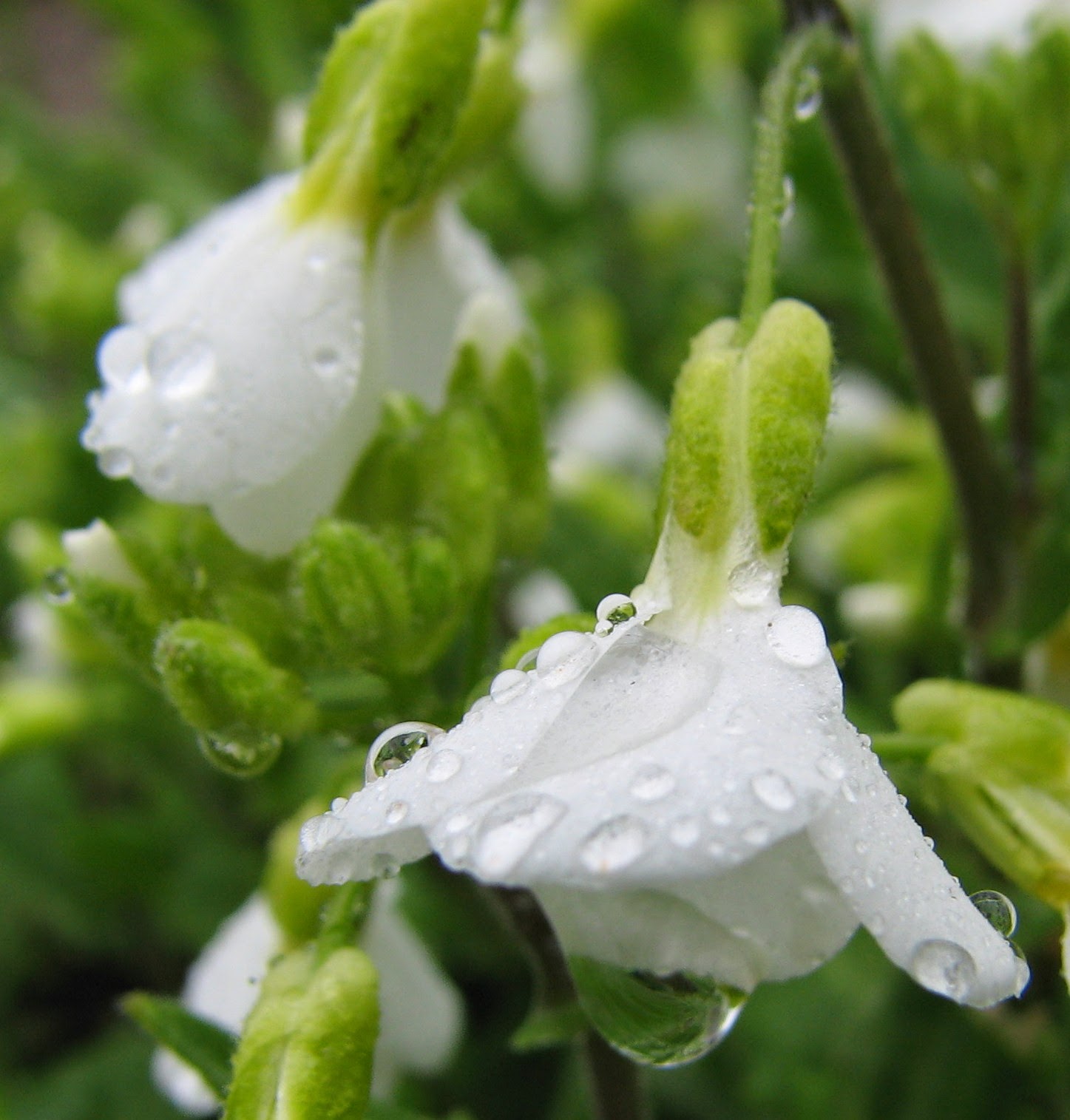
There’s just one shower here at our new old farm house and it stands about three feet high over an ancient porcelain tub. It’s quirky, you might say, just the sort of thing to inspire a little poetry, and here’s a case where one poem popped up inside of another. Do you think I should separate them or keep them together? Let me know in the comments section . . .
There’s something to be said
for a shower that forces you
to kneel each morning,
like a flower bent
by heavy rain.
* *
Alone in a cold house
one evening on retreat,
I heated water for a bath
filling pans and tea kettle
on the stove, making trip
after trip up and down
two flights of stairs.
It took three rounds
just to get the tub luke-warm.
Watching myself
I wondered whether
it was all a ruse, a
busy way of avoiding prayer,
but then again, maybe
the work – the commitment,
the longing for a good, long soak
– was itself a prayer.
* *
Every morning now I genuflect,
knees on porcelain,
while warmth rains down on me.
There’s something to be said for that.
Photo Credit: HERE.
This post is linked with Playdates With God .
Andrea Ciccocioppo was the winner of the free copy of “Spiritual Misfit.” Thanks to everyone who participated and remember you can always pick up a copy HERE for less than $12!
Let us Lay Aside Our Judgments (a Dare to Keep a Steady Gaze Upon that Which Disturbs Us this Holy Week)
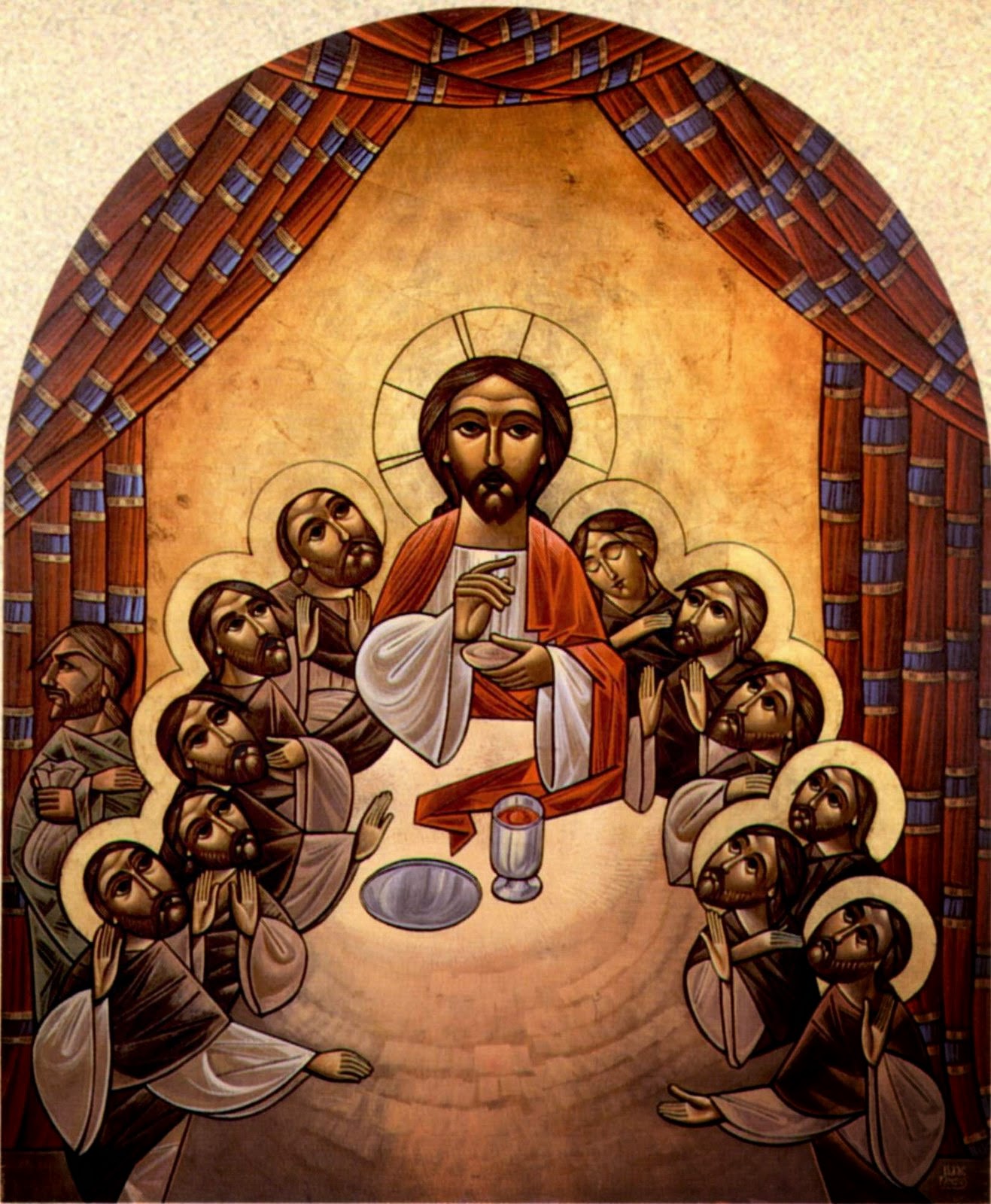
My friend spoke at a retreat recently, teaching about
the use of icons in prayer. She explained that icons are painted with skewed perspective – limbs jut off at
odd angels and the symmetry typically associated with beauty is often
missing. “The first thing we do when we see an icon is judge
it,” she said.
//
The quickest and simplest way to create distance between
ourselves and that which discomforts us is to cast judgment.
//
When I returned to complete my chaplaincy residency, just a
few short weeks after my oldest child was born, a new crop of summer students
had joined our small rotation. Among
them was a heavy-set woman with wild, frizzy hair and frumpy clothes. She talked loudly and out of turn, taking up
too much space both physically and verbally and worse yet, she seemed utterly
and completely unrepentant about it.
Oh, she made me bristle and cringe.
I was quieter because of her, hoping my own silence inspire her to follow suit. I was more restrained
in an effort to somehow make up for her exuberance.
I judged her quickly and harshly for all of the traits I found so disturbing and my judgment built a silent and sturdy wall between us.
In the program I was in, this kind of strong reaction was fodder for reflection. So I thought
about my reaction and talked about it with my supervisor. Eventually I came to see that this woman
seemed to somehow be a flesh and blood embodiment of my
shadow-self. She embodied the traits I feared
most and in judging her I was judging the most unacceptable parts of
myself.
If I dared to welcome, accept and even love her, how would I
keep myself in check? If it was ok for
her to be simply as she was, then maybe the same was true for me. Wouldn’t that just be giving myself permission to be loud,
large, and unkempt?
I wasn’t ready to let that happen, though, so I judged her
and parts of myself with her.
//
Icons are not pleasing because they often appear to be
somehow broken. To accept the image they
bear may require the acceptance of our own broken image. Perhaps icons disturb us in the same way our own deep brokenness does. In rejecting icons and the images they
bear, maybe we’re also rejecting the most broken and fragile parts of ourselves.
In this way, icons are similar to the sacred stories of Holy Week – stories filled with human sin, awash with that which we’d rather not see, hear, or touch.
Everywhere we look in this week’s gospel readings, humans are found behaving badly. They’re out of focus, skewed, and jutting off at odd angles in relation to the One
who walks quietly among them. Maybe this is why it’s so tempting for the reader to cast judgment or, better yet, look away.
//
“Icons are quiet paintings,” my friend continues, “They’re
not art, they are not meant to be beautiful.
In their quietness, they invite us in.”
Maybe this is how the stories of Holy Week are too.
//
May we lean in close this week,
my friends.
May we lift our faces, our
eyes, our hearts to that which disturbs us most deeply.
Let us withhold our judgment on the
brokenness we see lest we also judge ourselves.
Give us steady eyes, dear God, as we gaze at your image distilled across
the shattered surface of humanity. Grant
us grace that we might learn to see and be seen through eyes of love.
Spiritual Misfit (a Review and FREE GIVEAWAY)
Michelle DeRusha’s debut book, Spiritual Misfit: A Memoir of Uneasy Faith, was the first package to arrive at our new house. As a member of her launch team, I received a free copy and started reading it late at night while we waited for the phone and internet to be set up.
In my mind, I read it by candlelight, because at that point we had very little power in the house, but really I suspect there was a lamp or something shedding light. It was an appropriate setting, as Michelle writes candidly and humorously about her own slow, uneasy journey out of darkness and into light.
Here are three things I liked about this book:
1. It’s truly funny. Yes, that’s right, Michelle is a Christian and she’s terribly, terribly funny. Not funny in a cheesy, naive way, but funny in that truly human way that emerges when one dares to strip away all pretense, to expose the depths of one’s own deep humanity. Telling her story, Michelle does this again and again – honest with herself and honest with her readers, she gives us all hope as we laugh til we cry, seeing ourselves through grace light.
2. It’s real about the tensions between faith and doubt. Michelle grew up in church, but gradually drifted to a place of unbelief, where God no longer fit. Never finding the freedom to ask questions, she simply decided to stop talking all together about God, about faith, about doubt.
Moving to the America’s heartland only intensified her spiritual dis-ease. Living in the land of bible and bread, Michelle did her best to blend in, hiding her doubts. Finally, “hitting rock bottom” Michelle decided to fess up – facing fear head-on, she shares her deep doubts with her local pastor and begins to start again at square one, re-exploring the terrain of faith as an adult.
What I appreciate most about this section of the book is the way Michelle writes about the tension between knowing and believing and the choice to give belief a chance. As she writes,
Almost
as instantly as my heart told me I had experienced a blessing, a
connection with God, my head squashed such a preposterous idea. . . . After
twenty years of unbelief, doubt had become a habit. . . . The truth is, once I
began to question my doubts at least as much as I questioned my
toddler-step, doddering faith, I began to see small miracles everywhere (82-3).
3. It’s not a “how-to.” Michelle resists the temptation to turn her life story into a three-step process finding faith and for this, I’m grateful. As it stands, Spiritual Misfit’s deeply personal nature is what will give it a nearly universal appeal for those losing and finding faith. In shedding the masks and rules, Michelle dives in at the deep end and finds a way to float in the midst of faith and doubt. Lifted by the grace she comes to know and trust, she invites us also to dive in, to open up, and look closely for the footprints of God in our own stories, our own lives.
Order Spiritual Misfit HERE.
Visit Michelle’s Blog to learn more about the book, read advance praise and peruse quotes.
Interested in joining a book club discussion of Spiritual Misfit, either online (fb) or in person? Let me know via the comments section below and stay tuned for further announcements here and on the A Field of Wildflowers Facebook page.
Spring is the Gospel Season
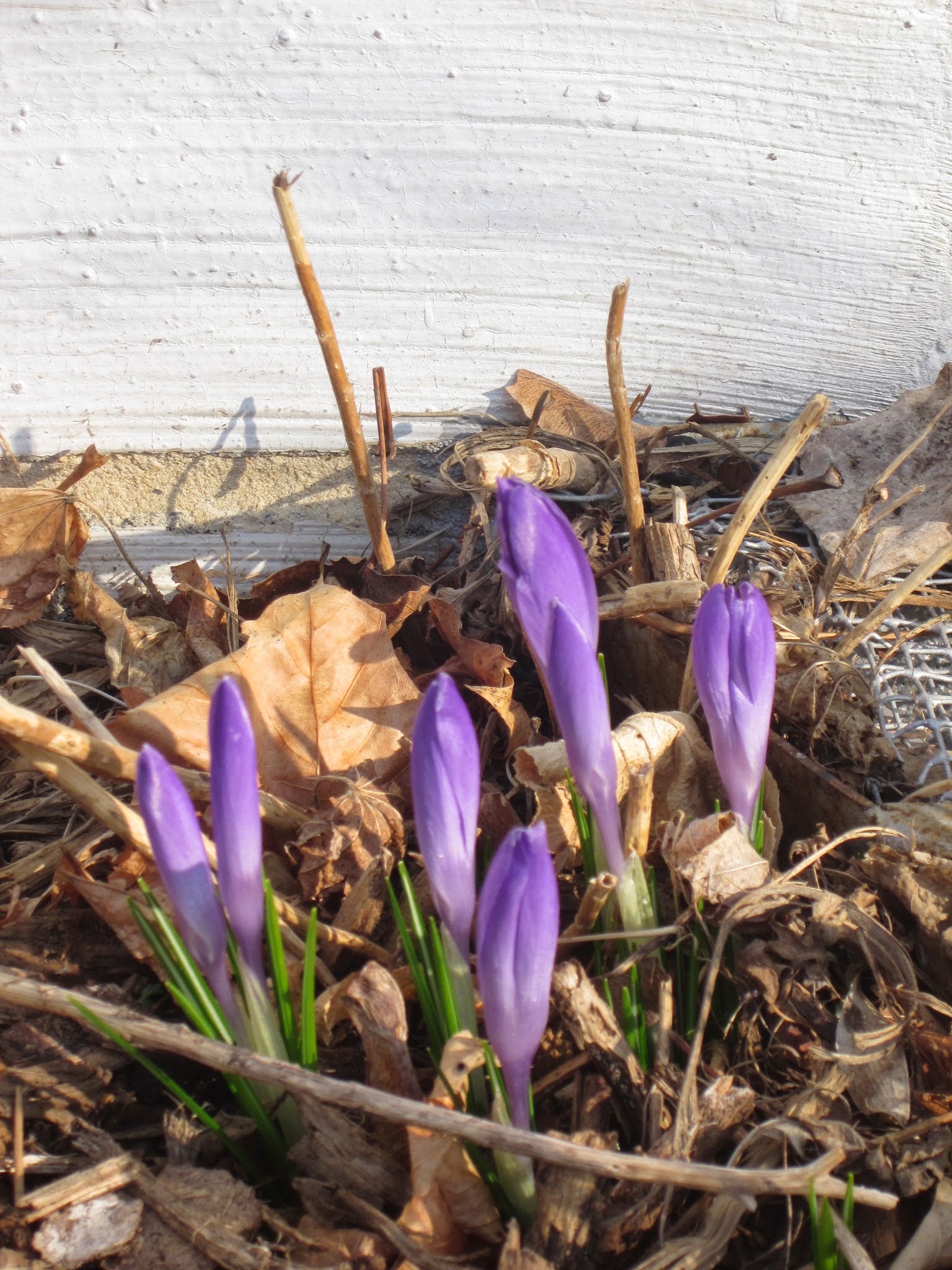
It started with a crocus or two. Delicate blossoms like bright purple tissue
paper, twisted.
Then, later, the daffodils bloomed. Just two, opening on a cold rainy morning
that left them covered with ice, but they endured. Now dozens of yellow
faces smile along the sidewalk and white ones wait to open.
Yesterday it was brilliant pink Hyacinths, tucked in between
the foundation and walk-way.
This spring, our first in this old farm house, is a season
of seeking and finding, a treasure hunt as we wait to see what will arise from
the barren branches, the quiet earth.
I remember going in to my children’s rooms in the morning
when they were new, young buds fresh from the womb. I unwrapped their swaddles with delight as
one opens a present, a gift given and growing and now I see that they were
wrapped, new buds like the daffodils, waking each morning to face the sun.
//
Twice now in the month since we bought our home, individuals
have stopped by to drop off keys to our house.
Friends and caretakers of the late owner, they come bearing stories and
photos.
We received this property as one does an inheritance, which
is to say aware that we are just one chapter in a long story of life and love
and loss. It may sound strange, since we
bought the house outright. But John and
I have both felt it, the weight of this place, its enormity, the sense of a
gift beyond what we knew to ask for or could command in our own right.
//
Spring is the season of inheritance, of gifts
beyond our asking. The flowers that
bloom bright and unexpected, planted by another or by no one at all.
Spring is the dinner party, the dazzling
spectacle of bright delight to which we are all invited.
Yes, yes, THIS, it is for you, dear one.
Spring is the gospel season, the good news pure and bright, and
buried within it lies the pearl of great price.
Counting the careful kept coins in my purse, it’s clear that I can’t afford to
buy this field, this pearl, this joy.
But spring whispers, inviting.
The children wake, waiting.
Joy beckons like the ocean deep.
Feeling the sun upon my shoulders, I turn like the
daffodils, the crocus, the hyacinth, from winter’s heavy weight, opening to
receive what I could not buy.
This post is linked with Playdates With God.
Stop back this Tuesday for a review of Michelle Derusha’s new memoir, “Spiritual Misfit.” Leave a comment on Tuesdays post for a chance to win a free copy!
The Season of Resurrection
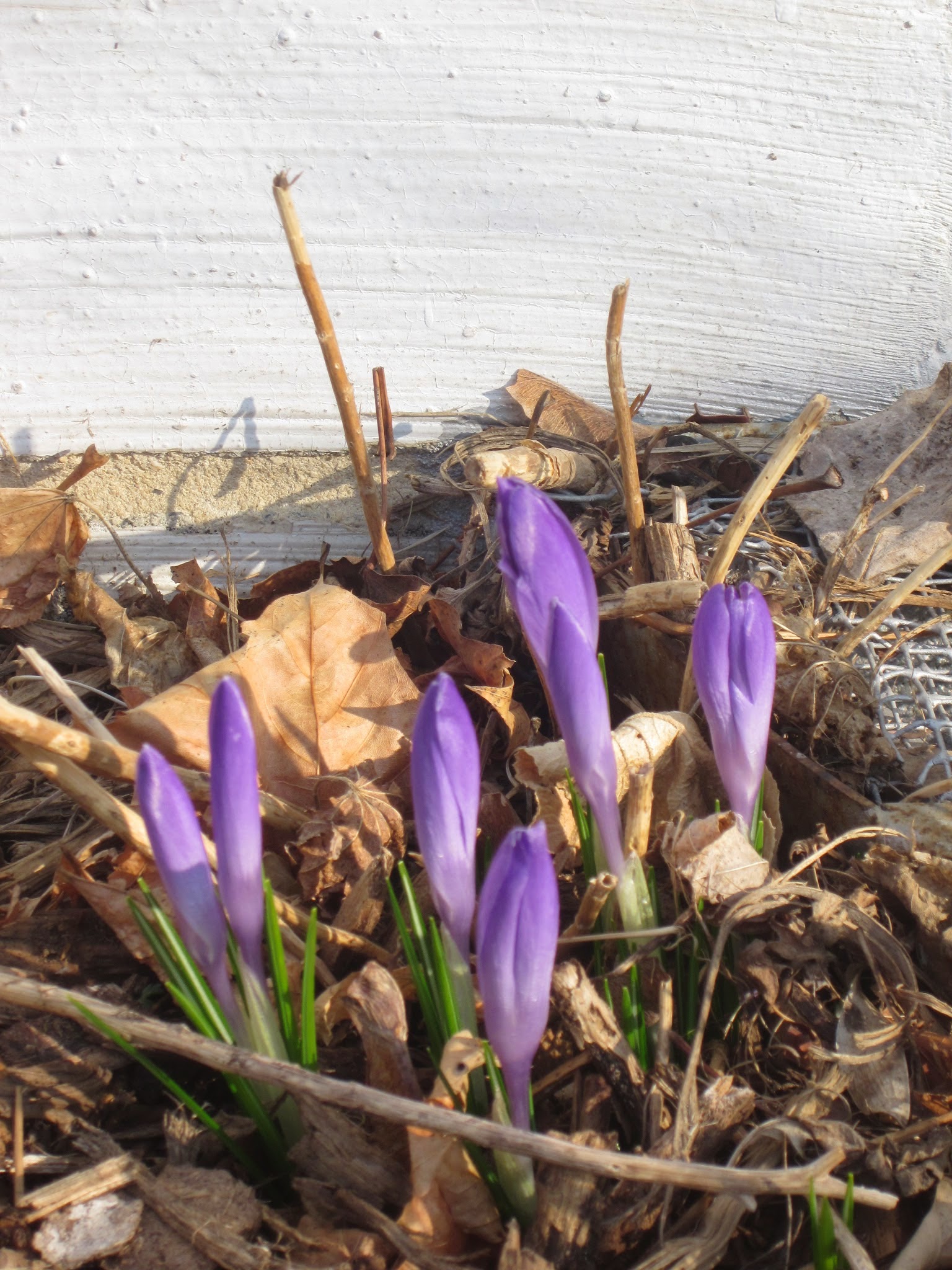
The Season of Resurrection
Slender green fingers point toward the windswept sky,
where a battle rages between blue and cottony white.
Daffodil heads, wrapped in linen brown nod graciously,
bright yellow flags waiting to unfurl.
Everywhere – under and all around – the voices of bright angels sing,
“Behold the One who is making all things new.”
//
Although March’s lion seems reluctant to lie down with the lamb, hints of spring are everywhere and we, my friends, are moving this Saturday to the farm house of our dreams. These crocuses were peaking out this morning when I stopped by to help my husband with the enormous job of putting back together all of the things we’ve torn apart.
Our older two started at their new school this week and that (Hallelujah!) has gone well. They’ll ride the bus on Monday and I will officially lay down my chauffeur hat for a few sweet months until the twins start preschool.
I moved two chairs and a candle stand into my writer’s house the other day, swept and mopped the floor and took measurements for a desk. Before long I hope to be writing and meeting with directees in that quiet, sunlit space.
We will be without internet for a few days (ie. for as long as we can stand it) and I will take a break from blogging. There’s still SO. MUCH. WORK. to be done. But, spring is in the air, my friends and WE are all being made new.
The Pharisee’s House
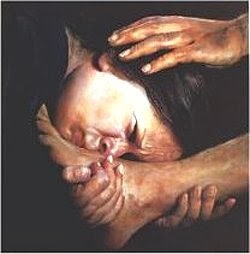
The following is a work of fiction based on the story of Jesus eating at Simon the Pharisee’s house (Luke 7:36-50). It’s based on a sermon from awhile back and seemed somehow appropriate for Lent.
He tended to every detail.
Invitations were carefully considered and extended. The best linens laid, the finest dishes set out. The seating chart arranged and rearranged again, everything
situated to present himself in the best light.
He prepared his questions ahead of time. Clever queries, not too controversial, aimed more at
displaying his own mental agility than fleshing out the nuances of this new and
controversial teacher.
Or maybe not.
Maybe the invitation was a moment of
spontaneity he later grew to regret.
Perhaps there was a knot of nerves in his stomach as the meal
approached, a cool sweat breaking out on his upper lip.
Jesus and
his disciples arrived wearing the dust of the day and looking tired. By now Jesus
had a reputation as a “drunkard and a glutton.”
The
Pharisee’s friends arrived, other teachers of the law, exchanging looks, eyebrows raised. They were likely
cordial, but distant.
Simon began to wonder if he’d made a mistake. Everywhere
he went, Jesus drew a crowd.
Strangers from the town gathered around the open courtyard, leaning, leering, murmuring among themselves.
Those
gathered at the table found themselves separated by a thousand years of
interpretation, a million nuances, a trillion tiny judgments that left the
conversation stilted, nearly unbearable.
//
She was at the river, washing her thin clothes,
watching as the dirt lifted layer by layer, carried away by the current. She beat the cloth heavily with a
stone in her effort to clean what could not be cleaned – the reputation that followed her like a
shadow.
Far from where the other women gathered, she was free from their endless chatter, alone with her
thoughts, her fears, her deep aching loneliness.
Over the wind, over the water, John the Baptist’s wild voice rolled like the echo of distant thunder.
Like water, his words seeped in, bypassing her loneliness and cracking
open a well of pain that she carried deep deep within.
Drawn closer, she watched as one person after another
approached the water where John stood, waist deep.
“Repent!” he said, to each and then, splash, they sank
under, supported only by his thick hands.
“Your sins are forgiven,” he proclaimed over every face as
it broke the surface, dripping.
She didn’t ask how or why or by whose permission as she
stepped forward into the water. Her wet clothes clung indecently to a body gifted with
curves that drew men’s eyes, even here, even now.
Stumbling on the uneven riverbed, she righted herself and
her eyes met the wide, wild eyes of John. His eyes held her there in a steady
gaze.
She felt naked before his searching eyes, vulnerable as her shame fell
around her, dropping like garments.
In a matter of seconds, she was turned by rough hands
that held her gently and plunged into the dark, cold water. The sound of the river pummeled her ears. It was a whirl of chaos, then she too broke
the water’s surface.
The light, the sounds, pierced her as she absorbed the word
that was shouted over her, “Forgiven!”
She stumbled, weeping, toward the river’s edge and sat there
stunned while people continued moving in and out of the water and the refrains repeated again
and again, “Repent!” and “Your sins are forgiven!”
There was another word too, on the lips of everyone there,
“Jesus,” a teacher, a prophet. Jesus was
the one, the driving force behind the man with the wild eyes.
Jesus was the one turning the world upside down, Jesus was
the water washing it all clean, the light casting out shadows, the love
piercing the shame.
//
Word spread through the village, there was to be a dinner,
a tete-a-tete at Simon the Pharisee’s house and Jesus would be there.
She ran the whole way to her shambled home and tore through
meager belongings until her fingers wrapped around the small jar she kept hidden,
wrapped in a rag, her most precious possession.
By the time
she reached the dinner, she was sweating, out of breath, her hair hanging down in
tangles.
There was a
scuffle on the outer edge of the crowd, some shouts and shoving as she burst
into the courtyard.
Disheveled,
she erupted into loud tears, overcome with emotion at the sight of Jesus.
Everything
stopped.
Every eye
turned.
Jaws dropped.
Every man at
the table stiffened, drawing back, but Jesus’ body softened visibly as she knelt.
Bending over his feet, her hands eased along the arches, the callouses smoothing hot tears over dry, dusty skin.
The
weariness in Jesus’ eyes, his shoulders, softened as he opened himself to
the love that welled up out of her eyes, her hands, her sweaty, bent back.
Jesus, love-hungry
and worn, welcomed her touch and what was a holy moment for Jesus and the woman – a sacrament – was a blasphemy for the Pharisee.
The
sound of alabaster shattering ricocheted off the walls.
The scent of
perfume wafting woke Simon like smelling salts.
His eyes
narrowed as he pulled himself back, half-rising from the table. His lips curled into a sneer as what sounded like a low growl rumbled forth.
Jesus, sensing the shift, half-turned and spoke the name, low and stern, like a master calling off a dog, “Simon . . .” and then, pausing, he added, “I have something to say to you.”
“Simon.” It was the name that drew him up short, giving him pause enough to listen.
Simon, the name his parents gave him all those years ago, the name he no longer used, preferring, instead, the shelter of religious titles. The name stripped him to his essence and he replied as though a school boy to his master, “Yes, teacher, speak.”
//
The woman’s
gratitude becomes a table, a meal where she and Christ are fed.
Simon’s
judgment becomes a wall isolating him from this meal of grace.
Oh, God, may we also be moved through repentance and forgiveness to the seat of gratitude, at your feet. Never let us miss this meal of grace. Amen.
This post is linked with Playdates With God.
Taming the Little Beasties
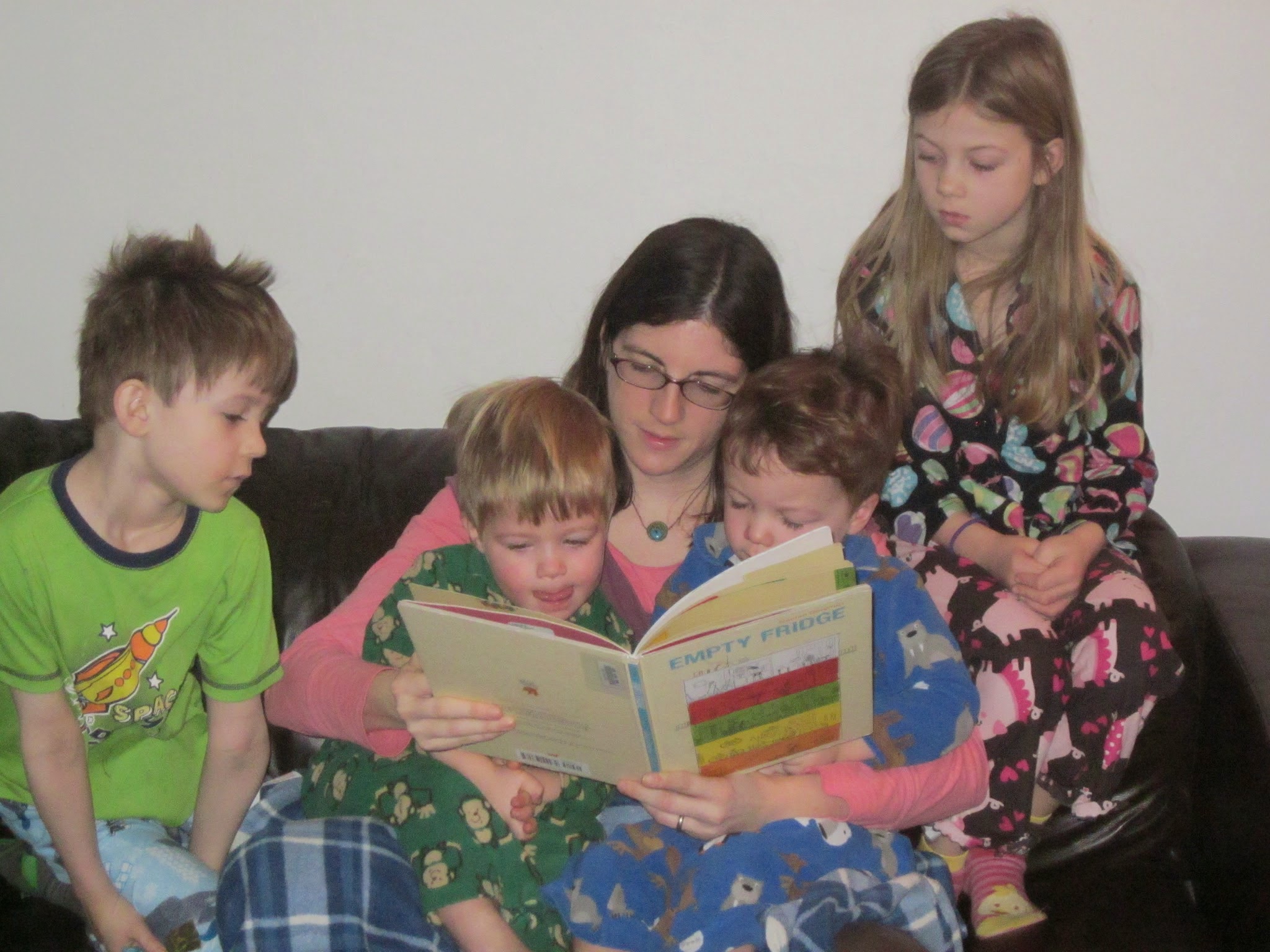
(How does an introverted mother make it through the long, cabin-fevered months of winter with four wild and wiley children underfoot? Why, she reads to them, of course.)
This is the scene every morning and night at my house: me in sinking into a well-worn hollow of the couch, my lap filled with boys and a blanket and the older two perched along-side.
They are my lions and tigers and bears, running and roaring restless and I tame them, still and silent, with the power of words.
They are hungry birds squawking and screeching until I build a little nest and fill their ears with stories.
They are the snakes I charm with the hypnotic notes of “once upon a time” and “happily ever after.”
They are my crowd, my captive audience, the flies trapped in this mama spider’s web of words.
This post if linked with Five Minute Friday, click over to read more posts on the prompt “crowd.”
Building Walls for Lent (This Is Not a Post About Soda)

Two prisoners whose cells adjoin communicate with each other by knocking on the wall. The wall is the thing which separates them but is also their means of communication. It is the same with us and God. Every separation is a link. Simone Weil
I have a headache.
I’m tired.
I want a Diet Coke.
I gave up Diet Coke for Lent.
//
I cannot say whether it is my body or my mind that turns first toward that magic elixir. I do know there are times and places – rituals, you might say – wherein I crave it most.
With pizza.
With Chinese food.
With pretzels and chips.
With four whiny children at my feet.
With headaches, severe and with stress and exhaustion – these make an excellent pairing.
//
Yesterday I sublimated my cravings for soda by eating the last, stale squares of brownie, prying them out of the glass dish with a steak knife. Does that still count as sacrifice?
//
I’m not good at Lent, not very good at anything long-ish, although I can do deep on the spot. Also, it seems a bit foolish, me here in my first world comforts, donning the proverbial hair shirt of a caffeine deprived existence. Nothing noble, nothing brave.
Who knows, maybe this very evening I’ll walk across the street to the little deli, a wrinkled dollar and five cents in my hand. They’re waiting there, chilled to perfection, black bottles lined up like soldiers waiting to be deployed.
Moreover, my discipline, should it endure, will not make Christ love me more.
Easter comes to us all, my friends, to those who anxiously prepare and wait and to those also who find it sneaking up like a surprise.
So, why bother?
//
I haven’t given up yelling at my kids, as this friend has (let us all say a prayer for her now!), or looking in the mirror like this woman here who’s leading a whole movement of women in smashing their idols. I will continue to eat meat on Fridays and I will, mostly likely, slip-up when it comes to soda consumption.
With this relinquishment I’m building a wall, not the Great Wall of China, but something smaller, a facade you might say, between me and my good friend God, so that we can learn to communicate better.
I’m listening to my moods and how they swing, listening to what lies just behind the craving and, should I endure, what lies further behind. I’m asking God about what I hear, what I see in myself, in gentle and non-judgemental ways.
//
“Oh, my God, this day is simply too much, I really think a soda would make it better.” I say, knocking with some urgency.
“Yes,” God says, tapping slowly in reply, “it’s possible it would. But really, let’s stick with what’s going on right here right now, you can get a soda later if you still need it.”
Then and there, just like that, a conversation unfolds between the two of us.
And so it goes.
Knocking, tapping, banging at times, on that same flimsy wall for forty days straight.
//
It’s not about what you give up or whether you make it forty days or not.
It’s not about earning or proving.
For me, it’s about listening intentionally, opening myself to a conversation that wouldn’t otherwise happen.
And, also, it’s about Easter that comes to us all, slowly and surely whether we realize we’ve been waiting or not; Easter, when ALL of the walls came down.
Love Was His Meaning
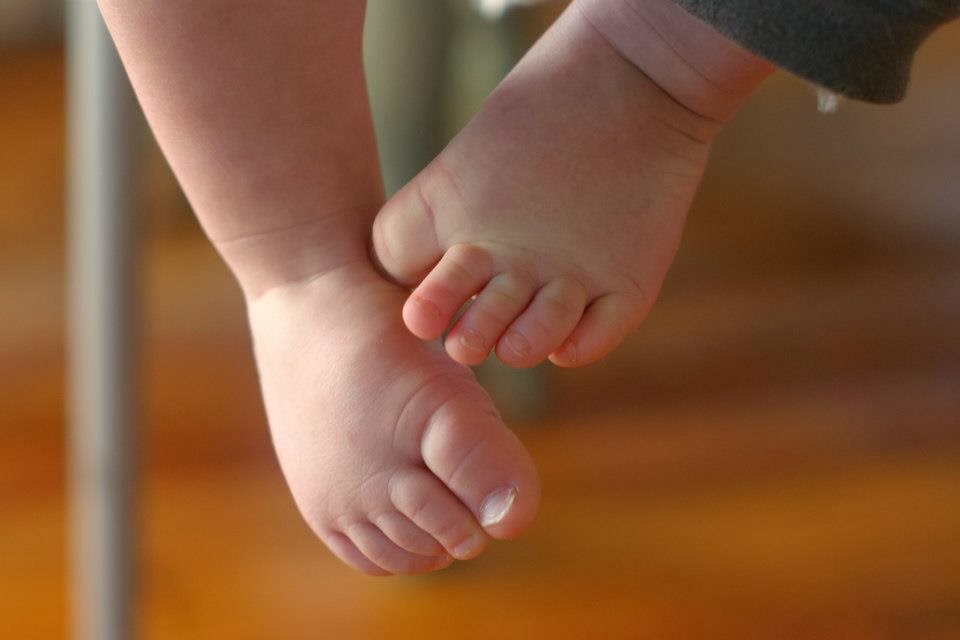
What, do you wish to know our Lord’s meaning in this? Know it well, love was his meaning. Who reveals it to you? Love. What did he reveal to you? Love. Why does he reveal it to you? For love. Remain in this, and you will know more of the same. But you will never know different, without end.” Julian of Norwich
//
I’ve been gone on retreat – 24 hours – away from the beginning of one day’s nap until the end of the next. They’re ecstatic to see me, my little cherubs, their faces still red and their downy hair wet from a good, hard nap. I sit on the couch and they perch on my lap, one on each leg.
Between gulps of juice, Levi accuses me of having gone on vacation.
“You, ta-chun?” he asks, again and again until I grasp his garbled question.
“Me, ta-chun!” he demands, in a voice ripe with the accusation of one left behind.
Isaiah tucks himself in under my arm, nestling down with his head on my chest. Looking up, he makes lovey-eyes at me, his face spread wide with a look of pure pleasure. I kiss his cheeks and he slides himself out from time to time, resting his cheek on his hand and gazing up at me with complete and utter adulation. Right here, right now, he is love embodied and pure love and delight rolls off of him in waves.
Laughing, I turn to my husband, “He is so in love with me right now. It’s adorable.”
//
Later in the week, I take the twins to a local green house where we eat lunch in a little cafe. Isaiah holds his bun-less hotdog like a cigar, taking bites from the end. Once the hot dogs and chips are gone, they move on to the bread, dipped in ketchup.
Then the game of “throw-away” begins as they clear the table of all debris, making multiple trips to the trash can a few feet away. Their chests puff out a little more each after each trip until finally the table is cleared except for the large plastic tray. Handing the tray to Levi, I tell him to place it on top of the trash can. Clutching it, he throws his shoulders back and long-strides across the room.
By this time he has an audience, an older gentleman stands watching from a few feet behind.
“How sweet,” the man murmurs, before leaning in to ask about my boys. I explain they’re twins and his response, “That must be a lot of work,” pleases me.
Then he tells me how he met his wife in 1948 and that they were friends for two years before becoming something more than friends. His blue eyes twinkle with love-light as he talks and I can tell he can’t hear a word I say, so I listen with a wide-eyed smile.
“I still remember it, like it was today,” he says. “She took my hand in hers and said, ‘Roger, I sure do love you.'”
Then he told me how they had three girls, all in a row, motioning once with his hand for each daughter and how he expected the next might be a boy. His wife said no, though, she wasn’t having any more children and figured that three girls was a big family as it was. “You don’t want any more children,” she told him, but I could see right there in his eyes that he did.
“But they grew up,” he continued, “and got married and gave me grandchildren and now those grandchildren are married.” He seemed overwhelmed by the goodness, the marvel of it all, the way life opens up and multiplies around us.
Now this whole time, my boys were winking and wiggling at the table, eating bread and murmuring subtle and not-so-subtle hellos in his direction. As he turned to join his wife who was waiting for their meal at the lunch counter, Levi leaned into me, his blue eyes wide. All serious and sweet he asked again and again, “Me hug, me hug?”
Surprised by his boldness I checked two or three times to be sure, “You want to hug him?”
“Yeah,” he replied, with a relieved smile.
By this time Isaiah had worked his way around the table, he wanted to hug too and he kept taking two steps forward, then back.
“Ok,” I said, “you can hug him.”
I gathered their coats and Levi’s hand found mine as Isaiah ran ahead, surprising the man with a bear hug from behind. The man turned, surprised, delighted and Isaiah did his happy dance then ran forward again, his arms spread wide and the man bent down to receive him.
Levi hung back, his hand in mine, caught in indecision before leaning in with a hug of his own.
//
It was three years ago in January that we found out we were expecting twins. An unexpected pregnancy, life interrupted times two and oh how I struggled to make sense of it all.
Julian prayed for fifteen years to know the meaning of her revelation and I’ve waited nowhere near as long, but stumbling across her words this weekend I realized that the meaning was the same. These boys, oh, these boys, how they’ve made life open up and multiply around us. Stretching my belly, my arms, my heart, there’s no area of life that’s been unchanged, unexpanded by this love and now my prayer is this, may we never know different, without end.
If you like this post, you might also like When Love Visits or The Blessing: On the Eve of Your First Birthday.
You’ve Made Me Strong (Downton Gets It Right)
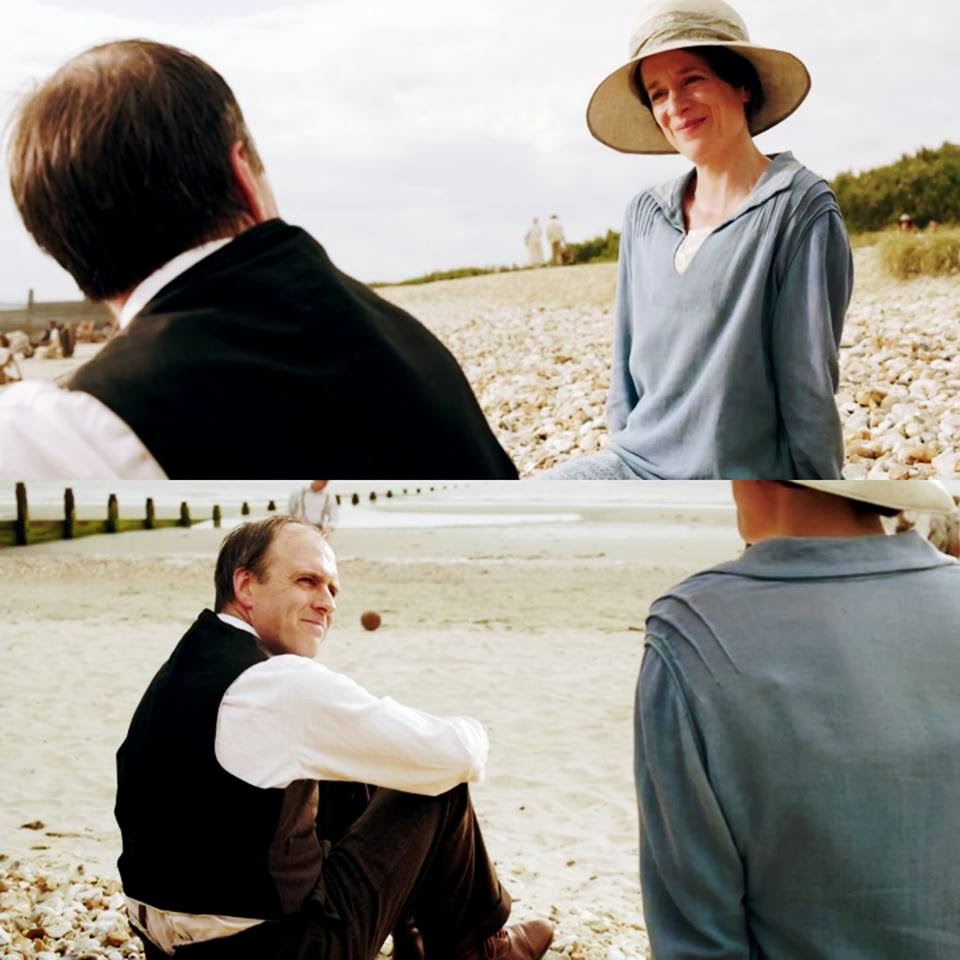
Baxter: “You’ve made me strong, Mr. Molesly. Your strength has made me strong.”
Mr. Molesly: “My what?!”
//
(Season Four Season Finale SPOILER alert)
“Oh, Mr. Molesly.”
This is what we said again and again. Poor old Mr. Molesly who always arrived with too little, too late. Mr. Molesly who seemed forever behind the eight ball, always stepping squarely into one mess or another. We said it just as often as we said, “Oh, Edith!” as we watched the two characters muddle through.
Julian Fellowes, the writer and creator of Downton Abbey seems to have taken it easy on us with season four’s Christmas special and season finale. After Matthew’s tragic death last year and the horrific rape of Anna in this season’s premire, the season finale was like a beautiful present where nearly all of the plot lines were neatly tied up with ribbons and bows. So neat and pretty that it might be easy to miss this moment of sheer beauty and truth that happens between Baxter and Molesly.
I so enjoyed watching Molesly rise to the occasion this season, his strength awakening as he senses Baxter’s vulnerability. Mr. Barrows is a man who preys on weakness and vulnerability, not unlike the gruesome Mr. Green who uses brute strength to violate Anna. But Molesly offers another view of strength, strength that lends itself to weakness, rather than taking it to its advantage.
//
As a female Christian blogger I read a lot of blogs written by other Christians – male and female – and let me say the discussions about what it means to be male and what it means to be female are alive and well, but what I see missing are the conversations about what it means to be male and female together in relation to each other.
Don’t get me wrong, there are lots of posts about the proper relationships between men and women, both in the church, in the home and in the world at large. But all of these conversations seem, to me, to focus almost exclusively on the age old question of “who gets to be on top.” It’s as though we’re stuck again and again, placing men and women on opposite ends of a see-saw and the rise of one is inherently seen as a threat to the other.
Some argue that feminism makes women too strong and men just don’t know what to do, thus women must become less so that men can be more.
Others argue that masculinity is an inherent threat to the feminine and so a man confident in his own strength is only to regarded as a cause for great alarm.
I love the picture painted in this brief endearing scene between Mr. Molesly and Baxter – “You’re strength has made me strong.”
Molesly’s strength is not against, but with, his strength is not a threat, but a gift. When we look at men and women this way, equally gifted, then the argument shifts from “who will be on top” to “who will stand beside;” we move away from the see-saw and out into the wide open field of life where men and women, equally gifted, equally needed, work together.
I don’t know what will come of Mr. Molesly and Baxter in the season ahead, but I’m hopeful for them as they already show the ability to “row together” as Mary says to Mr. Blake and that, indeed, is a very good sign.
What did you think of the Season Finale and the development of relationships in Season Four?
The Mercy and the Little Kernels of Gold
For as the heavens reach beyond earth and time, we swim in mercy as in an endless sea.
(Psalm 103:11)
//
We sat together in sunny silence as snow lay all around like a smooth and glassy sea and over the waters of white danced the songs of the birds. Full-throated notes tipped and turned, floating, flitting in a chorus of call and response.
“Did you know,” she asked, “that birds only sing when mating season approaches?”
This was after the first snow, unexpected, and before the next that buried us under layers of flowing white adorning creation like a bride on her wedding day. Those birds whispered and whistled songs cloaked in the bright rainbow of spring’s hues even as we waded through a world turning from white to white again.
It was as though they knew, as though they believed in something more than what was seen.
Those birds and their songs, guided by a wider light, a deeper knowing that arose from somewhere beneath the surface of things, like the tiny shoots emerging green from their winter beds pressing like notes against the underside of all that snow and ice.
//
The notion that God is absent is the fundamental illusion of the human condition. Thomas Keating
//
If you were to ask me what one thing (though in truth, there are many) I’ll carry with me from our time of waiting for a home, this is what I would say: this waiting has stretched me open wide, this gestation in the land of not-knowing, in the depths of winter’s long dark.
I have learned, am learning still, to endure the pause between call and response, to open to the space between what is and what will be and to sink down into what is there, to trust in the slow unfolding.
//
I saw how time – all our times – are
contained in something bigger: a space that is none other than the
Mercy itself. . . . And in that Mercy all our history – our possible
pasts and possible futures, our lost loved ones and children never born –
is contained and fulfilled in a wholeness of love from which nothing
can ever be lost. – Cynthia Bourgeault in Mystical Hope
//
Maybe it’s like this – the way two dancers move together across the floor, arm in arm, leaning, shifting, moving in perfect rhythm each with the other. Such unity is a beauty to behold. But perhaps, in truth, the real test comes, when they break apart, swirling off into separate spheres for a time. Dancing across the floor, not touching, yet held together by the rhythm and even, also, by the space between.
There are times in which we are asked to dance the wild, wondering dance of faith in the absence of what we long for. What tune will guide us then, what rhythm move our feet?
If we were able to sink through the terror that comes in the absence of knowing, the blinding white that flies in the face of spring’s arrival, would we not also, like those dancers, find some deeper rhythm holding, leading, guiding our feet? And might not also the very space created by our longing be a reminder of that to which we belong, the One with whom we dance?
//
Take
away everything else down to that point of final destruction, and the
last little bit that’s left before destruction, a little kernel of gold
which is the essence of you – and there is God protecting it . . . And
this is something terrific. – Thomas Merton
//
Author Cynthia Bourgeault speaks of this underlying unity as the Mercy, by which she means God – not a god who dwells apart or above, but the God who surrounds, holding us all as swimmers in a vast and spacious sea. Merton speaks of this as the protecting presence of God, this presence that holds the truth of every created thing – those tiny glimmering kernels of gold – protecting and preserving so that nothing is ever lost.
Maybe this is what the birds know, deep within their breasts.
Maybe this is what guides their singing, living, loving, the light that warms them long before spring’s unfolding.
//
You are not lost, dear ones, you are held, though you may not yet be aware of it.
This Mercy, this tender mercy, it is the key to endurance, the doorway to hope, the promise of joy in the midst of deep and tragic sorrow.
I have only waited for a little thing – a house, a home, a promise – and maybe this song I sing seems as foolish to you as the voices of the birds did that snowy day. What can I say to convince you?
There are not words, my friends.
So I’m singing today in the face of winter, singing from a place I’m coming to know, lifting notes that crack and fail to carry just as often as they sometimes soar. I’m singing this song of hope in the waiting, pressing these tender shoots of green against the snow and ice, dancing these slow, strange steps with a Partner I cannot always see.
Spring will come, love will unfold, and when it does, you will be found in its midst, held, protected, embraced.
Linking this week with Laura, Jennifer, and later in the week, Diana.
Bearing One Another (Breast Feeding, Potty Training and Twins)
“Let me tell you a story,” Estevan said. “This is a story about heaven and hell. If you go visit hell, you will see
a room like this kitchen. There is a pot of delicious stew on the
table, with the most delicate aroma you can imagine. All around, people
sit, like us. Only they are dying of starvation. They are jibbering
and jabbering, but they cannot
get a bit of this wonderful stew God has made for them. Now, why is
that? They
are starving because they only have spoons with very long handles. As
long as that.” He pointed to the mop, which I had forgotten to put
away. “With these ridiculous, terrible spoons, the people in hell can
reach into the pot but they cannot put the food in their mouths. Oh,
how hungry they are! Oh, how they swear and curse each other!” he said.
“Now,” he went on,
“you can go and visit heaven. What? You see a room just like the first
one, the same table, the same pot of stew, the same spoons as long as a
sponge mop. But these people are all happy and fat. Perfectly, magnificently well-fed, and very happy. Why do you think? The people in this room are feeding each other.”
Then he pinched up a chunk of pineapple in his chopsticks, neat as you
please, and reached all the way across the table to offer it to Turtle.
She took it like a newborn bird.
adapted from Barbara Kingsolver’s book, The Bean Tree
* * *
Two cheap plastic potty chairs sit side-by-side in the kitchen. On them sit my twin boys, half-naked, both nearly two-and-a-half years old.
Pajama-clad, I sit cross-legged in front of them, flipping my way through picture books. Outside, the wind-chills are below zero and here on the old wooden floors it’s drafty and cold. Isaiah sits primly on his potty, hands folded neatly, a look of delighted expectation on his face and Levi looks similarly happy with the addition of a palpable sense of confidence.
By the end of the morning I’m frazzled.
There’s pee on the floor and I’m not sure whose it is.
Wet spots lay scattered throughout the house and I’m unable to accurately discern between melted puddles of snow and urine. There was a poopy incident, which we all know is the worst, and as I’m putting shoes and socks onto still-pudgy feet in preparation for taking the older ones to school, I notice poop on the bottom of a little foot.
They’re diapered in the van and it feels like oh-so-much of a relief that I wonder whether I can hack this potty-training business at all. Some have suggested that I train them one-by-one and, driving along, it does seem simpler.
But here’s the thing, one boy has the ability, but lacks the will, while the other has the will, yet lacks the ability and I’m hoping, secretly, that they will somehow pull each other along.
It’s happened before.
//
Levi, our baby B, was pulled into the world feet first after what Drs refer to as an Internal Podalic Version. After a good five minutes of wrestling he emerged breathless and badly bruised on his ankles and feet. The bruising and trauma led to a tough bout of Jaundice which left our wee-little-warrior exhausted nearly all of the time.
All of our babies experienced Jaundice so we were prepared and stripped him down to nurse, hoping the fresh air would keep him awake, but after an initially weak latch, he would drift off to sleep, too drowsy to be bothered with food. Between blood draws and dropping weight, we worried about our little man.
My husband learned to finger-feed him milk I pumped, teaching him to suckle a syringe.
Meanwhile, his twin brother, Isaiah, was a nursing champ. Born a good ten minutes before his brother, he latched on with a ferocity in the recovery room.
Finally, desperate to be home with our older two, longing to get the all-is-well signal from the pediatrician, we decided to try tandem nursing. We practiced popping Isaiah on, letting him work for the let-down, then bringing Levi in on the other side at the crucial moment, so that both could get the gush of milk.
I don’t remember if this was something we read in a book or if a helpful nurse gave us advice, but I do remember watching those boys and realizing how the one was leaning on the other already, how one’s strength was carrying the other’s weakness.
//
This is how it is with twins, with two who fit together like puzzle-pieces in a womb for nearly nine-months. They enter life paired and they learn both to lean and support from an early age because there are times when life depends on it. One runs to get me when the other is hurt and each serves as the other’s primary interpreter. If one has a cookie, he waits expectantly to be sure his brother will too and, when they have to, these two two-year-olds share and take turns for as long as their desire-filled bodies can stand it.
What I’m noticing is not the peculiarity that it happens to be this way for them, but the possibility that it might be this way for all of us.
Paul tells the church in Galatians that in bearing each other’s burdens, they will be fulfilling the law of Christ (Gal 6:2). Of course, this can be taken to unhealthy extremes and the phrase “one another” is key to the verse, but Paul is getting at the heart of the bible in his teaching here. Elsewhere the apostle persistently refers to his readers as “brothers and sisters in Christ.”
We are related, whether we like it or not, both as believers and members of one body, but also as human beings. One of the most significant aspects of the creation account in Genesis 1 is the clear depiction of the interdependence of all things – all things made to exist in interdependent relationship with each other and with God.
So let me ask, ever so gently, have you learned to lean? To be carried by the strength of another (which is to be the recipient of sheer grace)? Have you learned to carry? To lift another along without resentment or judgment, but to simply give of your own deep giftedness (which is to be a conduit of sheer grace)?
//
This is the law of Christ, this is the kingdom of God come down in our midst, when we carry each other, when we bear with each other in weakness and strength.
This post is linked with #TellHisStory.
Sticks and Stones (on Beauty that Speaks)
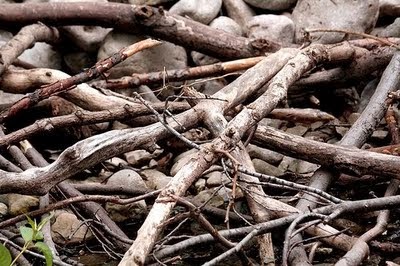
I woke up early on the morning I was scheduled to preach and drove to the spacious, wooded park a few
blocks from our house. In preparation for speaking on the
story of Elijah’s widow, I wanted to gather enough sticks to
spread across a make-shift altar space, creating a tableau of sorts with
a children’s book I planned to read
and a small tree.
I was planning to speak about hope, but not the kind that
soars.
I wanted to talk about the kind of hope that shows
up among the sticks and stones of our lives, the few drops of oil and crumbs of
flour; the kind of hope that dwells in the dried out, broken places and is only
found in the looking.
Pulling up and parking, though, I noticed a peculiar absence
of branches, even in the most likely places, under the old stately trees at one
end of the park. But I got out anyway
and started wandering around, my head bowed, scanning the ground for useable
materials.
Once I really started looking, I saw sticks everywhere and
dressed in my Sunday best, I bent and gathered a good armful. Arriving at church, I
spread a table cloth on a long folding table and laid out my wares. The
Carrot Seed, by Ruth Krauss stood on a small wooden stand and behind it the
avocado tree planted from a seed my husband salvaged from the compost bin.
Taking the sticks out slowly I dropped them gently onto the
table, making a good old mess and letting more than a few tumble to the
ground. Bits of bark scattered and
clinging leaves drifted gently to the floor.
There wasn’t anything beautiful about those sticks, not in a
conventional sense.
But there was a strange beauty in their brokenness, a beauty
in the way they captured the way so many of us feel in hopeless times – dried
up, broken and emptied of life.
I imagined that for some in my congregation that day, hope
was like a seed, small and expectant, and for others perhaps it was like a
tree, sprouting and green. But for
others yet, I imagined that hope felt brittle and barren like it must have for
Elijah’s widow who hunted and pecked along the ground, gathering just enough
sticks to cook one last meal.
I’m not sure if those sticks spoke to anyone that day, but
they spoke to me.
They reminded me that when words fail, beauty speaks, even
the strange, stark beauty of broken, barren things. Proclamation occurs, not just in the form of words and
ideas, but also in images and icons, tangible expressions of our flesh and blood,
bread and wine existence.
So when I speak, I bring along my box of props. I hand out colored play-doh and
stones for writing on with permanent ink, I press a packet of wildflower seeds
into every hand that reaches and leave piles of sleeping flower bulbs as images
of resurrection on Easter morning.
In
this way I practice what I’ve learned and remind myself as well, that the word
indeed was Word among us, but it also came in flesh and when words fail to find
entry through fallow ears, then maybe some bit of truth wrapped in the form of beauty may still break in
through hands and eyes and hearts.
This post is a reflection on the topic of “Creating Beauty at Work.” Interested in reading more? Check out Shelly Miller’s post An Apologetic on Beauty @ Redemption’s Beauty.
Or visit The High Calling website to visit other posts on the topic: Other High Calling Posts on Creating Beauty at Work.
Also linking with Playdates With God.
For When You Need A Drink (of Love)
I’ve had a hard time finding words lately, or finding time for words perhaps.
My husband says that what I need is some good old “normal,” but I look at him wryly wondering what exactly normal might be.
Anyway, there are days, you know, when the words just don’t come or they come but they’re all so very wrong or they’re simply lost in the stampede of everyone else’s words.
Yes, there are those days.
On days like that, then perhaps it’s wise to borrow someone else’s words. This poem by Hafiz, a fourteenth century Persian poet, were sent to me by a friend and they seemed fitting to share on this weekend in which we all are made aware, again, of our deep, deep longing for love. Enjoy!
(Maybe you were hoping for a Valentine’s post? If so, here’s an oldie but goodie Love is Vertigo.)
I Know The Way You Can Get
I know the way you can get
when you have not had a drink of Love:
your face hardens,
your sweet muscles cramp.
Children become concerned
about a strange look that appears in your eyes
which even begins to worry your own mirror
and nose.
Squirrels and birds sense your sadness
and call an important conference in a tall tree.
They decide which secret code to chant
to help your mind and soul.
Even angels fear that brand of madness
that arrays itself against the world
and throws sharp stones and spears into
the innocent
and into one’s self.
O I know the way you can get
if you have not been drinking Love:
you might rip apart
every sentence your friends and teachers say,
looking for hidden clauses.
You might weigh every word on a scale
like a dead fish.
You might pull out a ruler to measure
from every angle in your darkness
the beautiful dimensions of a heart you once
trusted.
I know the way you can get
if you have not had a drink from Love’s
hands.
That is why all the Great Ones speak of
the vital need
to keep remembering God,
so you will come to know and see Him
as being so Playful
and Wanting,
just Wanting to help.
That is why Hafiz says:
Bring your cup near me.
For all I care about
is quenching your thirst for freedom!
All a Sane man can ever care about
is giving Love!
~ Hafiz
From: ‘I Heard God Laughing – Renderings of Hafiz’
Translated by Daniel Ladinsky
Photo credit HERE.
Inheritance (Letting Go of Guilt)
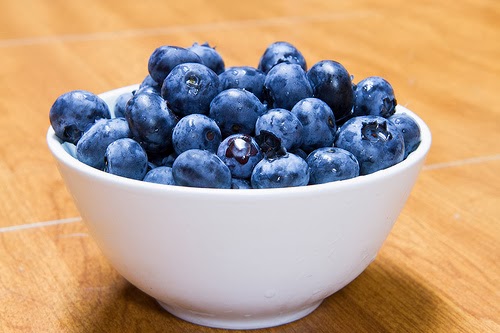
We inherited several gallon-sized bags of blueberries when
my in-laws sold their house and moved to Florida. I like to think that they were handpicked by
my mother-in-law some time ago, back before the brain tumor and multiple
surgeries left her partially paralyzed, before we lost her without really
losing her in so many ways. She was a
force to be reckoned with in the blueberry patch bringing them home by the
bucket-full and urging them onto her grandchildren who wandered her house like
a little Blue Man Group, stained with perpetually blue hands and faces.
After helping his parents load their truck, John can back
home with a few frozen roasts and the blueberries. That was last March and if those berries were
excavated from the depths of my in-laws’ deep-freezer, carbon-dating may be
required to get their exact age.
But here’s the thing – I don’t use a lot of frozen blueberries.
So a lot of those berries sat in our freezer – like two of
the three bags – and then got moved with us when we sold our house and moved
this past summer. And now, here we are,
preparing to move again and I’m cleaning out our deep freezer and there isn’t
room in our small freezer for everything. So I was getting ready tonight to make some
blueberry muffins because – God forbid I throw out my mother-in-law’s
blueberries.
I was planning to make muffins while my husband worked at a
mountain of dishes and small children melted-down all around me; planning to
make muffins after waiting for over two hours at the Dr with my daughter and
getting pulled over on the way to the pharmacy; planning to make muffins I was
pretty sure my kids wouldn’t eat.
Why?
Because I wanted to honor my mother-in-law. I didn’t want to feel guilty about throwing
out all of that hard work and I didn’t want to lose one more connection to the
woman she was – I wanted to do the right thing.
Sometime later, after the twins were to bed and the
dishes done, after thawing and straining the dark purple juices into the sink,
I realized that I don’t really have to make those muffins.
“It’s ok, Kelly,” I thought, “Let it go.”
I just don’t have a double-batch of muffins in me tonight,
nor do I imagine I’ll have it in me sometime in this next harried month before
me move. And, oh my, I can’t imagine
lugging them along with us to the new house like some big blue ball and chain. So I’m cutting myself loose, cutting free of
my own self-induced guilt.
My mother-in-law’s will, her spirit – neither the essence of
who she was or who she is – cannot be found in those old berries, it just can’t. And my tossing them isn’t any more a betrayal
of her than it is a betrayal of people all over the world who’d give their
eye-tooth for those berries.
It’s just a simple act of surrender, another form of
letting-go and laying down the ideal self in favor of something more real which
looks a lot more like a very tired, worn-out mother of four young
children.
My mother-in-law has four children – grown now – and my
husband remembers picking blueberries as a child, bringing them home in buckets
and eating more than he picked. He wants
to plant blueberries at the new house, who knows how many, but it’s part of his
plan. I look forward to walking out
among them with my kids in tow, picking and eating and maybe even freezing a
few and thinking of my mother-in-law from time to time.
When their hands and faces are stained and their bellies
popping, I’ll ask them if they remember how Bunia used to let them eat all the berries
they wanted. I’ll tell them how I
dreaded changing their blueberry-filled diapers and how I tried to subtly curb
their in-take. I’ll tell them how much
she loved them then and how she loves them now, only differently.
And it will be enough.
This post is linked with Playdates With God.
Photo source HERE.
Books
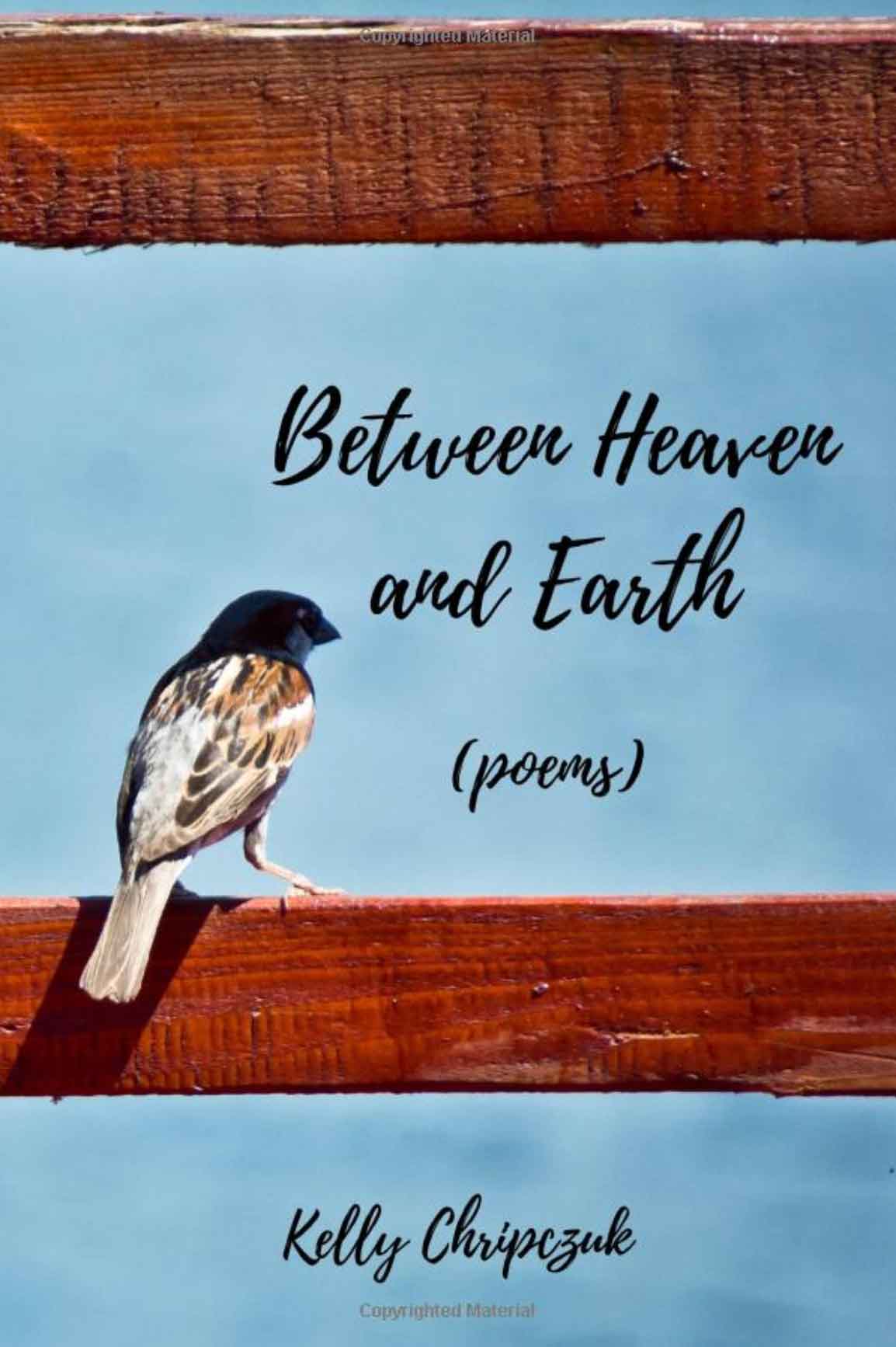
Between Heaven and Earth (poems)
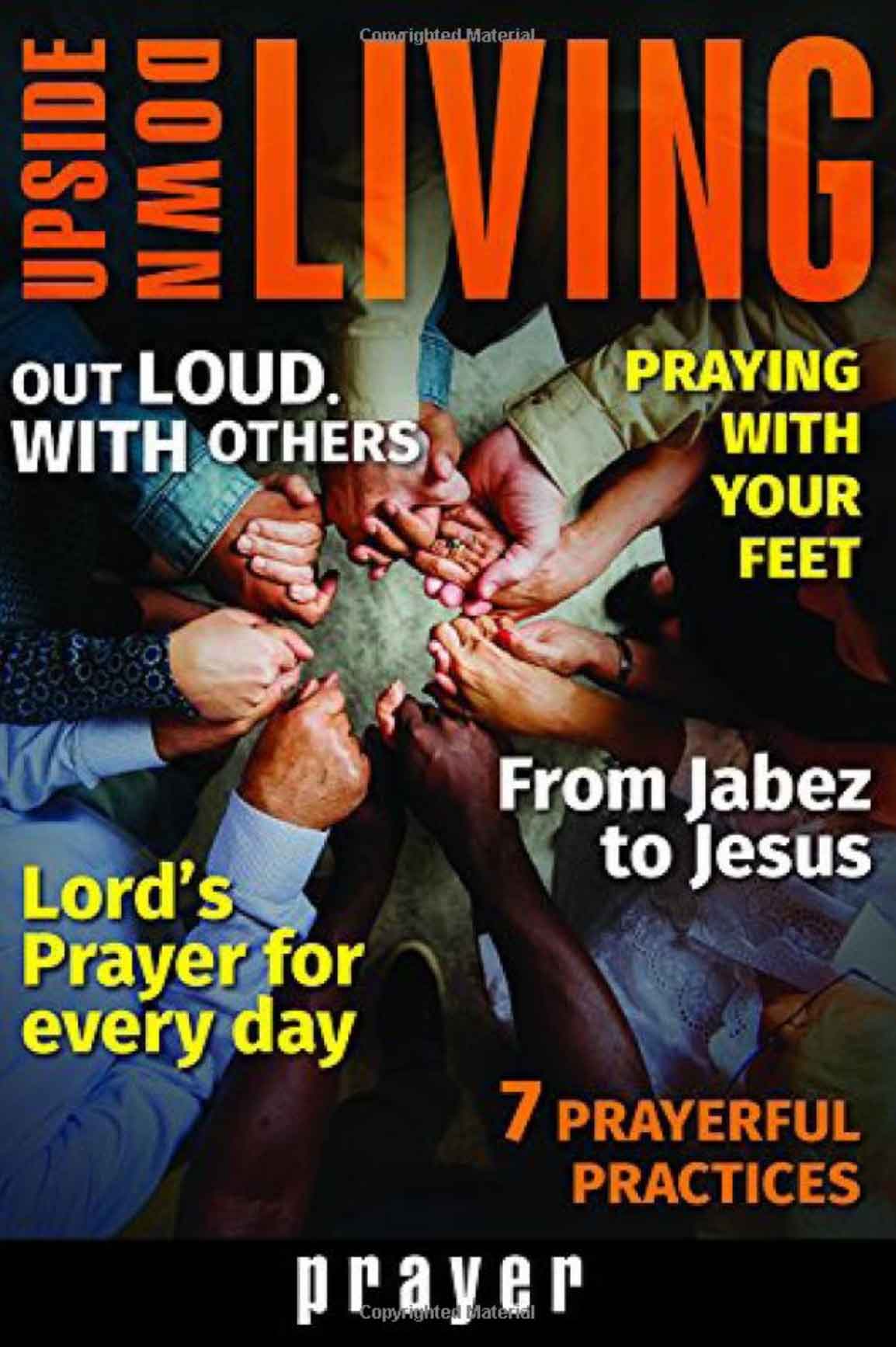
Prayer can easily become an afterthought, a hasty sentence, a laundry list of all the things we want. But what if prayer is a time to find out what God wants for us–and for our world? What does it mean to pray that the kingdom would come here and now as it is in heaven? Explore these questions in this study, and learn prayer practices that nurture intimacy with God and sensitivity to God’s dream for the world.
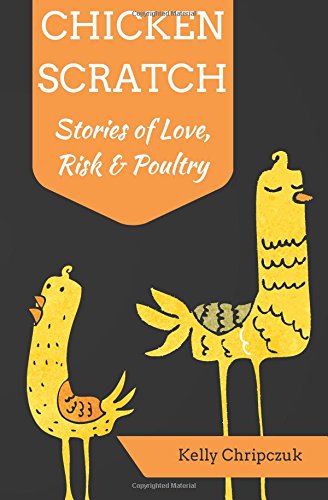
Follow this writer, spiritual director, and mother of four as she dives into the deep end of chicken farming and wrestles with the risks and rewards of living a life she loves. At turns hilarious, thoughtful, and always compassionate, Chicken Scratch will change the way you see the mess and chaos involved in living life to its fullest.
