
Essays
The Other Virtues
Memorial day weekend plays a dual role in modern America – offering an opportunity to honor those who died in active military service and ushering in the beginning of the summer holidays. Here’s hoping summer offers us all an opportunity to practice the art of playfulness and live in awareness of the great freedom and vulnerability of our humanity.
As Much As There Is

He catapults out of bed in the middle of the night and I hear
his bare feet slapping against the hallway’s wooden floor as he hustles through
the darkness. All of this
comes to me as sleep’s heavy shadow gives way to a dim and growing awareness. Then, he stands beside the bed.
“Daddy,” he says.
“What?” my husband mumbles.
“I love you as much as there is,” he says.
“Ok, Levi,” my husband replies, his voice clearer now,
rising to meet his son’s offer of love. “I
love you too.”
“Ok, good night. I’ll
see you in the morning,” Levi adds.
“Good night, see you in the morning,” my husband answers,
completing the call and response.
Levi runs back down the hallway and sleep descends again
upon our house.
//
“I love you as much as there is” is the latest attempt in
five-year-old Levi’s ongoing effort to verbalize the depths of his love for us
which, apparently, is particularly intense around two or three in the morning. He’s fascinated by math and, for a while, tried
using the biggest numbers he could think of to express the magnitude of his
love. “I love you 100 times 100,” he
would say.
But it wasn’t enough.
He knows there are bigger numbers and he doesn’t want to
undersize his love. So, for now, he’s
sticking to the enigmatic phrase, “as much as there is.”
Last night, before I fell back to sleep, I saw for a moment
the simple humility of that phrase – a child’s willingness to believe in and
try to convey that which is beyond words.
//
Real love is like that.
God’s love is like that, so real and yet so big it’s hard to explain.
The apostle Paul, struggling to convey God’s love to the
church at Ephesus, put it this way,
“I pray that you might have the power to comprehend, with
all the saints, what is the breadth and length and height and depth, and to
know the love of Christ that surpasses knowledge (Ephesians 3:18-19).”
Paul tries to sketch out the dimensions of what he realizes
is beyond description, he prays for the Ephesians to somehow receive the
ability to comprehend the incomprehensible.
In so doing, he invites them – invites us all – to enter into the depths
of God’s love which is both measurable (because it exists) and beyond measure
(because of the limits of human comprehension and communication).
Paul’s prayer comes to us like a voice in the night, the words of someone
struggling to communicate what he clearly knows is beyond communication: God loves you as much as there is.
Slow Down (an invitation)
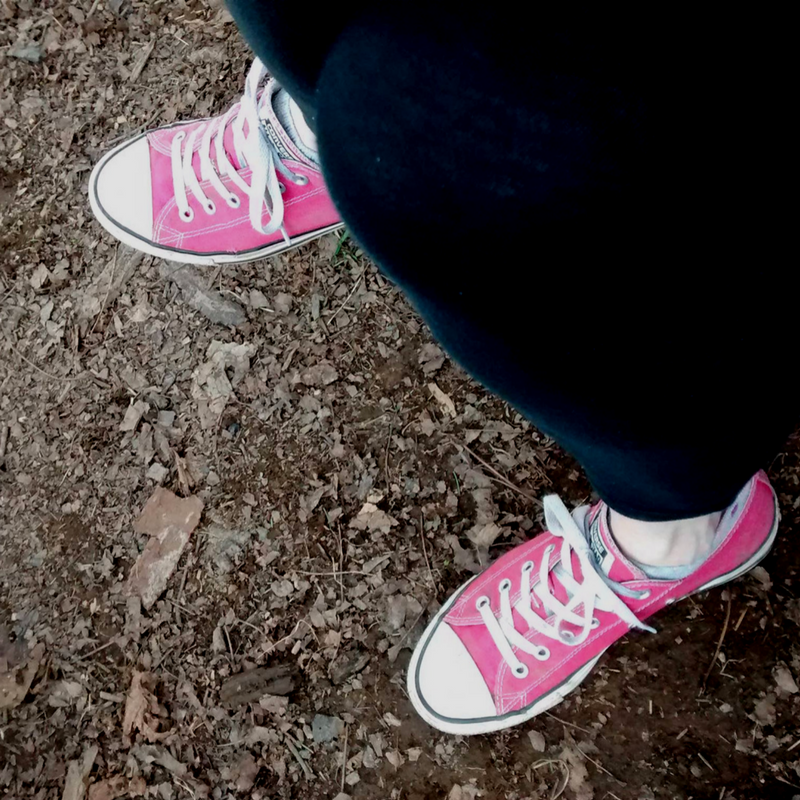
(I call this picture “Converse in the Wild”)
slow down,
just be
be still
be present
listen to, and dwell in, what is
here, now, this moment
what love?
what fear?
and what possible doorway
between the two?
(grace, always, is the door)
A Painter Stopped By, Out of the Blue
I started painting three years ago because our new-old farm house
had large wall spaces; wide, paneled surfaces.
I started painting because we couldn’t afford to buy art to
hang.
Driving home from the grocery store one day with the twins
buckled in to their car seats in the middle of the van, I eased around a
corner, down a steep hill in a wooded stretch of road and saw several large
framed paintings and prints in a stand of overgrown brush, leaning against a
tree. I quickly pulled over to the side
of the road, popped the trunk, and pulled the paintings inside. Two, in wood frames with glass, showed hunting
scenes, ducks rising out of wooded brush.
Another was a large print of a
white wicker basket overflowing with pink, teal and baby blue flowers,
something your grandmother might have hung over her couch in the eighties.
I bought magenta paint, turquoise and midnight blue and started painting over top of the prints and on other found canvases. I borrowed more colors from a friend.
I started painting because the bright colors made me
happy. The slick movement of spreading
paint across a surface was calming, like coloring with crayons, like trailing
your fingers through fine sand.
I painted words because I didn’t believe I could paint
images and because the words in my head and heart needed space, needed a place
to land, to become incarnate, objects of permanence. I painted words because I saw a tutorial
online about how to do it well with sticker stencils.
I painted words and hung them on the walls of our house like
tattoos.
//
Last week, a real painter stopped by our farm house. He paints in oils, sells his work in
galleries. He wanted to know if he could
take pictures of our chickens, our polish rooster in particular.
“I paint,” I said, “I just started this fall.”
“It’s always nice to meet another artist,” I said.
He showed me pictures of his oil paintings, scrolling
through the images of landscapes and farm scenes on his phone. I didn’t show
him my paintings, which suddenly felt like child’s play.
“I paint words. I’m a
word person,” I said.
Later, after he left me with his business card in hand, I
looked him up online. His website is
outdated. I found grammatical and
spelling errors and was pleased. He, at
least, is not a word person.
//
I wondered if his visit was the encouragement I had prayed for
fervently that morning; prayers filled with longing, prayers beyond words. But after he left I looked at my own work
with a cutting eye. It’s hard to write
when you’re discouraged, hard to create when you don’t believe.
When I returned to my studio, my computer, I saw that a
friend had sent a message about a job opening – an opening for a position I
have kept an eye on for years. I looked
it up. The job is full time, in my field. It would
leave no time for painting, for writing, for working at the library. But, in exchange, there would be money,
status, a title and many other things I image are more substantial, more
valuable, than words tattooed on walls with stencils and acrylic, words strung across
pages, hung like spiders’ webs, simultaneously sturdy and insubstantial.
//
I had asked the painter whether he retired before painting
full time. He smiled and said, “In a
way.” Then, he explained that they live
off of his wife’s job. I told him about
my husband who works for the state.
“It’s a good steady job,” I said, “but we’re not getting
rich.” I didn’t say what I meant, which is
that we’re not making ends meet.
I told him about working part time at the library, about adding a tab
on my website for design services. “But
how much can I do?” I asked myself aloud and him, because he was standing
there. “How much can I do and still be
able to write?”
He didn’t have an answer.
But he said he’d stop by sometime to take pictures of the chickens, the
view of the fields, the distant mountains across the street. I told him if he was going to take pictures
of the hens, he’d want some of our handsome black cat too. Maybe he will set up his easel here sometime and
paint plein air. The kids would love
that, I would too.
//
A letter came in the mail recently, notifying us that the
farm land across the street is in the process of being rezoned; if the local
vote passes, it will be protected farmland, unable to be sold or divvied up for
development. We never expected to buy a
house like this with its view of open fields and rolling hills in the
distance. We’ve often assumed it would
someday be sold for development like so many of the surrounding fields.
I mentioned the rezoning to my Dad the other day, over lunch. “It’s good for us,” I said. “Value-wise,” I
added.
I don’t know why I said that, though. Maybe because that’s the way he thinks, the
way he talks, in dollars and cents. But,
the truth is, we don’t want to lose the view to progress and development
because we love it. It’s something like the way I don’t
want to lose my life with words and paint to a paycheck and a title: I love it.
I started painting and writing because I needed to.
I’ll keep painting and writing because it’s still true.
This is What God is Like
Is there anyone among you who, if your child asks for bread, will give a stone? Or if the child asks for fish, will give a snake? If you then, who are evil, know how to give good gifts to your children, how much more will your Father in heaven give good things to those who ask him! – Matthew 7:9-11
Our kitchen has a drawer we refer to as “The Snack Drawer.” Unlike “The Weapons Drawer” – which is a
thing of my five-year-old’s making and does not actually hold weapons, but
instead holds things that could potentially be used for weapons – The Snack
Drawer, as its name would imply, does hold snacks.
Each of my four kids are allowed to have a snack during
the day at school, so each of them reaches their hand into The Snack Drawer once
every morning or two to grab something to stash in their backpack for later in
the day. Some things in the snack drawer (like Cheezits or Goldfish crackers) are considered to be top notch, and these go first. Mid-level snacks (like pretzels and granola bars) go next. Last resort
snacks include, but are not limited to, boxes of raisins and things they claim to be allergic to.
On a recent morning, a murmuring and rumble of discontent arose
in the kitchen as three of four kids stood peering into the snack drawer. From where I stood, near the kitchen sink, I
could see the drawer wasn’t empty. But still, they complained. I moved in for
a closer look and the children split like the sea and lifted their gaze from the near-empty drawer to me.
It was, indeed, time to replenish.
“Hold on,” I said.
I went to the pantry in the laundry room and pulled out the
box I’d been saving. I carried it into
the kitchen, with the twins trailing behind me, and held it high over the open drawer. I tipped the box, dramatically, and assorted snacks in red packages, orange
and green, poured down like rain. The kids circled and pawed at the pile, as
though I’d cracked open a piñata.
My one son, the one with the Weapons Drawer, grabbed an
off-brand peanut butter granola bar.
“Mom!”
he said, in a deep voice he puts on when he feels the moment demands, “I LOVE
THESE!”
Everyone’s hand found something good.
Isaiah, exuberant in the face of so many good
choices, eager to hoard the things he loves best, announced that he was going to take four or five snacks to school with him that
day. I quickly restated our one snack a day limit.
That moment, with its flash of color and exclamations of delight hangs, like a snapshot in the corner of my mind. That’s what God’s like, I think. God – the giver of good gifts, the filler of drawers we once thought too empty or sparse to satisfy.
* I’m well aware that too often ‘the drawer’ of life is empty, sparse, or filled with things we’d rather avoid. But, scripture is clear that there may not always be a direct correlation between the circumstances of our lives and the character of God. So, rather than drawing conclusions about God based on what we find in life’s drawer, we might be better served to see the good things as signs of God’s presence because, even in the midst of life’s struggles, we can still be certain of the God’s character.
Communion (A Seminarian’s Perspective)
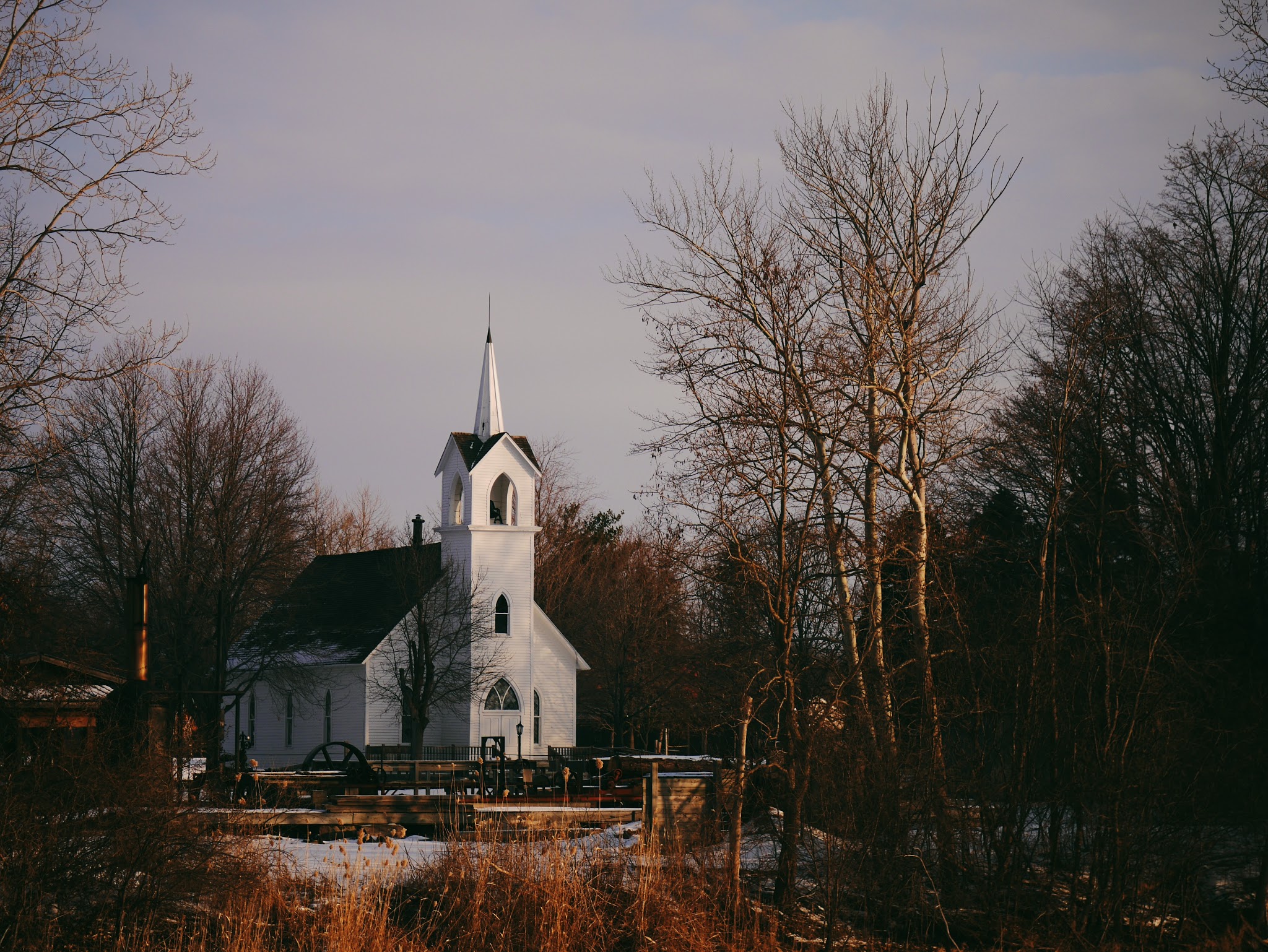
During Seminary, another student and I, interned at a tiny,
historic, Methodist church in New Jersey.
She was Methodist, I was not; but we were both welcomed into the
fold in equal measure.
The congregation was small and aged and the thing they
appreciated most about the few sermons I gave was how well they could hear my
voice and how clearly I enunciated. The
thing I appreciated most about preaching there was how the cleric’s robe
covered me from head to toe, obscuring my feminine figure, rearranging me into a blank slate of black polyester. Only my flat, tan shoes and the bottom of my dress pants showed and only then when I stepped out away from the pulpit, which was not often.
My fellow intern, a heavyset single girl, shorter than me
and rounder, also wore the robe while speaking.
On other Sundays, though, she dressed to the nines in strappy dresses
with tight waists and full skirts like the ones housewives are pictured wearing in magazine ads from the 1950’s. She
completed the look by pairing the dresses with impossibly high heeled shoes,
the height and skinniness of which, caused her to teeter and totter
precariously.
She didn’t seem at home in those dresses and matching shoes and I
wondered why she wore them. But I also
probably didn’t seem at home in my drab business-casual attire that I’d
purchased specially for the internship and possible future interviews. Neither of us, I guess, were entirely at home
in ourselves or our pastoral positions, which I suppose is the plight of many an intern.
The small church was traditionally built, with old wooden
pews and a long center aisle that led to a kneeling rail and altar. Each service began with a processional from
the narthex, down the center aisle, to the altar where candles were lit while
the organist played.
One of my most distinct memories of that church is of
watching my fellow intern make her wobbly way down the carpeted center
aisle with a plate of communion bread in hand.
The plate was wide, flat and loaded with bits of bread and she was so
precariously perched in her heels that I felt for sure she was going to wipe
out at any moment, scattering the body of Christ across the dense carpet. I held my breath as she mounted the altar’s
two steps and exhaled when she finally set the plate down.
Having grown up Baptist and turned Anabaptist, the rituals
of the Methodist church were foreign to me and struck me as overly formal. I longed for something more personal, less
prescribed. I imagined with equal measures of horror and delight, what it would be like if she simply dropped the whole plate. Some part of me longed for
the broken body to spill, even just once; for us all to have to deal with
the sudden beauty, the surprise of Christ spread among us in such an earthy, unscripted way.
My colleague never dropped the host, but crumbs did often fall
as we handed the bread to the congregants kneeling along the rail. No matter how rigidly we try to contain him, Christ is always breaking through. Mercy
and grace scatter everywhere like crumbs, and who we are and who God is, is always being revealed. Christ is always spreading out in our midst, disrupting our scripted ways, like the beige shoes and
dress pants of a young woman sticking out beneath her robe, like a young
woman in a flared out dress and heels making her wobbly way up the aisle, truth that cannot be hidden or disguised.
Communion (A Five-year-old’s Perspective)
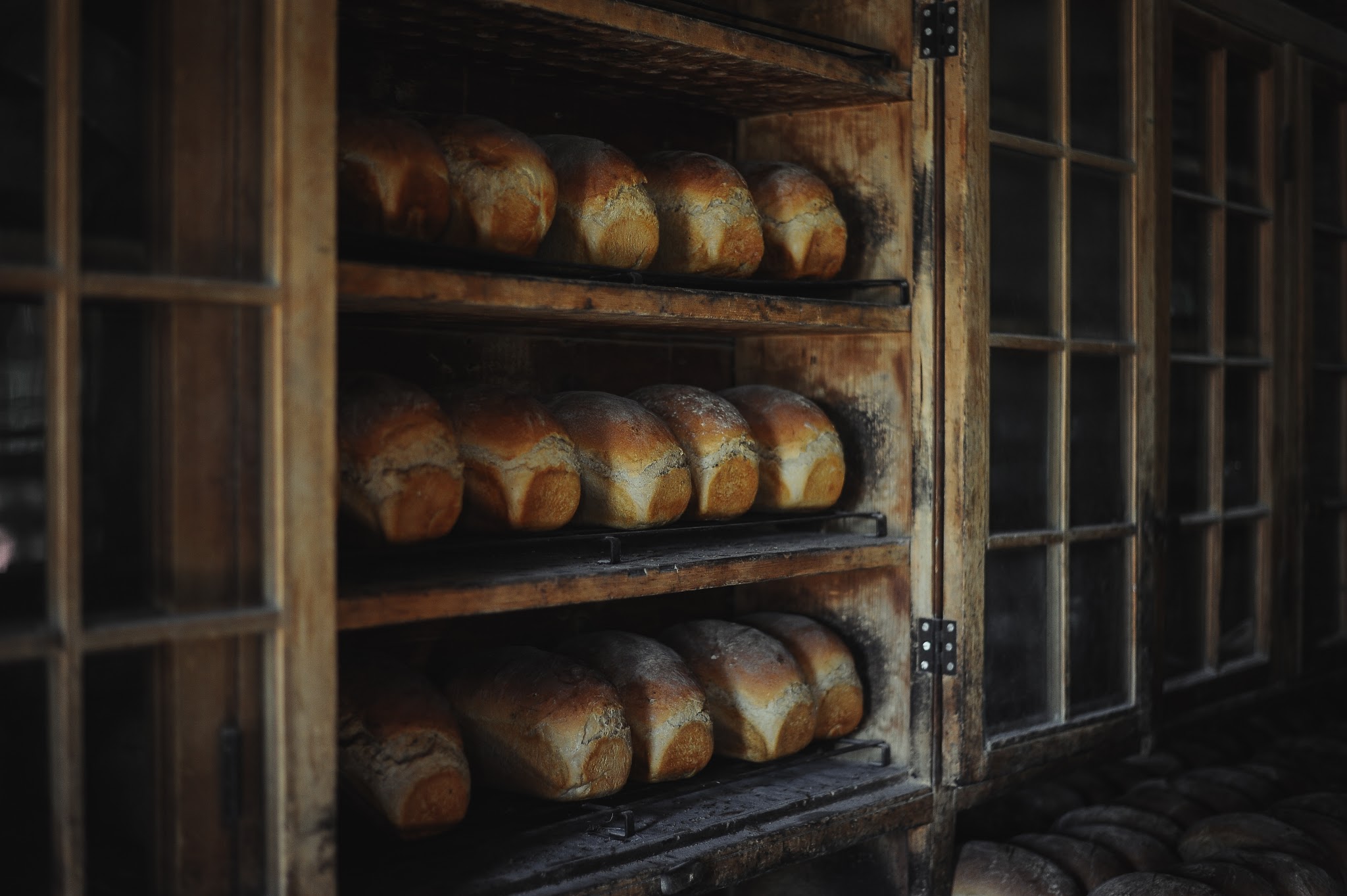
The Communion with God is simple, so we will not be dazzled; so we can eat and drink His love and still go about our lives; so our souls will burn slowly rather than blaze. . . . the Last Supper did not take place on one night in one room, and to eat God’s love, we do not have to even open our mouths; we can be walking, sorrowful and confused, with a friend; or working on whatever our boat is, fishing whatever it is we fish for; or we can be running naked, alone in the dark. The Eucharist is with us, and it is ordinary. To me, that is its essential beauty: we receive it with wandering minds, and distracted flesh, in the same way that we receive the sun and sky, the moon and earth, and breathing.
– Andre Dubus in Meditations from a Movable Chair
Five-year-old Isaiah loves bread almost as much as he loves
his Mama, which is to say, quite a lot. He also loves juice. When there’s no Sunday school and he’s forced to endure the long church service upstairs in the pews, communion – with its tempting combination of both bread and juice – offers
a bright respite in the midst of the otherwise boring service.
Seated during prayer at the service’s beginning on Easter Sunday, he bobs and
weaves his head from side to side, searching out the low table at the front of
the church. Then, he exclaims, “I see
bread and juice!”
His brother, Levi, sees it too. “Mom,” Levi says, like someone who’s just discovered cake and ice cream is on the menu for breakfast, “We’re dippin’ bread!”
I turn to them, scandalized by their outdoor voices, and stretch my
neck forward, my eyes wide, one finger pressed to my lips. I silently tap my finger to my closed lips.
They settle back in the hard pew to wait.
My boys love communion and my hunch is it’s because
they love to eat. Sometimes this strikes me as sacrilegious, but, mostly, something in their enthusiasm – the way
simple appetite and desire breed longing and consummation – also feels right to me. They’re happy to be part, to take part, and receive something good and nourishing.
When the time comes, at last, I send Levi under his father’s
guidance and push Isaiah along ahead of me.
I wonder again, as we exit the end of the pew, about the rightness of allowing
children so young to participate in communion, but they’re so happy, so eager,
I can’t see holding them back. We move
slowly toward the altar in two lines that bulge and clot the aisle as adults shepherd
groups of children. Seeing my older son
behind me, I push him forward too, intending to lean over he and Isaiah both and
orchestrate, regulate, their reception of grace.
Isaiah reaches the half loaf of Italian bread first. It sits on a plate outstretched in front of
his face, level with his big brown eyes. He reaches for it two-handed,
manhandling the loaf which slides forward precariously the slanted plate and the
server and I both lunge to stop the fall.
In my mind, Isaiah’s hands are everywhere (germs!) and I grab the loaf
to steady it, tearing off a small piece of soft white dough while he wrestles
with the dry, flaky crust. He peels back
a sturdy piece as big as his forearm and we turn to the dipping, then back to our
seats.
While the rest of us have quickly dipped
and swallowed our own crumbs, he sits in the pew tearing off bite after
bite of flaky crust. When his twin brother asks about the size of his serving,
Isaiah replies, with deep contentment, “I didn’t try to get it so big, but it came off, so I kept it.”
To Experience Resurrection (a Poem for Holy Week)
You have to return to the tomb
to experience resurrection.
Return to the place where once
you knew without doubt
all hope was gone, the last
dying gasp of breath expelled.
Then silence, stillness
and the great tearing open
of sky and earth.
The first sign of spring
is the revelation of all
that’s died. Snow’s clean
slate hides decay,
but when the sun’s warmth rises
its first disclosure is the depth
of loss – the grass,
brown and trampled, barren
broken limbs scattered, earth
exposed and the empty stretch
of field filled with brown stalks
of decomposition.
This is the time of waiting,
the time in which we grow
weary and lose heart.
You have to watch the barren
earth, pull back brown leaves,
lean close scanning the hidden
places. You have to stand beside
the stone, Martha would tell us,
your trembling hand pressed against
its cold, hard surface. You have to enter
the dark cave, Peter whispers, not knowing
what you’ll find.
You have to sit through the long,
dark night to see the first light of morning,
to feel the sharp intake of breath
as the sky’s closed eye, cold and gray,
cracks open slowly, then with growing
determination. This is what you must do
to experience resurrection.
Twins, the Cross & Community
(A stomach bug arrived at our house last week and returned again today, wreaking havoc on my writing plans and life in general. So, I thought it might be a good time to re-post this one from the archives, from back when the twins were just 18 months old and we lived, daily, in a sea of chaos both deep and wide.)
Looking at Stars
The God of curved space, the dry
God, is not going to help us, but the son
whose blood splattered
the hem of his mother’s robe.
– Jane Kenyon
“You know you have blood on your shirt, right?” my husband asked.
I was getting ready to meet a friend at a restaurant after a long, exhausting day and my husband was concerned with the bloody stain on my shoulder.
“No,” I said, “I already changed my shirt once. Did you see his clothes?” I led him over to the laundry basket and showed him our eighteen-month-old son’s clothes, streaked and stained with splotches of red. It had been a bloody day.
That morning I stood at the bathroom sink holding Levi who cut his finger on a can he looted from the recycling bin. I turned his body out away from me, hoping to avoid staining my new shirt. But while I rooted through the medicine cabinet, looking for a band aid, blood gushed out of the tiny cut.
It ran in a bright red stream
down the hand that held him,
splashing onto my pants and shoes as he waved his little hand around.
It drop,
drop,
dropped
to the beat of his pulse,
falling onto the white counter-top like so many crimson beads off of a broken necklace. I felt it clinging to the hairs on the back of my hand and marveled at its rich scarlet hue.
I called my four-year-old to fetch a washcloth while Levi’s twin, Isaiah, wandered in anxious circles by my feet. Finally, we all sat down at the dining room table and I doled out band aids with great liberality. I put two or three on the finger that still gushed and two or three on other fingers and on his other hand in hopes of distracting him from pulling them off. Then, of course, Isaiah needed some too and my assistant, the four-year-old, as well as the little girl I was babysitting.
It wasn’t until later that I noticed Isaiah had blood on him too, places where it had splashed and splattered as he stood nearby watching me tend his brother.
Looking at Isaiah’s splotched clothes, I thought, “When your brother bleeds, it gets on you. This is what it means to be a brother. This is what community really is.”
* * * * *
Blood is messy and vital, rich, and yet we talk of it so complacently. Somehow, in our dainty sipping of communion cups, we manage to miss the mess and I wonder if, in missing it, we don’t also miss the communion.
Christ came and died on the cross, where blood drop,
drop,
dropped out,
splattering onto those who gathered near. This is the community that Jesus establishes, a blood-splattered, blood-drinking communion of sinners turned saints.
* * * * *
The stomach bug hit later in the week. It started with Levi in the middle of the night standing, crying in his crib and we went through layer after layer of sheets and pajamas, as my husband and I tag-teamed the dual tasks of comfort and cleaning. Isaiah stood in his own crib, just a few feet away, looking-on, bleary-eyed and curious and each time we laid Levi back down to sleep and crept our way back out of the room, Isaiah laid down too.
By the next day they were both down with the bug and I sat holding them on the couch while John took the older kids to the store to stock up on saltines and Pedialyte. I sat in the corner of the couch with Levi in my left arm and he drifted into a deep sleep, exhausted and drained. Isaiah fussed, tossing and turning in my right arm, slipping off, then turning and begging his way back up into my lap the second his feet hit the ground.
Levi slept on through it all, so I didn’t dare move and just about the time I was getting frustrated with Isaiah he turned, suddenly, and threw-up all over me and his brother. Levi woke, of course, as I grabbed a changing pad and laid it across my soaked chest. But then, just like that, they both dropped off into a heavy sleep.
When my husband came home some forty minutes later, we were sitting there still, the three of us covered in Isaiah’s vomit and I thought, again, “This is what community is. When your brother, throws up, it gets on you.”
* * * * *
I wonder sometimes about how we do community these days, all distance and convenience, all house-picked-up and table-manners-please. Community, real community, is a cracking, bleeding thing. It’s the voice that breaks into a sob on the phone without holding back and the “oh, thank God, you stopped by because I didn’t know how I was going to make it through this day.”
Maybe we settle for something less because we’re afraid that, if anyone gets too close, we’ll vomit our messy lives all over them. But isn’t it possible, my friends, that this bloody, messy communion, this breaking open of our lives like so many loaves of of bread, is what it’s really all about?
Burp (verb) syn. bolt, rout, ruck

Burp verb
1. noisily release air from the stomach through the mouth;
belch.
2. a noise made by air released from the stomach; a belch.
Synonyms: bolt, rout, ruck
Earliest known use: 1929
My eight-year-old son has discovered the art of
burping. I don’t know where he stores them in his wiry frame, but he’s mastered a long, loud release of wind
that rumbles through the air like freight train rattling down the tracks. I’m pretty sure he learned the skill –
practices it, daily – with the other third grade boys in the back seats of the school bus.
For the most part, I dismiss his frequent eruptions. I figure, it’s part of having a boy and,
while I don’t want to be talked at or hear the alphabet song sung in burp (a
skill he’s also working on), I’ve decided to save my outrage for other more
offensive aerial explosions that I’m sure are soon to become a hobby as
well.
The burps, though, light a fuse in my otherwise rarely lit
husband. He says the mere sound of it is
like nails on a chalkboard. I find this
both surprising – he is a former boy, after all – and amusing. My husband is so seldom angry while I’m so
frequently irritated, it does my heart good to see him lose his parental cool
from time to time.
We both agree on one thing, though, no burping at the dinner
table. Otherwise, in the living room,
the van, I tell my husband he’s just going to have to let it go. He gives me a pained expression in
reply.
//
I have a habit, sometimes, of repeating things. Every couple of months or so, I turn to my
husband in the middle of the mundane and announce in a voice filled with surprise, “Apples make me
burp.” Usually, I say this after
burping, as though I myself am just discovering the funny little quirk.
“I know,” he says, “you told me that.”
“Oh,” I say.
//
One night, sitting on the couch watching TV, my husband
burped. “Ba-ba-ba-bup,” he said, opening
and shutting his mouth as the air passed, breaking it into a multi syllabic expression.
I looked at him. “What
was that?” I asked.
“A burp,” he said. “It’s
what you do.”
“What?! I don’t do
that!” I said, incredulous.
“Yes, you do,” he said, surprised by my denial. “You do it all the time.”
“No, I don’t,” I replied, scrunching my forehead as though
searching through a mental catalog of past burps. “I never do that.”
He couldn’t believe my denial and I couldn’t believe his
accusation, so we returned to watching TV as the long-married are want to do during
an argument, especially if they want to stay long-married. Later though, who could say how long – a day? a week? – I happened
to burp with my husband nearby.
“Ba-ba-ba-bup!” I said.
Shocked, I looked him in the eye and laughed. “Oh, my gosh!
You’re right, I do do that!”
//
I’ll never forget learning to burp a baby, watching the
lactation consultant sit my tiny, hours old daughter on her knee. She cupped her hand just under the baby’s jaw
bone, tilting her fragile body forward precariously, pounding with her other
hand on the soft, rounded back. Holding my
daughter that way, whacking her back, felt completely counter intuitive, but I quickly
learned that, aside from slinging her onto my shoulder with my bone pressed just
so against her diaphragm, it was the best way to get a burp.
There are few things as satisfying as mastering the art of burping a baby and knowing, with that
hearty gush of air, that you’ve saved your baby pain and yourself hours of
broken sleep.
//
I started out this morning wanting to write about fish
burps. Fish burps, I now know, are a
common side effect of fish oil supplements.
Review after review on Amazon had customers who switched from one
product to another explaining, “I couldn’t take the burps anymore!” The highest complement for fish oil online
seemed less to do with its effectiveness than with the consumer’s relief, “No
fish burps!”
I don’t like fish and I was hoping maybe the general sense
of alarm over fish burps was nothing more than hysteria. But then I got my first fish burp last
week. It was round and full, a small
explosion of fishiness that rolled up into my mouth, silently. I was shocked, surprised. I thought to myself, “Fish burp!” Then I texted my husband, who loves fish and
who I assumed would be more than a little envious.
“I had my first fish burp,” I wrote.
“How was it?” he replied.
“Fishy,” I wrote.
//
It occurs to me that, unlike the word ‘hiccup,’ which can be
used to describe an unexpected interruption, the word ‘burp’ has no positive
use aside from its frowned-upon bodily function. This, I think, is too bad. Is there no potential for positive association with the humble burp?
Author Anne Lamott has a well-loved quote in which she describes laughter as “carbonated holiness.” It’s a lovely idea, but we all know what carbonation leads to – an accumulation of air in the stomach that must somehow be released. Maybe, then we could push Lamott’s metaphor to the extreme and suggest that burps themselves are unexpected explosions of holiness. Maybe.
The truth is, I didn’t know what to write about this morning, except I kept thinking about (and enjoying) those round, full fish burps and the thought of those burps – the thought of writing about them – felt like a lump of air building pressure right in the center of my writer’s digestive system. It soon became clear I wasn’t going to have room to get much else done if I didn’t make way, somehow, for that content to escape. So, I wrote almost 1000 words on burps and found I had much more to say than I thought I did and perhaps this post itself is a bit of a ‘noise made by air released.’ I suspect, like every good burp, it’s hit you in one way or another – igniting offense, laughter or a simple reflective pause. And, now that I think about it, that’s what holy things always tend to do.
But We Have This Treasure (What Happened At My House This Weekend)
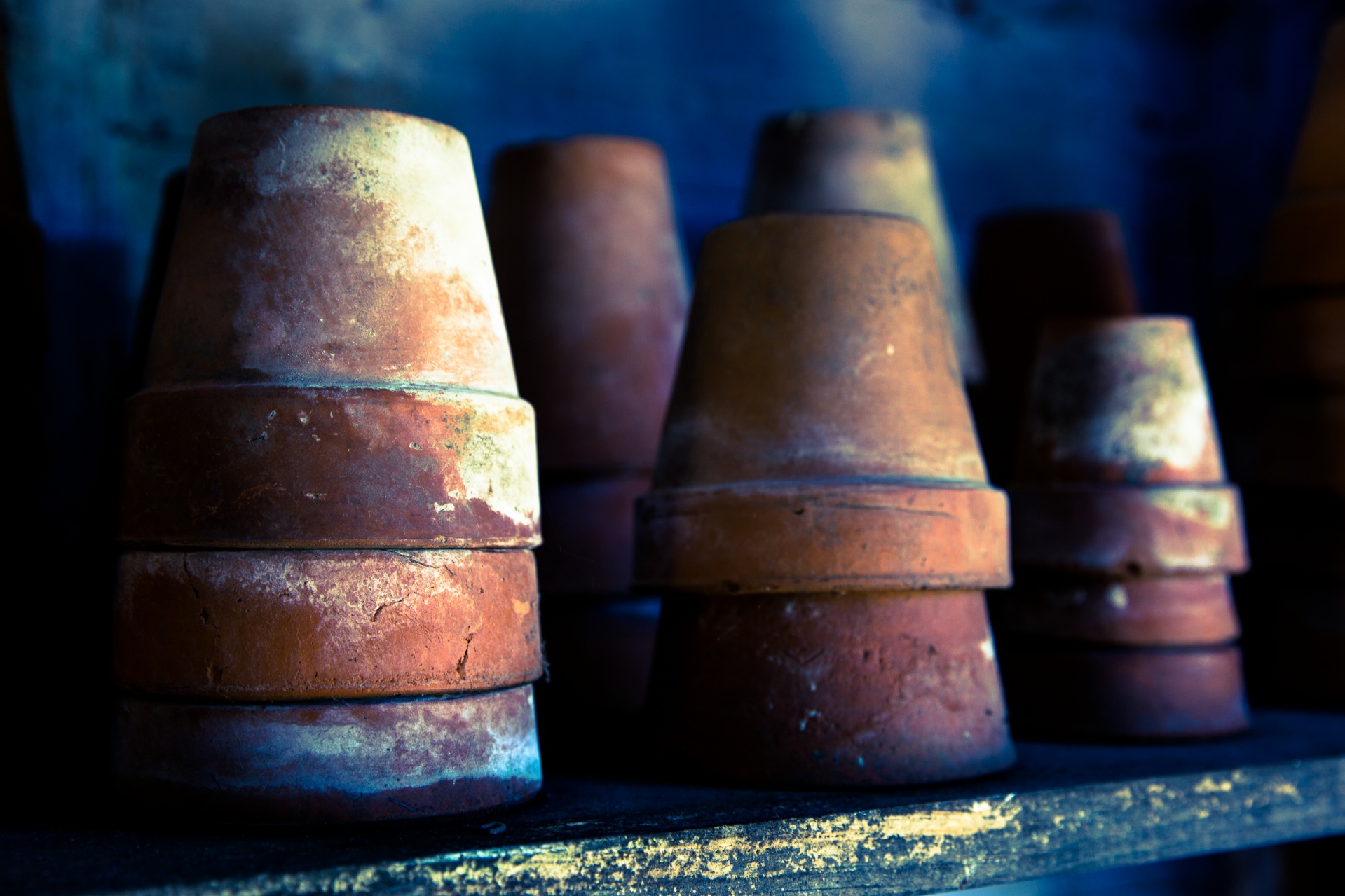
But we have this treasure in clay jars, so that it may be made clear that this extraordinary power belongs to God and does not come from us. 2 Corinthians 4:7
A petite Episcopalian priest and a divorced mother of two share one couch. A retired history professor and editor reclines in a corner chair. Beside him, a pastor’s wife, worship leader and self-described ‘queen of part-time jobs’ sits cross-legged in a stiff Ikea chair. Next to her is another recent retiree, a musician and woodworker trying to get his legs back under him after a lifetime of work in the non-profit sector.
Beside me is a Grandmother with rheumatoid arthritis who works full time in the field of medical writing. My dog, Coco, sprawls sleepily on the couch between us, circuiting the room throughout the day to give and receive her fair share of attention.
We get to know each other over the course of the morning, beginning deep and going deeper still, with each of us likely sharing more than we intended to when the day began and yet finding ourselves relieved and grateful for it. By lunch time, there’s a general sense of excitement and conversation flows freely.
Then, in the afternoon, we share our gifts – by which I mean, the writing we’ve labored over and likely felt more than a little scared to bring to share. One by one we pass white pages with black words printed on them, such deceptively simple dressing for expressions so near and dear to each writers’ heart.
This is when the amazement begins.
The Episcopal priest, weighted down with the church’s good work of Lent and impending Easter, labors daily on the creation of a science fiction novel. More than twelve chapters in already, she shares hopes of adding a prequel and sequel. As we read, a world unfolds (two planets to be exact), double-spaced across several pages and I’m amazed – not because it’s either good or bad, but because it exists at all. And when the time comes for questions and feedback, the woman’s lovely face lights up at each comment and every critique is welcomed as an opportunity to improve, an invitation to communicate more clearly.
This is how it goes for more than two hours. Pages passed around a circle and one by one the people in my living room are revealed to possess hidden treasure that shines and sparkles as they unveil a wide range of words. One writes so eloquently about friendship and music transcending a racial divide, that several readers gasp and tears spring to more than one set of eyes. Another writes a simple and sparse description of her fast from social media and we all find within her gentle words an invitation – what might we do with our hands and minds if we simply had more time?
Each story leaves us, like treasure hunters having stumbled across a rare jewel, longing for more.
“I should’ve brought all thirty pages,” the retired professor says, obviously delighted by our genuine interest in his story.
“I only just recently resurrected this novel,” the single mother says, “I’m not sure when I can commit more time to work on it.” But we all, dazzled by the mystery woven in a few short pages, silently wish with baited breath and pleading eyes, for more.
At the end of the day, there’s a palpable sense of encouragement, as we circuit the room one last time sharing our goals and ‘takeaways’ from the day. Although it’s a writing retreat, it’s been and always is, a spiritual experience for me. I am left with a profound sense of honor and gratitude, not unlike that which I felt entering and leaving the hospital rooms as a chaplain.
Within the human soul is a world of depth, meaning, and wonder – a small glimpse of divinity mirrored in the human being fully alive. Not just some humans possess this gift, we all do. I used to only see the great divide in that verse from Paul to the church of Corinth – the vast disparity between those earthen jars and God’s extraordinary power. But, to read it that way, is to miss the point, at least in part.
Now I see it from another angle – God has placed treasure in these jars of clay and sometimes, on a Saturday afternoon in the middle of March, the moment will be just right for that glorious power to shine forth and it will be all you can do to keep from squinting at the glory revealed as sunlight dances across a room full of diamonds, a gathering of simple, human souls.
This past weekend Andi Cumbo-Floyd and I hosted our annual central PA writers’ retreat. Sign up for my newsletter if you’d like to hear about future events and, if you’re a writer, consider attending our next event June 23-5 on Andi’s farm in Radiant, VA.
Necessary (Required, Needed, Essential)

Necessary adjective
1. required to be done, achieved, or
present; needed; essential.
|
synonyms: obligatory, requisite, required, |
imperative, needed |
I ran outside Saturday morning with scissors in hand and cut
the bright, yellow daffodils blooming at the South West corner of our
house. It’s one of the sunniest spots in
our yard, a small strip of gravel and dirt squeezed between the basement’s
exterior wall and a narrow sidewalk that leads from a side door to the front
porch. These flowers are nearly always the first to bloom on our property.
After a mild winter, we’ve plunged deep into a cold snap and snow is forecast for tonight. Daffodils are hardier than I expect, but I feared the buttery bits of sunshine wouldn’t survive the extended cold, so I broke my own rules and cut the flowers to bring them inside.
In all honesty, I can’t say for sure what day I cut the
flowers, but I’d like to believe it was Saturday. Somehow, in the middle of managing one son’s
sleepover, carting another to the pediatrician and pharmacy, and dropping my
daughter off to peddle girl scout cookies at a local greenhouse, I made time
for the flowers.
I don’t remember whether it was Saturday specifically, but I do remember
bending there at the corner of the house where the sun shown. I remember how quickly my fingers froze
clutching the green stems in the wind and how I pushed myself to cut one more
and then another – not just the open flowers, but the buds just beginning to
bloom. Then, the cold in my fingers drove me inside and I rinsed the stems and stood them in a tall, turquoise vase on
the kitchen windowsill.
I think it was Saturday because I knew my husband, who’d
been working under his truck for 24 of the past 36 hours, wouldn’t notice them. No matter whether I placed them prominently on the kitchen island or tucked them in along with the other bright trinkets on the wide windowsill, he wouldn’t notice them because all of his
energy was absorbed in the the effort of trying to save his rattletrap, red pickup
truck. The necessary repairs were what left me to handle the rest of the weekend’s demands.
When he stood in front of the kitchen sink that afternoon, with his back to
the window, and told me, near despair, that he thought he’d ruined the truck’s
engine, I told him – calmly and rationally, but not helpfully – that we
couldn’t keep ‘doing this.’ By ‘this,’ I meant trying, through pure elbow grease and
ingenuity to turn a sow’s ear into a silk purse. All through that tense conversation, while we wrapped our minds and wallets around the possibility of needing to buy a new vehicle, the happy flowers stood
calmly just over his shoulder in their tall blue vase.
At least that’s the way I remember it.
Later, it seemed the truck would be ok after all and it felt like an evening of letting down in front of the TV might be in order. But, we went to bed at 8:30 anyway, because sometimes necessary can be exhausting and we were already losing an hour of sleep that night by springing forward.
This was a weekend of necessary things. Demands on my time,
energy and focus hit, one after the other, in a steady stream. I carefully plotted pick-ups and drop-offs
with our one running vehicle. I put one
meal after another onto the table, like a magician pulling one rabbit after
another out of a hat. I even stayed home
from church Sunday morning to run to the grocery store because we were out of all the necessary items.
And still, this morning, dirty and clean laundry sits in
piles awaiting my attention. The chicken
food purchased yesterday must be pulled out of the van, into the garage and
distributed into the feeders. Wood must
be hauled before the big snow storm descends, the floors, covered in crumbs and
dust from the wood stove must be swept.
At times like this, it feels like the necessary things will never end, like they
will squeeze and squeeze the breath out of each and every day until our breath
is gone. But somehow, today, I’ll find time to pause and pet
the dog where she sleeps curled beside me on the love seat. I’ll hug the cat, the kids, and tell them
they are loved. I’ll run outside, once
more, and cut what flowers still remain on the bright, sunny corner of the
house. And when the snow begins to fall tonight, those bright blossoms will still be blazing gently, quietly, in the kitchen whether we pause to notice them or not.
Remember the Real
“Contemplation is a long, loving look at the real.” – Walter Burghardt
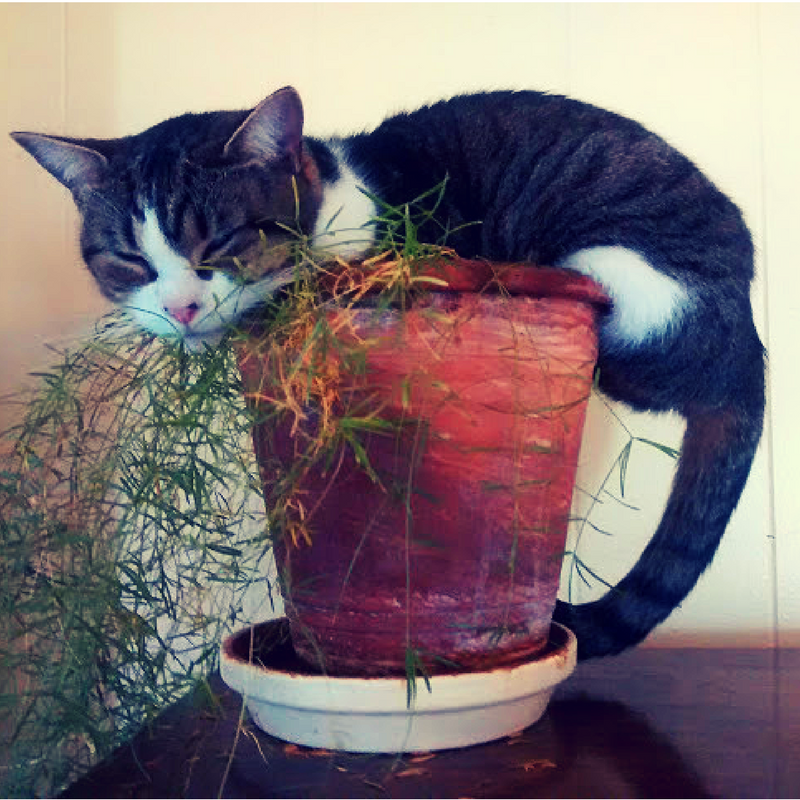
This is the first winter our female cat Perfect has spent downstairs in our house. After the arrival of our dog in the spring of 2015, she confined herself to the unheated upstairs of our house and endured the entire winter of 2016 in frigid seclusion. This, then, is the first winter in a long time that she’s been truly warm.
For days on end, after creeping downstairs and courageously concluding that the dog might not eat her after all, she slept in the corner behind the stove, moving slowly in and out of a heat induced coma. Once the residual cold was finally cleared from her body’s memory, she edged away from the stove and started sleeping on the top of a bookshelf and then, finally, settled on the top of my asparagus fern.
The first time I saw her there, I took a picture, because my daughter’s first kitten – Tiger – slept there too before she died an untimely death in the jaws of our neighbor’s hunting dog. It seemed a strange coincidence that Perfect – Tiger’s replacement – would then find her way to sleeping in the same planter some two years later. I took a picture to show my daughter when she arrived home from school, not wanting her to miss it, but then Perfect took to sleeping there regularly and I became increasingly fascinated by her commitment to such an obviously ill-fitting perch.
Tiger was a kitten when she slept on the fern and I have a picture of her tucked in behind the plant’s fine green fronds. Perfect is two to three times bigger than Tiger was, and yet she seems deeply invested in the idea that she fits in this planter. All day long she sleeps on top of it with her back-end hanging precariously off the edge as heat from the stove nearby swirls up around her.
“Look at Perfect,” I say to the kids and my husband, marveling at her persistence. Later I ask, “How can she even sleep that way? There’s no way her body’s fully relaxed.” And yet she stays, committed to the idea (do cats even have ideas??) that she fits and therefore committed to the discomfort of sleeping there.
Observing the cat, I can’t help but think of my own willful obstinance, my tendency to – at times – ignore the realities of life, even at the cost of my own discomfort. How often do I ignore the truth of my own limits – spiritually, physically, financially? How much time and energy do I waste ignoring the truth of any given situation?
This has been one of the major growth points for me in the past five years – the invitation to accept reality as it is. Mine is a personality gifted with ideals and vision and, with that vision, comes the temptation to live at odds with reality – the refusal to accept what is. And yet, every journey only begins where we are. Anywhere other than reality is not solid ground, it is fantasy that leaves us precarious at best (like the cat with her hind end hanging off of the planter) and in grave danger at worst. Over time, I have discovered that fear is most often what keeps me invested in illusion and freedom is the biggest gift that comes with returning to reality.
There are a couple of phrases I hold onto to help in me when I find myself wandering away from what is real and investing in illusions either about myself, others, or the world around me. One is, “Remember the Real” and the other is the simple concept of “Return.” The more I live in the truth of what is, the closer I find myself to God. The more I engage what is with a loving, honest gaze, the more I find myself positioned to live and love well right where I am.
What ways do truth and illusion impact your life? How does looking at reality with a ‘loving gaze’ impact your willingness to accept what is?
Ignored, Dismissed, Insulted

Jesus left that
place and went away to the district of Tyre and Sidon. Just then a Canaanite woman from that region came
out and started shouting, “Have mercy on me, Lord, Son of David; my daughter is
tormented by a demon.” But he did not answer her at all. And his
disciples came and urged him, saying, “Send her away, for she keeps shouting
after us.” He answered, “I was sent only to the lost sheep
of the house of Israel.” But she came and knelt before him, saying, “Lord,
help me.” He answered, “It is not fair to take the
children’s food and throw it to the dogs.” She said, “Yes, Lord, yet even the dogs eat the
crumbs that fall from their masters’ table.” Then Jesus answered her, “Woman, great is your
faith! Let it be done for you as you wish.” And her daughter was healed
instantly. Matthew 15:21-28, NRSV
(I preached on this passage yesterday in church and continued learning about the passage during and after our service.)
A man approached me after church while I was tucking my
sermon notes back into a folder.
“There were three words you used that really
struck me,” he said, “Can you remind me what they
were?”
I looked at him, a solid man, my height and balding, a good
ten years older, perhaps. He was one of
the few in the congregation I didn’t know well and while I spoke he had
alternated between lowering his head, eyes fix on a spot on the carpet in front
of him, and looking at me with grave concern.
It was easy for the anxious, insecure preacher in me to imagine him
disagreeing with the entirety of the sermon or, more simply, disapproving of a
woman in the pulpit.
“You said three things that happened to the woman,” he said,
“real succinct.”
Lowering his reading glasses from where they were perched on
top of his head, he peered over my shoulder while I rifled through my notes
looking for the line I guessed he had in mind.
Finding it in my bare bones notes I pointed and he nodded and read aloud,
“Ignored, dismissed, and insulted. That’s
really all there is, isn’t it?”
At first I thought he was referring to my sparse notes, then
I realized he meant that the woman in the passage pretty much experienced the
sum of what we humans can do to each other.
“Thanks,” he said, raising his reading glasses again and
shaking his head as he walked away.
//
I started the sermon portion of the service by reading the
passage three times, pausing for a brief silence between each reading. “Try listening with your eyes closed,” I
said. “All you have to do is pay
attention.”
After the reading, I invited the congregation to share their
impressions of the passage – what did they notice, who did they relate to, and
what were they curious about? Every time
I start a sermon this way, the congregation identifies almost every single one
of the relevant issues in the text, often outlining the relevant points of my
sermon for me with hardly any effort at all.
I guess maybe that speaks to the power of crowd-sourcing, but I also take
it as a sign that people are much more capable of reading the bible than they
think and that every good reading of a passage begins with a lot of questions
and a little confusion.
During our discussion, one man in the back mentioned how
struck he was by Jesus’ response to the situation – that Jesus seemed to allow
the situation to unfold in front of him and waited before making a definitive
judgment.
This is one of the things I would identify as a positive
later in the sermon too – Jesus listened to the woman despite seeming to be
pretty clear about wanting nothing to do with her. Because Jesus listens, the Canaanite woman is
able to insert a new perspective into the conversation, one that makes room for
Jesus to recognize and respond to her faith.
//
I thought about all of this as my husband drove us home with
the kids squabbling in the back of the van and my head pounding from sinus
pressure. “Ignored, dismissed, insulted.” I thought about the Canaanite woman’s vision,
the way she shifted the conversation away from the position of those at or
beneath the table to the meal itself which was so abundant it couldn’t help but
overflow beyond the table’s borders.
Riding home I thought about the people in our world who
possess a greater vision, those who are willing to push against status quo and
shift the level of conversation into a wider more productive space. These people are, most often, outsiders,
people who for one reason or another have been relegated to the outskirts of
society. But their exclusion, painful as
it is, often comes with the gift of perspective – positioned on the outside
looking in, they often see beyond what is to the possibilities of what might
be. Lacking the benefits of insider
status, outsiders like the Canaanite woman are often willing to risk more in
order to attain a more inclusive vision and they’re not the only ones to
benefit from it.
People like that are often ignored, often dismissed, often
insulted. But I wonder what it would be
like if we were to be a bit more like Jesus; if we were to pause a little more
and listen more often to an outsider perspective, if we were to refrain from
ignoring, dismissing and insulting.
When Jesus listens to the Canaanite woman he discovers ‘great
faith’ in a place where no one would have thought to look. I hope I can learn to listen more to people
with outside perspectives and I also hope I’ll continue to push beyond the
risks to share what vision I’ve been given. At times like this, when people are so
divided and arguing over a place at the table, we need a broader vision more
than ever.
The Hard Words (Like Water on Stone)

I’m preaching on a difficult passage of scripture this Sunday, one I would not have chosen. This rough poem arrived mid-week as I found myself wrestling the text. Frustrated, I stopped to reflect on what I was doing and found myself invited to let the word do its work in me. Sometimes we have to trust that the hard things also might bear fruit if we are willing to be present and vulnerable with them. * I have to give credit to the show 30 Rock for the term ‘mind vice.’
When the passage assigned
is hard and sharp,
solid, like stone,
I try to crack it with
my mind vice. Stuck,
I also apply the pressure
of commentaries – three –
each striking from different
angles. And when the passage
fails to yield (does it ever yield
under such force?) I turn it daily,
in my head, like a rubix cube. I hunt,
like the woman who’s lost a coin, for
a key to unlock the good news hidden
within.
(Too often, I am merely looking
for comfortable news, rather than good.)
When I wear myself out, when the words
wear me down, I decide at last to let it be.
I am the one who yields, who accepts, that I
have been given these words, not others.
Then the passage works on me, like water
on stone until I am cracked open and somewhere
in the cool, dark, earthen heart of me the gospel
seed is planted and takes root.
Gumption (Initiative, Courage, Spunk)

(now THAT’S a moustache . . . )
(Lately, I’ve been having fun playing with words that strike me and writing a little about their definition and use. I love words. This post is an old one tweaked from the winter of 2012, back when I had three littles at home and drove my oldest to school every morning. It was a challenging time, to say the least.)
Gumption noun
1. initiative,
aggressiveness, resourcefulness
2. courage, spunk, guts
Gumptious adjective
See above definitions.
Every day, while driving
my daughter to kindergarten drop-off in a van stuffed with four children
that I’d wrestled, wrapped and carted out one-by-one, I saw him. Sometimes it was on the way to school,
sometimes on the way back home, but always, he appeared on the edge of the
horizon; regular, predictable, like the sunrise.
I found him consistently
fascinating.
He ran along the side of
the road with a loose, loping gait.
Drooping athletic pants swayed as he pressed forward, one step at a
time, his arms bent, hands in front of him. A hat, or more often a white visor,
and white gloves completed his attire.
But the thing that struck
me most was his moustache.
It takes a certain kind of
moustache to attract the attention of a driver passing by with a van full of
noise and need at twenty miles an hour.
Maybe you can picture it without me having to draw it out in fine detail,
but I will tell you it was brown and heavy yet, well-trimmed.
He was a regular Tom
Sellek, my mustachioed man.
Something about his
regularity, the predictability of this sighting, this crossing of paths pleased
me.
That, and his
moustache.
It takes a little gumption
to sport a moustache like that, don’t you think? And I guess there are times when we
could all use a little gumption.
When’s the last time you noticed someone’s gumption or displayed a little gumption of your own? I’d love to hear about it!
Love Leads (Let Us Follow)
(In honor of Valentine’s Day, I’m sharing a post on the topic of love each day this week. Today’s post is from fall 2015 and looks at the way love can lead and open doors. When our own love is worn and lacking, we can always lean on the love of another.)
In the rush between dinner and dessert, in the harried press to Get-These-Kids-to-Bed, four-year-old Isaiah remembers.
Running through the house, he shouts, “Guys! We need to do our yeaves!”
//
My family is growing leaves again this Thanksgiving.
Last Tuesday I cut contact paper into the shape of a large, barren tree and stuck it to the wood paneled wall in the living room. Then we cut a bowl-full of leaves. Every evening we each write what we’re thankful for on a leaf and stick it to the tree. By Thanksgiving the tree will be full and green, vibrant.
//
Isaiah doesn’t remind us to do our leaves because he’s so very grateful. Most of his leaves proclaim anticipatory gratitude for the handcuffs he hopes to receive for Christmas (heaven help us). He reminds us because after the note’s written, he gets to color his leaf and Isaiah is a big fan of coloring. He’s been known to spend a whole afternoon coloring at the kitchen counter.
He loves it. And his love leads us, even if it has nothing at all to do with gratitude.
That’s the way love is.
Love opens doors, makes way, and helps us remember what we set out to do, who we wanted to be, when we ourselves have forgotten. And if we don’t have enough love of our own, all we need to do is follow someone else’s, to sit for a while in the glow of their passion and delight.
I don’t love coloring like Isaiah does, but his love for it cuts through the evening rush, spurs memory and reminded, we follow in its wake.
Love That Carries
He’s tall and burly, like someone who played football in high school. Gray-haired, with some extra weight around the middle, he carries his daughter to school wrapped in a blanket every day through the long winter months.
I saw him this morning, as I do most mornings, walking back toward home as I waited in the drop-off line with my van-full of kids. He walked down the sidewalk toward me with the now empty blanket draped casually over his shoulders. It looked to be a quilt made of the sort of colors that bring to mind a Winnie the Pooh motif, a baby blanket, maybe.
Most days, I’ve noticed him, and most days I’ve thought, “Really, you carry her?” There’s part of me that still thinks it’s a bit much – his daughter’s in first grade at least – but today I saw it differently.
Today I recognized the value – the depth – of a love that carries.
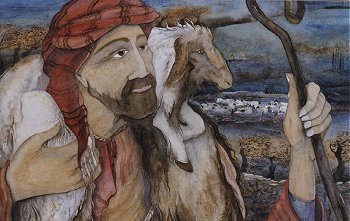
Grown men don’t often walk around with baby quilts draped over their shoulders, but this one does, and as I write I’m reminded of those pictures of Christ the good shepherd walking with a lamb draped over his shoulders. In those pictures that lamb is you, is me, is us – we who’re being carried, wrapped in those incarnate arms of love.
I wonder whether his daughter will even remember the way she was carried each frosty, breath-catching morning. Maybe she won’t and certainly a day will come when she says, “No more.” But slow-dancing in the kitchen with one of my bitty-boys on my hip, his head tucked into my shoulder, I know the truth, that being held, being carried, shapes us deep within in ways that can never, ever, be forgotten.
Outlaws and Rebels, Every One
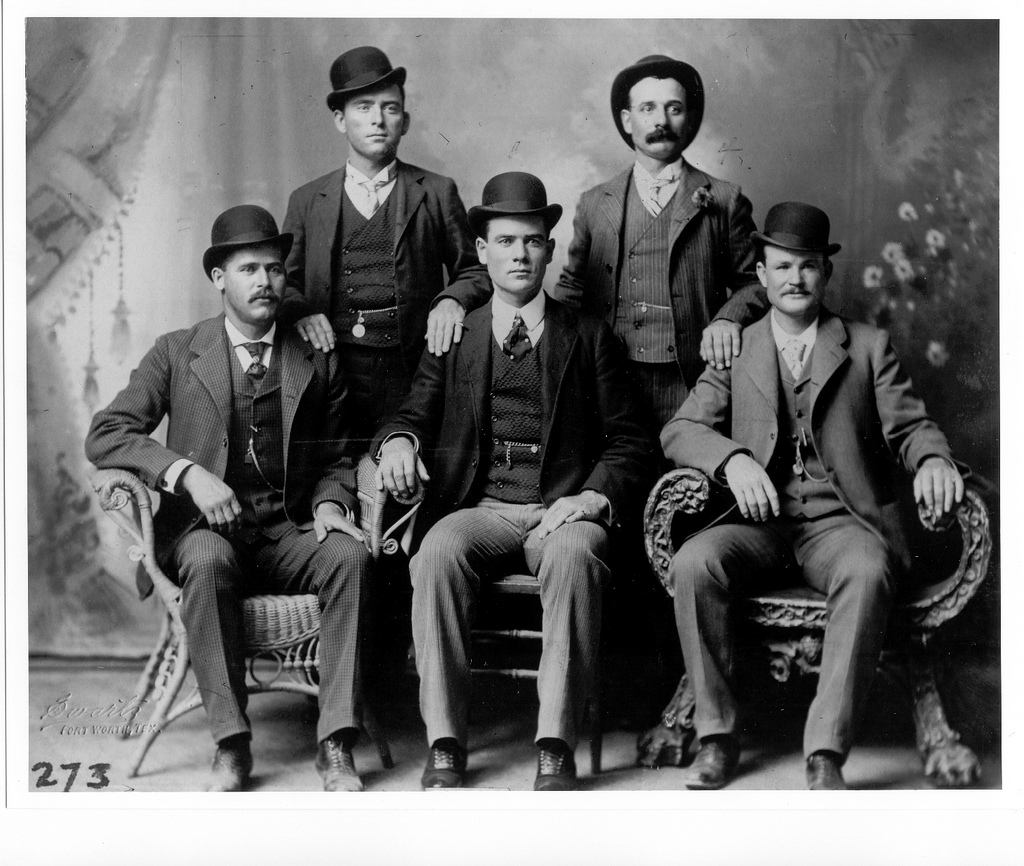
Butch Cassidy and The Wild Bunch (Photo Source)
(To celebrate my new web page and in honor of Valentine’s Day, I’m re-sharing some old posts this week focusing on the topic of love. Today’s post is from February 2013. Stop back tomorrow for another look at the many ways love finds us.)
* * *
“They crucified two rebels with him, one on his left and one on his right.” Matthew 27:38
* * * * *
My 18 month-old twins saunter through the house with swaggering bravado like two black-hats straight out of the lawless west. Working together, they form a mafia-esque crime-ring, a rebellious conspiracy against law and order and decency. Trafficking in black market goods pilfered from the pile of floor-sweepings in the kitchen corner, they gather on the back of the love seat, perched in the window to inspect and trade their haul.
They rip the heads off of their sister’s dolls and leave graffiti on the living room walls and every time I kneel to zip Isaiah’s coat, Levi circles around behind me and roots through my purse. A gifted pick-pocket, he snatches my wallet and phone with such speed, stealth and precision that even I, the victim, have to marvel.
When one is finally caught red-handed, and placed in solitary (ie. the corner) the other comes quickly to the rescue, crouching down beside him, chattering what I imagine are plans of daring-escape and revenge. Like true accomplices, though, they quickly turn on each other when caught together at the scene of a crime – a mutually enjoyed destruction turns all finger-pointing and tears when the fuzz shows up.
The other day I watched Levi running through the house with what appeared to be a little shiv. It sported a jagged, plastic tip and looked capable of inflicting real harm, so I quickly confiscated it, tossing it into the trash.
As we lay in bed at night, my husband and I hear a “scritch, scratch, scritch” on the bedroom wall near our heads. Levi’s crib sits just on the other side of the wall, so we sleep head-to-head, divided only by a few thin inches of plaster. We tell ourselves he’s rubbing the nubby bottoms of his footed pajamas against the wall, but as I lay listening late into the night, I think of that little shiv and wonder if he isn’t tunneling his way to freedom one tiny scratch at a time. I picture him tumbling through into our bed some night, his face full of surprise and delight to find us there waiting.
These boys are outlaws, I tell you. Even so little, so cute, they have a rap sheet a mile-long. Looking at their round faces, their hair all downy-fluff, I’m reminded that we’re all thieves, all outlaws of one sort or another, every last one of us. We’re all Davids and Delilahs, Judases and Peters, bent on greed and self-preservation. We’re all convicted, but not condemned, chiseling our way toward freedom, one tiny crack at a time, until at last we fall through the walls built of our own resistance. Imagine our faces, then, full of surprise and relief to find ourselves landing in the lap of a love so wide and deep even our darkest sins can never exempt us from its reach.
Love is Vertigo (a falling, floundering thing)

(To celebrate my new web page and in honor of Valentine’s Day, I’m re-sharing some old posts this weeks focusing on the topic of love. Today’s post was shared on Valentine’s Day 2013. Stop back tomorrow for another look at the many ways love finds us.)
I turned to see my two and four year old children driving their yellow, battery-powered, Corvette through our small, cramped living room. I stood in the doorway between rooms, interviewing a potential babysitter, nanny when I looked up to watch her watching them drive by. We were in the process of moving our older two out of daycare and hoping to hire someone to provide care in our home – the news that I was pregnant had finalized the decision.
The incredible discovery that we were expecting twins had turned our world on its head the week before and, as I stood there talking, it still felt to me that our world was tilting, spinning out of control. In that moment, the picture of our children driving through the house in a car that took up a third of the length of our living room struck me as both absurd and entirely appropriate.
It was then that I knew we had fallen or were falling, though toward what I did not know. The incline was steep and the sensation would not end, still has not ended, even now some two years later. What I could not understand then that I do now is that what we were falling into was love, a deeper and wider love than we knew was possible.
* * *
When I started dating the man who would become my husband, we would sit on opposite sides of the college cafeteria with our different groups of friends and make googly eyes at each other from across the room. Whenever our eyes met there was a spark of electricity that spanned the distance and threatened to throw us off of our chairs if we didn’t glance away with speed.
Later, when he studied in Oregon for a semester and I traveled out to visit, we spent an evening in Portland exploring, but all I remember is sitting together on a bench in the midst of the city. I looked into his eyes, two deep and gentle brown pools, and felt myself falling, head-long, heart over heels.
* * *
When my daughter, my oldest, was born after months of waiting and reading, planning and anticipation, they placed her in my arms and I looked into those small dark eyes and felt a sudden and surprising moment of recognition. It was an aha moment, a coming home and we sank into each other like two lost souls, like two lovers clinging as we plunged into life together. I fell hard, as I have for every baby since.
* * *
Recently, I interviewed yet another babysitter. The moment she walked in the door, my four year old pulled her into the hallway to see our new climbing wall.
“A climbing wall . . . in your hall,” she said, “interesting.”
I felt the same old sensation, the realization that we had fallen, are falling still, head-long into our love for these lives that have sprung up among us. We are off-kilter, leaning hard into love and our home and our hearts are showing the expansion, the wear-and-tear of it all.
Love, my friends, is a falling, floundering thing. To love another, to be in and for love, is to consent to live continually off-balance. Love is a leaning, plunging leap, a heart-pounding lunge that leaves your stomach in your throat and the only danger is that we would come to prefer the safety of solid ground over this sensation of continual plummet.
To me, this is the only way to explain God coming to live among us, God looking, leaning down toward humanity. God so loved the world that he leapt and fell in among us and in his falling for us he freed us from the fall, for the fall, and the taste is born in us for love – for leaping, falling, floundering, foolish love.
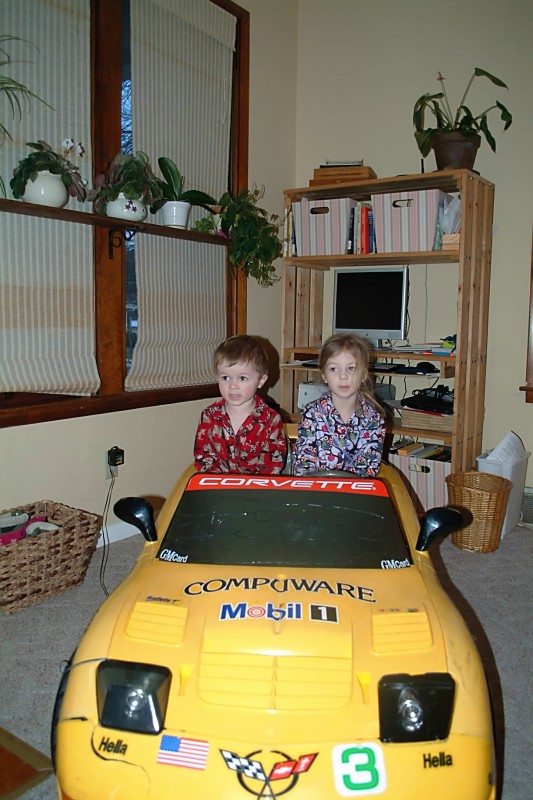
Christmas morning 2010, the Corvette we found for $25 on Craigslist.
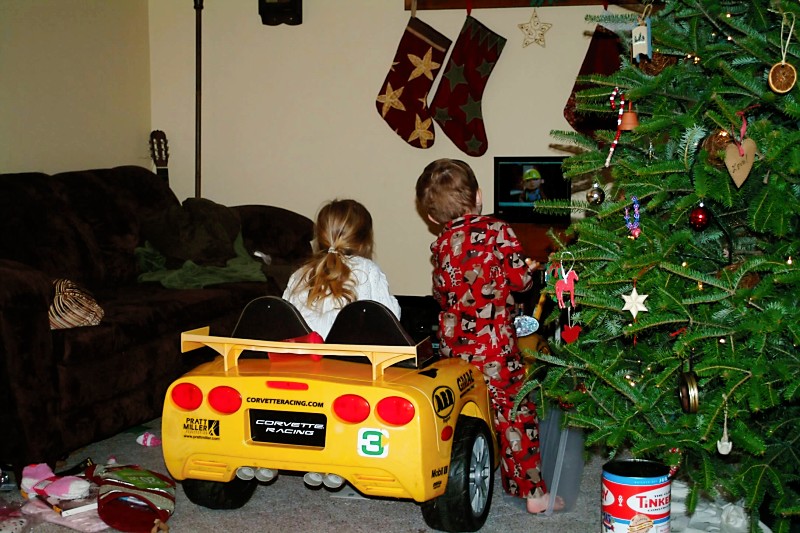
Sitting in the Corvette, watching Bob the Builder.
Books
Between Heaven and Earth (poems)
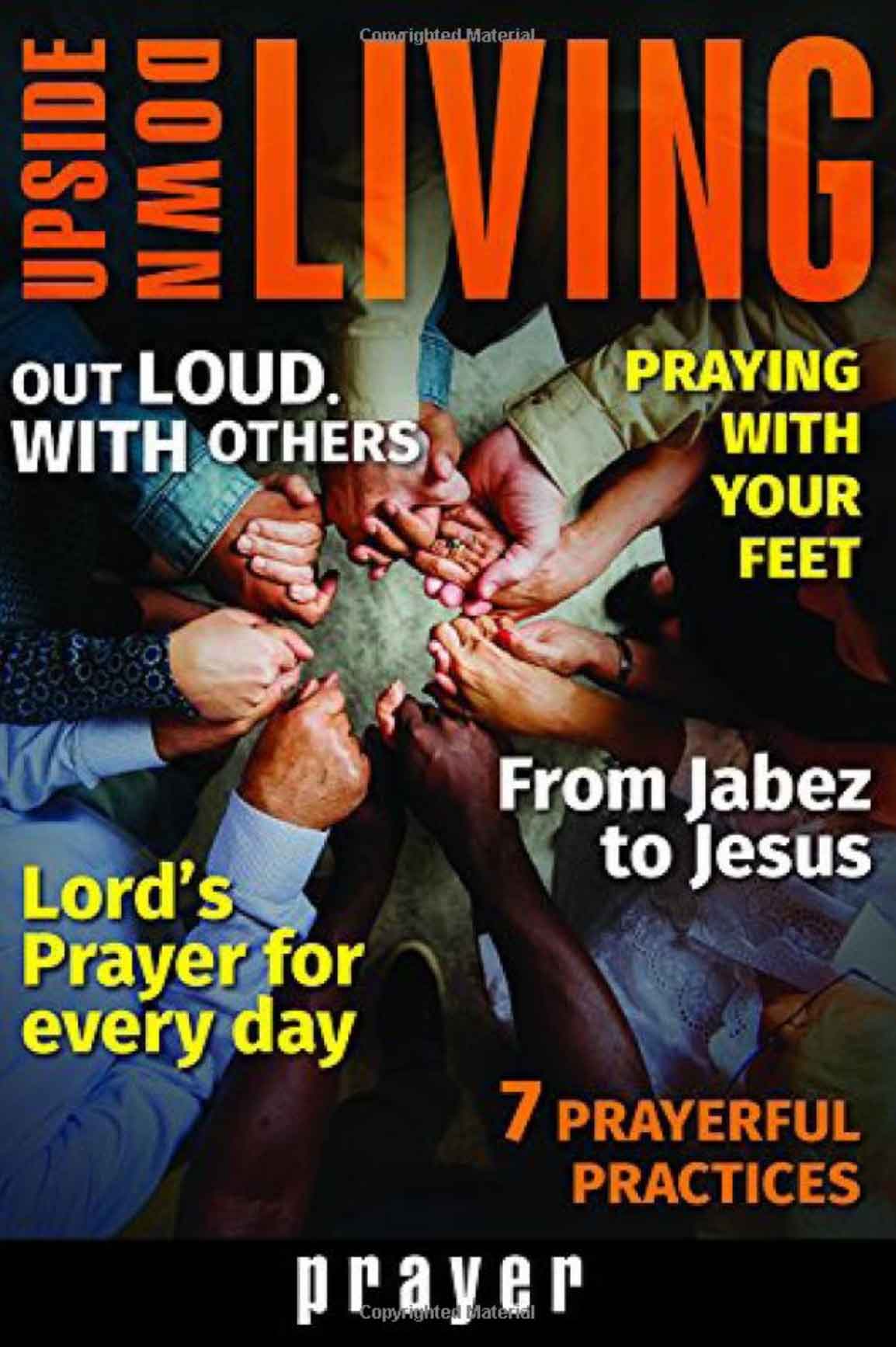
Prayer can easily become an afterthought, a hasty sentence, a laundry list of all the things we want. But what if prayer is a time to find out what God wants for us–and for our world? What does it mean to pray that the kingdom would come here and now as it is in heaven? Explore these questions in this study, and learn prayer practices that nurture intimacy with God and sensitivity to God’s dream for the world.
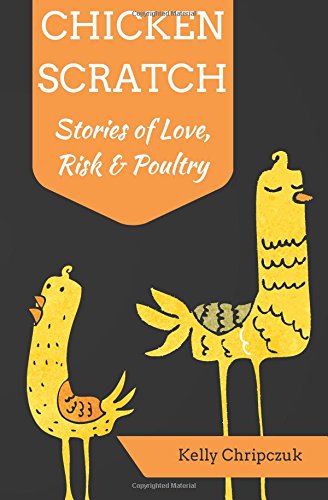
Follow this writer, spiritual director, and mother of four as she dives into the deep end of chicken farming and wrestles with the risks and rewards of living a life she loves. At turns hilarious, thoughtful, and always compassionate, Chicken Scratch will change the way you see the mess and chaos involved in living life to its fullest.
