
Essays
Honey Bees in Advent

Each bee senses that
her one obligation is to give the smallest motion of her flight muscles to the
collective work of keeping the queen and the colony’s honey stores warm. The whole hive knows they survive only if
they shiver together.
Some of them in the
shivering cluster will die of old age.
Had they hatched in the flowering season, their labor for the hive’s
survival – harvesting nectar and pollen from as many as two thousand flowers a day
– would have killed them in four weeks or less, their wings worn to
nubbins. But hatched on the cusp of
winter, they may live six months. They will
know only the dark hive, the press of their sisters’ bodies. They will never fly, never fall into a
flower. They give their lives to
shivering together in the dark, the tiny repetitive gestures of each, added
together, a music beyond our hearing, sustaining a future for the community.
– from “Honey Bee” in All
Creation Waits: The Advent Mystery of New Beginnings by Gayle Boss
My kids buzzed around the dining room table covered with a crowd
of mismatched candles. Darkness deepened
outside the window and the wood stove breathed its warm breath in the far corner
as we read Gayle Boss’s description of how honey bees endure winter.
The bees, huddled in the hive, ‘shiver’ their tiny flight
muscles, located just above their wings, to create life-saving warmth.
“One honey bee shivering her flight muscles does not make
much heat. But twenty thousand, huddled
together, shivering, can keep the queen and the colony’s honey supply at their
core a tropical ninety-two degrees Fahrenheit, even as blizzard winds, inches
away, flail. . .”
Wow. This was
impressive, we all agreed. But then,
Boss went on to describe the bees, “hatched on the cusp of winter” who will,
quite possibly, never see the outside of the hive. Those bees that “give their lives shivering
together in the dark.”
“What?!” we said. “Can
you even imagine?” we asked.
Then we prayed and argued (as always) about who would get to
blow out the candles.
//
This past week –
between an ailing car, a dying washing machine, and some questionable medical
results – we had our own little season of stress. It felt like winter was here
and, with it, darkness both deep and wide.
My husband and I wondered how to keep our hope, our faith, from freezing
over while the ordinary blizzards of life beat against our little hive.
Messaging with our Pastor, he mentioned the passages for Sunday’s
sermon spanned five hundred years between Isaiah’s prediction of salvation and
John the Baptist’s proclamation. “God delivers,” he wrote, “just as promised .
. . five hundred years earlier . . .”
//
This is what I thought of when we read about the winter bees
– all those people, shivering together in darkness, keeping faith alive in the
hope that someday hope would become reality.
Five hundred years of generations lighting candles, telling stories,
waiting, watching for the moment when the world would tilt toward new rays of
light and life.
I thought about my own faith, so quick to cool when the
waiting is long, so short-sighted and dependent on knowing in the here and
now. What can I learn from those bees,
made for spring breezes and blossoms?
Does the dream of a future they cannot even imagine and will never taste
keep them alive? And, just as important,
who is shivering still, in the darkness now?
How can I partner with those still waiting, working, for light and life
that has come and is still yet to come?
//
Our winter passed fairly quickly – a friend delivered a
washing machine this Monday and I did up the waiting piles of laundry with a welcome
sigh of relief. John’s sister and father
worked together to gift us with a new-to-us car, one much newer and nicer than any we’ve ever owned.
Crisis averted, thanks be to God.
Still, I think about those bees, and the reply I sent my
Pastor last week. “I’ve been thinking,”
I wrote, “that faith is something like the belief that everything will turn out
better than you thought it could, but different than you expected, coupled with
the acceptance that the thing you have been longing for, the thing you hoped
for most, may not happen in your own lifetime.”
I imagine there were times (and are times still) when this
description of faith would not sit well with me. As an intellectual prospect,
it seems both valid (biblical) and also terribly unsettling. But faith is rarely warmed by intellectual
assent. When I wrote those words to my Pastor, I knew them to be true, by the golden glow of something deep in my
heart. Like the bees, I know now this is
my job, to give my life to keeping that golden center warm and soft, no matter what the weather may bring.
Mistaken Identity, Poetry and a Secret

Twenty years
ago, Naomi Shihab Nye’s poetry collection, Red Suitcase, came across the
check-in desk at the library where I worked. Captivated by the
cover, the title, I flipped through, checked the book out, and wrote down two poems
I’ve carried in my head and heart ever since.
One was, Shoulders, which I comeback to time and time again; the other was Valentine for Ernest Man, in which
Nye tells a secret.
“Poems hide,” she says:
In the
bottoms of our shoes,
they are
sleeping. They are the shadows
drifting
across our ceilings the moment
before we
wake up. What we have to do
is live in a
way that lets us find them.
The poem
goes on to tell the story of a man who gave his wife two skunks for Valentine’s
day. His wife is upset at and he is at a loss to understand her tears. The poem continues, offering the reasoning
behind his strange gift.
“I thought
they had such beautiful eyes.”
And he was
serious. He was a serious man
who lived in
a serious way. Nothing was ugly
just because
the world said so. He really
liked those
skunks. So, he re-invented them
as
valentines and they became beautiful.
At least, to
him. And the poems that had been hiding
In the eyes
of the skunks for centuries
crawled out
and curled up at his feet.
//
I also want
to tell you a secret, not that you asked, but here you are: Poets hide too.
//
After college, I attended what my professors told me was
one of the best seminaries in the country.
I got good grades – great grades, in fact. I even got an A in theology. But, in our weekly precept gatherings, I had
an often repeated, strange experience.
Ten or so
students sat in a circle. Led by a sleepy
doctoral student, we discussed the week’s readings. Questions were asked, comments made, and time
passed in a smooth flow of conversational give-and-take.
I read the
texts (mostly, I mean, skimming is, in my book, completely acceptable when it
comes to several hundred pages of Calvin and Barth). I commented too, I raised my hand, opened my
mouth, and spoke. Often, without fail, while
I talked, the room turned oddly silent.
Students stared. I felt I must be
speaking a foreign language. I became
self-conscious and my comments withered on the vine. After I finished speaking, the room held a
weighted pause. Then, a grunt, or
someone’s shifting in their chair cleared the air and conversation resumed,
often in another direction completely, as if I’d never spoke at all.
Maybe I’m
over-dramatizing for effect?
That could
be true, but all I can say is, that’s how it felt to me.
Back at our little apartment in the evening,
navigating the slim hallway of our kitchen, I explained the experience to my
husband. “It’s like my words are lead
balloons.” Gesturing with my hands, I clarified,
“I launch them up, out, and into the room.
They should float, like butterflies or leaves, but instead they land in
the middle of the circle with a thud.
Then everyone looks around awkwardly before moving on.”
We laughed
and let it go.
Fifteen
years later, I repeated the story for a friend.
“I didn’t quite fit in,” I said.
“Oh, my
gosh, of course you didn’t fit in,” he said.
“You were a poet among mathematicians.”
A bell went
off in my head, my heart, it rang all the way down to my shoes. He was right.
I was speaking a different language.
//
I’m sure I
wasn’t the only poet at Princeton Theological Seminary, in fact I’ve met a
handful in the years since graduating. Thankfully,
the experience wasn’t scaring since my grades helped counter-weight the sense
of not fitting in; what I was left with was more of a sense of a question mark
hovering over my head. What I was
experiencing – me, a serious woman, who lived in a serious way – was a case of
mistaken identity.
//
Some time
ago, I fell in love with The Story of
Ferdinand. The story of Ferdinand is a story of mistaken identity – because
of his great size, and an unfortunately timed bee sting, everyone is convinced
that Ferdinand is a prize fighter.
Ferdinand is carted off to the bull fight ring in Madrid, but his
actions there give everyone – from the Benderilleros to the Picadors and
Matador – pause. Ferdinand, who has
always loved sitting quietly, smelling the flowers, sits down in the middle of
the bull fight ring, completely absorbed in smelling the flowers that have
fallen from the lovely ladies’ hair. The
crowd is disappointed, the fighters are disappointed, and Ferdinand is taken
back home where he sits quietly, smelling flowers, and “he is very happy.”
In this
analogy, I suppose, seminary is the bull fighting ring and I led myself there
and did my best to fight in the circle I was given, but, still, when I thought
no one would hold it against me, I made handbound books with watercolor
illustrations, I wrote creative nonfiction, I colored outside the lines.
I’ve grown
less and less fond of labels over the years, because of the way they so often
restrict and confine rather than opening and inviting. But for some time now, I’ve been trying
‘poet’ on for size and, when I need to find permission to bring all of me to
the task at hand, I slip the title “Preaching Poet” or “Artist” on for size.
//
This week,
as I launch my first little poetry book out into the clear, blue, winter air,
I’m thinking of the man who gave his wife skunks for Valentines, the way he saw
that “nothing was ugly, just because the world says so.” I’m thinking of the courage it takes to be
who you are, in a world where fighting is more valuable than smelling the
flowers. I’m thinking poets, like poems,
hide and present themselves in strange guises and all it takes is the patience,
the willingness, the nerve, to live in a way that lets us find them.
________________________________________________________________________________
Hot off the presses! My poetry book is available now, just $9.99 on Amazon. Stop by, check out the reviews, and order one or two for Christmas.
“A poetry book for people who don’t read poetry.”

The Year of Failure
“I’m tempted to declare 2017, The Year of Failure.”
This is what I messaged to a friend minutes after opening a
long-awaited email informing me I was no longer in the running for a coveted job. My emotions were high;
melodrama rose with ease. Looking back
over the year, I identified a series of significant failures that lined up
month after month in a neat and tidy row:
• the book proposal and draft I spent months writing and was
rejected.
• the library job I thought would be a good long-term fit, but
wasn’t.
• the chaplaincy job I spent two months applying to
and interviewing for and didn’t get.
The longer and harder I looked, the more failures I
found. Each failure represented energy
spent without any easily identifiable reward; each failure was followed by a
significant period of disorientation.
Why not chalk it all up as a miserable, frustrating disappointment?
Slapping a label on the entire year offered a tempting satisfaction,
and the word ‘failure’ simmered with an oddly appealing blend of self-pity and
shame.
I’m not accustomed to failure.
Partly because I’m amazing (wink wink), but mostly because I
avoid significant risk like the plague.
If you only ever attempt what you know you can accomplish, failure is rarely
an issue. But, then again, neither are
surprising successes or the experience of being comforted and carried by those
who love you anyway after a difficult fall from glory.
My friend replied, “Oh, I’m sorry. That is so hard.”
She didn’t push back.
Her response left space for me to move around a bit, and I quickly
realized other names might apply to this year as well. Like, The Year of Risk-Taking, for one. Opening myself to the possibility that other labels
might just as easily apply helped me identify my real struggle: I wanted to understand what had happened and to
know whether my energies had been misdirected.
If I could figure those things out, then maybe I could make 2018 The
Year that I Finally Do Everything Right (or something like that, only with a
little more finesse).
I wonder whether, in all of this, it might be better in the
long run (although, perhaps more intensely uncomfortable) to just say, “I don’t
know what happened or why things happened as they did, but I’m committed to
continuing to show up, to ask the hard questions, to look and lean and leap.”
Still, sometimes, I feel that label – Year of Failure –
hovering like a shadow in the periphery of my vision. I sense
it most when I feel uncertain and insecure.
But, for the most part, I’m resisting pinning it to my lapel or
scrawling it across the front of my now-almost-finished 2017 planner.
Even now, as I’m writing, other possible labels continue to present
themselves. Like, The Year of Withholding
Judgment or perhaps, best yet, The Year of Believing There is More Happening Than
I Can See, by which I mean, of course, The Year of Faith.
That has a better ring to it, don’t you
think?
The Kingdom of Heaven is Like a Tree
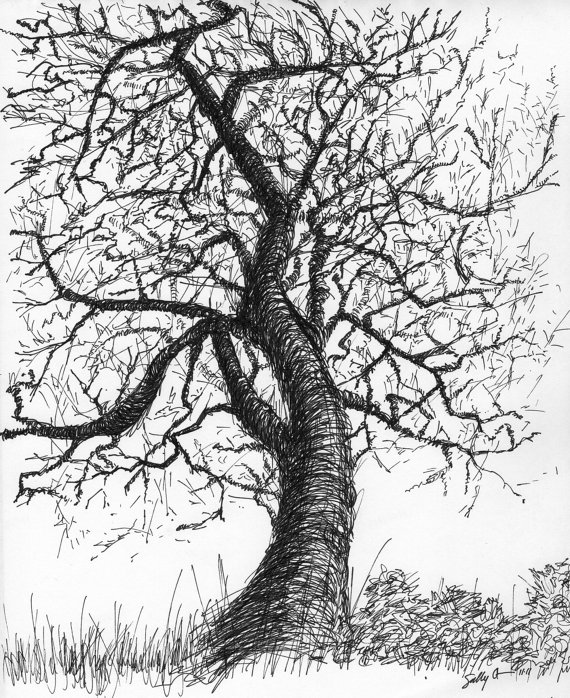
What is the kingdom of God like? And to what should I compare it? It is like a mustard seed that someone took and sowed in the garden; it grew and became a tree, and the birds of the air made nests in its branches. Luke 13:18-19
A large, brown seed sat in our cupboard for a good month or more. Sealed in a zip-loc bag, surrounded by moistened paper towels, it was my husband’s experiment, the result of a moment of possibility.
It seemed, at best, forgotten.
Then one day, after an online search for instructions, he planted it shallow in a white ceramic pot. He watered it and placed it on the windowsill.
Something maternal in me must have kicked in then, because I watered it faithfully along with my violets and ivies. I watered it too little. I watered it too much. The sun came and went and, still, it sat there just the same – half-buried and silent, like a stone sleeping in the barren brown dirt.
I can’t tell you how long it took – weeks? months?
I watered. I watched. I waited and forgot to wait. Inside the seed, secret life stirred, hidden, invisible.
Then the seed split. It cracked open, right down the middle, and out curled a small green shoot, bent but rising, like a head that had been bowed in prayer for such a long, dark time, but now lifted to take a look around.
//
The kingdom of God is like this, Jesus said, and then later also he added, “the kingdom of God is within you.”
//
Maybe we too are like that seed, like trees planted and growing, seen and unseen, in the midst of a busy and barren world. We are watered, too much at times, or not, and the roots grow first, hidden, pressing down blindly, like worms in the dirt and secret places of our lives.
Then we too are cracked open, split right down the middle of our lives. We are the shoot that rises, the seed splitting, the roots rooting down deep. We are the ones drinking in light and water and growing, always growing, into trees of every shape, color and size.
And the birds of the air – those lonely, wandering, homesick birds – make their nests in our branches.
May it be so.
Discipline & Struggle
We go up to heaven and down to hell a dozen times a day – at least, I do. And the discipline of work provides an exercise bar, so that the wild, irrational motions of the soul become formal and creative.
– May Sarton in Journal of a Solitude
Seated in the corner of my office, I close the internet window
on my laptop and hunker down to write.
With just a half hour left before I leave to meet a friend for lunch, I ought
to have enough time to squeeze in my goal of 500 words for the day.
I need to write something for the week’s blog post and,
hopefully, for my newsletter too. Neither
need to be very long. The problem,
though, as I begin, is that, well, I don’t know where to begin. I don’t have a story to tell, not even the
faintest glimmer of an idea to explore.
I had a couple of ideas flitting around last week, but failed to capture
them and now one is stale, like bread left out overnight, and the other is
shrouded in fog too dense to be explored in this limited amount of time.
Still, I close the internet, sit in my chair, and
begin. . . . (pop over to author and editor, Andi Cumbo-Floyd’s place to read the rest of this piece). Leave me a message there, then take a few minutes to look around at all the lovely tools and supports for writers Andi has going on.
Love Big, Love Wide

My twin boys, now six, are still little enough to let me
sneak a snuggle.
So, I do, as often as I can.
I tuck their sleep-warmed bodies close in the morning and
press my aging cheek to their soft skinned faces. I drink in the profile of their noses and
eyelashes, still boyishly soft, perfection.
I ask for monkey-hugs after school and end the day with bedtime kisses
on cheeks, hair and foreheads.
It was during one such snuggle session, with my heart full-to-bursting,
I told Levi, “My love for you is so big.
It’s as big as this whole room!”
He turned in my embrace and eyed me with a look of serious
appraisal. “You mean, the whole house?”
he asked.
I paused, afraid my expansive expression of love might not
measure up. “Yes,” I said.
But, he caught my hesitation and asked further, “Is that
what you meant?”
Found out, I replied, “Well, I meant this room.”
Quickly, he added, “And the whole galaxy?”
“Yes,” I said.
“That’s how it is for me too,” he concluded, then turned and settled back into my lap.
I felt my heart expand, my love grew ten sizes larger,
returning to a size somewhat closer to what it must have been when I too was a
child of six, still willing to seek a snuggle.
Children love on an epic scale, maybe this is why Christ tells us to turn and return again to a child-like heart. Here’s hoping your heart grows a little larger today, too.
I (Still) Hate Skittles

(Re-posting this story, originally written when the twins had just turned four, because every year I dread the CANDY, CANDY, CANDY of Halloween and, every year, my kids’ joy and excitement help lead me through.)
I hate Skittles.
I do not want to, as the slogan suggests, “Taste the rainbow.”
If a Skittle accidentally fell into my mouth, I would spit it out. This is how I feel about most candy, except for Sour Patch Kids.
My twin boys, though, like every other four-year-old on earth, LOVE Skittles.
And M&Ms.
And Blow Pops.
And all the other crack-in-a-wrapper kids get at Halloween.
//
The candy-consumption-negotiations began bright and early the morning after a late night of Trick-or-Treating. Isaiah came out of his room with his bag of candy slung over his shoulder, like a little Santa’s sack. He stumbled down the stairs, focused on navigating the precious bag, as though it was worth its weight in gold.
Before I knew what had happened, he deftly negotiated the potential consumption of one piece of candy after lunch. He then proceeded to remind me of our deal before breakfast, after breakfast, before preschool, after preschool, before lunch, etc.
The candy of choice? A full size bag of Skittles.
He and his twin brother waited all morning for their agreed-upon candy. This, for a four-year-old with candy on his mind, is like waiting a lifetime.
Finally, a lifetime passed, and the candy was distributed in the few minutes we had to spare before leaving to watch their brother’s school parade. Isaiah tore into his bag in the blink of an eye and before I could get a handle on the situation, it was half-eaten, then spilled and picked-up, twice.
Foreseeing the potential for a disastrous candy spill at the parade, I turned to get a zip-lock bag for both boys so I could pour their candy into separate preschooler-compatible packaging. I sat Levi’s candy on the counter, hoping to open it for him and avoid a repeat of Isaiah’s spill-and-pick-up performance.
I forgot, though, that a four-year-old tears into a candy-wrapper like a squirrel attacking a plastic feeder full of sunflower seeds. Place a thin layer of plastic between a toddler and a handful of sugar and stand back – all sorts of destruction is sure to ensue.
During the brief moment my back was turned, I heard Levi’s bag of Skittles explode. A rainbow of sugar shot all over the kitchen floor. I spun around and discovered that he’d ripped open one whole side of his bag with one swift, semi-miraculous, yank. Skittles rained down, and scattered (or would that be “skittled”?) under the island, across the rug, and behind the heavy iron radiator.
This was a crisis of epic proportions. Children hunt spilled candy like the women hunting her one lost coin in Luke’s gospel; kids hunt lost candy with the kind of determination and passion that God’s hunts lost souls.
Levi immediately started crying while Isaiah quickly began grabbing and eating every one of his brother’s Skittles he could find.
This was less than twenty-four hours after Trick or Treat and I had already had it Up To Here with sweets. I wanted to explode like that bag of Skittles. I wanted to hunt down the person who thought it was a good idea to give little people bags of candy bigger than their faces. I wanted to scream and stomp on the candy in a fit of rage.
But, I didn’t.
I dug deep inside myself and caught a glimpse, for a brief moment, of the rainbow shining right in front of me. I saw how every moment has a rainbow and – everyone knows – rainbows lead to hidden treasure. Rather than breaking the moment further, I somehow saw and embraced the invitation to be the hero – I reached for the pot of gold.
I knelt down beside the crying boy and the thieving boy and began gathering candy. With due diligence, most of the loss was recovered. We put the rainbow in a new bag and I zipped it tight. Then, we ran out the door together, two boys clutching baggies of brightness and one Mama carrying a rainbow in her heart.
//
By the way, we did miss one red Skittle. This, I know, because the dog found it . . . and spat it out.
Even the dog knows better.
How I Have Seen Men Treat My Daughter
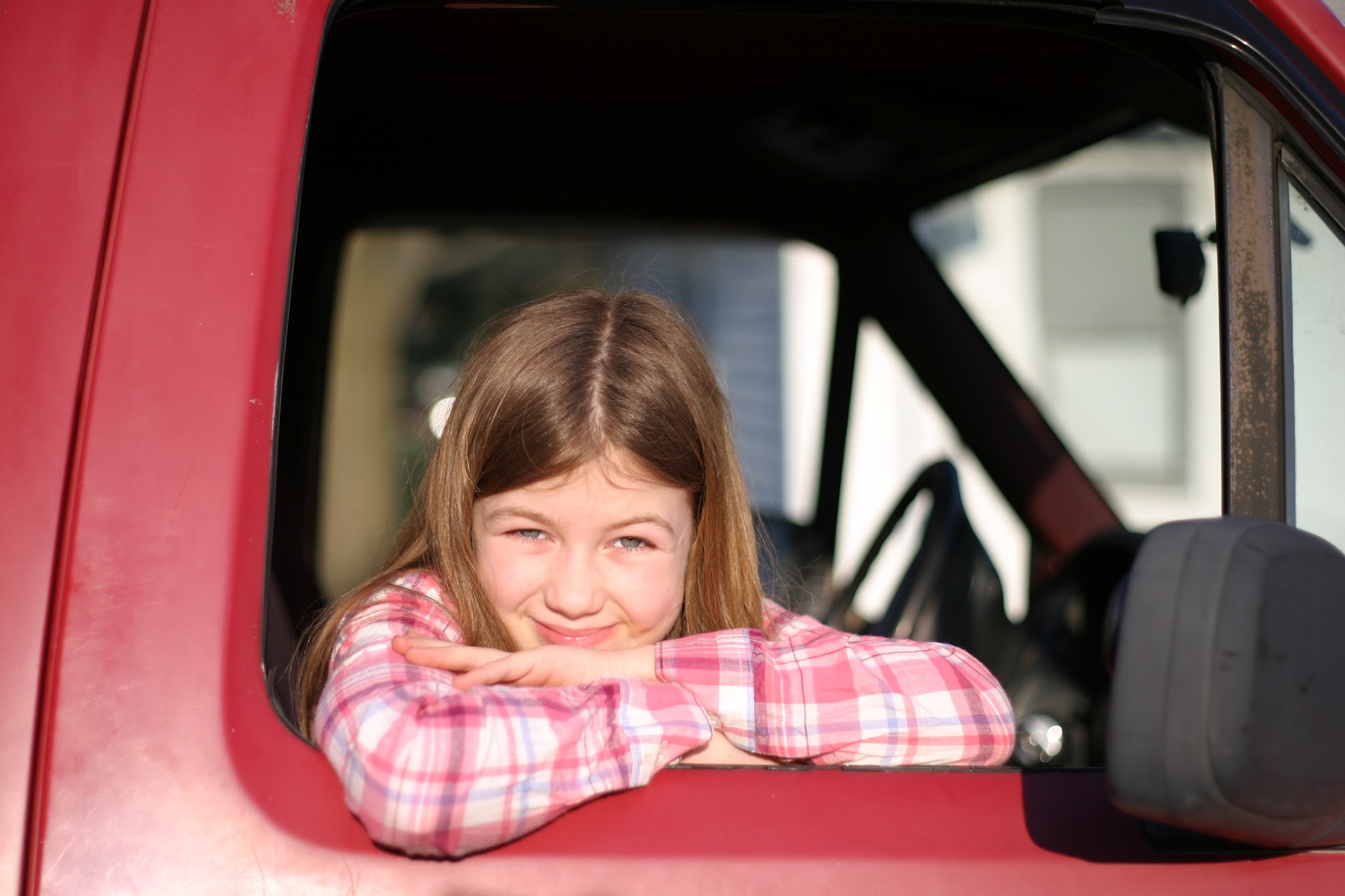
(Sophia, happy as a clam, in her Daddy’s pick up truck.)
A heavyset, gray-haired man, short and jovial, honed in on my cautious, serious daughter the moment she arrived. She was eight or nine at the time. He was a volunteer at Vacation Bible School that week, she was just entering a room full of kids she didn’t know in a church we don’t attend and her face reflected the concentrated reserve of an introvert confronted with a room full of strangers.
“Smile!” he commanded before welcoming her or offering his name. Reluctantly, awkwardly, she obeyed, he was in charge, after all.
Standing nearby, I felt a strong desire to whack that man in the face. Maybe not exactly, but mostly. The mama-bear in me recognized, immediately, the inappropriateness of his command and, in it, I heard the echoes of all the men who’ve commanded me to smile over the years.
I too was a quiet, serious girl. I cannot tell you the number of times men, mostly in passing, reminded me to smile.
“Smile!” they demanded, as they passed me in the mall, in the lunch line where I worked, or walking down the street with my friends. “You’re too serious,” they would sometimes add, “you’d be prettier if you smiled.”
Sometimes it felt like a harmless flirtation, a backward compliment of sorts. At least I had a chance at being pretty, if only I would be less, well, less me. I didn’t realize then that these comments and complaints had nothing to do with me. Nothing. I didn’t understand they reflected masculine insecurity, the desire for me to be easier, but not, of course, too easy.
Over time, I got the message that it wasn’t ok to be me. To be a woman, young or old, who rests serene in her own quiet seriousness is to shirk cultural expectations of the bubbly, giggly girl who lights up the world around her, flashing her pearly whites. In tending to my own internal fires, I was letting down the male egos in the room, those expansive egos so often in need of continual support.
//
About a month later, I took my daughter to the pediatrician. She was suffering from a baffling array of symptoms and we had no idea what was going on. Was it allergies, a cold, a stomach bug?
She sat alone on the high examining table wrapped in a paper gown, while one of our favorite pediatricians, a gentle, thoughtful man, tried to puzzle things out. My daughter was inordinately worried about the possibility of needing a strep test. She fears and dreads the test, gagging every time and occasionally vomiting on whoever administers it.
Finally, reaching for the large q-tip in its white paper packaging, the doctor announced that he wanted to test for strep. My daughter’s eyes grew wide in fear and, seeing her anxiety, the pediatrician offered a few simple tricks to help endure the swab. Then, he asked whether she wanted to sit on the exam table or in my lap.
She climbed down from the paper-clad bench, hopped into my lap, and I wrapped my arms around her. Pulling up a chair, the doctor leaned in with the swab, but my daughter held out her small hand and stopped him mid-motion with a clear and simple request.
“Can you wait until I’m ready?” she asked.
“Yes,” he said and sat back, waiting for her command.
She paused, gathering courage, then blurted a quick, “OK.” She gagged a little, but then it was done, and while we waited for the results, I sat there marveling at this girl of mine.
I was amazed at her centeredness, the way she drew from her own deep well to tell the doctor to pause, to make the space necessary to do difficult things on her own terms and in her own time.
Reflecting on the situation now, I can see how the pediatrician helped protect and reinforce my daughter’s sense of strength and autonomy in a vulnerable situation. He took her concerns seriously and then helped to allay them by offering concrete strategies for dealing with the awkward swab.
He was not offended by her fear; not belittling or dismissive. With his ego completely off the table, he didn’t feel the need to chide her into compliance or, worse, to barge ahead with the swab (as I’ve seen other pediatricians do). He made space for her to connect with her own resources – sitting in her mama’s lap, setting her own timing – and, in the end, my daughter was empowered by the experience.
This, I want to tell her, is how it works. This, I want to remind myself, is how it should be. This is how two people interact with grace and respect, how a healthy man doesn’t ask you to weaken yourself to fortify his own ego, but rather lends his strength to create a safe space for you to be who you are – loud or quiet, smiling or not.
The Road is Wide, The Rain is Falling
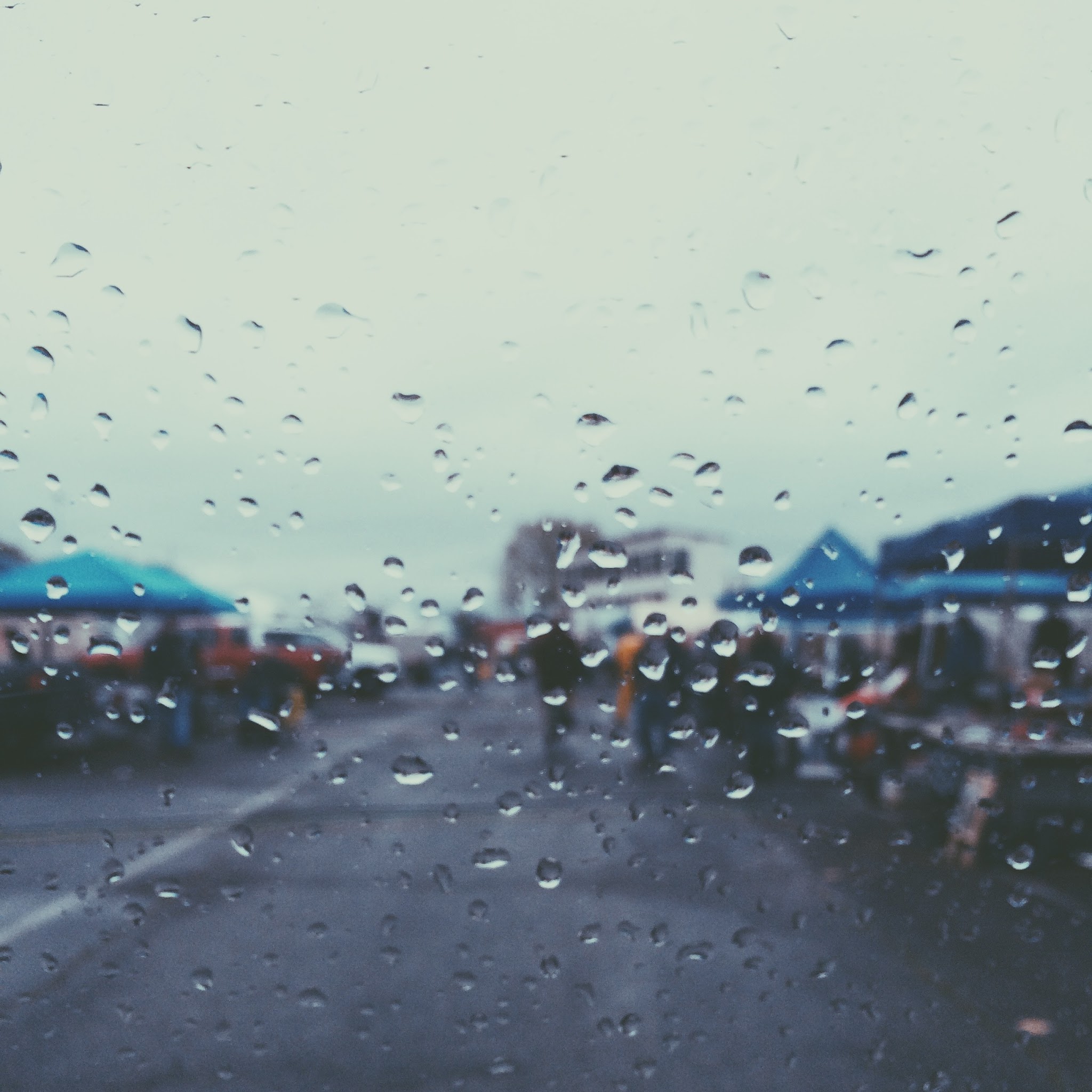
Cold rain turned his thin, white t-shirt translucent as he bent his body, like an umbrella, over the double stroller. The newborn baby cried and he cradled it against his chest with one hand while rooting in a diaper bag with the other. The girl, a big sister at three or four years old, sat quietly in the stroller – her brown eyes wide, her dark hair and pierced ears glinting in the early morning light.
Hundreds of strangers had lined up throughout the morning, eager to bargain hunt at the annual thrift sale benefiting United Way. A friend of mine, a veteran shopper of the sale, had arrived at the door by six thirty. Among the first in line, she had staked out a coveted position as the best deals went very, very quickly.
I rolled in a few minutes after seven, with a mug of coffee in hand, and took my place thirty to forty people behind my friend. I waited behind a young Hispanic man with two children in a stroller and in front of an old-timer who’d brought a plastic crate to sit on. The line stretched out, single-file, across the parking lot, growing steadily as we waited for the doors to open at eight.
Time passed slowly. The old-timer held my spot for me while I went to find a toilet. The newborn in the stroller woke and cried and was jiggled back to sleep again. Pleasantries were exchanged in that guarded but polite Central Pennsylvania way.
The old-timer behind me carried on a long conversation with a woman two people ahead of me, bemoaning his no-good sons-in-law who couldn’t keep a job, couldn’t even change a tire. The woman, in exchange, revealed she’d recently been laid off after twenty years on a job. “Ain’t nobody wants to hire you when you’re my age,” she said. “Believe me, I know.” The general consensus between them seemed to be that young people weren’t worth much these days. The Hispanic man and I, both younger by far, exchanged uncomfortable glances.
By 7:30, the sky was growing darker, not lighter, and the forecast of possible rain turned certain. I ran back to the truck and grabbed my rain coat when the first drops started and my friend, still stationed at the front of the line, brought me her extra umbrella.
Scattered drops turned steady and an icy wind picked up. About fifteen feet away, the building we were waiting to enter offered a small triangular overhang. The old-timer was the first to take cover, leaving his plastic crate to hold his place in line. The father followed soon after as the wind forced rain past the double stroller’s shabby shades and the baby woke again, crying and hungry.
He pushed the stroller the ten steps to the overhang and sidled it as close as he could against the wall. The old-timer scooted over to make room in the tiny triangle of shelter. The rest of us in line, some with rain coats and umbrellas, watched this father without a coat, trying to protect his children while also mixing a bottle of formula. We were rooted in place, rubberneckers, observing one small family’s drama unfold.
//
I can’t name the force that held us in line, that kept us from offering to help or heading, en masse, to wait under a large catering tent nearby. Whatever it was – fear, longing, desire – the feeling was palpable, like a force-field keeping us all apart, causing us each to suffer the storm in isolation, single-file in the passing cold and rain. This force, I believe, thought I can’t put my finger on its exact shape or name, is one of, if not the signature evil of our times. Under its sway, as Naomi Shihab Nye predicts in her poem, ‘Shoulders,’ “the road will only be wide, the rain will never stop falling.”
Somehow, we must kindle the courage, the imagination, necessary to enact an alternative to our chosen isolation. What will it take for us to break out, to break through, to one another?
//
It was the way he curved his body over the stroller, the rounded defenselessness of his back as he leaned, rooting in the diaper bag; it was the way he sheltered them that caused my feet to move, that broke me out of line. My feet moved, of their own accord, and then I was there, behind him, my body blocking him from the wind, my friend’s umbrella held high at an angle over the two children and their dad.
He turned, slightly, at my approach, acknowledged me with a nod, and carried on preparing the bottle, then feeding his infant son. We stood close, awkwardly close in the small space, and didn’t speak a word. I smiled at the solemnly shy little girl with her deep brown eyes that drank in the world.
The rain passed, the sun peaked out, and we moved back into line. The old-timer caught my eye. “That was a nice thing you did,” he said, “real nice.”
//
Somehow, we must kindle the courage, the imagination, necessary to enact an alternative to our chosen isolation. What will it take for us to break out, to break through, to one another?
Some Days, We Nap Together (What Tragedy Demands of Us)
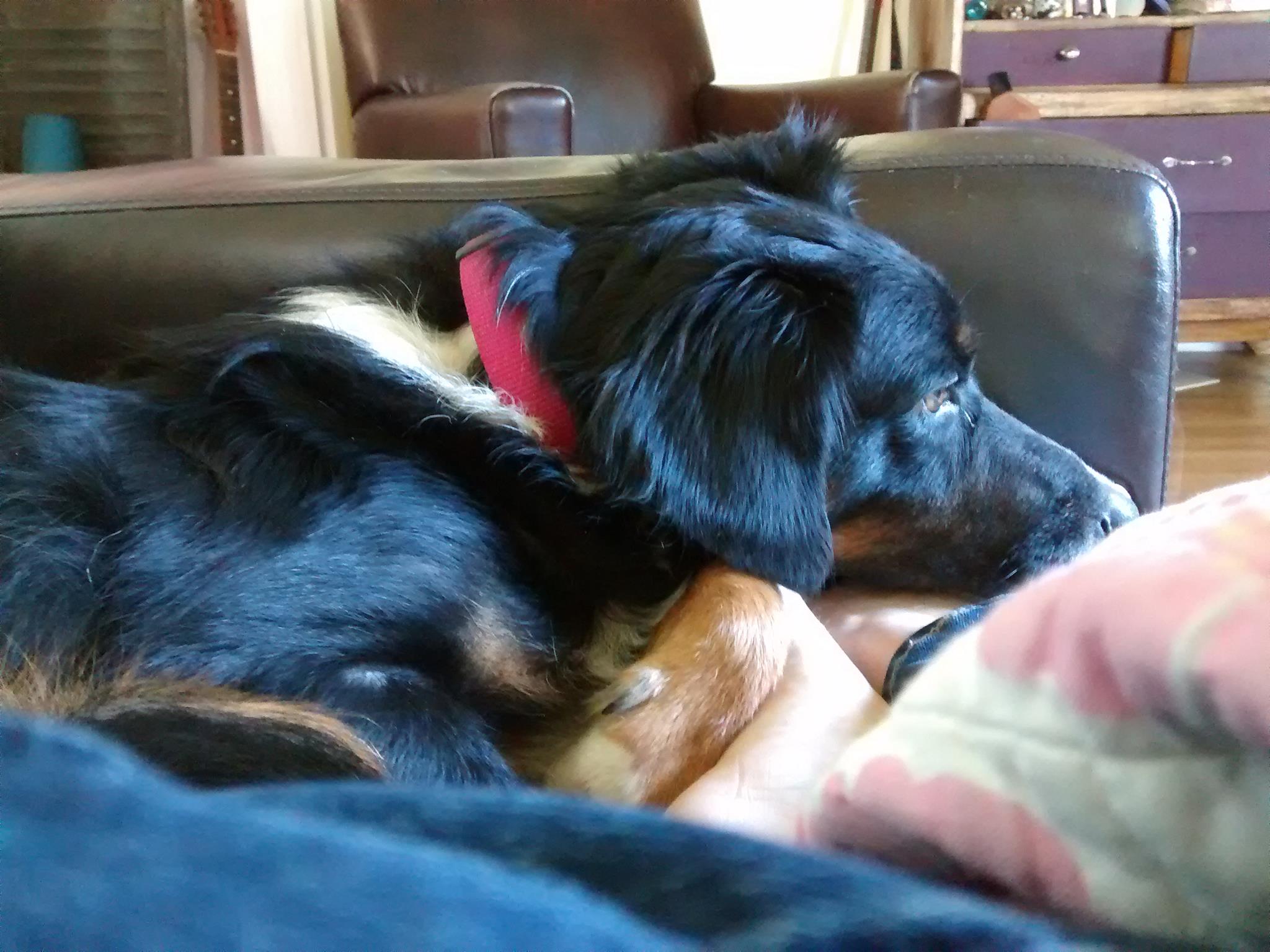
Some days, after working in my office all morning and eating a quick
lunch at my desk, my body grows heavy and slow and my thoughts turn to
molasses. With just an hour left
before the first child arrives back home, before I leave to work an evening
shift at the library, I close my laptop, grab my phone and head for my office
door. My dog, Coco, half-sleeping in her
corner chair, lifts her head, then jumps down and follows me outside across the
blacktop soaked with sunlight, up the back steps, and into the big house.
Inside, I pause while we each get a drink of water – her at
her metal bowl and me at the vintage water fountain near our kitchen door. Then, I grab a blanket or beach towel –
whichever is warm enough and near at hand – and head into the winter room where
the wood stove sits heavy in the corner, squat and round, a cast iron
Buddha. Coco follows at my heels and
watches patiently as I hunt one room, then another, in search of our sole throw
pillow.
Pillow in hand, I lay down in the same position, always. Pressing the pillow into one end of our
old, leather love seat, I lay down on my right side, curling my long legs to
fit on the too-short sofa. Coco watches with patience and focus as I spread the blanket or towel over
myself, then stick my legs out straight off of the couch, offering a pathway to
the pocket of empty space at the far end.
I pat the leather with my hand, twice. Coco pauses, very still, and looks me in the
eye, double-checking her permission. “Come
on, Coco,” I say and up she jumps, then turns and settles in the corner. I bend my legs again and tuck in around her,
careful to keep from bumping her muzzle with my feet. The warmth of her soft, sweet body adds to my
own and we sleep, tucked together, her head resting on my ankles.
Her presence, as I rest, is pure gift. The gift of quiet, undemanding companionship;
the gift of with-ness that cannot be measured save for the way it softens and
steadies the human heart.
She wakes, when I wake and shift. Or, sometimes, too warm and close for
comfort, she hops down before the nap gets under way. Some days, if I’m lucky, our handsome
black cat notices our napping nest and jumps down from his solitary leather
chair and comes purring along into my arms.
On those days, the cat settles opposite the dog, in the space in front
of my chest. Together, we form a sort of
yin-yang arrangement of fur and flesh, the cat in front of me, the dog behind.
//
I experience a profound goodness during these naps, which
may seem a small thing amidst all the world’s evils and sorrows, not to mention
my own small entanglements. But I am
wondering whether tragedy really demands the trivializing of such moments of
beauty, wonder, and grace – moments when the human soul stretches and softens,
relaxed and at ease?
Perhaps tragedy and
sorrow, worry and fear, require instead, that we linger and luxuriate in these moments. Maybe Love itself invites us to spread them out wide for the world to see or to tuck them in somewhere safe, like a golden leaf in fall noticed, gathered, and pressed between the pages
of a book where it can be rediscovered time and again in the long
winter months ahead.
I love these moments with the dog, the cat; they are
precious to me and I cannot pass them off as something less than mercy and
grace. Evil is never defeat by casting
what is precious aside. Evil is defeated
when we gently welcome, gather and share what is good and holy and true. In this way light and life and love are born
and borne and multiplied in our midst.
The world is a heavy and troubled place. It is also riddled through with mercy, grace
and love. In these days of naming darkness, let us remember also to gather and spread the Light we’re given, casting it high and wide, like a million stars lighting up the night.
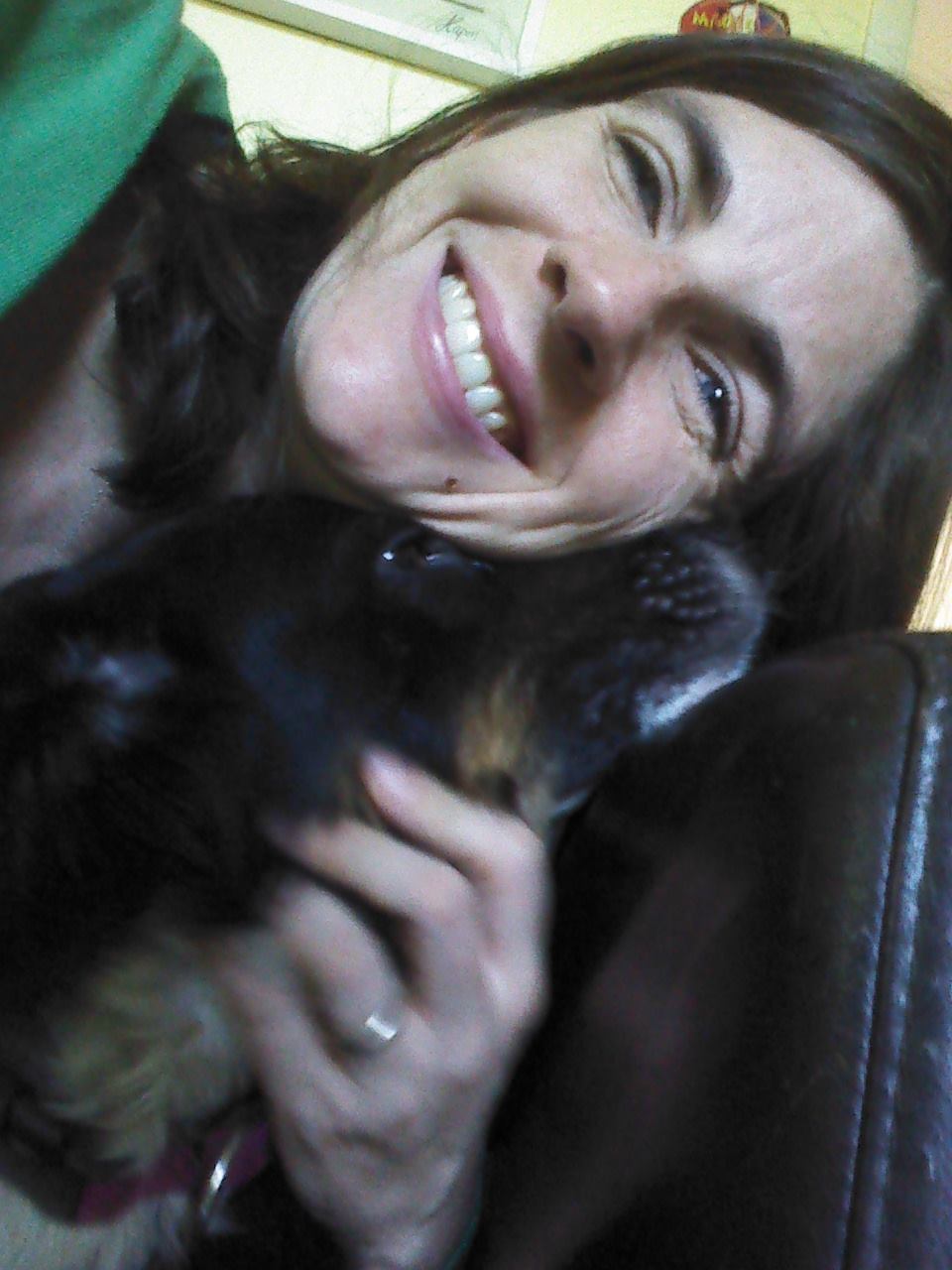
Coco and I sharing a little pre-nap love.
Where are you finding Mercy, Grace and Love these days??
Turn, and Be Saved
Photo by Simon Hesthaven on Unsplash
Sometimes, all it takes
is the slight movement of your eye,
a tilt of your head, your heart, to admit
a new angle, to see the way out, the way through
that was always there, but just out of sight, like God
is.
This can happen in the smallest pauses, like the rest
between inhale and exhale, or the moment just before
the words you will always regret find their way out
of your mouth. This
is the salvation we’ve been waiting for,
the one thing that’s always given, if only we would turn
and
receive.
– K. Chripczuk
Because (Mysticism and Math)
Photo by Chris Lawton on Unsplash
Because my husband and I reached a moment of clarity when his truck, again, needed extensive repairs we couldn’t afford. “Something needs to change,” we
said, together, and the words set like concrete, solid and steady beneath our
feet.
Because, the job opening was posted online within a day or two of our
decision.
Because, it had been six
months or more since I looked for any kind of job and this kind of job only
appears once in a blue moon. What are
the chances we would reach this decision, that I would start looking for a job, the
day after my dream job was posted?
Because, my references all said, “Yes, of course, we think you’d be great.”
Because, the timing is perfect, with the kids
ready steady in a new school year.
Because I want it to be so.
Because, because.
//
I ticked these signs off one by one in my Spiritual Director’s office, laying them out like bread crumbs I’ve gathered amidst the wilderness of my life, crumbs I hope might form a trail.
“I want these things to add up,” I said.
“I want them to mean I will get this job. But I know, it’s one thing to
know what is – to be aware – and a much more difficult thing to know what it
means.”
Here, she nodded,
knowingly.
“I want to be able to say
these signs mean God is doing this,” I continued, “but I know God too well by now to place God
in that kind of box.” “I’m not sure where
God is in this,” I concluded.
“It seems to me,” she said, “that you’re being invited into
a more mystical way of being. Invited to
dwell, not in the meaning of things, but in what you know to be true in each moment.”
//
In high school, I always did my math homework first. For the most part, for me, it was easy. More importantly, though, it was solid,
clear, concrete. There was only one
answer and when you found it and checked it, you were done.
Writing homework, though, was another beast. Writing an essay is so open-ended. There are so many words
to choose from, so many ways to shape a sentence, a paragraph, a thought. There is no clear ending; there are many was to frame a correct answer, so many ways to sculpt ideas across a page. I never finished my writing assignments until
just before they were due.
//
Mysticism is not math.
It is the homework I have saved for last.
//
I immediately recognized the truth in my Spiritual Director’s words and, inwardly, I sighed. Giving up my clumsy attempts to discern the meaning of things felt like a loss – a loss of knowing, to be exact.
What do we have if we can’t add events of our lives up one after the other, if we cannot trace a simple path through the woods of where we are to where we think we want to be? We are left only with the present in all of its fullness and fragility.
I told my director this, how I value the easy math of
knowing, nailing down, what God is or is not doing.
How letting it go feels like a loss.
But, I realized even as I spoke, that by letting go of what is not, we enter, more fully, into what is. We are free to stop hoarding and trying to find our path via the breadcrumbs of our lives. Free to enjoy each crumb as the much-needed manna it is.
What do we have if we only live in the present?
We have nothing. We
have everything.
We have God.
The Thrift Store, With God (What I Gave Up & What God Holds)
Photo by Artificial Photography on Unsplash
God and I went to the thrift store last week.
It’s was the first day my kids were back in school. Although I often go thrifting with
the aim of stocking my kids’ closets, I breezed right through
the children’s section of the giant store with barely a glance.
The image of them each boarding the bus that morning in new shoes,
shorts and sneakers was still fresh in my mind.
The day before, I had been struck by an unexpected wave of
resentment at the wealth of new clothes they had and their apparent lack of
appreciation for it. It wasn’t just the
clothes I resented, though, it was the time, the sheer amount of resources, I
sent their way this summer, particularly during the last grueling weeks of
August. You see, this summer, I gave up.
I fought hard, in the beginning, to make room for my writing
and working life to continue. Hard,
like, wearing ear muffs in my office while my kids mimicked the rooster by my window
and practiced playing the recorder outside my office door. When working with them at home failed, I took
them to a free day camp program the next town over, freeing up two precious
hours, three mornings a week. But it
wasn’t enough. The pressure to drop them
off, drive home, and dive into writing with little to no transition proved
unwieldy.
By early August the impact of my evening and weekend work
schedule at the library became clear. In
summers past, those were times I could steal away to my office write. This summer, I traded those hours for a small
but much-needed paycheck.
Then came August, with two birthdays (twins!), several days
of single-parenting while my husband wrestled the engine in and out (and in and
out again) of his rattle-trap pick-up truck, then several days more of single
parenting while he traveled for work. All
of this, right around the time the day camp ended.
I gave up. I let go of even pretending to keep the semblance of a
writing life together.
At first it sucked and I was sad and mad and had All The Feels. But then acceptance came along
like a breath of fresh air and it felt so good to not be swimming upstream, to
accept that there was neither time nor energy for more. I lived in the reality of the last weeks of
summer with four kids.
I cut hair.
I bought shoes.
I participated in a round-robin of back-to-school night
events and organized a mounting pile of supply lists and schedules.
I took them to the pool and praised every new trick they
learned.
I washed load after load of towels.
It was what it was.
But, after I loaded them onto their buses, when I went to post
the traditional first day pictures online, I felt, again, the loss that
accompanies ‘giving up.’ I scrolled through
images of friends releasing new books into the world. I read updates of others heading off to new
jobs teaching in local schools. I had
nothing to post except for a few candid shots of my kids decked out in new
gear, ready to face a new year. “This is
what I did this summer,” I wanted to write. “This is what I’ve been working on.”
It seemed both sad, to me, and simply, remarkably, true.
In the post-bus quietude, I messaged a friend, “I’m trying
to process what I lost/gave up this summer.”
Then, I shut up the house, pulled on my sunglasses, and headed to the
thrift store with God.
Like an awkward parent and teen tackling difficult subjects
on a shared commute, God and I find it easier to talk at the thrift store. Something about strolling the aisles of
color-sorted clothes quiets and opens me, creating a place of listening and
attention, which God and I both recognize as prayer.
That’s how God and I found ourselves sifting through hangers
of winter coats and blazers, discussing ‘what I lost’ this summer. It occurred to me, as I perused tan corduroy
coats from the nineties and multi-colored ski jackets from the eighties, maybe
I was being a bit melodramatic. I
paused, with my hand on the shoulder of a pea coat and considered the
possibility.
Was I being melodramatic?
Yes, perhaps I was.
I turned to God, then, for an opinion.
God said, without skipping a beat, “Yeah, you get that way
sometimes.”
I stifled a snort of laughter. Of course, God knows me.
With acknowledgement came acceptance. I felt free to feel the loss – both real and
exaggerated – and to trust that it too would pass.
God reminded me, then, of how it works between the two of
us. “All the things you give up, I
hold,” God said. “There is no part of
who you are that ever has been or ever can be lost.”
How could I have forgotten that simple truth? With it comes incredible freedom – freedom to
hold on when the time and space are right; freedom, even, to fight for what I
want. But, freedom also for letting go
when time and circumstances demand it.
I felt lighter as I moved on to rows of skirts and blouses. God wandered off into the aisles of handbags
and shoes (God does that sometimes). We
said we’d meet up in the car on the way home, we find that’s a good place for
talking, too.
Blank Walls, Empty Space (and An Announcement)
It began with open space.
Maybe, that’s how all things begin. All good things, that is.
And, it began with need which, so often, provides fertile ground for creativity to take root.
This is what I remembered as I sifted back through layers of
memory and experience, this is the conclusion I reached when someone asked, “How
did you begin painting?”
I never intended to paint, that was not the point. But when we moved to this enormous, old farm
house three years ago, I found myself with rooms full of empty wall space and
nothing to hang. Need (or was it desire?)
knocked and I answered. I splurged on
one large print from Ikea and two empty frames which I filled with fabric in a
color scheme I adored. But our budget
would not allow for more.
I kept my eyes open, though, and found ornate and tacky old
paintings abandoned along back woods roads and languishing in thrift store
bins. I bought acrylic paints in
magenta, teal, and tangerine. I, like
generations of women before me, decided I would ‘make-do’ and I did.
In the process of making-do, though, I discovered that
painting felt like prayer – calm, clear, and filled with listening. Painting, also, felt like writing, and I
listened as I painted and learned about myself as a writer, as a creative, as
an artist.
All of this, from blank walls, empty space.
//
What open spaces mark your life today?
What invitation might these spaces hold?
What opportunity, adventure, unanticipated
discovery?
//
I never intended to paint.
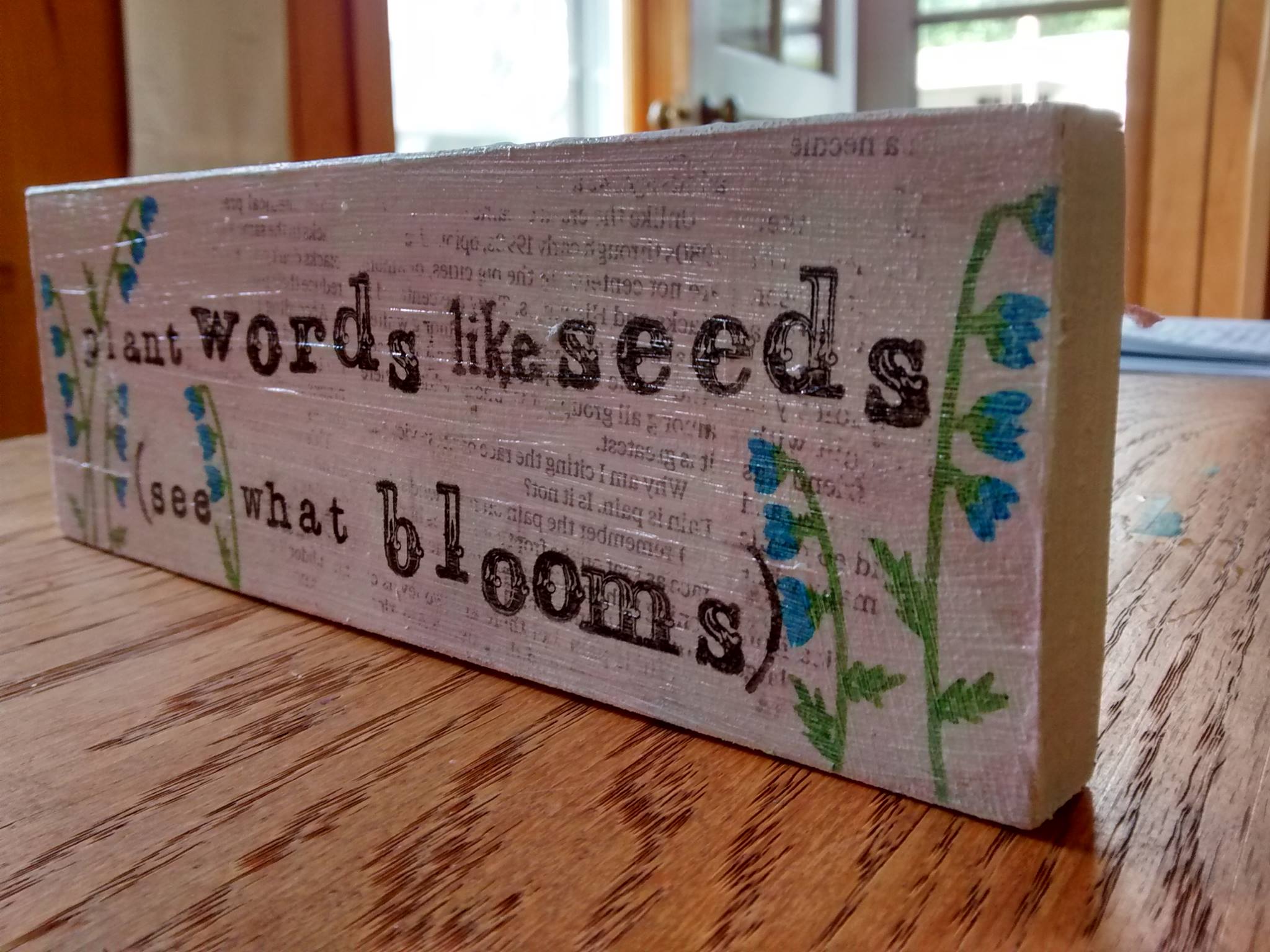
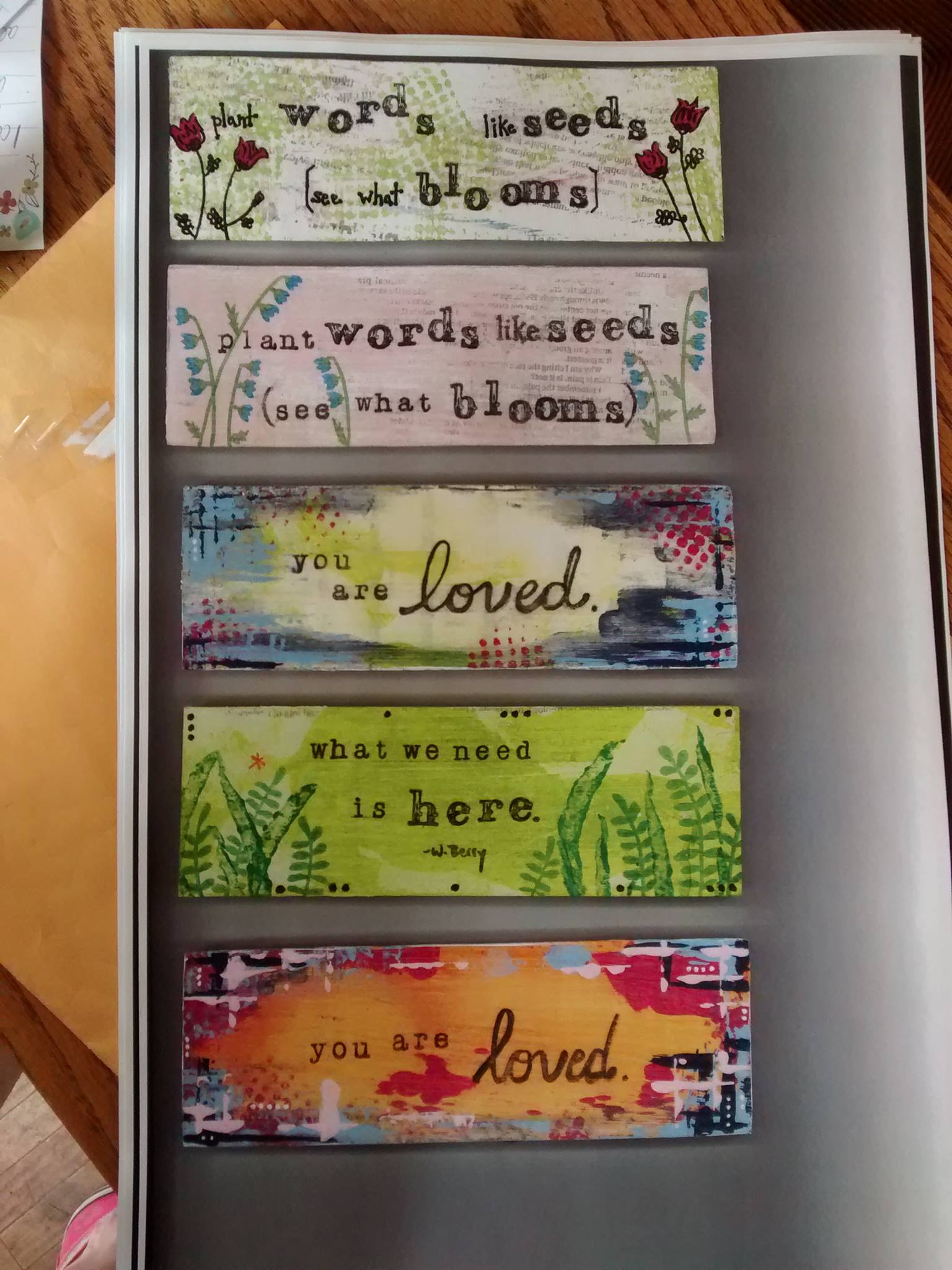
But now I know that words on wood, in color, is part of who
I am. Those empty walls called forth
some part of me long buried like a seed, causing the artist in me to sprout and
blossom.
Now I continue to watch and wait, like a gardener eyeing empty soil. What open spaces are here, now
and what abundance might be sleeping in the rich, dark emptiness?
//
Good news, friends, I now have an Etsy shop where you can order prints of my original paintings. Visit The Broody Hen Shop to see current offerings.
Mail Worth Crossing the Road For . . .
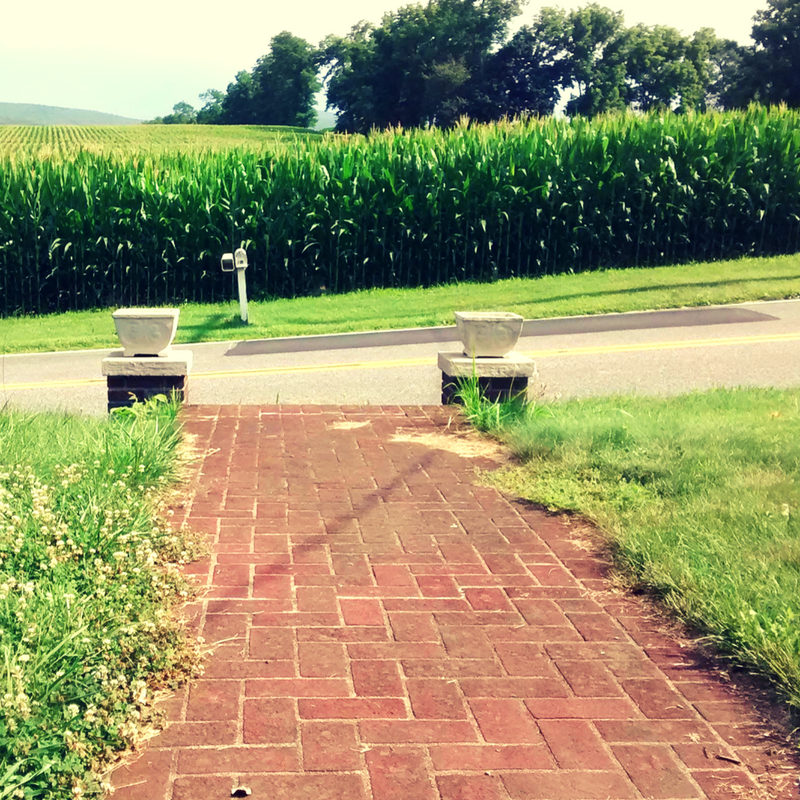
Our mailbox sits across a busy state road from our house. It’s an old metal box equipped with a nifty yellow flag that pops up whenever the door is opened. This way, we can tell at a glance, whether the mail is here yet.
I never cross the road unless that flag is up – it’s that reliable. But sometimes, when the yellow flag beckons, I brave traffic, rain or snow only to discover a handful of junk mail – a flyer from a credit card company or a weekly bundle of local retailer flyers. Those days, I feel disappointed, and like a little bit of a sucker. I was looking forward to something good – or at least something useful, but instead I risked my life for a few pieces of paper that will go directly into the recycling bin.
Maybe you know the feeling?
What if I could promise you one piece of mail each month that didn’t disappoint? I want to invite you to sign up for my newsletter, Quiet Lights, where you’ll receive more of the same writing you’ve come to expect here on This Contemplative Life. Quiet Lights is bi-monthly (during the school year) and has slowed to once a month over the summer.
No spam, no junk mail, just a few good words straight from me to you. Sound good? You can sign up right here to get the latest post :
Now, if you’ll excuse me, the yellow flag is up across the street and I’ve got my fingers crossed that it’s something good today.
A Hare, A Shovel, A Pale Blue Envelope
(photo via Unsplash: Gary Bendig)
I walked out the back door and circled around toward the front of the house one recent Saturday morning, looking
for the shovel. I suspected it had been left leaning against the porch after a recent gardening project. A few weeks earlier, we had pulled out yet
another dying shrub and planted a few annuals.
The annuals – mostly Zinnias and Sunflowers sown from seed – sprouted and grew about an
inch tall, then disappeared. We figured someone ate them, most likely a rabbit.
I was hunting for the shovel so I could plant some things in another flower bed, this one beside the Little House.
I walked down our paved driveway toward the road and noticed
the yellow metal flag on our mailbox across the street was standing at full
salute. I saw no sign of the shovel
along the porch and continued toward the road, aiming to fetch the now day-old mail. Along the shoulder of the road, just
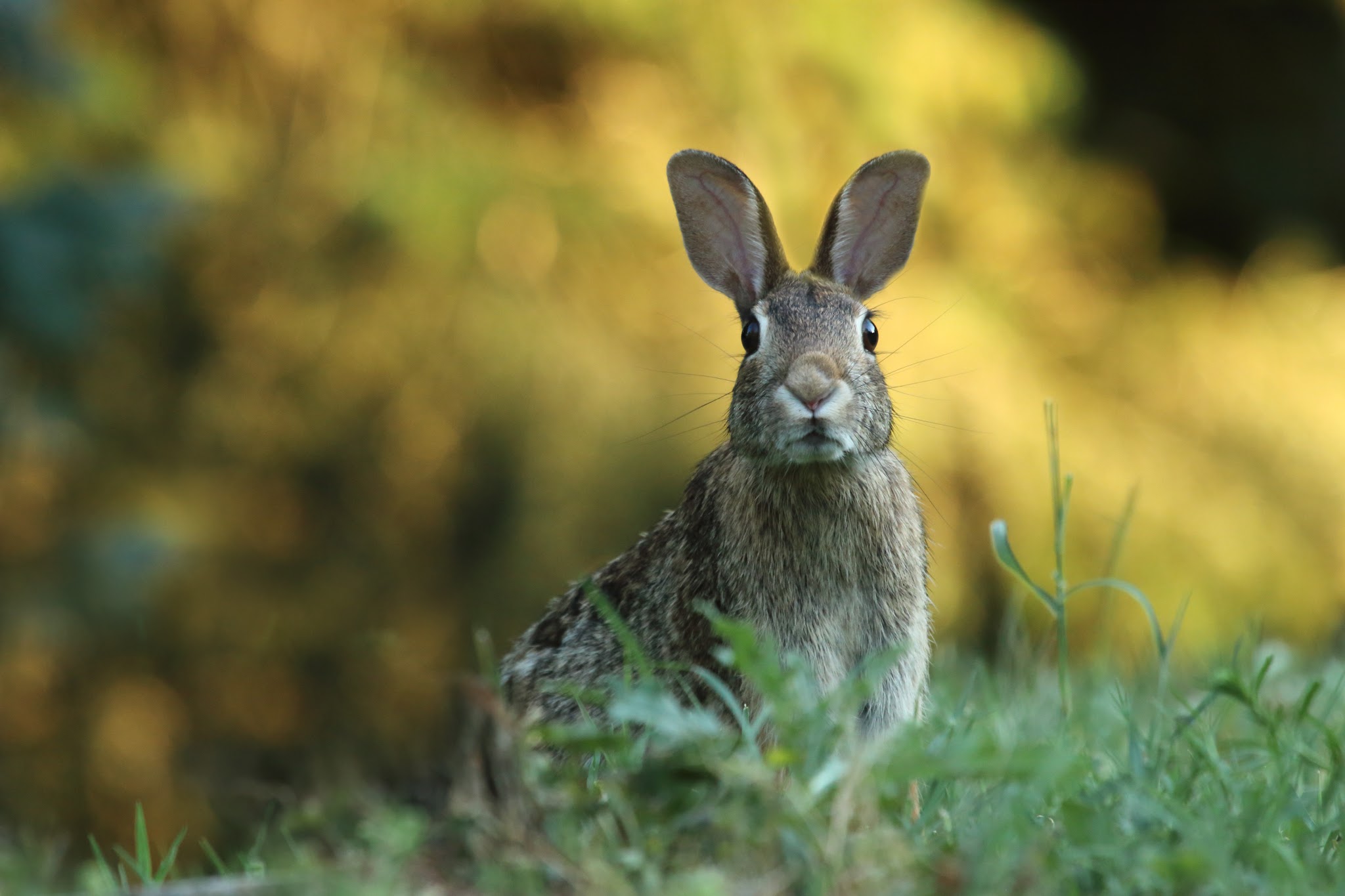
in front of the mail box, sat a large, speckled hare. I figured it would run off as I crossed the road.
The rabbit stayed still, though, as I approached. Beyond the mail box, the gravel and grass gives way to a giant field of feed corn, a tide of green that rises slowly each day. I stopped, just beside the rabbit, my sandal-ed feet pausing in the small strip where grass and gravel collide. The rabbit’s eyes bulged. They were enormous, not right at all
for a hare its size, and its breath came in short heavy pants. The fur along one side of its body was rumpled
and I leaned down to look for injuries.
I couldn’t see any blood, so I reached down with my
right hand to feel the rabbit’s back. Its
speckled fur was coarse and dense. I gently pushed the rabbit toward one side, then another, looking, again, for injuries. I wondered at its bulging eyes, were they rimmed with blood?
Observing
the hare, with its unknown injuries, I felt a familiar weight of responsibility descend. I considered picking it up and carrying it to
the house. It would likely die before
long, but I hated to think of it struggling through its last hours on the side
of the road with the sun beating down.
Also, there was our dog to consider, and the cat – I didn’t want them
crossing the busy road to catch it.
I turned to the mailbox, pulled out our mail, and locked down the bright yellow flag. I noted a pale blue envelope – real mail,
not junk – wrapped in the day’s advertisements and crossed the street, heading back to the house.
I decided to get a towel to carry the rabbit. Once it was safely inside, I’d ask my husband to take a look at it.
Walking toward the house, I reflected on the foolishness of nursing a hare to health. I, who routinely stands along the fence kvetching with our neighbors about the havoc rabbits wreak in gardens and flower beds. I remembered the plush Angora
rabbits I recently petted at my friend’s farm, their dense cashmere-like coats so different from this wild hare’s hide. Mostly, I hoped the kids wouldn’t catch wind of the rabbit before I could decide what to do with it.
It was the first morning, in over a week, that all six of us were home
together. To celebrate, I had gone to the grocery store after work the night before to buy
Buttermilk, intent on wowing us all with a new pancake recipe. I
envisioned a delicious, family breakfast, but the recipe was a flop and I gave up on the lumpy bowl of batter after producing a few half-cooked pancakes with a texture like silly-putty.
My husband, John, was in the hot kitchen trying to salvage my mess. I found him there and lured him outside to explain the rabbit situation. Armed with a beach towel, and fully prepared for a rescue operation, I led him across the road. The rabbit was still there, but had moved a
little, turned toward the field of corn.
John guessed, by the way it moved, that its foot was broken. He also commented on the bulging eyes.
“Can rabbits get rabies?” he asked. He didn’t want to touch it. I mentioned I already had.
I bent down, then, to look at its face and saw that its nose
was bloodied and raw. “Its face is
bleeding,” I said.
“I don’t think it’s going to make it,” he said.
“I don’t think so either,” I said. “But I don’t want to leave it here.”
“Should I throw it out into the corn field,” he asked, “or
get something and just hit it so it dies?”
I hated the thought of whacking it over the head, but I
hated the thought of its slow, confused, demise even more. “Do you think you could break its neck?” I
asked, thinking of the young rooster we recently dispatched.
“I’m just going to hit it,” he said. “I’ll get a bag and the shovel.”
“I can’t find the shovel,” I said as we crossed the road together.
It seemed we had come full circle.
He found the shovel, I know not where, and headed across the
street with it and a plastic bag for the body.
But he returned, soon, with the empty bag. “It went off into the corn field,” he
said. “It was already pretty far out.”
//
Afterwards, I stood in the disastrously dirty kitchen, leaning against the
counter, and opened the pale blue envelope. It held a card with a small
pile of cash tucked inside along with the signatures of three dear friends. They had asked, a few weeks earlier, whether we would accept a little money to help us do something fun with the kids this summer.
//
When I think of these two events – the injured hare and the pale blue envelope – coinciding, I am reminded of one of my favorite poems, ‘Shoulders,’ by Naomi Shihab Nye. In her poem, Nye describes a man cautiously crossing a street in the rain. The man carries his sleeping son. As he walks,
“His ear fulls up with breathing.
He hears the hum of a boy’s dream
deep inside him.”
Nye concludes her poem with a prediction,
“We are not going to be able
to live in this world
if we’re not willing to do what he’s doing
with one another.
The road will only be wide.
The rain will never stop falling.”
Nye’s poem gets at the heart of what I was doing that Saturday, what my friends were doing through their inquiries and gift. We were each crossing the street, pondering how another’s need might intersect with the abundance of our own lives. It’s not like I heard the hum of the rabbit’s dream deep inside me, but I did hear the hum of a deeper truth. All of the many roads that divide us are nothing compared to the impulses of Love and Compassion that bind us all together.
(Click here to read or listen to the full poem.)
It Was Good
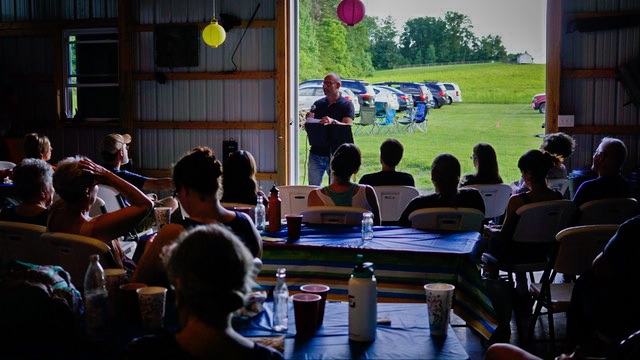
Photo credit: Damien Taylor –
Novelist Billy Coffey gave a great talk and reading Saturday evening.
This past weekend, three writers gathered two dozen more
behind barn walls. In a square room,
wrapped in wood, floored in concrete, we sat around white plastic tables in folding
chairs while a fresh breeze blew in through barn doors thrown open wide.
We held space.
We held silence.
We honored words – ours and others’ and others’ still.
Then we held more silence, listened, and held space for
words unspoken and words yet unheard.
We pruned words – ours and others. We trimmed back the dead, exposed new shoots,
sank small sleeping seeds deep in darkness and watered them with attention and
simple care. We plotted out the
landscape of our days, made plans to fence in empty spaces right in the middle
of our back home, work-a-day, noisy, crowded lives. We envisioned fertile ground, held apart, separate, where words and silence might wed, like water and sun, and bring forth bright blooms,
arching vines, gnarled roots.
Blue sky, rolling hills, and passing clouds wove mountain
magic around us and we believed, again, in ourselves, in each other, and in the
truth that “what we need is here.” We
found ourselves both hungry and fed, both giving and receiving; and it was good.
//
Friends, I am just back from helping to lead the annual God’s Whisper Writers’ Retreat in Radiant, VA. We’ve already set the date (June 22-24) for next year’s retreat and will have the website up and running soon. Meanwhile, you might want to nurture your writer’s heart, by signing up for Andi’s Discover Your Writing Self course which begins July 1st.
Sidewalk Flowers: Carry, Gather, Spread
I had the joy of speaking at our little church this past Sunday and, because I got to choose the text, I focused on 1 John 4:7-19. I talked about the love of God that we are made from and for – the love of God that abides in us and invites us to abide in it.
Before all of that, though, I shared the video below of the children’s book, “Sidewalk Flowers,” by JonArno Lawson. I told the congregation how flowers – particularly wildflowers – are a symbol, for me, of God’s love. I told them to pay attention to the use of color in the book, to pay attention to the flowers. I told them we can be like that little girl – carrying, gathering and sharing the love of God.
Maybe you need a gentle reminder?
You are loved by God – this is who you are – God’s loved child. God’s love is in you, like a seed, just waiting to unfurl, to sink roots down deep, to grow you up into your one and only vocation as one who loves and is loved.
May you carry love with you today.
May you gather and spread the love of God wherever you go.
How It Has Always Been
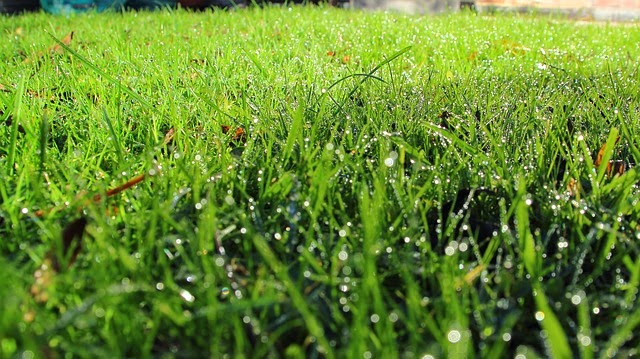
Summer hit our house like a freight train when the kids got off the bus last Friday at 1:15. It’s all good, but intense. I’m still writing, but with preaching this Sunday and preparing for next week’s (!) writing retreat, I didn’t get my usual post out on Monday. In lieu of anything new, I’m sharing this poem that first arrived in June 2014. Enjoy! Also, scroll down for a preview of some of the paintings I’ve been working on this spring.
How It Has Always Been
The vicar general, shying away from ‘paganism’ hangs back and sits under a tree reading the guidebook. I am able to approach the Buddhas barefoot and undisturbed, my feet in wet grass, wet sand. – Thomas Merton describing his visit to the sleeping Budhas in “The Asian Journal”
My son comes walking to me, barefoot,
across the wet summer grass.
The morning light lays soft around him
and in that moment I see how it is,
how every child is a contemplative,
exposed in every way to the Now.
“This is what you must become,” Jesus whispers
and I see now how it has always been, God
and his children, barefoot, the morning grass
cool and wet beneath their feet.
* I stopped by Infinity Graphics today to get some prints of recent paintings. These bright beauties (the picture is a little dark) will soon be available to purchase as small wooden block paintings. Stay tuned.
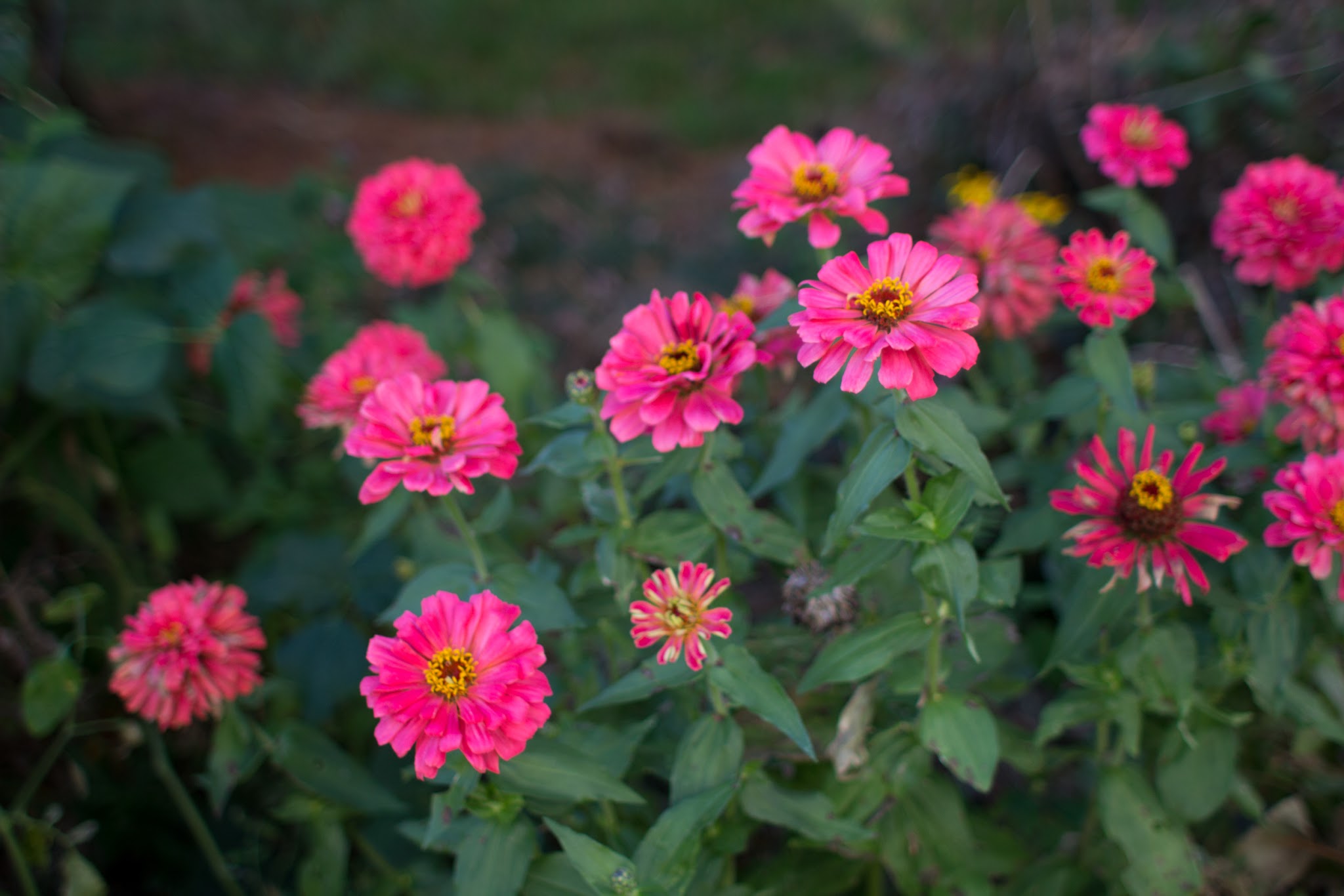
Miss. Ann’s Zinnia’s (The Kingdom of God is Like . . . )
Sunday afternoon I left my husband with seed packets of
Zinnias and Dahlias and walked up, across the yard, to look for a spade in our
overflowing garage. The planting of
those flowers, four packets, was what I requested for Mother’s Day this
year.
I don’t know why planting seems, for me, an impossible
task. Maybe it’s that simple act of
letting go and watching the impossible seed fall into darkness; maybe it’s the
familiar struggle of facing an unknown future.
Whatever it is, my husband plants the garden each year and I, in time,
tend it.
Walking up from the garden, across the green expanse of
lawn, I looked over at our neighbor’s yard.
They have a small, fenced in, vegetable garden and the wife, Ann, has a
separate flower garden. Their garden,
like most in early spring, is a miracle waiting to happen – a tilled expanse of
soil, a pregnant pause. My eyes saw the
emptiness there, the open waiting space, but in my mind I remembered the
Zinnias.
During our first summer here, we planted a good-sized
vegetable garden filled with the practical means of nutrition. Our neighbors did the same in their fenced-in
plot, but around the outside edge of the fence grew large, splashy, red, purple
and pink flowers – a fiesta of color that started blooming in late summer and
stood strong into the fall.
Oh how I envied Miss. Ann’s Zinnias. I eyed
her flowers hungrily and finally, in September as the flowers were beginning to
fade, asked if I might over and cut a bunch. From that moment on, I was hooked.
The following summer, I bought a packet of seeds and grew my
own riot of reds and pinks. I cut them
and filled our house with vases. I
carried them to friends’ houses.
Everyone loved the Zinnias.
Then, last year, we made a farm stand for selling fresh,
free-range chicken eggs. I again planted
my Zinnias (or rather, my husband did) and, when they grew and bloomed, I
started cutting large happy bunches of purples and pinks, oranges and yellows
and selling them in old tin cans at the farm stand for $1 each.
It was a real steal for fresh cut flowers and they flew off
of the farm stand’s two tilted shelves.
A friend suggested I should charge more.
But I refrained.
I was already making a profit, but, what’s more, I know what
it’s like to not be able to afford fresh flowers. I know, also, how beauty feeds the soul. I also know the feeling of finding a
wonderful deal, how it opens our hearts and minds, makes us feel the expansive
mystery of goodness and provision in the world that’s so often buried in layer
after layer of unmet need.
I wanted people to feel what I felt in my garden, the
sensation of wonder and delight, the absurdity of so much color available for
mere ornamentation.
Returning to the garden with the trowel in hand that Sunday
afternoon, I thought, the kingdom of God is like those Zinnias. The Kingdom of God – heaven in our midst –
blazes and waves in the place where it is planted. It attracts the eye, captures the heart,
fills those who are awake enough to notice, with longing. The Kingdom of God is like a packet of seeds,
bought for $1.49, that yields one hundred fold.
The kingdom of God is color cut and watered in an old tin can, bright
joy on the side of the road bought with a handful of change – a deal too good
to be true.
Books
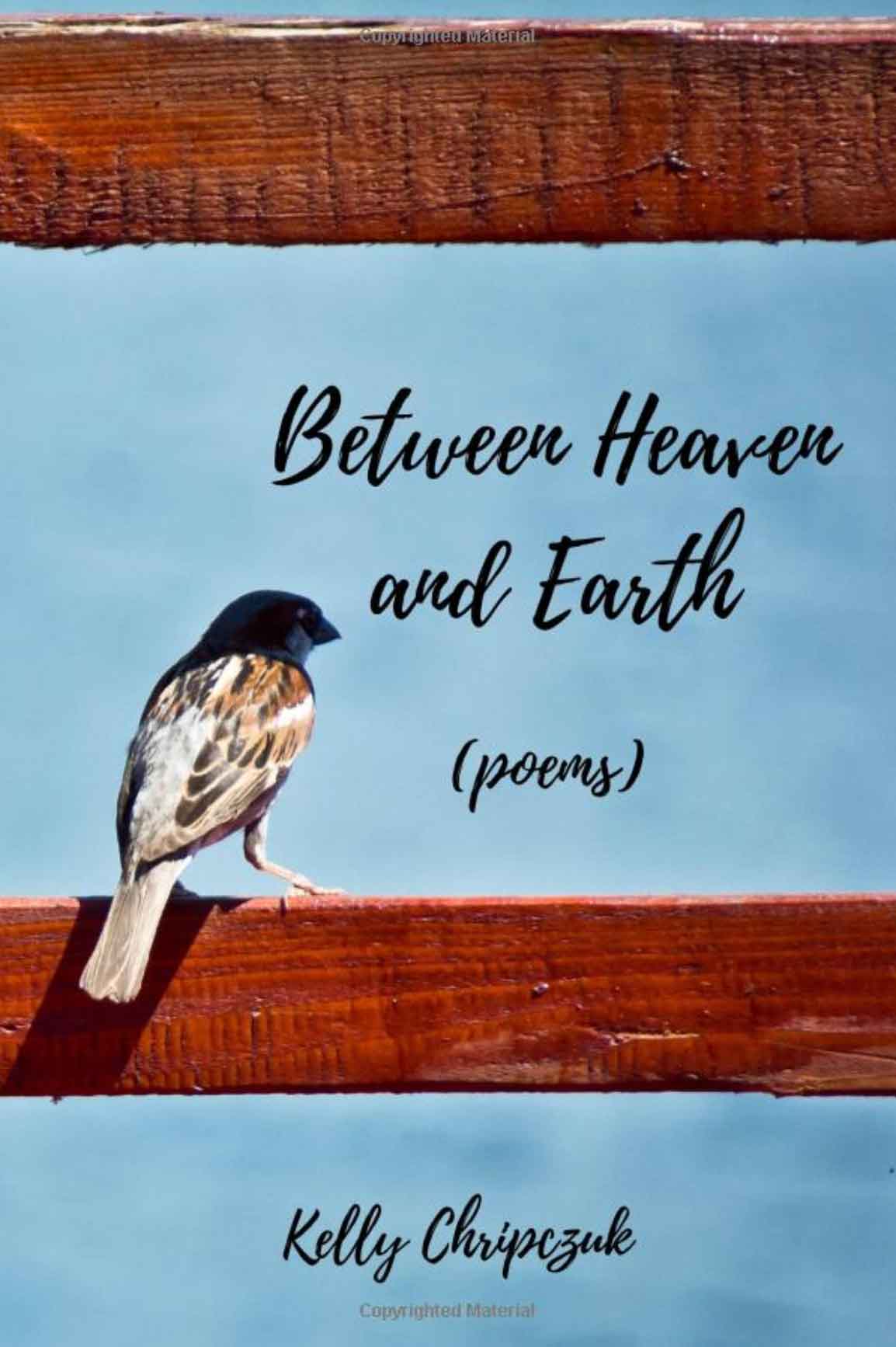
Between Heaven and Earth (poems)
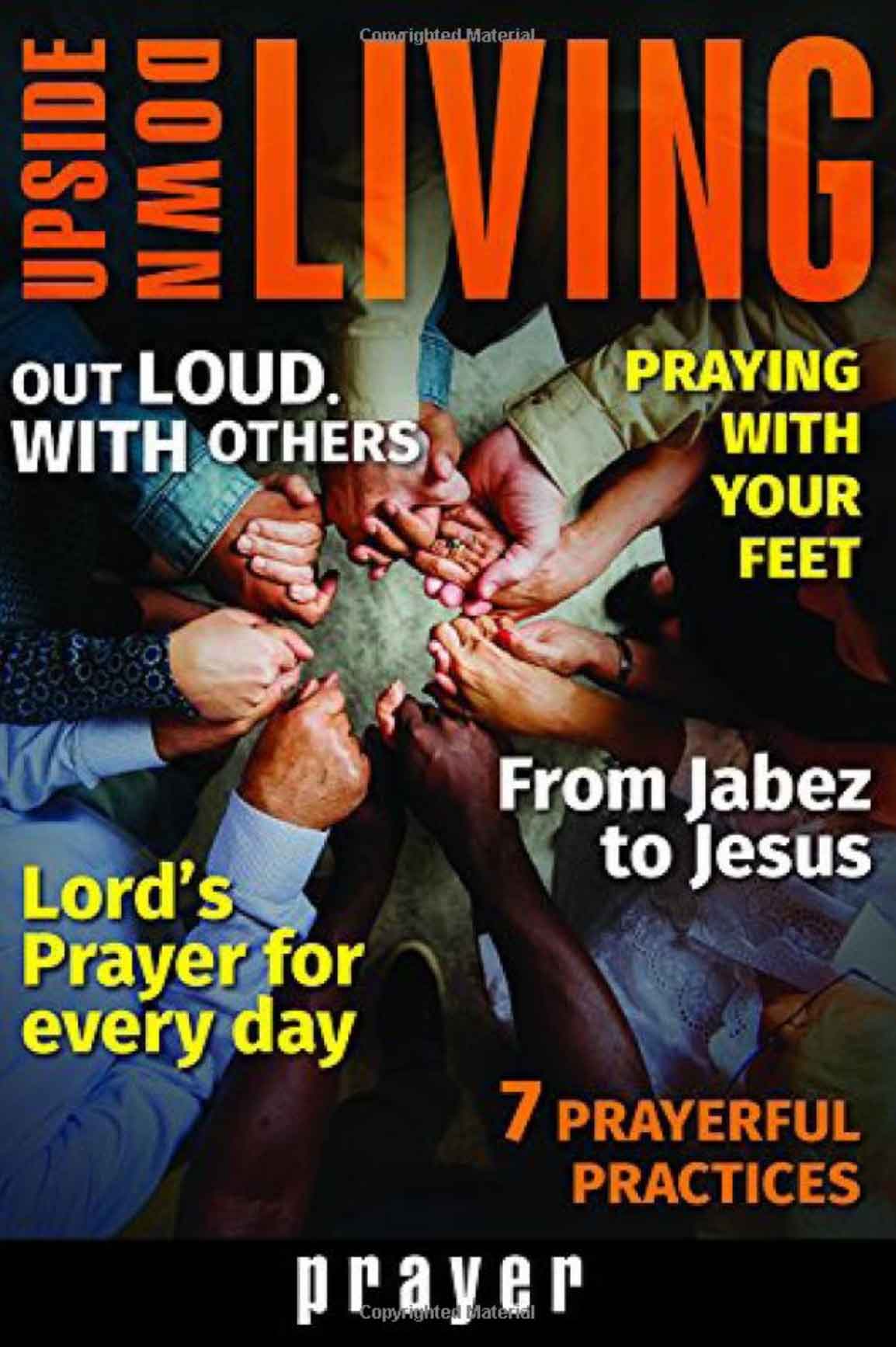
Prayer can easily become an afterthought, a hasty sentence, a laundry list of all the things we want. But what if prayer is a time to find out what God wants for us–and for our world? What does it mean to pray that the kingdom would come here and now as it is in heaven? Explore these questions in this study, and learn prayer practices that nurture intimacy with God and sensitivity to God’s dream for the world.
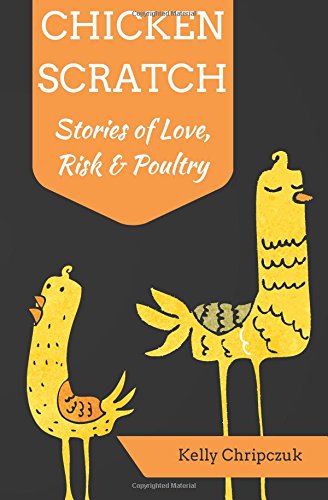
Follow this writer, spiritual director, and mother of four as she dives into the deep end of chicken farming and wrestles with the risks and rewards of living a life she loves. At turns hilarious, thoughtful, and always compassionate, Chicken Scratch will change the way you see the mess and chaos involved in living life to its fullest.
