
Essays
A Prayer for Wonder

We stayed
out later than normal and as I carried forty pounds of three year old through
the cold, dark night toward the waiting van, he happened to look up.
“The moon is
so little!” he cried.
I tipped my
chin toward heaven and saw stars winking their diamond light, but no moon in
sight.
“Does the
moon get that little every night?” he marveled.
“No, Levi,”
I said, “those are stars.”
He’s seen
the moon large, flat and silver hanging low and shining through his bedroom
window at night, but you have to be outside to see the stars. I tried to imagine what it must seem like to
him, as though a giant hammer shattered the moon and sent it flying across a
canvas of black, a million shimmering slivers of light.
//
“Go outside
and look at the stars,” God told Abraham.
“Try to count them if you can.”
“Where is
the king?” the wise men asked, “We have seen his star and have come to worship
him.”
“You will
shine like stars,” Paul tells the people of Phillipi.
//
How often do
I fail to look up, to set my eyes toward the wonder of all that shines in
heaven and on earth?
//
Last winter
we stood in a freezing field of evergreens as darkness descended, determined to
cut our own tree despite the inconvenience.
Mittened and booted, the kids and I huddled around the van while my
husband worked the hand saw back and forth against the still living tree.
Standing in
the field, out far beyond his bedtime, my one son was overwhelmed by the
dark. Tucking his mittened hand into my
own he turned his chubby face up and it shone, round and full like the moon. “Santa
up there,” he said in a voice filled with a mixture of utter certainty and
awe.
I was
surprised, we don’t really do much
with Santa at our house and although he missed the mark theologically, in that
wide darkness my little boy knew something holy and wonderful was afoot. His very being embodied wonder as he gazed
upward. In that moment he was not so
different from the wise men who couldn’t fully grasp the meaning of the star,
but knew wonder, knew light, when they saw it.
//
Tied to the
roof of the van, the tree followed us home to a dark little apartment where we strung it with lights, bringing a faint echo of the glimmering starlight
inside with us for a season. Those
lights hung between needles of green lit the room gently in the evenings – quieting us, calling our hearts, our minds, to wonder, as though God might
whisper in the darkness, “Look at the lights, try to count them if you can.”
//
Where are
you looking these days?
The world we live in holds enough darkness to overwhelm us all, darkness both
deep and wide. The good news of John’s
gospel, though, begins with a simple affirmation – “the light shines in the
darkness and the darkness has not overcome it.”
There is a
Light that shines among us and we are called not to deny the darkness, but to look for the Light in the very midst of it.
God of heaven and earth, teach us to look up,
to look out beyond our small selves, our small ideas.
Cultivate in us the eyes of a child –
eyes of wonder, awe and belief.
Let us stand unafraid in the dark, our faces lifted in wonder,
seeking the light that’s both already and yet to come.
Then we, with faces round and full
like the moon,
will shine like stars, like light scattered far and wide against
the night.
May You Know Discomfort (An Advent Blessing)
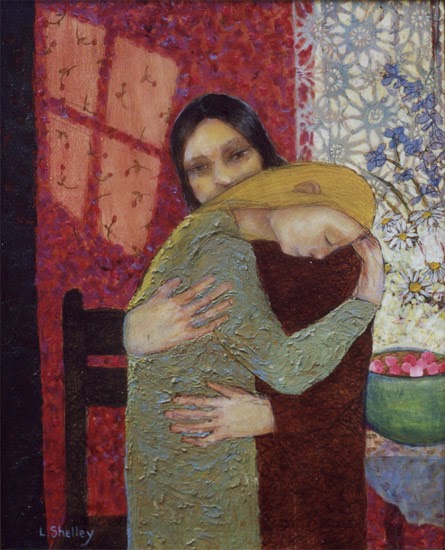
Comfort, O comfort my people, says your God. – Isaiah 40:1
There’s a comfort
that enshrouds the living
in the illusion of safety,
swaddled in excess, removed
from exposure, bundled
like that boy in A Christmas Story,
unable to move or effect much at all;
a comfort that leads to sleep that is a living
death.
Then, also, there is the comfort
that comes as a balm, soothing ointment
spread across the gaping wound. Comfort
like a gentle voice that knows your name and speaks
it even in the storm of anxiety and fear. Comfort
that sees your sin for what it is and bears its cost
like a weight lifted from your back. Comfort like water
for the thirsty, bread for the hungry, rest for the weary,
freedom for the oppressed. Comfort that restores fullness of
life.
The difference,
lies in the willingness
to be disturbed,
exposed,
vulnerable,
and weak.
May you know thirst and hunger this Advent.
May you feel the raw winds of exposure, the ache
of your own depletion.
May the darkness of this world
overwhelm you, laying bare the illusions of all that is false
within and around you.
May the emptiness, loneliness and longing
that is spaciousness and freedom rise up around you until
you’re able to hear the words of the prophet as they were spoken.
May you know discomfort that you might receive with joy,
the God of all Comfort.
This post is linked with Playdates with God.
Comfort (Advent Week 2)
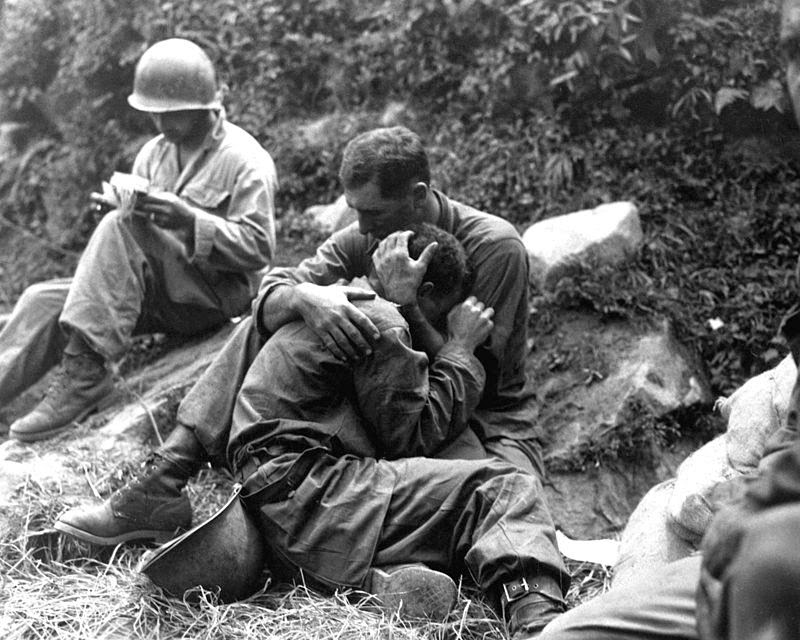
An American soldier is comforted after learning of the death of his friend.
Korean War 1950
Comfort, O comfort my people,
says your God.
Speak tenderly to Jerusalem,
and cry to her
that she has served her term,
that her penalty is paid,
that she has received from the Lord’s hand
double for all her sins.
A voice cries out:
‘In the wilderness prepare the way of the Lord,
make straight in the desert a highway for our God.
Every valley shall be lifted up,
and every mountain and hill be made low;
the uneven ground shall become level,
and the rough places a plain.
Then the glory of the Lord shall be revealed,
and all people shall see it together,
for the mouth of the Lord has spoken.’
A voice says, ‘Cry out!’
And I said, ‘What shall I cry?’
All people are grass,
their constancy is like the flower of the field.
The grass withers, the flower fades,
when the breath of the Lord blows upon it;
surely the people are grass.
The grass withers, the flower fades;
but the word of our God will stand for ever.
Get you up to a high mountain,
O Zion, herald of good tidings;
lift up your voice with strength,
O Jerusalem, herald of good tidings,
lift it up, do not fear;
say to the cities of Judah,
‘Here is your God!’
See, the Lord God comes with might,
and his arm rules for him;
his reward is with him,
and his recompense before him.
He will feed his flock like a shepherd;
he will gather the lambs in his arms,
and carry them in his bosom,
and gently lead the mother sheep.
– Isaiah 40:1-11
“I can’t
sleep,” I would say, turning to my husband in the early years of our marriage.
Half asleep,
he would raise one arm and gently caress my hair, his hand warm and calm.
“Noni-noni,”
he sang, a simple song of three notes that repeated over and over and the
simplicity of touch, of repetition and love fell like a blanket over me, a
tender comfort that held me to the present enabling me to pass through the
small, dim doorway to sleep unafraid.
//
When the
twins were coming my husband stood at my side and repeated
the words of Julian of Norwich over and over again, “All shall be well, and all
shall be well, and all manner of things shall be well.” This, in front of the four nurses, midwife
and two doctors, the anesthesiologist and doula who crowded the room.
Eyes locked
on his, I listened and breathed into the unknown, relaxing my body to make way
for new life.
“All shall
be well, and all shall be well, and all manner of things shall be well.”
Baby A came
so quickly like a match bursting into flame and Baby B was wrestled feet first
into the light and I could not stop bleeding and my husband was so simultaneously exhausted and thrilled.
I lay awake
all night, in pain, in fear until the angel came in the morning in the form of
a nurse full of bustle and command. “Do
not be afraid,” she said, “you won’t need surgery. You’re going to be ok, let’s try to get you
sitting up.”
Weeks later
I did need surgery, but the angel’s words and the words of Julian of Norwich
carried us, carried me, like the shepherd who gathers the lambs, who gently
leads the mother sheep.
//
The panic
attacks came fast and furious like the longest, hardest labor I’ve ever known,
wave after wave of fear and anxiety that cut me off from my own center,
from the ability to relax and surrender. My husband’s body offered a tangible comfort as
I leaned back in his arms, his flesh connecting me somehow to the present which
I felt otherwise unable to access.
When the
worst was past I lay in bed fearful but exhausted, desperate to rest, and he
sat beside me stroking my head, my arms, offering comfort as one would to a
trapped and wounded animal.
Eventually I
asked him to repeat this phrase, “You are floating in a sea of love,” and he
did so over and over as I drifted, finally, into a shallow peace.
//
“Comfort, O
comfort my people,” God told Isaiah, “Speak tenderly, that the worst has passed.”
Yet work was
still to be done – the making way for the One – the great upheaval that
precedes all new life. In the midst of
this, the prophet Isaiah murmurs like a husband to fearful Israel and the pain
of the present agony is placed in the context of God’s constancy, the presence
that does not wither or fade.
This tender
comfort is what allows Israel to lift her weary head, to look up, climb up to
the heights and find her voice returned with the renewed strength of one who
has passed through the night and survived.
//
“Do not be afraid,”
the angel tells us at Advent; tells Zechariah, Mary and the shepherds.
“Comfort, O
Comfort,” Isaiah is told.
And these words of
tenderness fall upon our weary heads like a warm and gentle hand.
//
Christ has
come and yet the tumult continues as the whole world trembles in labor for the
kingdom which is already and not yet.
And we, Christ’s followers, must go like Isaiah, to the rough, desert places of fear and pain, must offer our hands, our whispering voices to carry
each other through the night.
“Do not be
afraid.”
“All shall
be well.”
“Lift up
your voices,” the Lord has come and is coming still.
I’m grateful to be joining with authors Winn Collier and John D. Blase to reflect on a lectionary reading for each week of Advent. Stop by their websites for another angle on Isaiah’s text – Winn is pastor of All Souls Church in Charlottesville, VA and John is a poet and author of the beautiful book, Touching Wonder: Recapturing the Awe of Christmas.
This post is also linked with the Unforced Rhythms community.
When God Comes Down (Advent Week One)

This Advent season I’m excited to be joining John D. Blase and Win Collier in writing weekly reflections based on a passage from each week’s lectionary texts. Every Monday we’ll each be posting our own take on the passage at hand and I encourage you to visit their sites as each of us explores the passage from a different angle. This week’s reading, in full, is Isaiah 64:1-9.
O that you would tear open the heavens and
come down,
so that the mountains would quake at your
presence –
as when fire kindles brushwood and the fire
causes water to boil – (Isaiah 64:1-2a)
In the final
days of summer, the twins and I played in the grassy field beside our
house, chasing, tackling, falling and laughing until, finally, in need of a
break, I stretched out on the ground underneath the giant maple tree. The boys, still ready for rough-housing,
continued to climb and jump on me.
In an effort
to distract them, I told them to lay on their backs.
We three lay
in a row looking up at the leaves and glimmers of blue sky beyond.
“Stretch
your arms up,” I said, “Can you reach the leaves?”
Six arms
expanded upward, but even my long limbs fell short of the task. Lying on our backs we weredwarfed by the world, by the distance between
heaven and earth.
“Me can
reach ‘berry high,” my one boy observed, “but me not reach all the way to the
sky.”
//
The weather
was uniformly beautiful during the week I spent as a patient in the psychiatric
hospital. Mid-August in Central PA is
typically hot, humid and hazy, but that week the air was fresh, almost crisp,
and the sky was the brightest, clearest blue you can imagine.
Every day,
twice a day, patients who didn’t pose a risk to themselves or others could
board the elevator and travel down two floors to a basement room. There a double glass doorway led out to a
small, grassy courtyard that bore an uncanny resemblance to a prison yard, complete
with a small basketball court and fencing topped with spirals of barbed
wire.
Going
outside was a privilege, a chance to breathe fresh air, to feel the sun on your
face and arms and, equally importantly, to escape the chaos of the unit.
Toward the
end of my hospitalization, when the unit itself became most stressful, I
treasured those moments in the sun. Most
patients sat on benches or paced the small enclosure like restless lions at the
zoo, but I felt the earth drawing me like a magnet and finally took to laying
flat-out on the green grass, feeling the cool, solid earth beneath me, holding
me steady while the sun worked its fingers of light across my back.
//
The presence
of God, biblically speaking, is a force powerful enough to cause the mountains
and the earth itself to tremble. When
God is on the move the whole earth shakes, the foundations of the world
teetering like bowling pins about to topple.
This is not
typically how we like to think of God’s movement in our lives, our contemporary
god to whom we pray fervently for comfort and safety, for smooth sailing across
calm seas.
This summer
I felt the earth of my soul move in ways I knew were necessary, but the
experience itself was terrifying. Suddenly
I recognized a hint of desperation in the Pslamist’s cries, “Where can I flee
from your presence, O God?”
//
There are
times in life when our world is so shaken that the only comfort, the only
sensible thing to do is to get down low, to kneel, to lay, stretched out on the
only solid thing we can find – the earth that was made for us, that holds us
through our daily rounds of exultation and defeat.
Lowered from
the lofty heights of our own initiative, we’re rendered useless. Lying on our backs we find the invitation to
surrender control, to relax, held as we were in birth, prone as we will be in
death.
We can reach
“berry high” but we cannot touch the sky and, in the assurance of the earth’s
embrace our limited potential is not a threat, but a comfort. As Isaiah says, it’s God who must come down
among us, God whose fierce strength and determination rends the great divide sending
out shock-waves that echo through the very heart of heaven and earth.
Maybe this
is exactly what we need – not what we want, but what we need – a good shaking
up, the feeling of uncomfortable heat on our backsides, a jolt of change
profound enough to break us loose from the sins and ties that bind.
This is
where Advent begins, with the trembling, quaking, tearing force of One drawn to
us by love. So let us, if we are wise, throw ourselves to the ground, acknowledging the distance, returning to
our place in the proper order of things, undone and expectant in anticipation of the God who came down and continues to dwell among us in ways both unsettling and liberating.
This post is also linked with the Unforced Rhythms community and Laura Boggess’ Playdates with God.
Pause
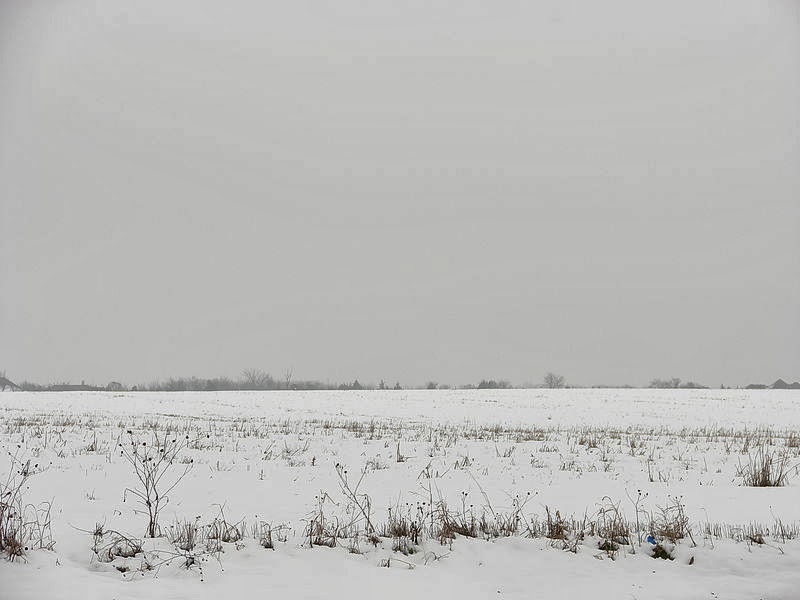
This morning
the world was cloaked,
white on
white, as snow fell and the mountains
shied behind
a sheet of fog. The cornfield
stretched between, like a wide sheet of paper,
empty.
Lighting the
fire, I feel the way
these two
days between Thanksgiving
and Advent
stretch silent and open.
I want to
fall into these days,
to lay down
in the great white expanse
of them
amidst the absence of color, of noise,
of
need.
This is the
moment between satisfaction
and desire
when we turn our hearts
from
training to see what is,
to longing
for that which is to come.
There’s still time to sign-up to receive weekly poems and good links to deepen your journey through advent this year. Visit this link to subscribe or visit Quiet Lights: Advent Wonder for Your Inbox to find out more.
Quiet Lights: Advent Wonder in Your Inbox
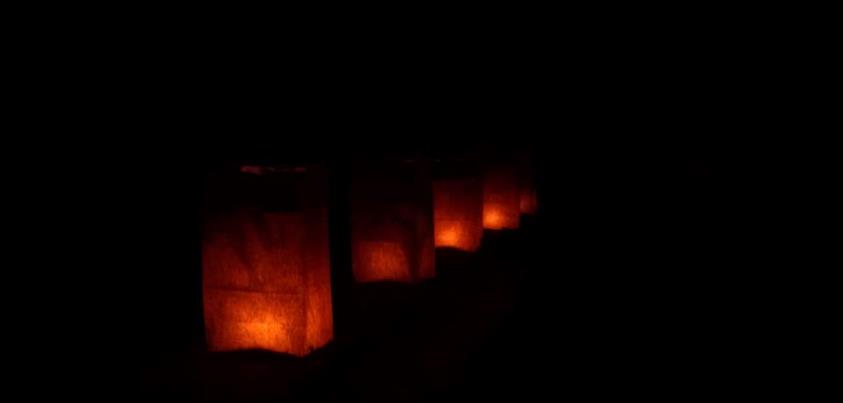
Dinner time at our house is often insane, well, make that always insane.
But every once in awhile, when I’ve had it up-to-here with the volume and intensity, I
set a few small candles in the center of the table and turn off the
overhead lights. The darkness brings a momentary quiet, which is no small feat with four young children gathered around.
We
all hear the striking of the match and watch as light bursts into
being. Lighting candles at dinner instills, for a few moments at least,
a sense of awe and wonder in the middle of what’s otherwise a hectic,
frantic, free-for-all.
Walking through a store a few weeks
ago, I found myself surrounded by the stuff of Christmas. As I
thought of the season ahead, I realized my deepest desire is to be
present to this precious season – to slow down and be re-awakened to awe
and wonder.
Maybe this is your desire too?
This Advent season I’d like to offer you a series of Quiet Lights in
your inbox. Think of these emails as me lighting a candle for you.
Each email will contain a simple poem or quote as well as a few links to
good reads from around the web aimed at deepening your capacity for
presence, stillness and wonder during advent.
This isn’t one more thing to do, no one needs that this time of year, it’s simply an opportunity to be – to be present, to be aware, to be awakened.
These free emails will begin December 1st and continue through the Christmas season. Interested? Click on the link below to enter your email address and subscribe or visit the Field of Wild Flowers facebook page and send me a private message and I’ll add you myself.
I’d be grateful if you’d share this post (via facebook or email) with both your friends at large and two or three close friends who you believe would be blessed by receiving Quiet Lights in their inbox. The more, the merrier!
Click here to subscribe to Quiet Lights.
Sometimes the most important thing in a whole day
is the rest we take between two deep breaths,
or the turning inwards in prayer
for five short minutes.
—Etty Hillesum
Linking today with Playdates With God and Unforced Rhythms.
A Thanksgiving Confession (Old Lady Feet, Boots and Self-Pity)
I’m here to
make a confession. Are you ready? Here goes . . .
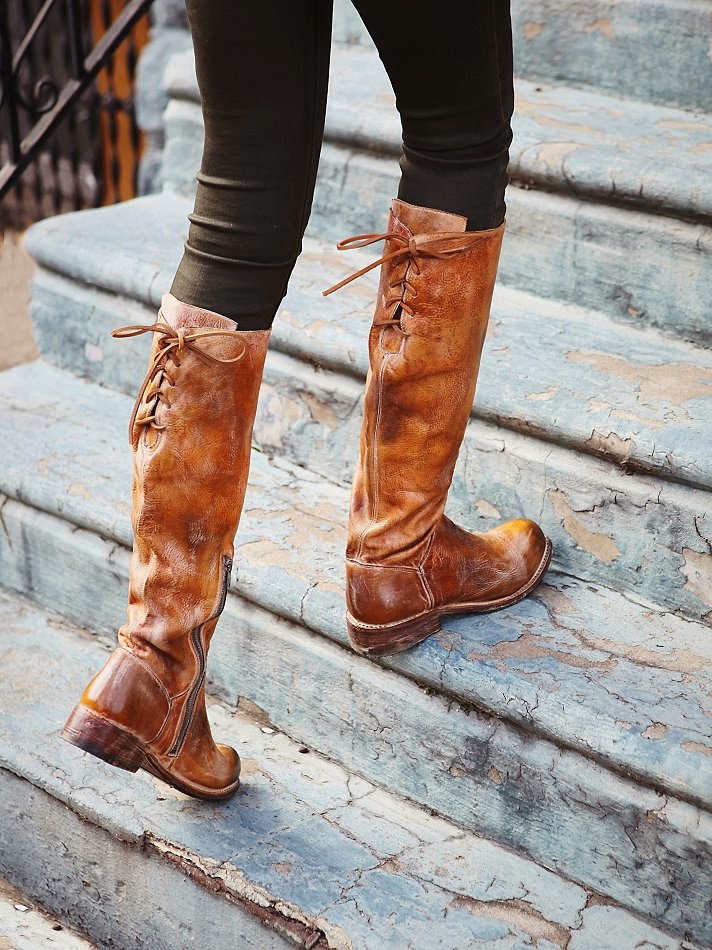
I’ve become
a little obsessed with the tall leather boots everyone seems to be wearing
these days. Boots paired with skinny
jeans, boots paired with dresses, brown boots, black boots, gray.
It seems to
me to be the uniform of our time – tall boots and skinny jeans and, here
precisely is the problem – I don’t own either.
Boots have
been in for awhile now and, to be honest, I thought it wouldn’t last. And skinny jeans, really? Still?
But I
digress.
I want a
pair of rich leather brown boots – tall, but not too tall, flat heeled, perfection
in a shoe – and I want them now. I
wanted them last year and the year before and also probably the year before
that. I ordered a pair once, used, but
ended up reselling them because they didn’t fit well enough considering the
price I paid.
I can’t
afford to keep a pair of boots that don’t fit.
I can’t
afford a pair of boots, period. Not the
ones like I want at least.
And this has
become for me a source of great self-pity.
That’s right, poor me, I don’t have nice leather boots. And, as self-pity is likely to do, the
absence of boots in my life has become an obsession of sorts – I no longer see
people, I see the boots they’re wearing, I see the boots I lack.
//
Here’s
something else you should know – ever since carrying two giant babies in my
womb for nearly nine months straight, my feet are not the same. Those of you who’ve not yet given birth may
want to cover your ears now, but yes, it’s true, pregnancy can change your
feet.
I now have
what I refer to as Old Lady Feet or O.L.Fs for short. O.L.Fs can’t
run around barefoot, can’t wear dollar-store flip-flops or ballet flats. I am a woman now who needs sturdy, solid
shoes, serious shoes.
For the last
three summers I’ve worn my trusty Chaco sandals – the ones I bought off of gear
trade in the months before the twins arrived.
In them, my feet are happy, comfortable, youthful (almost).
But in the
winter I suffered.
A mother of
four is on her feet constantly, if only to avoid the groping, grabbing arms of
the little people who swarm at her feet.
All day long, up and down stairs, carrying people, carrying laundry,
buying groceries, I wore shoes that lacked support. I ached, I hobbled and limped, compensating
for my poor unsupported arches by walking on the outer edges of my feet.
I tried
Clarks. I tried Keens. I even tried what can only be referred to as “Old
Lady Shoes.” I bought and sold shoes on e-bay like a Wall Street day trader,
but my feet constantly hurt.
In the privacy
of my own home I took to wearing Birkenstock sandals with thick wool socks
because it was the only way I could find relief – I was desperate, people!
Last spring,
though, as I considered pulling out the stops and buying a pair of closed-toed
Birkenstocks that I couldn’t afford, I came across a pair of leather,
closed-toed Chacos for sale on e-bay.
Be still my
beating heart.
I bought
them, I loved them and love them still.
This year when the weather turned and it was time to pack up the
sandals, I had a pair of comfortable shoes just waiting for me and my thick
woolen socks.
What I’m
trying to say, is that I should be thankful, grateful for what I have which is
a great deal better than what I’ve had in the past.
Yet, the
issue of the boots remains and rather than grateful I’m, quite honestly, often
filled with pity for my poor O.L.Fs, for my lack of fashionability, for myself
not having what my half-blinded eyes are telling me everyone else around me
has.
//
Self-pity
narrows the gaze, like blinders on a horse it limits our sight to the things we
believe we need but do not have. More
often than not, it turns a want into an obsession, blinding us to the things we
do have, to the possibilities that abound all around us.
Self-pity takes me to old familiar places and wallowing there I find lies
rising up around me like ghosts from my childhood and the words they whisper
are hauntingly familiar.
“You don’t have what you want? You must not be good enough. You’ll never fit in. Everyone knows you have the wrong shoes. What’s wrong with you??”
Suddenly all
of life is reduced to that which I do not have.
I’m no
longer able to see or appreciate the beautiful home I live in, my sweet
children, the warmth of the woodstove, the love of my husband who could care
less what I wear and, quite honestly, likes me best undressed.
Self-pity
tells me, in short, that life and wants and needs are a formula:
If you want X, get
money, buy X and you will Be Happy.
This week it
occurred to me that I accept that formula even though I don’t have money and
won’t be buying “X” any time soon, because such a formula places me in a position of
power and control. Self-pity says, “Yes, you need
what you think you need and it’s up to you to get it, but you’re not able to,
you poor, poor thing. There must be something wrong with you.”
Self-pity
revolves around self.
//
I tell
myself sometimes that if I could only get that pair of boots all of life would
come together neatly just like I want it to. I could finally wear that
cute corduroy skirt I found at Community Aide, I could venture into the realm
of skinny jeans (although my instinct warns me that would be a move I’d regret –
giving birth changes more than just your feet). I would fit in, I would be
happy, I would be wearing the uniform of my generation.
It’s
possible that all of those things are true.
Possible, but not likely.
In the
meantime, I have my Chacos, I have a cute pair of rain boots.
I have feet,
I have legs, I have a wooden floor to stand on and the privilege of walking in
grass and snow or sitting inside with the bottoms of my feet melting against
the wood stove whenever I want.
I have so
much.
So much.
And I’m not
willing to let self-pity steal that from me anymore.
//
I’m not just
talking about boots, of course. I’m
talking about life and focus and where we choose to place our energy, the way
we allow our human desires to lead us into places that are narrow or wide. The desire for boots isn’t the only area in
which I’ve allowed self-pity to blossom, but it’s the easiest one to write
about for now, the easiest to joke about.
This is not
a story about boots.
It’s a story
about desire, about longing, and about where we chose to let our eyes rest,
where we place our focus and the things or people or positions we set our heart
on attaining.
Maybe I’ll
get a pair of boots for Christmas. Maybe
they’ll go out of fashion.
In the
meantime, though, I don’t want to let self-pity rob me of all the things I do
have. I want to pray for a wider vision,
for a more open heart. I want to confess and repent. I want to see
more than what I lack and I want to trust in the one who is the giver of all
good things – the giver of Chacos and Birkenstocks, of flip-flops, ballet-flats
and yes, tall leather boots.
Maybe you do
too?
Maybe the next
time you find self-pity taking root like a weed, you’ll think of this story, you’ll
remember that the choice is yours to make – between life and death, between
self-pity for all that is not and gratitude for all that is.
Tell Me Again (of shadows and faith)
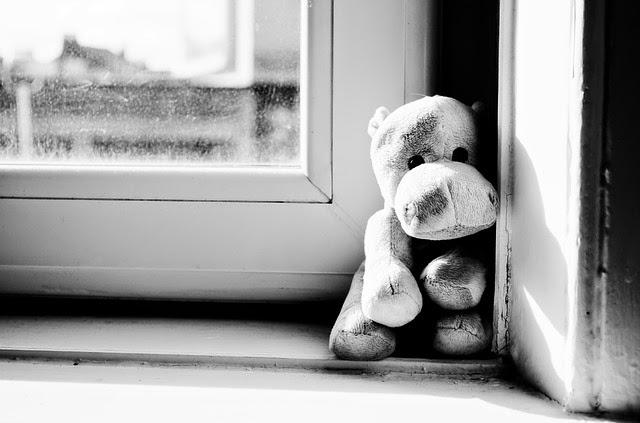
Last night, in a charming bid to avoid bedtime, one of my three-year-olds asked me, “Where does shadows go?” I stood in the dark doorway explaining about darkness and light until they seemed satisfied. Then, when the other boy woke at 3 am in a soaked bed, my little imp asked me to tell him again, in a less charming bid to avoid sleep, where the shadows go. That time I told him to go to sleep, we’d talk about it in the morning. But when I got back to bed, the question tickled my imagination and in the morning this poem was found in the question’s fading shadow. Enjoy!
Now faith is . . . the conviction of things not seen. (Hebrews 11:1)
“Tell me
again, Mommy, where does the shadows go?”
By morning’s
light, my love, as dawn creeps
over the
mountain, I roll them up tight, every shape
that echos
an object. Soft like velvet, slipping
smoothly
through my
hands, I gather the night’s shadows,
tucking
them into the far corners of your closet
and behind
the attic door. All day long they wait,
deepening, exuding the smell of
the rich,
dark earth,
of damp caves and mushroom spores.
When evening descends and you’re busy with dessert,
I roam the
house, stretching shadows out again,
smoothing
them flat across ceiling or floor,
these soft
shapes of remembrance, the dark reminders
that what
you cannot see does not cease to exist
when the
lights go out. Shadows lengthen, like faith,
as darkness descends, reminders of things unseen,
until morning’s light reveals what was always present.
Linking up with Unforced Rhythms of Grace and Playdates with God.
Morning Devotions

Kneeling on
the cold stone
hearth each
morning,
facing
yesterday’s ashes
cold and gray as
death,
ignites a necessary humility.
Today’s fire must be made
from what
lies at hand –
life and
heat coaxed
from pages of an old newspaper,
kindling and a match
placed just
so and the one log
that sits in
the wood box, big
enough to
snuff it all out.
Dare to try,
for you must
face this
possible failure
again and
again if you wish
to stave off
the chill, to warm
the house
before the children wake
in their
innocence unaware
of this
wrestling with wood
and flame,
the effort it takes,
the
faith.
Linking with The High Calling for their community gathering on the topic, Create Good.
Gathering Mystery (a poem)
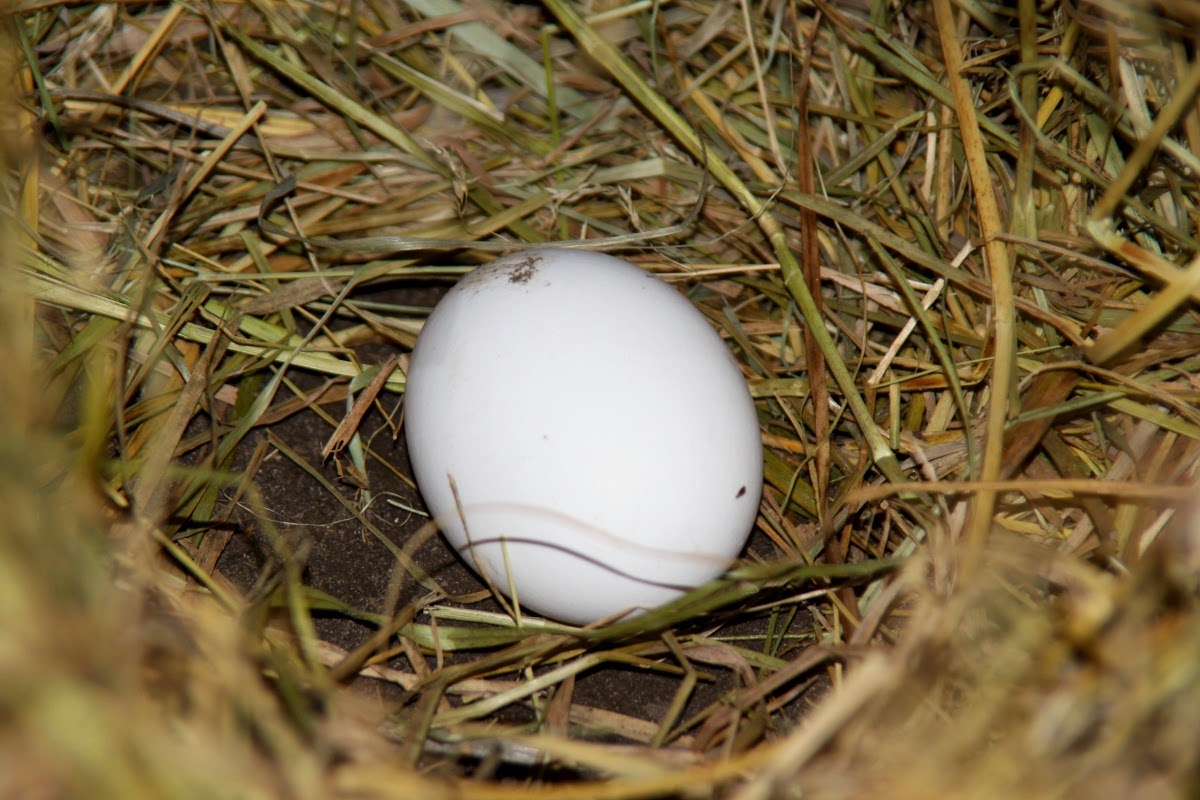
Eggs arrive
one-a-day,
like manna.
We run
to check
the nest box,
Israelites leaping
at first light,
hands open,
to gather
the mystery
of provision
from
unlikely
places.
Linking with Playdates with God and the Unforced Rhythms community.
All of the Things of Fall
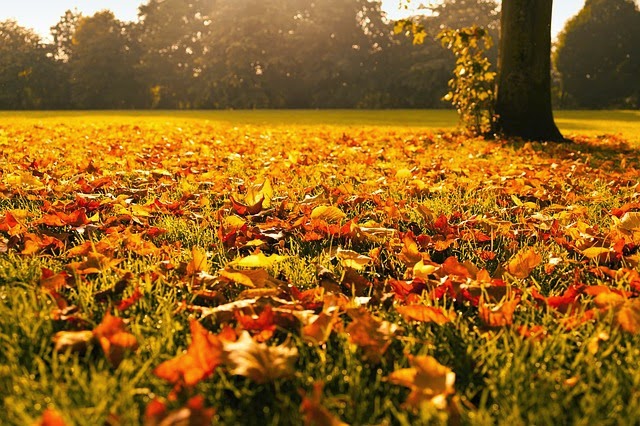
All of the things of fall
are as beautiful in their dying
as they were in their birth,
as if it were a farewell party,
a last hurrah, a riotous wake.
May I also be beautiful
in my surrender, fading
from green to brilliant
orange or red, and may
the moment of my letting go
be as precious as the leaf
that falls, unnoticed,
to the ground
that catches it.
Still, there always remains
those few leaves that cling
and hold on, withered brown
in their stubbornness. Refusing
to fall, they face the stark white winter
alone while, below, the others return
to that from which they came;
returning, as it were, to home.
Photo Source.
Come Rest With Me
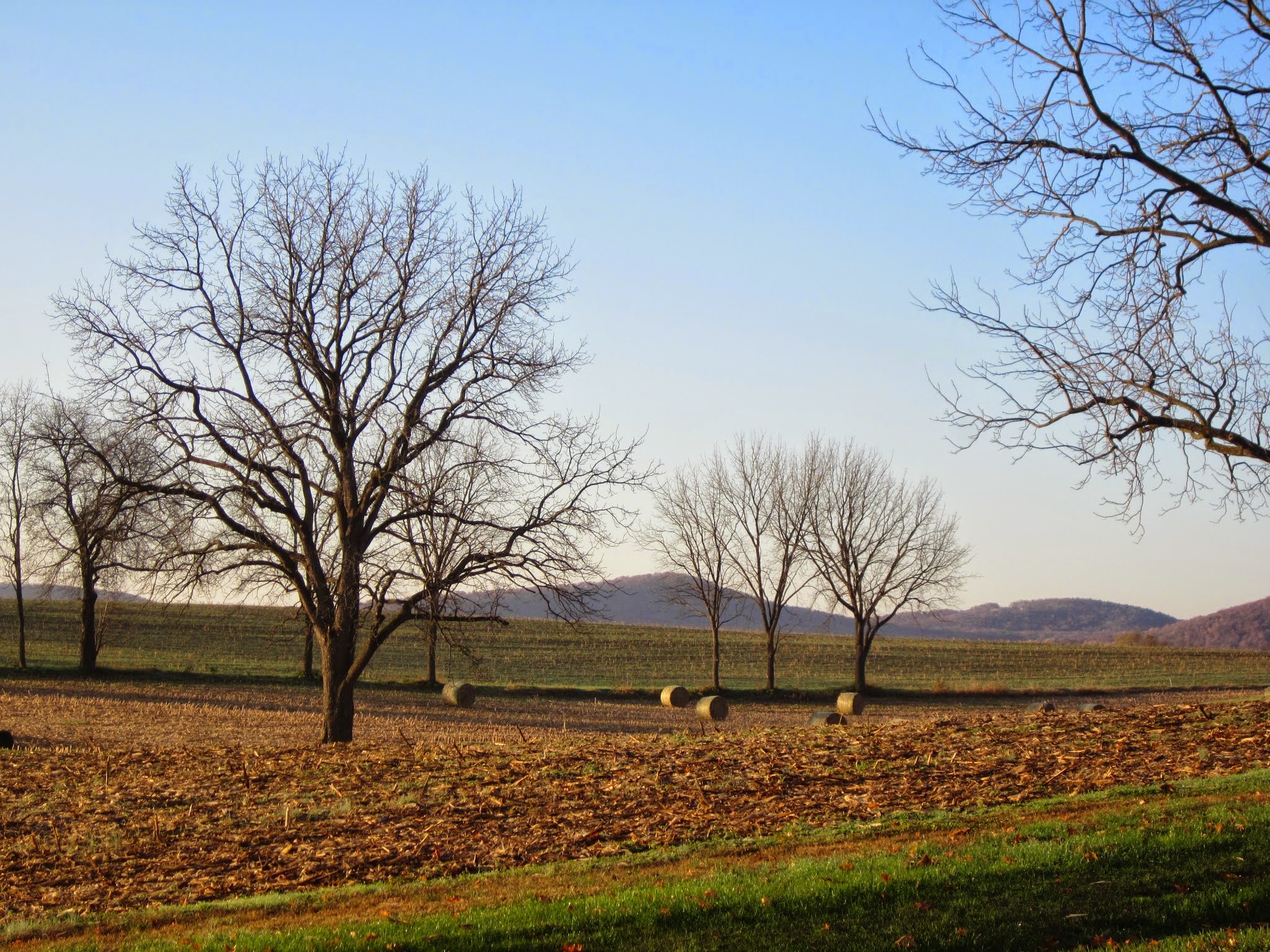
The cornfield across the street preparing for its winter nap.
The only way
I can get my three year old twins to nap is by joining them.
It started
last week, the day after a horrid night of fevers and chills that kept the
littlest one and me up until well past one a.m.
The fever broke by morning, but we were all haggard with a chest cold
that refused to let us go. I don’t
remember how we made it through the morning, but by afternoon I had only one
priority: sleep.
My boys gave
up napping last spring and since then we’ve instilled a daily practice of “quiet
time” which is routinely loud and filled with interruptions, arguments, loud
crashes and the daily dismantling of their entire room. The other day I ventured upstairs to
investigate an alarming racket and found one boy hammering the pine paneled wall
above his bed with a giant metal hammer.
Most days I
flee to the kitchen during the “quiet” hour, the room from which I can hear the
least. One day a few weeks ago I laid
down on the kitchen floor and took a nap on a small rug, right there beside the
sink and cupboards; I curled up like a cat.
After lunch
last Wednesday I announced my plan – we would be napping, together. The boys were excited, curious. Where would I sleep? Would I have a sleeping bag? Would we really all be in the same room?
I tucked
them in with their blankets, curtains closed, lights out. They watched me stretch out on the thin wool
race car rug with my pillow and a fleece blanket.
“No talking,”
I said.
I lay still,
sleep settling like a fog and listened as they each sat up to peer at me as if
to call my bluff, but I stayed silent and still and one by one they took it as
truth – we were going to sleep.
Isaiah was first
to give in and I listened as his breathing deepened, his body relaxing into a
restful rhythm. Levi tossed and turned, fidgeting,
then he took up his stuffed kitty with the rattle inside and began shaking it
rhythmically, forcefully.
“Levi,” I
said, “No. You need to be quiet. Close your eyes.”
He laid the
cat aside and I don’t know which of us fell first, but two hours later I woke
to the quiet of two still-sleeping boys.
They LOVED
that we napped together.
Yesterday I
pulled the trick again. Since the change
to daylight savings time our rhythms of rest and wakefulness have been oddly
skewed by early morning waking and early evening meltdowns. My boys were tired and needed rest, so I
tucked them in again, this time leaving the room to head downstairs for a
much-needed break.
They were quiet,
but restless, tossing and turning and I knew with certainty it wouldn’t be long
before the whispering, then shouting began.
Sitting at the computer I could feel my own exhaustion weighing me down
and eventually I gave in. Climbing the
stairs with a pillow and blanket in hand, I pushed their bedroom door open to
find two bright-faced boys sitting up in bed.
I sent them
to the bathroom, then tucked their blankets in again. I told them we would all be napping and
stretched out on the dirty blue rug with my cell phone on vibrate beside me so
we wouldn’t over sleep and miss the bus bringing the older kids home.
Isaiah fell
first again and Levi and I had our usual back and forth, then we all sank
together in that small dark room.
I’ve been
learning lately about the sacredness of rest; how sleep can be prayer and worship
rolled into one. In the silent stillness
of my boys’ room, I felt us all enveloped by the holy, as though returned to the womb of
life, the place where we’re nurtured in darkness and formed in our inmost
beings.
I’m teaching
my boys the art of surrender, of giving in to the body’s need for rest – here,
lay your head down like so, cover yourself, be still, be silent – or is it they
who, in their evident need, are teaching me?
This is what
I pondered when I woke before them yesterday and slipped downstairs to stare
out at the empty cornfield with a sleepy kitten in my lap – how rest is a learned behavior, something
modeled.
Resting with
my boys, I am reminded again that God rested, right there in the beginning of
the bible, before all of the other good and exciting things, God took a day off.
Almost as if God was sure we would never
figure it out on our own.
I believe
God rests still, with us, when we stretch out long on an old wooden floor or snuggle
up sweet like the twins in their big boy beds.
God models rest and invites us in whispering as the silent night settles and wraps her wings around us, “Here,
lay your head down like so, cover yourself, be still, be silent, rest.”
This post is linked with Playdates with God , Unforced Rhythms, and #TellHisStory.
I Die A Hundred Deaths (Halloween and the Grouchy Ladybug)
This post from 2012 is one of my favorites. The twins were just over a year old, Solomon was four and Sophia was in first grade. I can’t find the pictures that go with that Halloween, they’re on an old computer, but the story should suffice. I hope you enjoy it and find some grace for your own moments of surrender and resurrection. Happy Halloween!
It’s rainy and cold and we’re all keyed up and worn out from being trapped indoors for two days by
Hurricane Sandy. I wake up late
and squeeze in a shower while the twins, still in dirty diapers from the
night before, wander around the living room. Their whining amplifies to full
pitch as my shower cues them in to the possibility that I’ll be (gasp!)
leaving for the morning. The preemptive
separation anxiety continues through breakfast and packing everyone into the
van to take my oldest to school.
After drop-off I cart the remaining
three kids back
into the house. We mull around, waiting anxiously for the babysitter
who’ll stay with the twins while the four year old and I head to
his Halloween party at a local nursing home.
The
twins settle for a few minutes,
their anxiety lulled by the fact that I haven’t left yet
and simultaneously my son’s anxiety about the party rises. He peppers me with questions,
“Will there be people from the nursing home in the party?”
“Um, I’m not sure, honey.”
“Will they see me in my costume?”
“Yes.”
“Are you going to dress up?”
“No”
“I don’t want to wear a costume.”
I’ve been dreading this party from moment it was first mentioned, knowing that my son, so robust
and cheerful at home, will be shy and clingy in a new place. Committed to accompanying him, I hired a babysitter
for the twins, despite my own teeth-clenching,
foot-dragging antagonism toward it all.
“Solomon,” I say, “what if I wear a costume too?” I emerge from the back room wearing the
fuzzy black antennae from my daughter’s ladybug costume.
“Ok,” he says, brightening, “you can be a black beetle.”
Then, I can feel myself giving in, letting go a little more
as the idea strikes and I say, “What if I’m a ladybug? I can steal Sophia’s costume.”
He approves and I have just enough time to gather the
red and black-dotted wings and my camera as the babysitter arrives and the oldest twin
dissolves into a raging stream of tears, protesting my impending
departure. I run in circles grabbing
things, carrying the littlest one and nearly run out the door with him, before
the sitter stops me and grabs him saying, “This one’s staying.”
Then we’re off to a party I don’t want to go to, but also
don’t want my son to miss. We
drive
through the rain and find his friends in a large room coloring at a
table while elderly people in wheelchairs are set in a wide circle
around them. The residents watch, their eyes hungrily absorbing the
beauty and innocence, the luxury
of so much youth in one small space.
My son is clingy, shy and tired, overwhelmed by
the noise, the crafts, the games and I do my best to get into the spirit of
things. I help with glue and tear bits
of tissue paper, I assure another child that it doesn’t matter where he puts
the eyes on his pumpkin. I laugh with
the other Moms over the resident who rides in on a wheelchair, pretending to
scare the kids with a mask, all the while giving a growing peep show as his
robe slides further and further open. I take a smiling picture with my son, a little Iron Man snuggled up on a ladybug’s lap.
By the time we get home, though, I’m over-stimulated and frustrated at my
inability to love Halloween, to love loud parties and candy. The twins are exhausted and hungry when we walk in and they’re
drawn to me like magnets, pressing their tiny bodies onto me in
desperation.
It’s all I can do to
untangle myself, causing more tears and desperation, as I head to the kitchen to
make lunch. Solomon is sorting and
dumping candy, dancing and singing and blowing the whistle from his party bag
and the twins are screaming in their highchairs, desperate to make it clear how
deeply my absence has wronged them.
Then I’m yelling, “Stop it” and throwing an apple-peel all
the way across the kitchen til it bounces off of one twin and they both sit
staring, shocked into silence and my son, that sweet four year old boy, offers
to play his whistle to settle them down.
//
There are days when being a mother feels like dying a hundred tiny deaths. A hundred letting-gos, a thousand surrenders to more noise, more movement, more demands than I feel capable of handling.I’m
not complaining, I simply want to be honest about the stretch of
motherhood and how quickly, how fiercely, I shrink back from it.
I died a hundred little deaths this morning and will surely
die a hundred more before nightfall on this, the day of the dead. But I know, thank God, that this dying, this
surrender, makes me new again.
I may die a
hundred times a day, but I’m just as often made new, reborn in the face
of a chubby, gap-toothed grin, a gentle hand seeking mine for reassurance. Just today I was resurrected
by the voice of my son calling cheerfully from the back of the van as we made
our way home, “I can’t wait to be old so I can go to the nursing home to live.”
//
Later in the day as I’m making chili
for friends who’re coming to trick-or-treat with us, as the twins again
stand whining at the gate that divides them from me, my Dad calls with
the news that my maternal grandmother has died in the nursing home where
she’s lived for years now in North Carolina.
Standing over the
stove, stirring the chili, I find myself surprisingly grateful.
Grateful that, athough I couldn’t be there with her, I was here, at a
nursing home with my son, the very same morning. I think of my
Grandmother’s life and the many little and big deaths she endured. I
think of the ways I get so focused on what I’m giving up, that I nearly
miss what I have right here, right now in front of me. It occurs to me
that I live such a grace-filled life, full of opportunities
for surrender, continually pressing me toward the edge.
//
Dinner
is finished, the kids and husband are home and the poor older twin, who
just can’t pull himself together, sits crying on the floor. I scoop
him up and settle in the rocker and watch as he drifts into a heavy
sleep. I love the moment – the rocking, the sleeping child so sweet.
Then he lifts his head and looks around, disoriented, before throwing up
all over both of us. Leaning forward, exhausted, he lays his head back on my
chest with that pile of warm, smelly goo spread like a layer of glue
between us. I died again in that moment and rose again to hug him tight
until my husband came to help us both get cleaned up.
//
Every day of the dead, every Halloween, gives way to all saints
day and I wonder if we too, dying in our little and big ways, aren’t also being moved, continually,
from death to new life. This dying is a surrender, a stripping bare by letting-go until all that remains is love.
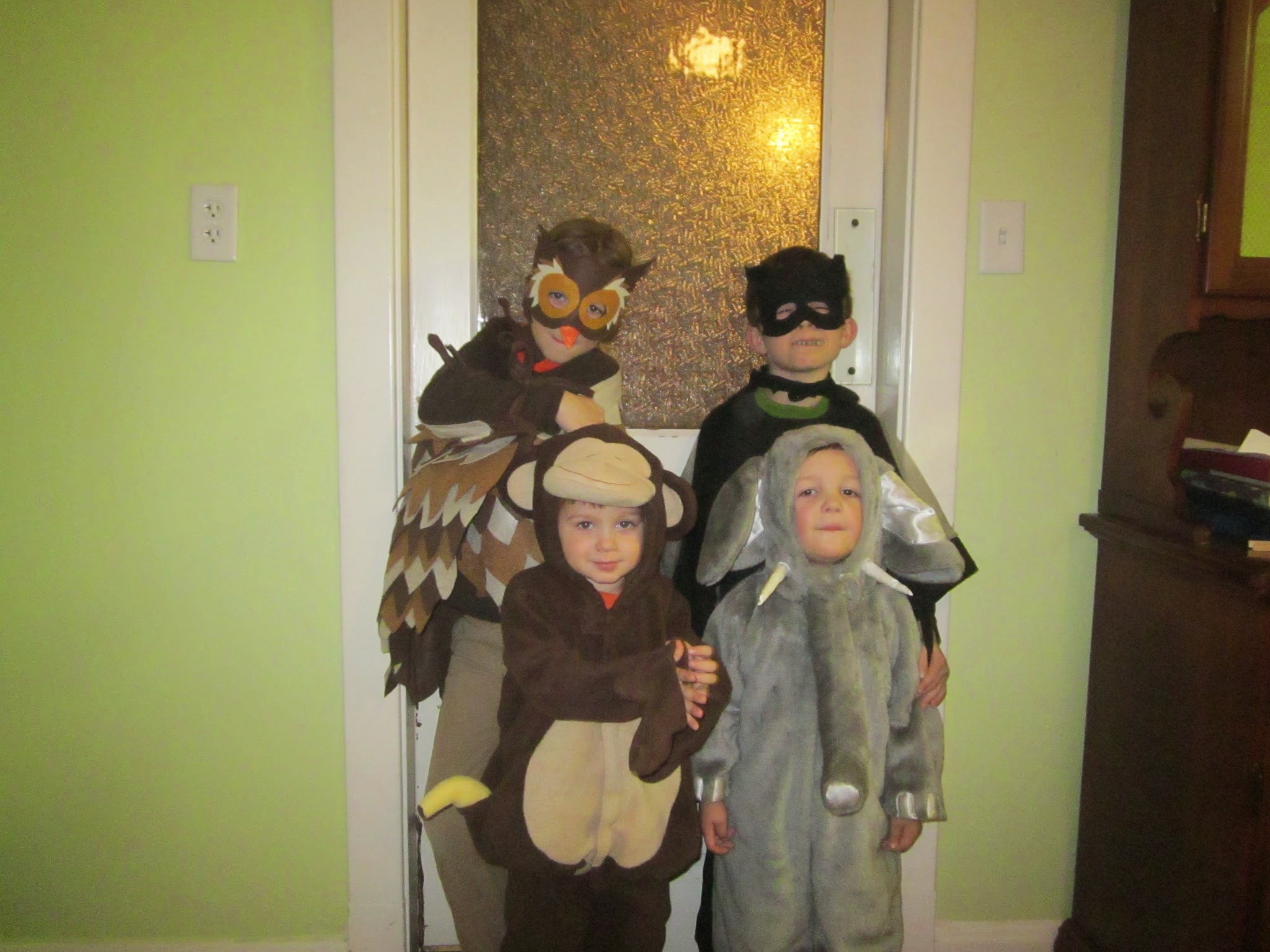
This is the whole gang this year. Aren’t I a lucky Mama?!
The Night Will Hold You

(This picture was taken by my husband – the night sky over the corn field
across the street from us – isn’t he amazing?)
When the
grief you carry
wears your
face into a thousand
heavy lines,
when the sadness
feels like a
knife splitting
your very
body in two,
night will
come at last.
With the
children tucked safe
in their
beds, you will stand
in the
doorway of your own
darkened
room and the night
will welcome
you with its wide,
and gentle embrace.
How can I
explain that this
is what you
need, what you
have waited
for, this knowing
that the
darkness is nothing
to
fear? You will lie down
on your bed,
half curled
around the
old, old wound,
with your
face turned toward
the
windows. Weeping,
your eyes
will search
outlines of
trees, the few
bright stars
captured in your
window’s
frame.
Now that you
are no longer afraid,
the night
will hold you with its velvet
love, the
emptiness of the darkness
sidling up
against you as the well
of grief
pours out.
“There’s
something comforting
about the
darkness,” you will tell
your husband
when he finds you there.
Instinctively,
like the night, he will curl
himself
around you offering not words,
but himself
to hold you, his flesh
echoing in physicality
the sweet
silent night
that draws you close.
This post is linked with Playdates with God and Unforced Rhythms.
When Speaking Life Requires Silence
I met Kimberly Ann Coyle though an online (in) courage discussion group for writers. She and a host of other writers are in the long haul of blogging for 31 days straight through the month of October. Every blogger chooses a topic of focus and digs in. This year, Kimberly is writing on the topic of Speaking Life.
I’ve grown to appreciate Kimberly’s writing for its honesty and humor. Although painfully honest writing is en vogue right now, Kimberly’s writing draws me because her honesty is not merely for the thrill of self-revelation; within, beneath and behind her honesty I get the sense of a heart that is drawn toward and always seeking the more. This is what keeps me coming back to her posts. I was grateful when Kimberly asked me to help fill some space in her 31 day journey by writing about the practice of Speaking Life from the perspective of Spiritual Direction. You can start reading the post here and then pop over to Kimberly’s blog to read the rest. To learn more about the ministry of spiritual companioning, click on the Spiritual Direction tab at the top of this page.
* * *
After a few simple pleasantries, the offering of a cup of hot tea or
cool water, we begin, almost always, with silence. Sitting in chairs not
quite facing each other, we sit quietly waiting, shedding the many
moments, worries and demands of the day until a space opens within and
around us and we are together at home in ourselves, in the moment, in
God.
Then the sharing begins and I listen and work hard to continue to
hold open the space between words, between questions and answers, to
hold open the silence that surrounds. This is quiet work, gentle and
slow, drawing out the many questions that lead, most often, to a deeper
place of longing and need. When, at last, that place is reached and the
question of one’s heart’s desire rises, I have a choice – what now?
Too often the temptation arises in me to play the expert,
advice-giver, wise counsel, or to speak conspiratorially of my own
similar experiences, in order to draw an allegiance between the directee
and myself. Often there’s pressure (spoken or unspoken) to do just that
– the directee arrives in need, wanting answers and too often I’m
tempted to give them.
But here’s the truth . . .
Won’t you follow me over to Kimberly Ann Coyle’s place. to continue reading? And, while you’re there, check out some other other posts in her 31 days series and, if you have a moment, leave me a little comment love (it’s awfully quiet over there!) . . .
To Mend a Broken Heart
Flowers
help, cut or wild
blooms of
vibrant hue,
also time
rolled out in long
stretches
like bolts of cloth.
Air is
essential, as well as stories
that name in
some way the sharp
corners of
your pain.
You will
want to lay down
on the
floor, to feel something
solid
beneath your brokenness,
like a hand
holding the pieces
of a
shattered vase.
Be gentle: offer yourself
a
cup of tea, a book, a
candle lit
in
silence. Tuck small
moments of beauty and joy
into your heart like a poultice
to draw out the pain.
If you’re
able, wake up
before the
sun rises. Allow
your day to
begin and end
in the quiet
dark. Then watch
for the way
the light breaks
through differently each day;
witness
the miracle
of night’s
passing until
you believe
it’s true.
(Photo Source: Here. ) Linking today with Playdates With God.
To Love What is Passing
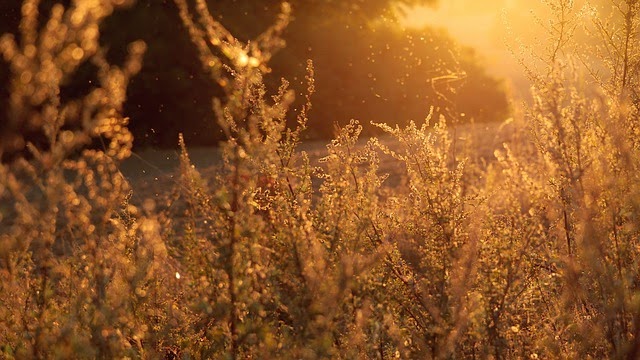
I watch the
sunrise each morning. Reading, writing,
I pause to turn toward the window. At
first all is black, night’s heavy velvet stretched. With every glance the scene changes, like
clicking through slides in a view finder.
Fog shifts, blue spreads wide one day, then purple or even green the
next. Mist rises off the river I cannot
see from here, ghostly lines of white revealing the river’s path.
In the
evening I bend and twist while washing dishes, watching the light change again
through the kitchen windows. The sun
sets out one side of the house morphing clouds into relief, filling spaces with
yellow, etching outlines in gold or pink.
On the other side of the house the light also changes.
“Rainbow,
rainbow,” my son shouts and we all run out the closest door like a crowd fleeing a burning building. Scurrying
around the yard, we search for openings between the tall pines, the out
buildings, where the biggest arcs of red, yellow, indigo and all the rest can be
seen running like a road through layers of clouds and light.
The sky’s
show changes quickly, morphing like trees in fall.
None of this
lasts for long.
//
My little
boy gives me twelve kisses at bed time each night, rapid-fire smacks one right
after the other, an exertion of pure love on his part. He lays his claim of love on me, pressing
lips to my cheek and I count to hold them close, these kisses like shafts of
light buried in my heart, memories of this passing season of such open love and
affection.
The other
night, he woke to go to the bathroom and sat waiting for me on the hallway
floor, cross-legged, his head bobbing and weaving like a sleepy kitten. Standing in the bathroom, unsteady, he makes
it known, “Me love everyone.”
His heart is
open wide like the sky, filled with light and shifting colors that wash across
his face with every changing emotion.
This boy of mine moves so quickly soaking in the joy and light of each
moment, no matter the shade.
Last night
he marched happy through the kitchen with a giant bowl of plain rigatoni tucked
under his arm. He didn’t get to go to
the Halloween parade with Daddy and his older siblings and when his twin
brother asked about the plan, he replied, “Me stay home with Mommy . . . and
the noodles.”
When I asked
what he loved more – Mommy or the noodles – “Me love noodles,” was his
smiling reply.
//
To love what
is passing, to open one’s heart to what is in each moment, is to live deeply,
fully. No one pleasure or delight lasts
for long and in its passing we expose ourselves to potential loss and
grief. But to live closed off from each moment for fear of its passing is to rob ourselves of much that is truly precious in this life.
Knowing this, I bend my cheek to receive the kisses, I turn my head toward the window, I run toward the rainbow, toward each passing moment to embrace it with arms open wide as I teach my heart to say, “Me love,” over and over again.
This post is linked with Five Minute Friday on the prompt “long.”
Panic Attacks and Unexpected Grace

I’m sitting on the couch when it comes, cycling through my
usual websites with a growing sense of dread. I feel frozen, unable to move on to something
else even though I know I need to.
A wave of heat washes over my body, rising up my back, my
neck, engulfing my head and then searing with an intensity I find hard to
believe. Is this what a hot flash feels
like? My heart rate jumps and the heat
is followed by fear; fear of panic, a fear so dark it’s like the fear of fear
itself.
“Maybe nothing has
changed, maybe it will never get better,” these are the words the darkness
whispers.
This is the beginning of my first full-on panic attack since
leaving the psychiatric hospital.
I sit frozen, afraid to move, trying to stay calm, afraid I
won’t be able to move. My children are upstairs resting in their
daily “quiet time” and the time I have to deal with this is limited.
I shut the computer, place it on its shelf. I get up and head to the kitchen to busy myself
washing dishes or moving laundry from washer to dryer.
Passing a window I see the vegetable garden, nearly spent, a
riot of decay sitting at the bottom of the yard’s gentle slope. Waves of squash beetles tore through our
zucchini and cucumber plants then moved on to the winter squash and
watermelons, their destruction leaving me furious and overwhelmed. The tomato plants, poorly staked, lean and
sprawl, hap-hazard yet clinging to their heavy fruit.
The garden draws me through the kitchen, past the laundry
and out into the wide open green laid out beneath a sky of blue. I walk among the tomatoes picking their luscious
fruit, some over-ripe, some not yet fully red. The plants are broken and bent, but bearing
still and moving among them I’m surprised by the yield. A pile of red grows in the green grass as I
work my way around the garden, the picked fruit creating a border to the chaos
and decay.
Bending, breaking vines, I feel the shadows of anxiety moving
still around the edges of me, like wisps of a spider’s web.
The sky is blue, the sun is warm and there are too many
tomatoes to carry, so I fetch the red metal wagon, pulling it down to the
garden’s edge. It fills with tomatoes
like the disciples nets were filled with fish, unexpectedly. God is there with me in the garden, in the abundance
of the soft red fruit, in the overflow of sunlight and sky, this much is easy to see.
But I cling to the truth that God is also with me on the dark
leather sofa, in the heat and darkness, in the fear and the fear of fear
itself; God’s love displacing the fear.
This vine will not be cut down despite
whatever decimation may come. Though
broken and bent, I will cling to the fruit that this season also may bear
witness to the One who planted me, who tends my life through seasons of both
abundance and decay. And when this season also passes, I will be surprised by the fruit that comes, like always, as unexpectedly as grace.
This post is linked with Unforced Rhythms and Playdates with God.
Even More Undignified (a Poem and a Playdate)
What is serious to men is often trivial in the sight of God. What in
God might appear to us as “play” is perhaps what He Himself takes most
seriously. At any rate, the Lord plays and diverts himself in the
garden of His creation, and if we could let go of our own obsession with
what we think is the meaning of it all, we might be able to hear His
call and follow Him in His mysterious, cosmic dance. . . . we are invited to forget ourselves on purpose, cast our awful solemnity to the winds, and join in the general dance.” – Thomas Merton in New Seeds of Contemplation
“I will become even more undignified than this.” – King David regarding his dancing half-naked in the streets (2 Samuel 6:22).
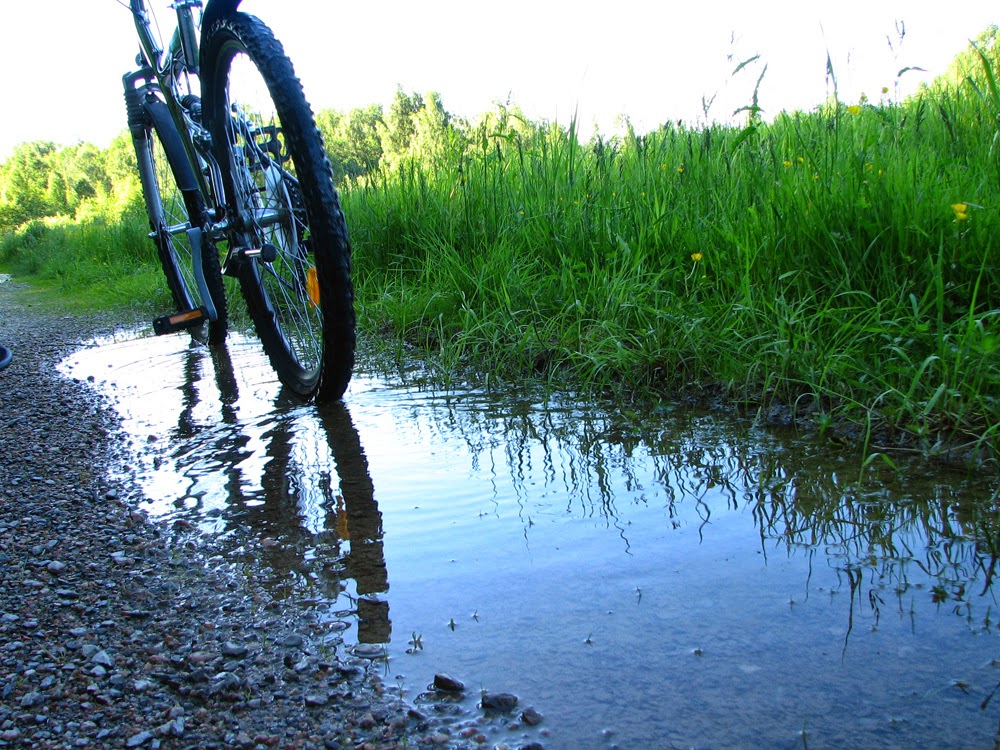
You ride in
large loops circling
the L-shaped
curve of the driveway.
Perched on
your tall, blue bike,
it’s pedal,
pedal, pedal, coast and turn
in that
small space under the Indian-summer
sky. There’s a kitten zipped into your hoodie,
black face
and whiskers peaking out as you
pedal,
pedal, pedal, coast and turn.
Right there,
between the green grass
and ceiling
of blue, you feel the freedom
and joy that
has been missing for too long.
Not only do
you feel it but, for once,
you value
it, holding it as a prize,
a pearl of
great price. The Day Care parents
come and go
next door, moving from work
to work and
you – soaring under the golden
sky, the
soft fur of a sweet being warm
against your
chest – you don’t care who sees.
Laura Boggess’ new book Playdates with God: Hvaing a Childlike Faith in a Grownup World was released this week. Are you ready to meet God with the heart of a child? Visit her blog where she is blogging 31 Days of Playdates for the month of October.
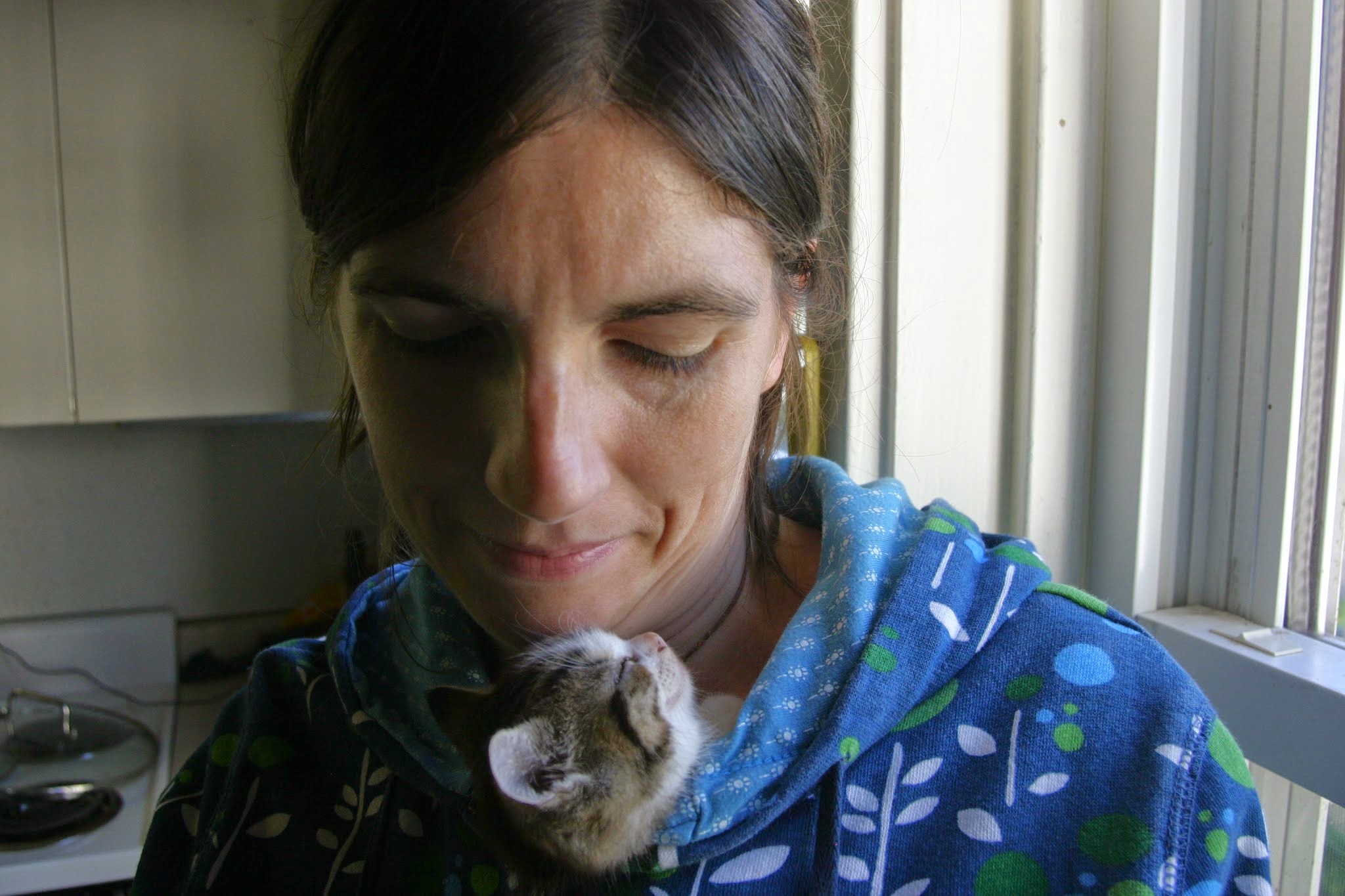
This is our other kitten, all zipped up happy and snug in my hoodie while I work on cooking dinner. The other night she sat on my shoulder for a long time watching me peel potatoes. The joy of kittens is restoring, for me, some of the joy of my childhood and for that I’m deeply grateful.
Playdates With God (Book Review)
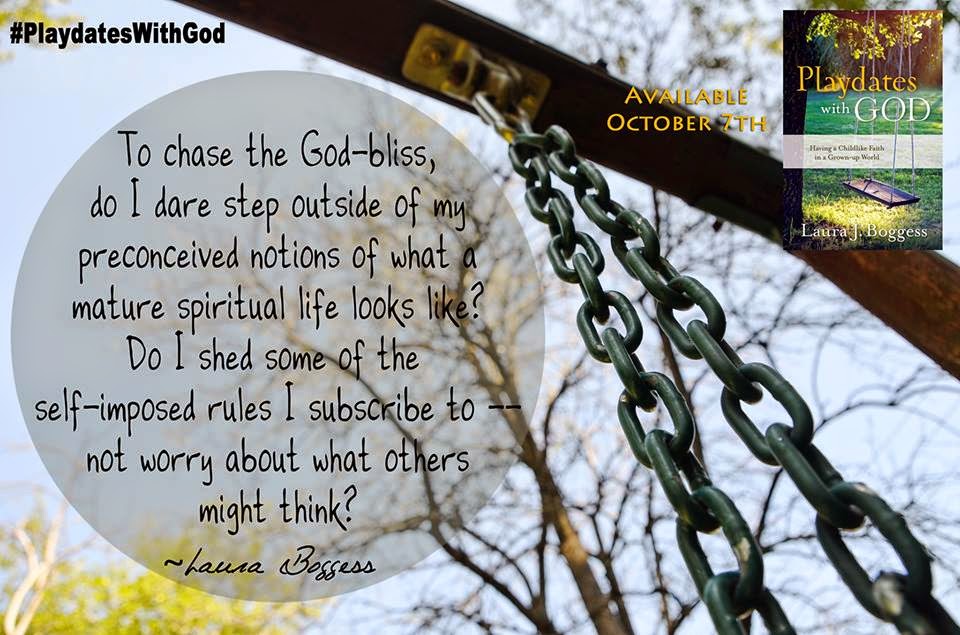
Laura Boggess’ weekly link-up, Playdates With God was one of the first I discovered when I started blogging back in 2012. Since then I’ve been a devoted follower of both her writing and her community. I’m very excited to share with you the much anticipated release of her book, Playdates with God.
Here’s what I had to say about Playdates in my review on Amazon:
Laura tells the story of the invitation she received to become “like a
little child.” Drawn by God, she explores and opens herself to a world
of wonder, presence and deep joy and, in her telling, we find ourselves
also invited, led and drawn into the depths. Laura’s prose is poetic
and her experiences of care-free play are balanced by deep and broad
research into the bible, science, and psychology. Scripture says, “a
little child shall lead them,” Laura is one of those little ones,
leading us all into deeper presence and joy as followers of a playful,
loving God.
Laura’s heart is that of a poet, a mystic and, above all, a devoted follower of God. If you find yourself lost and numb in your faith, hoping to rediscover a sense of wonder and belovedness, maybe the answer isn’t more work, more striving, more sacrifice, but actually more play.
I want to invite you to check out what others are saying about this book at Amazon and to consider ordering it NOW as I’m hoping it will be the next book discussed in our Field of Wild Flowers Book Club
beginning in January.
Laura is also blogging daily Playdates over at her blog for the entire month of October. Visit her there to get a taste of her wonder and deep ability to sense and communicate the presence of God in daily life.

Books
Between Heaven and Earth (poems)
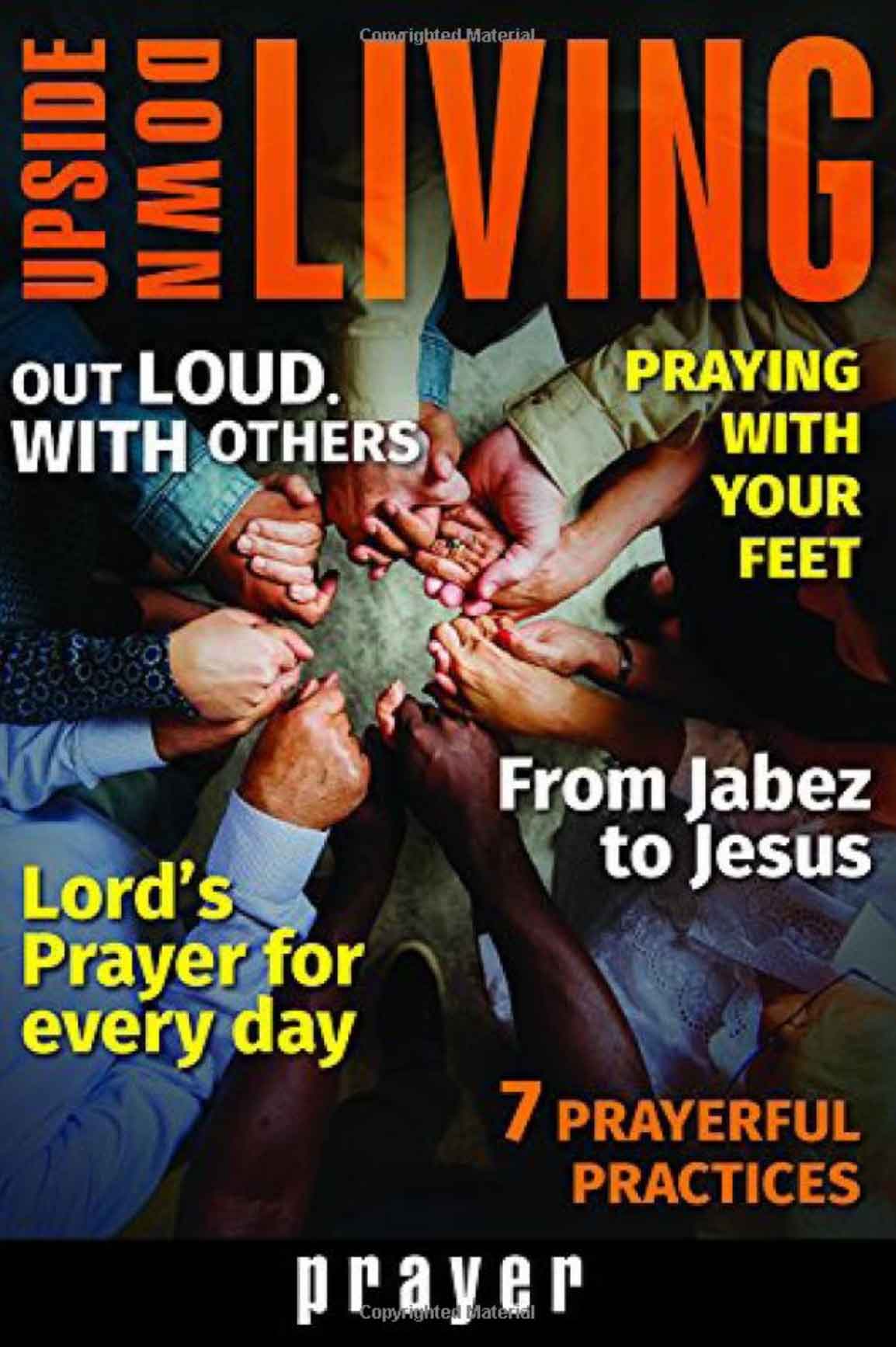
Prayer can easily become an afterthought, a hasty sentence, a laundry list of all the things we want. But what if prayer is a time to find out what God wants for us–and for our world? What does it mean to pray that the kingdom would come here and now as it is in heaven? Explore these questions in this study, and learn prayer practices that nurture intimacy with God and sensitivity to God’s dream for the world.

Follow this writer, spiritual director, and mother of four as she dives into the deep end of chicken farming and wrestles with the risks and rewards of living a life she loves. At turns hilarious, thoughtful, and always compassionate, Chicken Scratch will change the way you see the mess and chaos involved in living life to its fullest.
