
Essays
When Your Brother Bleeds (twins and the cross and community)
Looking at Stars
The God of curved space, the dry
God, is not going to help us, but the son
whose blood splattered
the hem of his mother’s robe.
– Jane Kenyon
“You know
you have blood on your shirt, right?”
I was getting ready to meet a
friend at a restaurant after a long, exhausting day and my husband was concerned with the bloody stain on my shoulder.
“No,” I said, “I already changed my shirt once. Did you see his clothes?” I led him over to the laundry basket and
showed him our eighteen-month-old son’s clothes, streaked and stained with
splotches of red. It had been a bloody
day.
That morning I stood at the bathroom sink holding Levi who cut his finger on a can he looted from the recycling bin. I turned his body out away from me, hoping to
avoid staining my new shirt, but as I stood there rooting through the
medicine cabinet, blood poured out of the tiny cut.
It ran in a bright red stream
down the
hand that held him,
splashing onto my pants and shoes as he
waved his little hand around.
It drop,
drop,
dropped
to the beat of his
pulse,
falling onto the white counter-top like so many crimson beads off of a
broken necklace. I felt it clinging to
the hairs on the back of my hand and marveled at its rich scarlet hue.
I called my four-year-old to fetch a
washcloth while Levi’s twin, Isaiah, wandered in anxious little circles by my feet. Finally, we all sat down at the dining room
table and I doled out Band-Aids with great liberality. I put two or three on the finger that still gushed
and two or three on other fingers and on his other hand in hopes of distracting
him from pulling them off. Then, of
course, Isaiah needed some too and my assistant, the four-year-old, as well as
the little girl I was babysitting.
It wasn’t until later that I noticed Isaiah had blood on
him too, places where it had splashed and splattered as he stood nearby
watching me tend his brother.
Looking at Isaiah’s
splotched clothes, I thought, “When your brother bleeds, it gets on you. This is what it means to be a brother. This is what community really is.”
* * * * *
Blood is messy and vital, rich, and yet we talk of it so complacently. Somehow, in our dainty sipping of communion cups, we manage to miss the mess and I wonder if, in missing it, we don’t also miss the communion.
Christ came and died on the cross, where blood drop,
drop,
dropped out,
splattering onto
those who gathered near. This is the
community that Jesus establishes, a blood-splattered, blood-drinking
communion of sinners turned saints.
* * * * *
The stomach bug hit later in the week. It started with Levi in the middle of the
night standing, crying in his crib and we went through layer after layer of
sheets and pajamas, as my husband and I tag-teamed the dual tasks of comfort and
cleaning. Isaiah stood in his own crib,
just a few feet away, looking-on all bleary-eyed and curious and each time we
laid Levi back down to sleep and crept our way back out of the room, Isaiah laid down
too.
By the next day they were both down with the bug and I sat holding them
on the couch while John took the older two to the store to stock up on saltines and Pedialyte. I sat in the corner of the couch with Levi in
my left arm and he drifted into a deep sleep, exhausted and
drained. Isaiah fussed, tossing and
turning in my right arm, slipping off, then turning and begging his way back up
into my lap the second his feet hit the ground.
Levi slept on through it all, so I didn’t dare move and just
about the time I was getting frustrated with Isaiah he turned suddenly and
threw-up all over me and his brother.
Levi woke, of course, as I grabbed a changing pad and laid it across my soaked chest. But then,
just like that, they both dropped off into a heavy sleep.
When my husband came home some forty minutes later, we were
sitting there still, the three of us covered in Isaiah’s vomit and I thought,
again, “This is what community is. When
your brother, throws up, it gets on you.”
* * * * *
I wonder sometimes about how we do community these days, all
distance and convenience, all house-picked-up and table-manners-please. Community, real community, is a cracking,
bleeding thing. It’s the voice that
breaks into a sob on the phone without holding back and the “oh, thank God, you
stopped by because I didn’t know how I was going to make it through this day.”
Maybe we settle for something less
because we’re afraid that, if anyone gets too close, we’ll vomit our messy lives
all over them. But isn’t it possible, my friends, that this bloody, messy communion, this breaking open of our lives like so many loaves of of bread, is
what it’s really all about?
Is there a time when you’ve found community in the midst of your brokenness? I’d love to hear about it . . .
This post is linked with Playdates With God and Hear it on Sunday, Use it on Monday.
Cut Flowers Vol. 2 (for your Easter baskets)
We’re still doling out Valentine’s candy at our house and I’m sure there’s some Halloween candy lurking in the darker corners of the pantry, so the idea of filling four (yikes!) baskets with sweets for Easter morning isn’t exactly appealing to me. And while I am actually considering putting things like new socks and underwear in their baskets (anyone know if that’s a sacrilege, by the way?) Easter’s also the perfect opportunity to give a child you love something that will feed their heart in the year to come.
Below are a few of my favorite children’s bibles and books of prayer, won’t you consider purchasing one for a child you know? These also make great baby shower, baby dedication and Christmas gifts too.
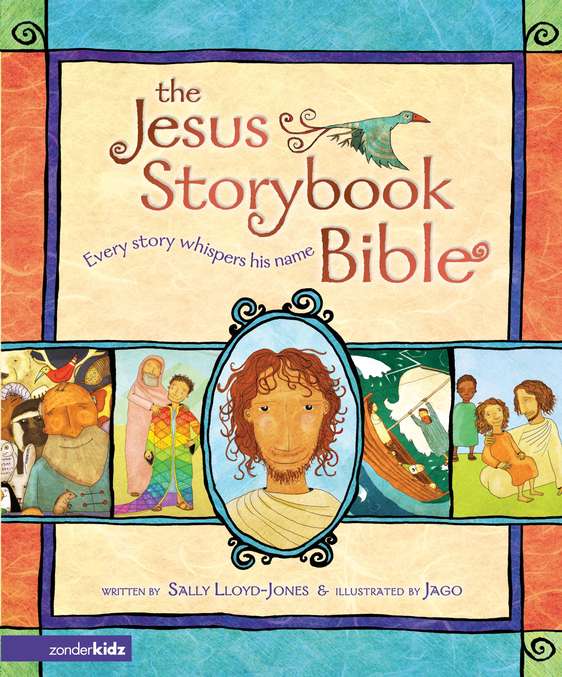
The Jesus Storybook Bible, by Sally Lloyd-Jones is recommended for ages four and up. I love it because it has GREAT pictures and formats the bible as one grand narrative, paying attention to the treads of redemption that run throughout. My three year old used to sit for hours paging through the pictures and both of our older kids requested it for bedtime reading for months on end.
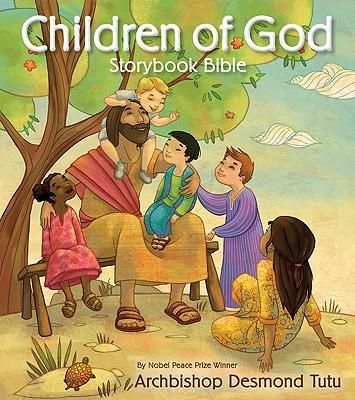
I ordered The Children of God Storybook Bible for Easter last year. The biblical stories in this book are paraphrased by Arch Bishop Desmond Tutu and the illustrations come from artists around the world and reflect the artistic styles and heritage of their culture. I love the interesting artwork in this one as well as the fact that it includes some stories not often found in children’s bibles (ex. the story of Esther and also Naboth’s Vineyard). The stories in this bible are shorter and each is followed by a short prayer. This is also recommended for ages four and up.

Psalms for Young Children, by Mari-Helen Delval is another I bought last year. Each page has a paraphrase of a psalm and the opposite page has an image to go with it. My husband and I have used this at bedtime when we’re too spent to think of a good night prayer; we simply read one of the psalms as a prayer and our kids love it.
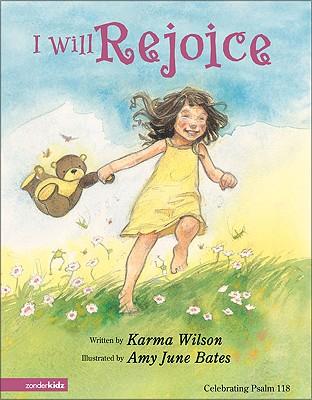
I don’t own I Will Rejoice, by Karma Wilson (yet!), but I’ve checked it out of the library from time to time. Karma Wilson is the author of the popular Bear Snores On series. This simple book filled with beautiful, joyful illustrations is based on the text of psalm 118:24, “This is the day that the Lord has made, let us rejoice and be glad in it.”
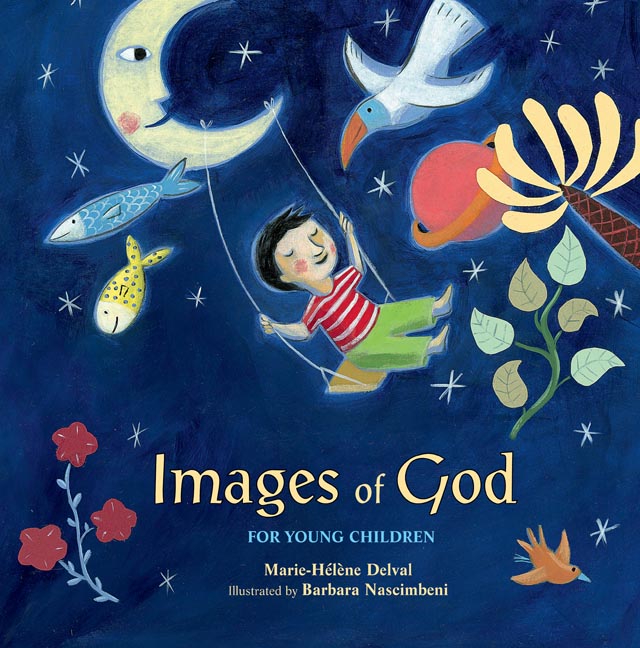 I did order this one for Easter this year. Images of God for Young Children is, well, just that. This book is for ages five and up and explores the biblical images for God, such as “God is Light,” “God is Love,” and “God is Wisdom.” I’m hoping this book might be helpful as my kids start to move away from a “God is an old man in the sky” view of God. These are short reflections, like the Psalms book above, and I imagine we’ll use this one for bedtime conversation starters (or enders!) too.
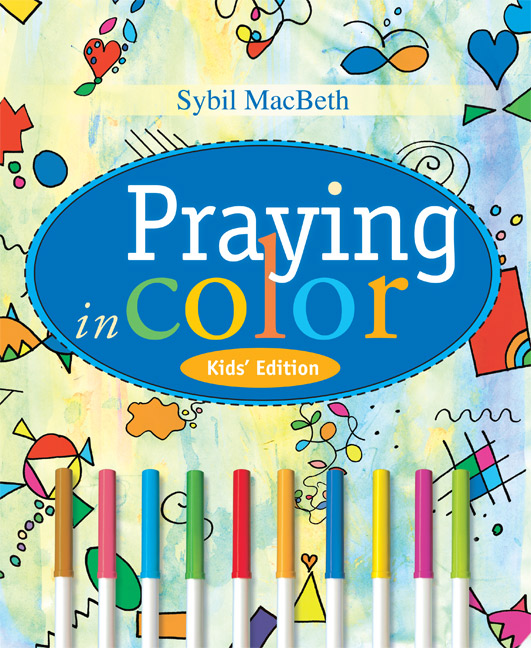
I own Sybil Macbeth’s Praying in Color for adults and, when my kids are a little older, will probably buy the kid’s edition too. If you’re a doodler or simply love the smell of crayons and markers, praying in color is a simple, unintimidating entery into prayer. This book is recommended for kids ages five and up.
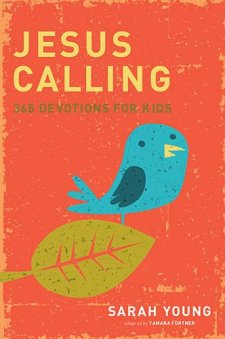
This last one, the Jesus is Calling Devotional for Kids, is by Sarah Youn and recommended for ages 8 and up. Sarah is known for her direct style of writing which makes it feel like Jesus is speaking directly to you through her words. Like the Jesus Storybook Bible, I know a lot of adults who’ve benefited from this book and I’ll probbaly add it to our collection as the kids get older.
What are some of your favorite children’s bibles or devotional books? How do you approach filling your child’s Easter basket? I’d love to hear your ideas in the comments section below or over on the Field of Wildflowers facebook page!
Gathering Bread, Gathering Images
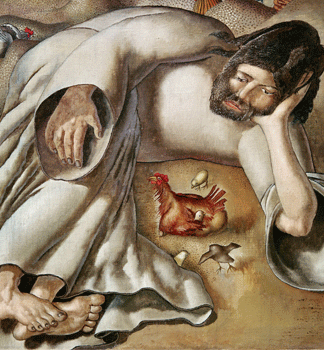
Jerusalem, Jerusalem, you who kill the prophets and stone those sent to you, how often I have longed to gather your children together, as a hen gathers her chicks under her wings. Luke 13:34
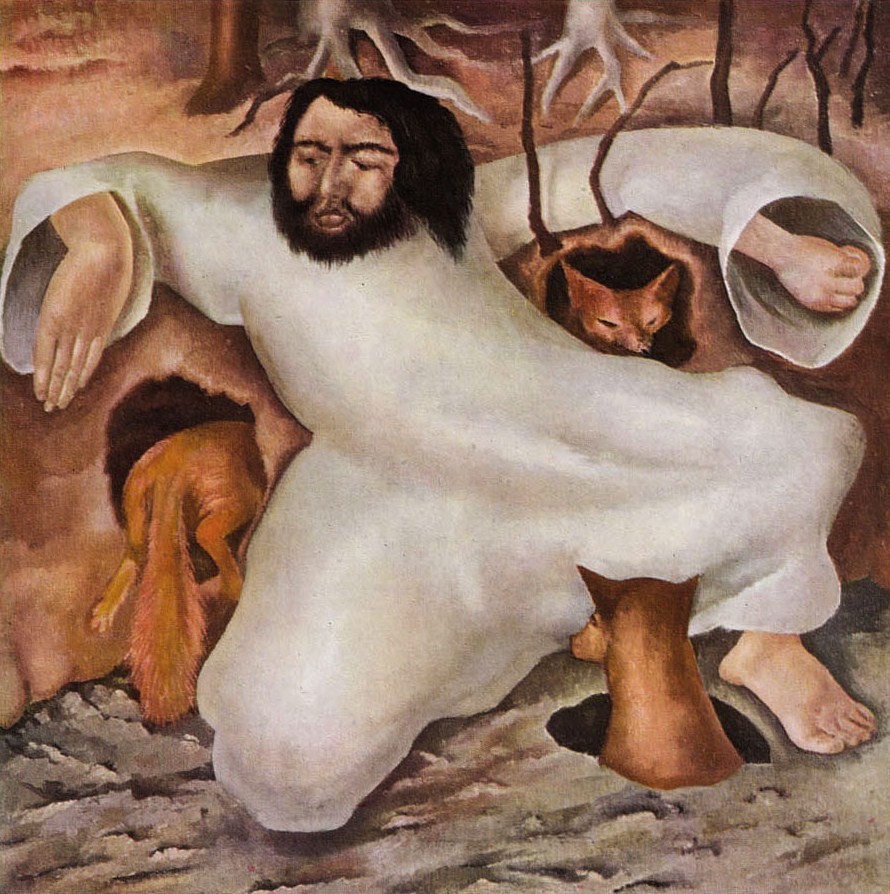
Foxes have holes and birds have nests, but the Son of Man has no place to lay his head. Luke 9:58
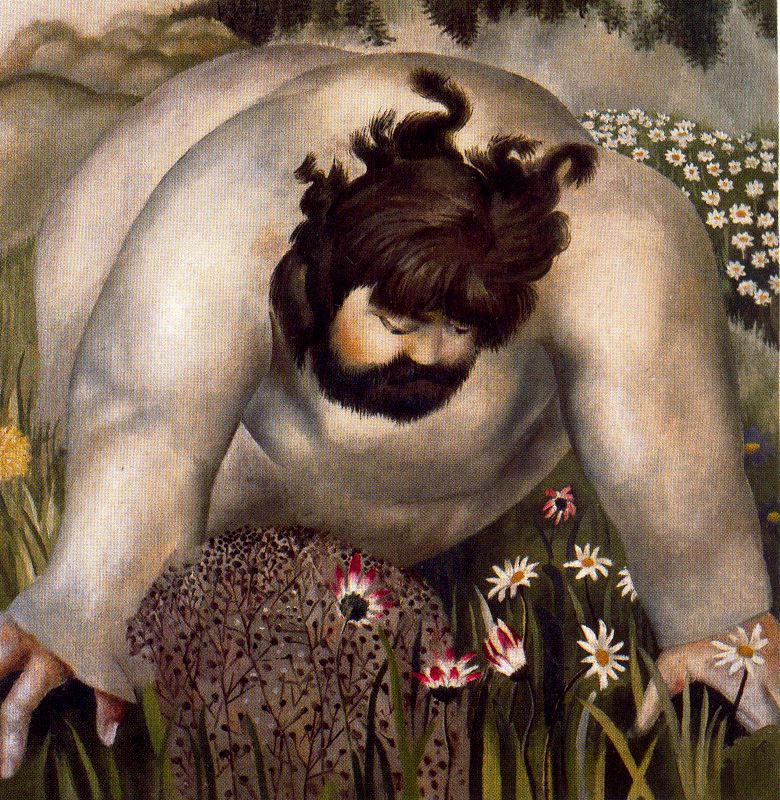
And why do you worry about clothes? See how the flowers of the field grow. They do not labor or spin. Yet I tell you that not even Solomon in all his splendor was dressed like one of these. Matthew 6:28-9
We’re waist-deep into Lent now, slogging through this dry and
dusty wilderness. In the beginning there
was a burst of buzz about it, but now this journey, started with a sense of
vision and purpose, has somehow morphed into what feels like aimless
wandering.
Forty days really is a long time for our restless hearts to
hold steady. The anxious disciples
couldn’t stay awake and pray for even a few short hours, so how can we expect any better from our own weary, prone-to-wander souls?
For forty days, though, Jesus stayed; forty days of peeling back
and grinding down until his real identity shone through like a diamond in the
rough.
For forty years the Israelites wandered; forty years of stooping to gather manna day-in and day-out.
As I looked through Stanley Spencer’s beautiful series of paintings on Christ in the Wilderness I realized that so many of the images Jesus used later in his ministry must have originated from his time in the wilderness. As he waited, fasting and praying, Jesus watched and observed the foxes and wolves, the flitting birds, the dancing flowers and as he spoke he would return to these images again and again. Images gained while waiting there in that seemingly empty place, images gathered like manna in the desert.
This gives me hope as I wander my own way through these last tearful days of winter. Maybe these long, dry days are actually filled with the things that will sustain me in the days ahead. Maybe gathering the bread that falls daily is enough to change everything, not only because it fills me today, but because of the way these repeated gestures, the bending and gathering, shape my soul.
Time spent in the wilderness of Lent, the wilderness of
life, shapes us as we shed, ever so slowly, that which encumbers. The eyes
of our hearts are awakened to the small stones, the crumbs of vision that we
will carry with us when we emerge from these dark and empty days, when we come forth, living, like One rising from a tomb.
This post is linked with Imperfect Prose, click on the button to the right to visit the site.
The Fallow Field (for everything there is a season)
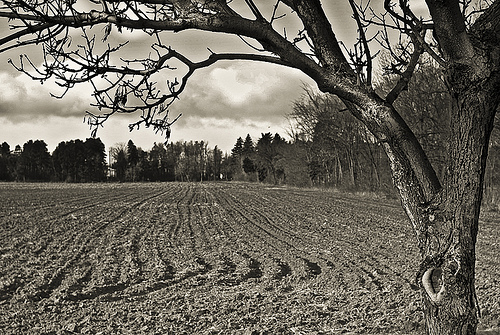
The Fallow Field
I wonder whether
the field
that lies fallow
for a season,
envies
a neighboring field’s
productivity?
Or whether it simply lies there
resting,
drinking in
the warm sunshine
as it is restored,
grateful.
I’m coming into yet another week tired and empty. Imagine my relief and gratitude at finding this poem waiting, resting, in my blog drafts. For every time there is a season, and if this is your season to rest and be restored, may you find the grace to embrace it.
Linking with Playdates with God, and A Dare to Love Yourself.
Sarah’s Laughter
I wrote an essay recently in which I described laughter as a form of prayer and this got me thinking about Sarah’s laughter at the news that she was going to bear a son. The following story is based, loosely on the story of God visiting Abraham and Sarah found in Genesis 18:1-15. I know that infertility is a very difficult and painful experience for many women and please know that my thoughts here are meant to reflect the overall arch of the story of Sarah and Abraham and in no way reflect an opinion about the reasons for or experience of infertility.
* * * * *
It came out sudden and sharp, more like a bark or a cough,
surprising her as she knelt, crouched at the entrance to the tent. Unwilled, unwelcome, the laughter split her
dry lips open, cracking them, like parched ground.
She felt a wave of shame at the sound as it escaped and the
visitors turned in surprise. Her husband
turned too, that old fool, and she looked at him, helpless, feeling again
powerless over her own body, unable to stop the sound once it broke free.
She was afraid when she saw the visitor look toward the tent and her breath caught in her throat when she heard him question Abraham about the sound, “Why did Sarah
laugh?”
Again, as if by instinct, the denial rose and slithered out like
a snake between her teeth, “I did not laugh.”
Her hand flew to her mouth, as if to catch her words and shove them back inside, but she was too slow and they shot out, arching through the air like an arrow aimed directly at the place where the man sat.
He turned then and looked at her, full on, his eyes
piercing despite the distance between them and Sarah felt a shiver of fear run down her
spine. She felt the flour and dough that
clung to the under-side of her finger-nails, the dirt and dust that lined her
sandaled feet.
Under his gaze, she became aware of how dead she felt, how
the life had drained slowly from her face and chest over the years as she
crumbled inward upon herself like some craven creature. Looking into those eyes she felt her own
dryness and thirst, her bones that crackled and clicked with each movement, she
felt the emptiness of her body, of her soul, as though nothing was left of her but a walking corpse.
This was her fear, of course, but as the man held her gaze
the fire in his eyes softened until the gentleness there came to resemble
something like the look of love she’d seen in Abraham’s eyes during those early
hopeful years. The softness there, the
love, both heightened and quenched her thirst as it crossed the distance
between them. The love circled her and fell like a heavy
rain, sudden and fierce, washing over her empty body. His gaze was like a heavy downpour in the
desert that runs in rivulets over the dry ground, seeking entrance into the
depths of the earth.
When she saw the love in his eyes her mouth opened
involuntarily and something like a little gasp, a small rush of air escaped and
at that moment his love entered in.
Pouring in past her lips and teeth and tongue where just moments before
the lie had slithered out. Love entered like
summer rain and settled deep inside in the small crack the laugh had hollowed
out.
Sarah shut her mouth tight, quickly, when she realized what
had happened, but the man’s eyes only softened further until they crinkled at
the corners and twinkled with humor.
Then his mouth cracked too into a wide and generous smile like the sun
as he said, “Oh yes, you did laugh.”
She denied the laugh, but she couldn’t deny its effect, the
way it opened her, split something deep within. It started as a derisive sound, a reflexive rejection that rose from deep within her dried-up body at the mention of a child. But even that small hacking, choking sound broke something free within her. The laughter moved inside her like a fault-line as it made its way through, dividing and realigning as it took hold of her body.
When she would tell the story, years later, of their son and his long time coming, people would accept it all without so much as a blink until she came to the part where he smiled. There was no question that God might walk up out of the blue for lunch, might open the womb of an old woman, but the part where the face of God cracked wide open, split in two by a smile, that, was more than they could accept and, so, over time, it was dropped from her story.
Though it took years to come to pass, Sarah secretly credited the laugh for opening her womb, at least the smallest bit. But who’s to say whether it was the laughter that grew steadily over weeks and years or the tears that followed, springing from the same deep riven place within, either way life had come and it dwelt now within her. After all, if the world can be created through words, then surely a womb can be opened through laughter, split wide like a seed when the sprout of new life unfurls.
I Stopped Hugging My Son (the doorway of our need)
He wasn’t quite three when we told him we were expecting
twins. I still carried him on my hip
into the daycare he attended twice a week; I hung his coat and put on
his shoes and treated him like the baby he wasn’t until I found out the twins
were coming. Then I changed course, and
quickly, encouraging him to do for himself what I’d done for so long both to foster
independence and because I could no longer do them.
At almost three he shed his soft toddler curves and grew
into the gangly, boyish body of a preschooler.
My little boy who’d been so snugly and sweet was suddenly all corners
and sharp edges. When I sat on the couch
the twins’ two bodies wrapped tight in mine jutted out in front of me like a
dangerously exposed beach ball, ready to pop at the slightest pressure. After one too many leaping, lunging hugs from
my son with knees and elbows knocking, I learned to lean forward setting my arms
like a protective scaffolding that surrounded my womb.
I had to stop lifting him for the last two-thirds of the
pregnancy and my lap slowly disappeared, vanishing inch by inch with each
passing month. He struggled to find a
way to be near me and eventually took to perching on my shoulders while I read,
mussing my hair and wrapping his little arms and legs around my neck in his desperate need to find a some part of me to call his own.
After the birth my stomach shrank back, but my arms and
hands were perpetually full and my lap too as I sat nursing two for hours and
days and weeks on end. Whether the
hormones were to blame or the sheer difficulty of managing two flailing bodies,
I simply couldn’t bear to have my son sitting on the couch with me as I nursed.
I couldn’t stand the bouncing, jouncing
presence, couldn’t handle one more person touching me. The further away he sat, the better, and I
was relieved when he took to watching me from a chair on the other side of the
room, keeping up a constant stream of chatter – anything to stay connected.
All of that is past now, my arms are more often empty as the
twins are toddling along, but it occurred to me the other day that the distance
between my son and I remains.
I was standing in the kitchen, feeling lonely and blue,
needing a hug, when I saw my son, so tall and thin, standing on a chair at the dining
room table. My own need for a hug
awakened me to the fact that I had, at some point along the way, stopped
hugging him.
Oh, I hugged him at bedtime and coming and going on the days
I left the house, but I’d stopped randomly grabbing him and wrapping him in an
embrace, stopped seeing him as a potential source of affection, stopped feeding
his body with the food of physical touch.
I crossed the room immediately and asked for a hug and he
gave it, wrapping those spindly arms around me and holding tight. I told him I needed a hug and in so doing I
affirmed his need too, that had gone unmet for so long.
Since then I’ve noticed a change in him. He snuggles up beside me again while I’m
reading, twining his little arm through mine, and he dares to fight the twins, those
territorial little beasts, for lap-space which causes no end of fighting.
I hug him more now, every time I think of it, and I’m
noticing he lets me hug him when he gets hurts whereas, for a long time, he
would just run off to his room.
It’s such a terrible thing for a mother to say, isn’t it, “I
stopped hugging my son.” I think of the
little ways we starve ourselves and each other and the many countless ways we
can be fed – physically, spiritually, emotionally – and I pray for the grace of
awareness that I might not withhold that which I have to give.
I’m grateful for the way my own need
awakened me to his.
I’m grateful, too, for this season of Lent that so deftly peels back the layers of comfort and compulsion that often hide our deepest needs. For needs are a doorway, always, an invitation into deeper relationship with ourselves and others and God.
May our longing, uncovered, awaken in us desire and may we have the grace to bend low, entering through desire’s arched doorway into the deepest parts of our souls where the spirit of God dwells.
This post is shared with PlayDates With God and Hear it on Sunday, Use it on Monday and A Dare to Love Yourself.
The Merry-Go-Round (we all fall down)

“Where we stumble and fall is where we find pure gold.” Carl Jung
My husband and I were talking the other night about life and
winter with four kids, about parents in transition and crisis, about waiting on
pins and needles and credit-cards for our much needed tax refund.
“You know what it feels like?” I asked. “Remember playing on a merry-go-round when
you were a kid? Hanging on to those
metal bars, pushing and running with all your might and then, suddenly your
foot slipped out and you fell, but your friends kept running? How you tried to hang on, to pull yourself up,
but you couldn’t get your feet back under you fast enough?”
I can remember the under-side of the merry-go-round so
clearly, the center post around which it all spun, the way the ground sloped
out away from the post to the ditch worn by running feet.
You never lost your footing all at once, but instead started leaning
hard, too hard. Soon your upper body was too far out in front of your legs and when you finally fell your shoulder slammed into dirt, old leaves, and mud. The kids behind and in
front of you kept running and it took a few seconds that felt
like minutes for your brain to send the message to your hands that right about
now would be a good time to let go.
“Yes,” he said, “that’s exactly what it feels like.”
We felt a little better then, having named the feeling and
paired it with a picture. Nothing was
solved, no weight lifted, but at least we had another angle, an image between
us, that gave expression to the experience.
There’s a certain kind of grace, I guess, in knowing where
you stand or, rather, lay. There’s some
comfort too in solid ground, if you can manage to not get trampled; comfort in lying there, still, as your breathing slows.
As you press your back into the ground you’re held by that to which we shall all one day return. Looking up, the sky opens, wide.
(image credit: www.lismorgan.com)
The Home of Your Soul on the Earth (in which I take up drinking for Lent)
“The body is a sacrament . . . a visible sign of invisible grace . . . The body is the mirror where the secret
world of the soul comes to expression.” – John O’Donohue in Anam Cara
The weekend
before Lent started, I noticed that I’d fallen into an old habit of not eating,
getting by on half a piece of dry peanut-butter toast in the morning, for lack
of time and focus, and often skipping lunch too. I had stopped getting
groceries – really getting groceries – aside from dribs and drabs of necessities.
Meal preparation fell by the way-side as
well, so that dinner was a continual mad-scramble as I pulled things together
for one more meal.
Soda
consumption – my Achilles heel – was up too.
Back in seminary a daily diet coke poured over ice and served with a
slice of lemon was a treat, a symbol, if you will, of self-care in some deluded
sense. But lately I was up to two-a-day
and I’d given up using glasses. In a
moment of stress or frustration or simple thirst I would grab for the trusty
can, no longer even hearing the satisfying crack and snap of the tab-top
lifting, no longer tasting the welcome bite.
I stood
behind the refrigerator door gulping and placed the open can on the shelf,
returning at-will for a short, bracing nip of caffeine and carbonation. Drinking soda like that is like drinking wine
straight from a bottle wrapped in a brown paper bag – sly and empty, pure
need and no delight. Give that woman a
glass, I thought, as I saw myself in a rare moment of self-awareness.
There were many
years where I wouldn’t have noticed these things. I’ve always had a tendency to neglect my body,
to live in the lofty penthouse of my mind, conveniently removed from the dust
and dirt, the tumult of daily, embodied, life.
I turned a deaf ear to my body for a long time and I’m lucky I’ve not
paid a higher price for my neglect. Something
about three pregnancies, though, and the long-haul commitment of nursing four little bodies into strength and health, forced me to listen
more closely to my own body, if only for the sake of those little ones it
grew.
I’ve never
been a good friend to my body, never been a lover of it, but this year I’m sensing
the invitation to listen more closely, to care more deeply for the gift of this
frail tent that houses my soul. My “one
word” for 2013, as best as I can tell, is “embodied” and rather than mortifying
the flesh as I have for these many years this Lent I’m embracing the call to
care for my body as an extension of the body of Christ.
This year I’m
subtracting nothing other than my own disdain for the needs of the flesh. I’m listening more closely to this dwelling
place, this home for my soul as O’Donohue calls it, this sacrament of flesh and
blood. And, as a symbol of all of this, I’m
drinking water.
I’m learning
to observe the dryness of my mouth, the signs of thirst that were among the
first things I knew as an infant and, perhaps, among the first I put
aside when I thought I was old enough to outgrow the needs of the flesh.
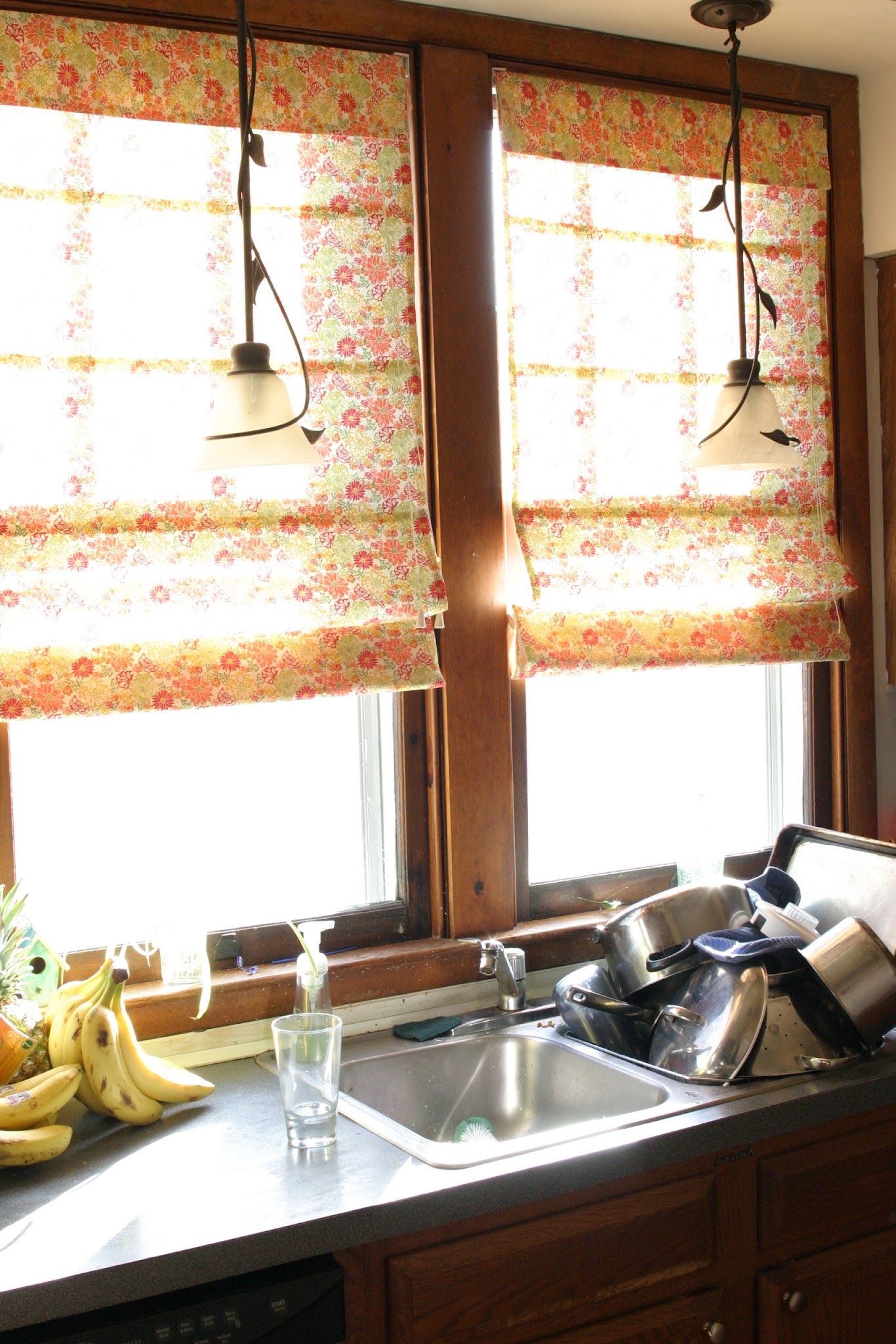
Standing in
the kitchen, where the sunlight pours through these old double windows lighting
up floral-fielded blinds, I reach for a glass.
I lift the handle on the faucet and watch the water flowing like a
stream of glistening light as it dances in the sun’s illumination. I catch the dance in my cup and watch as it
is filled, wait as my hand bears the weight.
Turning off the tap I lift the glass, clear now, but weighted with light
and life. Then, placing my lips to the
glass, I swallow down this dancing stream of life. I gulp, pressing myself to embrace what is
necessary but doesn’t necessarily come naturally.
Looking out through the bottom of the glass as this small, shining river flows into me, I see a world sparkling and shining with refracted light. As I drink, I
think of Christ in the desert and the thirst he bore, both there and on the
cross, and I know that I’m somehow more present to him as I become more present
to my own body.
This post is shared with Playdates With God and Hear it on Sunday, Use it on Monday.
Cut Flowers (vol1) (words around the web)
I don’t think I’d ever read a single blog post before I started blogging, but since then, I’ve developed quite a list that I follow and read regularly. Every once in awhile I’d like to share some of my favorite posts with you. Simply click on the link provided to visit the site. Enjoy!
For when you need to laugh: “After three months of negotiations, you
have still failed to comply with what I feel are very basic rules when it comes
to what you are to feed me. Since you show no indication of falling into line, I
have been forced to strike until this matter is resolved.” 10 Rules for Feeding a Picky Baby
For when you need hope: “My son now stands on that hill between resignation and acceptance, wrestling with God and self. Afraid.” Ready for Spring
For when your life needs a soundtrack: Emily Wierenga I completely stopped listening to music at home after we had kids – I simply couldn’t stand the extra stimulation. Recently, though, I started listening again but didn’ have a lot of time to look for music I liked. Then I stumbled across Emily Wierenga’s blog where she has her own playlist. Simply scroll down the page and look for the little player box on the right, click play and voila! awesome hipster playlist at your fingertips. Emily adds new music over time.
For when you need to remember the beauty of loss: “He sits with his mother in room 710 . . .” Absolute Sway
For when you want to know more about the tree this apple fell from: “At the beginning of 2013 I believe God is telling me LIVE, really live, live fully, so that I might praise him through my life.” Live Fully
For when you can’t stand the noise any more: “Those ants know the value of a season of silence. They understand the importance of waiting. There is a time for scurrying and working and gnawing, a time for digging and eating and moving. But there is also a time for stillness. A time for silence. A time for waiting.” Why the Church Should Quiet Down
Have you read any great posts this week? Did you like any of these? I’d love to hear from you in the comment section below!
The Year of Guerilla Warfare (when laughter is a prayer of surrender)
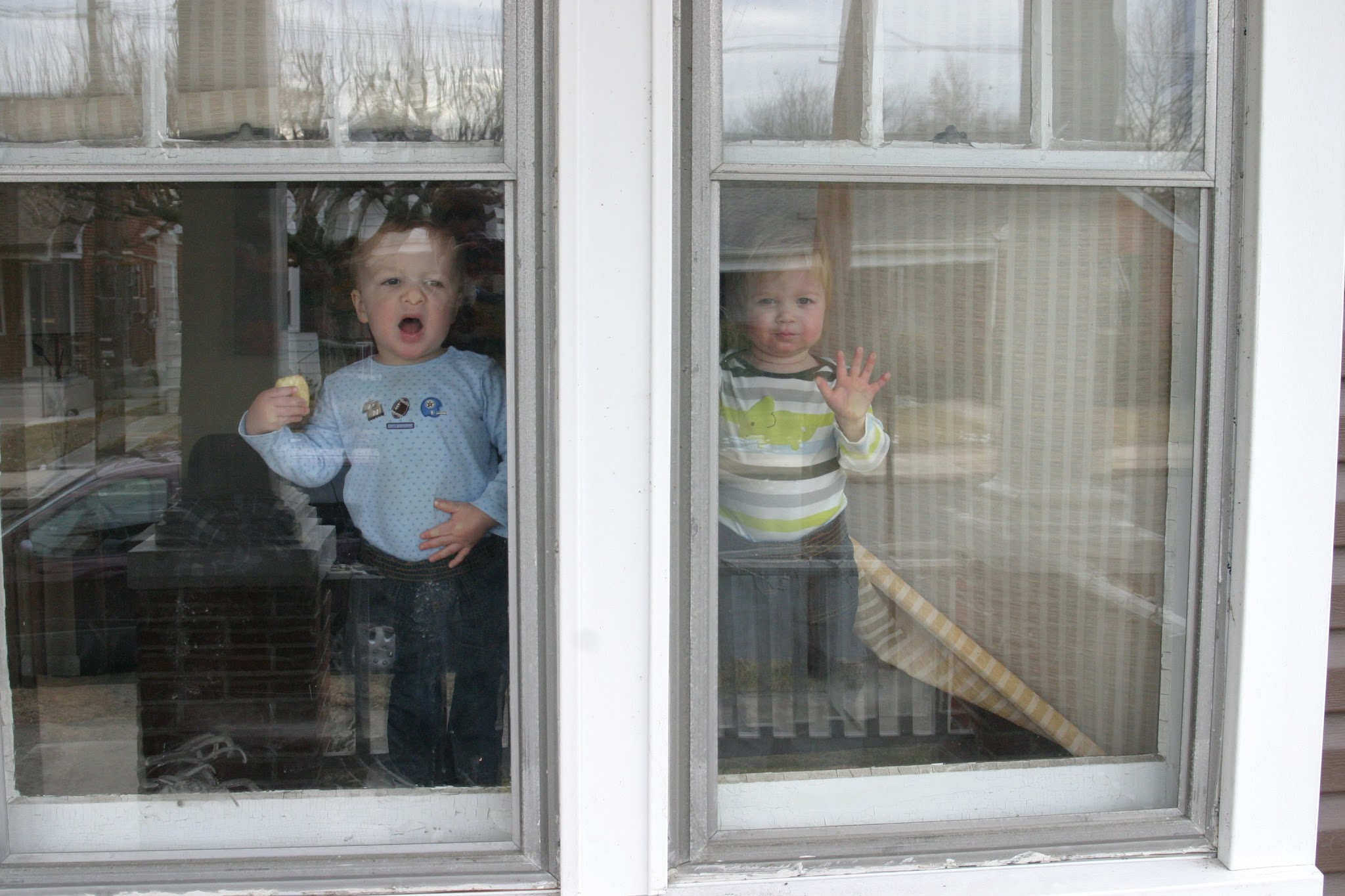
Year two with twins is the year of guerilla warfare, the
year in which they form a tiny two-man militia bent on breeding destruction and
disorder. My one-and-a-half year-old boys
are climbers and their little army is forever advancing toward higher ground. Our couch is like one of the beaches of
Normandy and they pour up and over the baskets they’ve moved, the books they’ve
stacked, with focused determination. If one falls, the other continues pressing
upward and onward, climbing over his brother’s prone body, intent on “taking”
the couch.
As I stand in the kitchen preparing lunch – provisions for
the troops – I see them standing at the gate, plotting, checking and
double-checking the safety-lock. Decked
out in their matching blue sleepers they look like navy seals swathed in footed
fleece, smiling and chattering in their little code language. They’ve already surged through the gate we
keep around the computer and they’re eyeing up the one that leads to the
kitchen and beyond to that allusive mecca of choking hazards – their older
siblings’ room.
I’m heavy-pressed to maintain defenses against the ongoing
onslaught. It’s exhausting, overwhelming
– how many times can I run into the living room just in time to prevent
disaster? How many times can a one-year-old
hit their head, get the wind knocked out of them, before it causes permanent
damage?
It occurs to me as I fight this daily battle for safety, for sanity and some small bit of life-preserving order, that this is what life feels like lately . . . won’t you join me at Central Penn Parent Magazine to read the rest of this post?
The Fountain (the “sidewise glance”)
And in that instant I understood that if I were to pay attention to the spaces between and just behind the things I thought I needed to look at, there was no limit to what I might witness . . . It’s not just the genius or the personal friend of [God] who can be privy to great visions. Sometimes all it takes is looking just to the side of the obvious. . . . beauty and epiphany bide their time in the sidewise glance. – Trebbe Johnson in “Where’s the Temple”
Before my children came along and life turned topsy-turvy, I
spent a year training as a Chaplain through a residency at a large regional hospital. Several times a month my fellow residents and
I worked grueling on-call shifts, covering the long, dark hours from 4 pm until
8 am the following day.
After a long night on-call the last thing I wanted to do was
fill the chapel fountain, but there was no avoiding it – it had to be done. If we didn’t fil the fountain, the pump
would blow, again, and the Pastoral Care Department Budget couldn’t handle any
more pumps, at least that’s what the Department Head said. So, on my way to brush my teeth in the
women’s room and freshen for the day ahead, or after a rousing middle of the
night emergency in the trauma department, I would turn into the small chapel
that seemed strangely spooky in the dark quiet of the hospital’s
off-hours.
The fountain sat, bubbling, in the middle of the small gray
space. The room, constructed it seemed,
of great slabs of gray stone, resembled a tomb and I didn’t relish venturing
into its dimly lit cave. Moving quickly
I headed to the Islamic prayer corner, stepped gingerly over the prayer mat and
opened the door to a hidden room that housed, among other things, an organ and a white plastic
bucket.
Grabbing the bucket ,I headed to the women’s room just down
the hall where I would fill it in the public sinks.
The sinks, of course, were equipped with automatic shut-offs and were
too shallow to hold the bucket, so I had to fill and dump, fill and dump with a
secondary Styrofoam vessel poached from the cafeteria while battling to keep
the water on. My twin boys who play “fill
and dump” endlessly in the bathtub would’ve love the job, but I and my fellow
chaplains were less enthused.
Walking in quick little steps I would gingerly carry the full bucket
back down the hall trying not to slosh and spill, then into the chapel where I
dumped it into the little bubbling square.
Then, if I were really doing the job well, I would repeat the whole process.
We were really supposed to do two
buckets a night, but on the nights when I felt with certainty that five more
minutes spent filling and dumping would prove to be the end of me, I got by
with one.
Often, someone forgot to fill the fountain. Often, we complained. And often, we suggested with no little amount
of indignation, that the job was beneath us and should be added to the long
list of tasks performed by the maintenance department.
One day, though, as we were cycling through yet another
stream of indignation and discontent, our department head spoke up. While I don’t remember his exact words, he
said, in his typical calm, quite manner, something to the effect of, “You know,
this comes up every year. Every new
group of residents wants to get out of filling the fountain.”
Then that old gray-beard added, “I always like to think of
filling the fountain as a symbol of how we care for the spiritual health of the
hospital. We are bringing living water
to the people here and when we don’t bring it, things run dry.”
Well then.
It takes a certain kind of vision, doesn’t it, to recognize
the potential for the mundane tasks of daily life to be transformed into prayer,
into a window – a threshold – for the holy.
This, I believe, is how Jesus saw the world. This is why Jesus could watch a woman sweeping
or a hen gathering or a farmer sowing and see beyond flesh and blood to the image
of God made manifest, glimpses of the holy truths that undergird the warp and
weave of our flesh and blood world.
For me to be a follower of Christ is to make this
transformation too, to allow for daily incarnation, to seek it even, in the
smallest and simplest moments of my day.
To me, this is why Lent matters, this season in which our outward
practices become a reflection of our growing spiritual freedom, this season in
which we attempt to “bear about in our bodies” in some new way, the life and
death and resurrection of Jesus (2 Cor 4:10).
During Lent we affirm, as a community, that even our most earthly desires – our growling stomachs, our sugar-craving appetites – might open in us a doorway into the presence of the Living God.
If you enjoyed this post, you might also like Baskets of Leftovers.
This post is shared with Playdates With God and Hear it on Sunday, Use it on Monday.
Love is Vertigo (a falling, floundering thing)
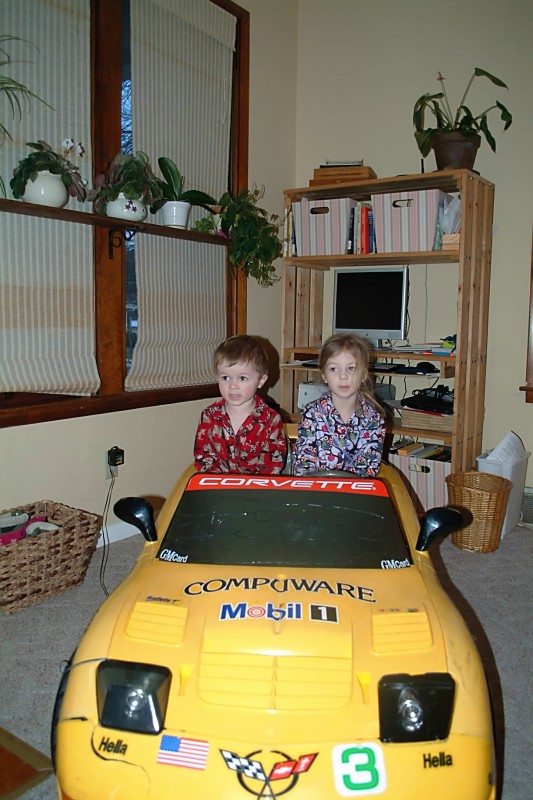
Christmas morning 2010, the Corvette we found for $25 on Craigslist.
I turned to see my two and four year old children driving
their little yellow Corvette through our small, cramped living room. I was standing in the doorway between rooms interviewing a new nanny when I looked up to watch
her watching them drive by. We were
moving our older two out of daycare and hoping to have a nanny provide care in
our home – the news that I was pregnant had finalized the decision.
The incredible discovery that we were expecting twins
had turned our world on its head the week before so that as I stood there talking, it felt to me that our world was tilting, spinning out of control. In that moment, the picture of our children
driving through the house struck me as both absurd and entirely
appropriate.
It was then that I knew we had fallen or were falling,
though toward what I did not know. The
incline was steep and the sensation would not end, still has not ended, even
now some two years later. What I could not understand then that I do now is that what we were falling into was love, a deeper
and wider love than we knew was possible.
* * *
When I started dating the man who would become my husband we
would sit on opposite sides of the college cafeteria with our different groups of
friends and make googly eyes at each other from across the room. Whenever our eyes met there was a spark of
electricity that spanned the distance and threatened to throw us off of our chairs if
we didn’t glance away with speed.
Later,
when he studied in Oregon for a semester and I traveled out to visit, we spent
an evening in Portland exploring and all I remember is sitting together on a
bench in the midst of the city. I looked
into his eyes, two deep and gentle brown pools and felt myself falling,
head-long, heart over heels.
* * *
When my daughter, my oldest, was born after months of
waiting and reading, planning and anticipation, they placed her in my arms and
I looked into those small dark eyes and felt a sudden and surprising moment of
recognition. It was an aha moment, a
coming home and we sank into each other like two lost souls, like two lovers
clinging as we plunged into life together.
I fell hard, as I have for every baby since.
* * *
Just recently, I was interviewing yet another babysitter and
the moment she walked in the door, my four year old pulled her into the hallway to see our
new climbing wall.
“A climbing wall . . . in your hall,” she said, “interesting.”
I felt the same old sensation, the realization that we had
fallen, are falling still, head-long into our love for these lives that have
sprung up among us. We are off-kilter,
leaning hard into love and our home and our hearts are showing the expansion,
the wear-and-tear of it all.
Love, my friends, is a falling, floundering thing. To love another, to be in and for love, is to
consent to live continually off-balance.
Love is a leaning, plunging leap, a heart-pounding lunge that leaves
your stomach in your throat and the only danger is that we would come to prefer
the safety of solid ground over this sensation of continual plummet.
To me, this is the only way to explain God coming to live
among us, God looking, leaning down toward humanity. God so loved the world that he leapt and fell
in among us and in his falling for us he freed us from the fall, for the fall,
and the taste is born in us for love – for leaping, falling, floundering,
foolish love.
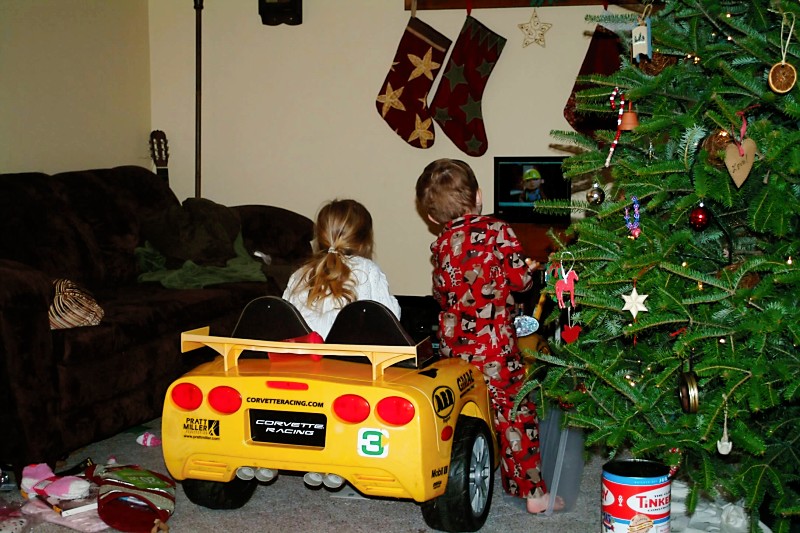
Time to put it into reverse, having reached the other side of the room.
I Thirst (Following Jesus in the Desert)
Toward the end of our time together, I mentioned to my spiritual
director that I was considering what kind of practice I might embrace for Lent,
but didn’t really know where to begin.
She grew animated and explained that Lent is a time to join Jesus in
the desert and as she spoke, reflecting on the passages in Matthew and Mark, I
felt my mouth going dry.
When I arrived that morning I was thirsty, having downed a
good bit of coffee and a little milk with breakfast, but no water. But I’d already asked to use her bathroom and
felt on some sub-conscious level that asking for water might be too much. So as we sat talking and praying together in
that sunlit room filled with windows and plants, as my spirit was fed and
nourished, my body was thirsty.
As she spoke about the desert and the call for us to follow
Jesus there, the dryness in my mouth became pronounced and the heat from the
gas fireplace beside me grew to feel like the harsh light of the mid-day sun. I felt the dryness of sand growing in and around
me, as though the room itself was being transformed into the desert. And in the midst of that, a panic arose in me
and I said with urgency, “I don’t want to go into the desert. I feel like winter itself has already been a
desert and I can’t handle any more.”
These last few weeks since advent and maybe even before
then, have felt barren and empty to me.
There’s a dryness to parenting four young children through winter in
this small dry house where we fill three humidifiers multiple times a
day. Each day is a barren stretch from
the time my husband walks out the door ‘til the moment he comes home and I hold
my breath and plod along, parched and weary, too often running on empty.
Maybe I’m being melodramatic. Maybe.
But as we talked, my friend suggested that there are many ways to enter
into Lent and that maybe I could take on the practice of documenting the desert
by simply being aware of the desert.
So I am. And, as far
as I can tell right now, it’s dry and empty and I thirst.
* * *
I picture Jesus standing on the outskirts of everything, his
feet sinking into the steadily warming sand as he looks back, his arm
outstretched toward me. He is silhouetted, enshadowed, by the glare of the unknown, the
open, empty expanse of the desert, and I’m hesitant to enter it with him.
But as I pause, holding back, I’m reminded of
the blossoms of the desert, those flowers, rare and colorful that thrive in the
heat and sand. As he waits, something in
me shifts and it’s the possibility of beauty and life even there, where it
should not be, that lifts my feet and moves me forward and for now, this is
enough.
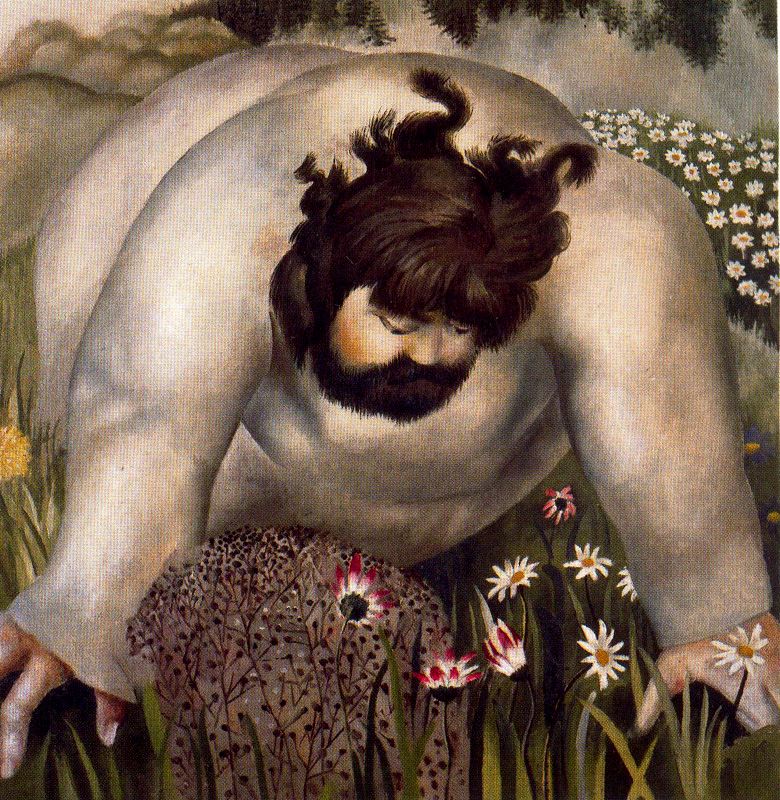
Christ in the Wilderness – Consider the Lilies by Stanley Spencer
What practices feed your spirit and nourish you during Lent? What questions or hesitations do you bring into this season?
The Room Full of Darkness (an invitation for Lent)
I wrote this poem this past December and then let it sit for a good long while. Now it seems to me that it has something to do with Lent and Jesus’ invitation to follow him into the desert for these forty days. When I wrote it, I was thinking of the root cellar in the basement of my Grandma’s house. It was a fascinating space to me as a child, full of spider webs and canned goods.
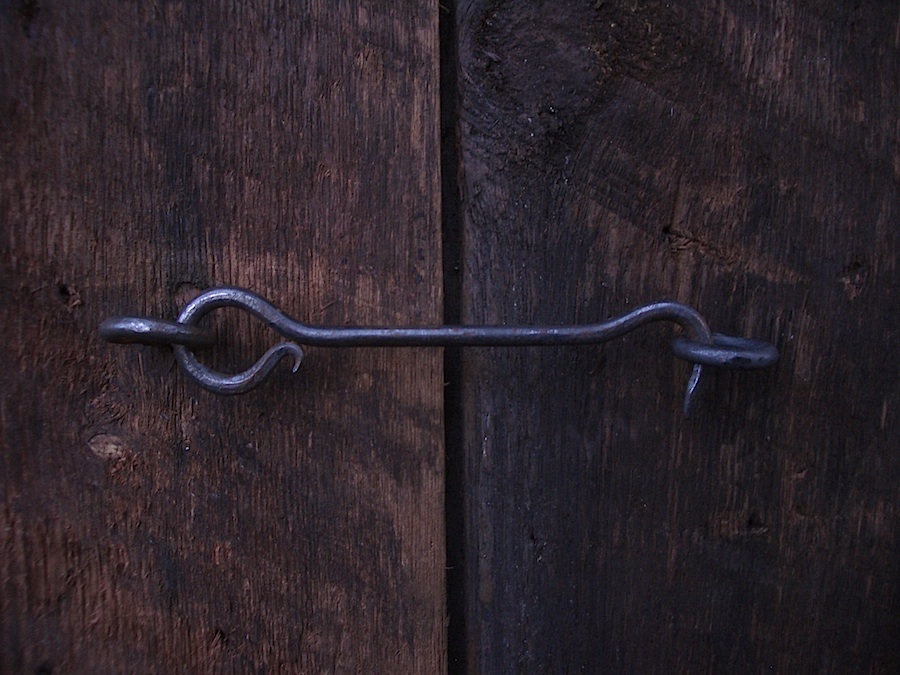
There is a room full of darkness
within each of us.
Descend the stairs,
round the corner,
and descend the stairs again.
There stands the door,
worn and wooden,
the room behind it
like a small cell
cut into the cool, earthy
darkness of the soul.
The door is held shut
by a thin hook and eye latch.
What lies behind it,
we dare not guess –
deep secrets wrapped in fear
huddled in darker corners yet?
Perhaps.
But maybe, also, there exists
preserved in the dank shadows,
the fruits of our lives,
treasures untold,
the deep, cool roots
from which we and the world might drink,
were we ever to dare to
reach out our shaking hand
and open the door.
This post is linked with Playdates With God and Hear It On Sunday, Use It On Monday.
The Gathering Love of God
She told him, “When I was in college I read a folktale about a father pursuing a son who’d run far away, from one world to the next. The father called to him, ‘Please come back!’ But his son looked across the great gulf between them and shouted to him, ‘I can’t go that far!’ So his father yelled to his son, ‘Then just come back halfway!’ But his boy replied, I can’t go back halfway!’ And finally his father shouted, ‘Walk back as far as you can! I’ll go the rest of the way!'”
– Atticus by Ron Hansen
The twins had a real knock-down, drag-out fight the other day. There was an intensity of pushing and pulling and screaming as they battled.By the time I realized what was happening they were knocking each other down, falling one on top of the other into the teetering baby gate.
I jumped up quickly and intervened, pulling them apart as they screamed, still leaning in toward each other in a “let me at ’em” posture. Then, as quickly as it started, it was over and Isaiah clung to me, sobbing, while Levi backed away, defiant.
I walked over to the couch intending to sit down with both and Isaiah ran to me, burying his face in my shoulder as I lifted him to sit on my left thigh. Levi stayed, though, where he was on the other side of the room pouting out his lip and sliding down to the floor, turning into the perfect picture of a tiny teenager right before my eyes.
I called his name and stretched my arm out toward him, my hand open, beckoning, “Levi, come. Come to Mama. Come let Mommy hug you.”
He grunted, a rude little defiant noise he’s perfected in recent weeks, and cast his eyes down in a dramatic gesture while his little hand explored the floor around him looking for something to throw.
So I changed my tone adding a note of authority, “Levi, Mommy said to come. You need to come to me right now.”
I paused and tried counting in a warning tone, a trick that always works with my older two, “One . . . Levi, you need to come to me,” I said as I waved my arm and patted my leg invitingly, “two . . . three.”
He stayed put, though, so obviously relishing the part he played that I nearly laughed. The posture, the attitude, came naturally, and he was trying it on, like a hat or a shoe, trying on what it felt like to be separated, to be naughty.
I watched him sitting there and I felt stuck. I knew Isaiah would read it as a betrayal if I set him down to deal with Levi and I knew I couldn’t let Levi stay where he was, so small and distant.
All at once I tightened the grip of my left arm, which was wrapped around Isaiah, stood up and crossed the room to where my wayward son sat playing his part there on the carpet. Bracing my legs wide like a weight-lifter, I leaned down and wrapped my right arm around him, pulling him half-way up my body and hobbling back toward the couch, a boy in each arm.
He didn’t resist me and when we sat down both boys laid their heads on my chest and I wrapped my arms around them like two great wings of love and we were restored to each other once again.
There is a width and depth to parenting twins that’s changing me. As their wills and battles intensify I find myself often kneeling and gathering them both, wrapping my arms around the one who hit and the one who was hit for they both need me, equally.My love is growing in breadth even as my body did in carrying and birthing these boys, so that it seems like that capacity that was born in me in gestation is stretched and expanded daily as I lift and love and hold these two.
As I sense this expansion in myself, I can’t help but think I am coming to know the expansive, gathering love of God in a new way. The same love that Jesus said drove the father outside of his house, not once but twice, as he sought to gather in both the prodigal and the older brother. The same love that Paul says we are being rooted and grounded in even as he prays that we might somehow come to comprehend its “the breadth and length and height and depth (Eph. 1:17-18).
This is the love of God, wide and expansive, embracing and gathering. We all, like so many sons and daughters, find ourselves in a distant land from time to time and it is God’s will that we would all be gathered in to the arms of God. And as we are gathered and learn to “bear the beams of love*,” we become gatherers too, willing to go the rest of the way.
* William Blake
This post is linked with Imperfect Prose.
If You Get Lost
My oldest son worries about getting lost. He’s the middle child, so I guess it makes
sense, bookended as he is by his sister and twin brothers.
One morning as we dropped his sister off at school and headed
toward the other side of town to pick up his friend for preschool, I rounded a
corner with a little more oomph than usual and he noticed, asking, “Boy, Mom,
are you having fun driving?”
“Yeah,” I said, “driving is fun.” Then I added, “Do you look forward to driving
someday? Do you think it’ll be fun?”
“No. Well . . . I guess so, but I worry about what to do if
I get lost,” he says, his little voice traveling the distance from the back of
the van; that little voice that’s filled with not-so-little worries.
Sometimes if we’re driving somewhere new or happen to take a
different route home he pipes up to ask whether I’m lost or not. Usually I’m not, but I do have a more intuitive
sense of direction and have been known to, on occasion, make my way toward a
new destination via slowly decreasing circles comprised of wrong turns and
false starts.
We’ve tried explaining maps to him, how they show where you
are and how to get to where you want to go, but it’s all a bit too much for a four-and-a-half-year-old to take in. Besides,
I think what he’s expressing is more of a feeling, a fear or anxiety, rather
than a desire for concrete information. What he really wants to know is if he’s going to be ok and
whether he’s in good hands and can relax.
When he does relax, he sits leaning forward, staring out the window, letting
his eyes glide along until they come to rest on whatever thing he happens to be
obsessed with at the moment. From the
time he could talk, he fervently pointed out every piece of construction
equipment within eyesight as we drove on long trips up 81 or out across the
PA turnpike. This past summer, he found
and exclaimed over every “peltic” cross in Carlisle during our many trips
through town.
That morning as we slowed and I put on my blinker and pulled
around yet another corner, I said “Well, if you get lost, you stop and ask
someone where you are and they’ll help you figure out how to get home.”
That was it, and, for once, the simple answer seemed to
satisfy.
We all have times when we feel lost, confused and uncertain
of where we are or where we’re going. Maps
can be helpful, but sometimes you just need to pull over and ask for
help. Sometimes you need a living,
breathing person, someone who’s right at home in the place where you feel most lost; someone who can reorient you, holding your
hand and heart long enough that you can begin to hear again the voice that calls
you toward Home.
* * *
Ever feel like you’re lost and in need of direction, but you don’t know where to turn? I’d like to highlight my friend Tom Kaden’s ministry, Someone To Tell It To. Tom Kaden and his business partner, Michael Gingerich, started Someone To Tell It To as a non-profit counseling ministry which “specializes in offering support to those with life-threatening health concerns, especially those with cancer, to families liivng with disabilities, and for those searching to find meaning and purpose for their lives.”
The exciting part is that Tom and Michael are available to provide support locally or long-distance as they provide their services through which-ever means works best for you. If your interested in finding out more, click on the link above. Tom and Michael also host an excellent blog with quality writing and a depth of spiritual insight, which can also be accessed via the above link.
* * *
This post is linked with Playdates With God and Hear It On Sunday, Use It On Monday.
I want to explain how it feels . . . (this thread, these crumbs)
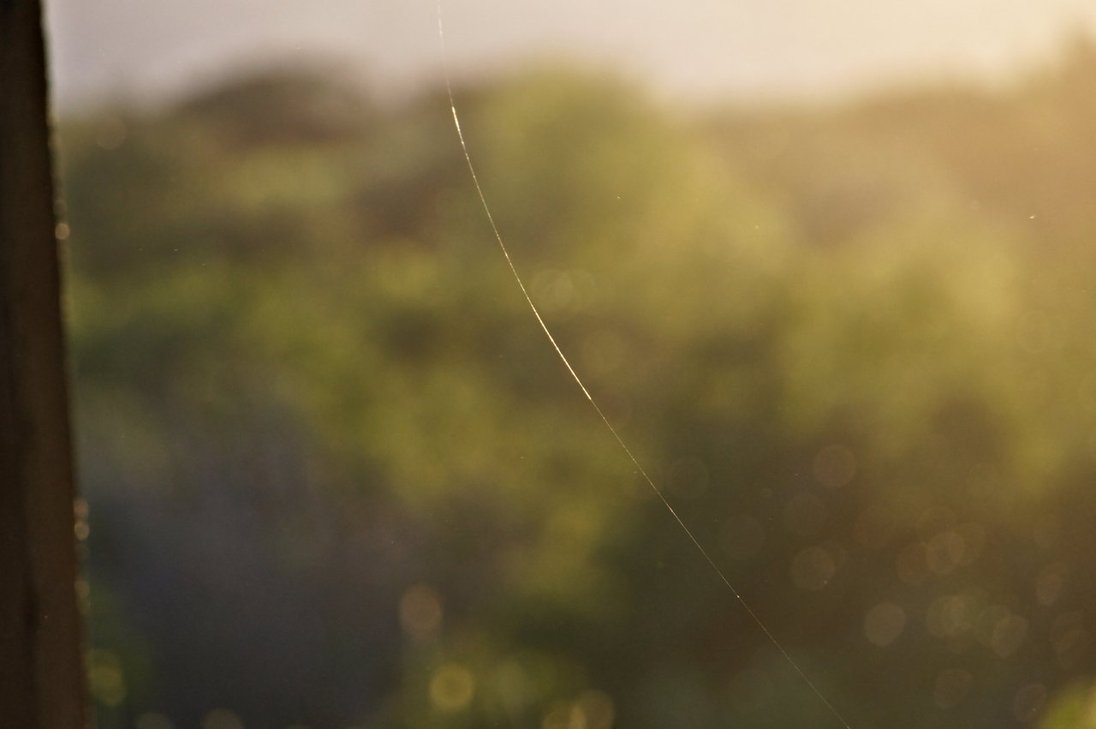
(this picture was found here.)
This Thread, These Crumbs
I want to explain
how it feels –
it seems to me
that my life is held
together
by an unseen thread,
a shimmering strand
of gossamer, perhaps.
And as I pass through each
moment in time and space
I am forever looking for signs
of its Presence.
Like Hansel and Gretel
I walk hunched over,
peering through each day,
seeking, searching
for those elusive crumbs
that lead through
these dark woods
toward Home.
She Stood in the Doorway
Earlier this week, Emily Weirenga posted a link-up around the question, “Would you be friends with your younger self?” While not a direct answer, you can read my thoughts below and visit this link to read how others responded. Enjoy! And, what do you think, would you be friends with your younger self?
* * * * *
We had two children at the time, ages two and four, and were
making the difficult and exciting transition to me working part-time. Within a week I would begin as Associate Pastor at our church and we were scrambling to get things lined up and adjusting to the title “pastor” that matched the calling I’d felt for so long.
It was one of those mornings when I was running
late and harried, scrambling in mad circles around the house, watching the day fall apart before it even got started. I was working frantically to get my oldest
ready for preschool, while also searching for the car keys when the phone rang.
Seeing it was the babysitter, I quickly grabbed the phone. I had called her the day
before, explaining that I would be preaching the following Sunday and wondering
whether she could free me up for a few hours of study and preparation. She said she’d have to get back to me and I
was eager to hear her response.
To my surprise, she asked if she could stop by to
talk for a few minutes. I explained that
we’d be leaving soon, but that it was fine if she could get there quickly. It was a strange request and
even in the midst of the hectic morning rush, as I continued to plow through
drawers and coat-pockets, searching, I felt a shadowy anxiety
that had to do with more than missing keys.
She appeared at the screen door right around the same time I
resigned myself to having to walk, or rather run, my daughter to
preschool. She walked in to the middle
of our chaotic morning and stood there at the threshold of our home, tall and
willowy, with her long hair that hung down below her waist.
I don’t remember word for word what she said, but as we
stood face to face in my living-room, the sunlight streaming in and the
children swirling at my feet, she said she hadn’t wanted to tell me what she
had to say over the phone. The fact was that while she really
enjoyed my kids, indeed, loved caring for them, she wouldn’t be able to babysit
for me while I was preparing to preach because she didn’t believe in women
preaching. She would be happy to babysit
other times, but didn’t want to support this activity that she disapproved.
I stood facing her directly and tears poured down
unbidden as she spoke. I felt, of
course, the rise of anger, the “how dare she come into my own house and speak
to me this way,” but beyond that, empty and exasperated as I already was, I
felt clear and simple pain. It was
as though her words were a lance that pierced an old and heavy wound.
I don’t know what she expected, maybe that I would scream
and shout or throw her out and, if I’d had my wits about me, a mighty slap
across the face would’ve been a wonderfully dramatic if not also regretful choice. But I stood there
and took it because even in the midst of the pain, I saw myself in her.
I saw the young woman who memorized entire books of the
bible word for word throughout high school, the one who spent her weekends
traveling with a bible quizzing team, the one who explained to a feminist
friend how the seemingly biblical subordination of women was ok.
I saw the courage and conviction that comes so easily with
black-and-white thinking, with the clarity and purity of youth and I felt
compassion for her, even as I stood reeling from her words. It was as though my own self stood there in
the doorway, speaking from across the years and, in a strange way, I couldn’t help but love her
for it.
* * * * *
There’s more to the story, of course, like how that
confrontation resulted in an important conversation with my Dad around me being
a woman who would soon be a pastor. Or
how the piercing of that wound was a blessing in disguise that awakened me to
the reality that I would be working in a very conservative community; this pushed
me to have a clarifying conversation with my soon to be employer while also
awakening me to my own need for healing.
I continued to hire her as a babysitter when I was not
involved in “illicit activities,” trying, I guess, to be the bigger person. And she continued to be available (maybe also
trying to be the bigger person?). Having
been caught off guard by her judgment, though, I worried when she came to the
house. I couldn’t help but wonder what
other transgressions I might be making in her eyes – what would she think of
the books I read or the beer in the fridge?
I refused to give in to the temptation, though, to hide these
things.
I was tempted, too, to leave things lying around that might,
somehow, “enlighten her” to my way of thinking and I wondered if she might not harbor
hopes of doing the same. As time went on
I joked with my husband that we were two determined women intent on arm-wrestling each other into our own little definition of the Kingdom of God.
* * * * *
There will always be the need for young women like her, women who stand
tall and straight with such clarity and conviction, if only for the way they
lance the boil of old hurts, bringing to the surface yet again the fear and pain of coming
into being.
Time has a way of changing and deepening conviction, time
and pain and the relentless and fierce call of God. For this change in me, I am grateful, and for the seed of
compassion that allowed me to see my younger self, again, with love.
When Winter is Gray and the Fog Rolls In
“Anger is the cloak sadness wears.” – anonymous
It was one of those gray, soggy January days. Ice and fog wrapped the world in a cold mist
and I had been trapped at home nursing sick children for over two weeks. So I piled the kids into the van – as though
crowding together into an even smaller space might somehow help – and pulled away
from the curb with no clear destination.
A plan started to emerge as I drove and we headed out of
town and onto back roads toward a large greenhouse that also boasts a store and
kid-friendly restaurant. There would be a
large, warm room full of plants, a fish pond, bunnies and a train and the
promise of hot dogs for lunch. I figured
what we all needed was a glimpse of green and flowers and a taste of spring, a
glimmer of hope to get us through yet another winter day.
We drove on wet roads over rolling hills beside the wide and
resting fields of winter. I told the
kids we were going on a surprise, a secret trip and things started to feel a
little more hopeful.
I came down a hill to a large, familiar intersection with a
traffic light that turned red just as we approached. I braked, stopping and looking in both
directions, before putting on my blinker and swiftly turning to the right. We were almost there, close enough that I
could already feel the hope of spring and warmth and relief that I hoped the
green-house held.
I noticed the “no turn on red” sign just as I was turning
and heard the honk of the car behind me.
No one was coming, though, and the kids were shouting and pointing to
farm equipment in the fields, so I thought, “ooops,” and kept driving.
Looking in my rear-view mirror I noticed that the car that
honked had turned right too and was following close behind me, aggressively
close and as I slowed to round another corner I worried I would be rear-ended. The car stopped just short of my bumper, then
turned, following me, and I started to grow concerned.
Fifty feet or so more and I turned again into the
greenhouse’s parking lot and my suspicions were confirmed as the car followed
and parked too, somewhere behind me. I
sat waiting for a minute, fearing a confrontation. I had all four kids in the van and the last
thing I wanted was to expose them to a shouting match, or worse.
Just when I thought I was safe, a woman appeared in my
window and I automatically opened it.
She stood there, leaning forward, aggressively – an older woman with
short, messy gray hair. Her face was in
mine as I looked up from the automatic window button and she threw her words at
me like one might throw a drink at a party, “Don’t you follow traffic
signs?”
The question was all accusation and meant to catch me up
short, but I was already caught up short, which is why we’d left the house in
such a hurry and I simply didn’t have anything to hurl back at her.
My face was filled with sadness and
exhaustion as I replied, “It was a mistake.”
“That’s why I honked my horn,” she spat back at me.
I looked at
her and said again in a pleading tone, “It was a mistake.”
“We lost two children in that intersection,” she said. Then, quickly, she spun around and sped back
to her car, her long black sweater sweeping behind her.
Winter filled my heart and fog rolled in.
I recognized immediately that her raging anger was a stiff mask that hid great pain, something I doubt I would’ve noticed if I hadn’t also been in pain.I also guessed that she was probably lonely and afraid, as I was, and frightened too, perhaps, by the depth of her rage.
The kids asked what was going on and I brushed the
interaction aside, but something had been stolen in the moment. I thought, as I unloaded the double stroller
and snapped it into place, that I would’ve liked to invite her to have lunch
with us, but she was long gone and not, I suspected, in the mood for company.
Later, I wondered what she saw as that window rolled down, I wondered how she felt as she walked
away, and I wondered whether my words,
repeated twice in my own exhaustion and humility, were what she needed to hear,
“It was a mistake.”
This post will be shared with Playdates With God and Hear it on Sunday, Use it on Monday.
Remembering (we are held)
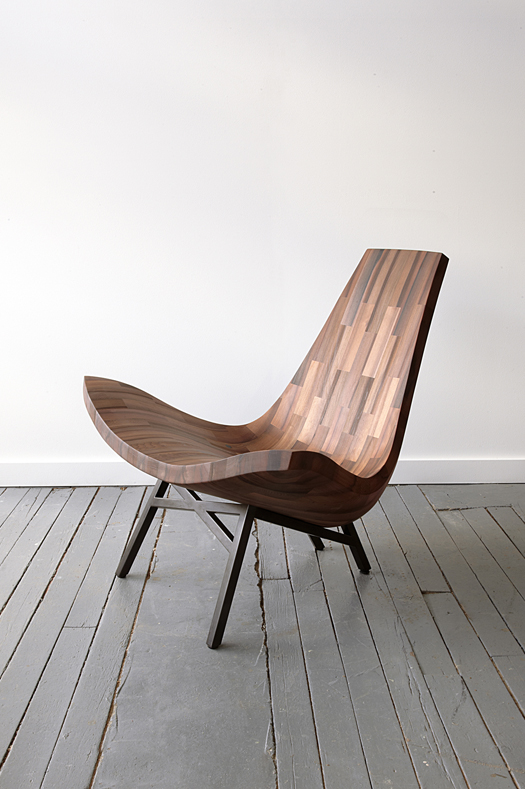
I sat in the living room last week rocking my poor, sick, sleeping boy
and watched while his twin brother explored a small wooden chair. He walked diligently to the book basket,
chose a board book, then toddled quickly over to the chair. Placing the book on the chair, he lifted one
little knee and, after maneuvering the book to make room, pulled
himself up and turned, settling into a seated position with a look of great
satisfaction.
There he sat, fuzzy-headed and plump, like a ripe peach, his
short legs sticking straight out.
Glancing at me with a look of triumph, he opened his book and
“read” briefly and with great volume.
Then, with a swift movement, he slipped himself off of the chair, and
went running on his little bare feet to get a new book.
He repeated the whole process again and again
with a different book in hand each time, as though neither “Trucks” nor “Things
That Go” were proving to be quite the literary adventure he’d hoped they would. Stand, climb, turn and sit, then, repeat. Sitting and standing are a pleasure for him and he repeats the movements over and over as though swirling the feeling of it all around inside of his little body until at last the feeling fades to ordinary, like so many other firsts tasted and mastered in his short eighteen months.
* * *
And while I’m thinking of it, a strange thing has happened several times now during my
monthly retreat – at some point I’ve found myself acutely aware of the reality
that the chair I am sitting in is holding me.
Every time we sit, we are being held.
But most of us, most of the time, have stopped feeling it.
* * *
Earlier I sat in the pediatrician’s office with the same sick child whose
limbs hung limp as he fought a raging fever. Between the bustle of nurse and doctor, in
the midst of the bright light and noise, he lay slumped against me, belly to
belly, his heavy head pressed, unmoving on my chest. His fine, blond hair was sweaty and his cheeks
fiery red with heat. His eyes ran and he breathed in short, panting breaths; his small mouth hung open,
pressed against me.
He smelled like sweaty, sick, drooly baby or I smelled, for
I’d lost the ability to distinguish between us. Finally he raised his flushed head, squinting his eyes in discomfort and I noticed that the whole front of me, two t-shirts
thick, was soaked through with spit.
I
pulled him back toward me and curved my body like a hammock and we rocked and I sang
and he hung on for dear life between the Dr.’s probing exam and tests for the flu and strep
throat.
As I sat there, turning my body into a living, breathing
home for him, I wondered if God doesn’t also do this for us. God curving, bending into a mighty ocean of a
lap, a wide, swinging hammock of rest; God, like a chair that holds us.
* * *
God holds us, my friends, even when we’ve lost the ability
to feel it, even when we’ve outgrown the desire to be held. God waits like a hammock swinging in the
breeze, like a mother’s lap that sways full of life and breath and song.
This post is shared with Imperfect Prose, click over to read more posts on the topic of Mother.
Books
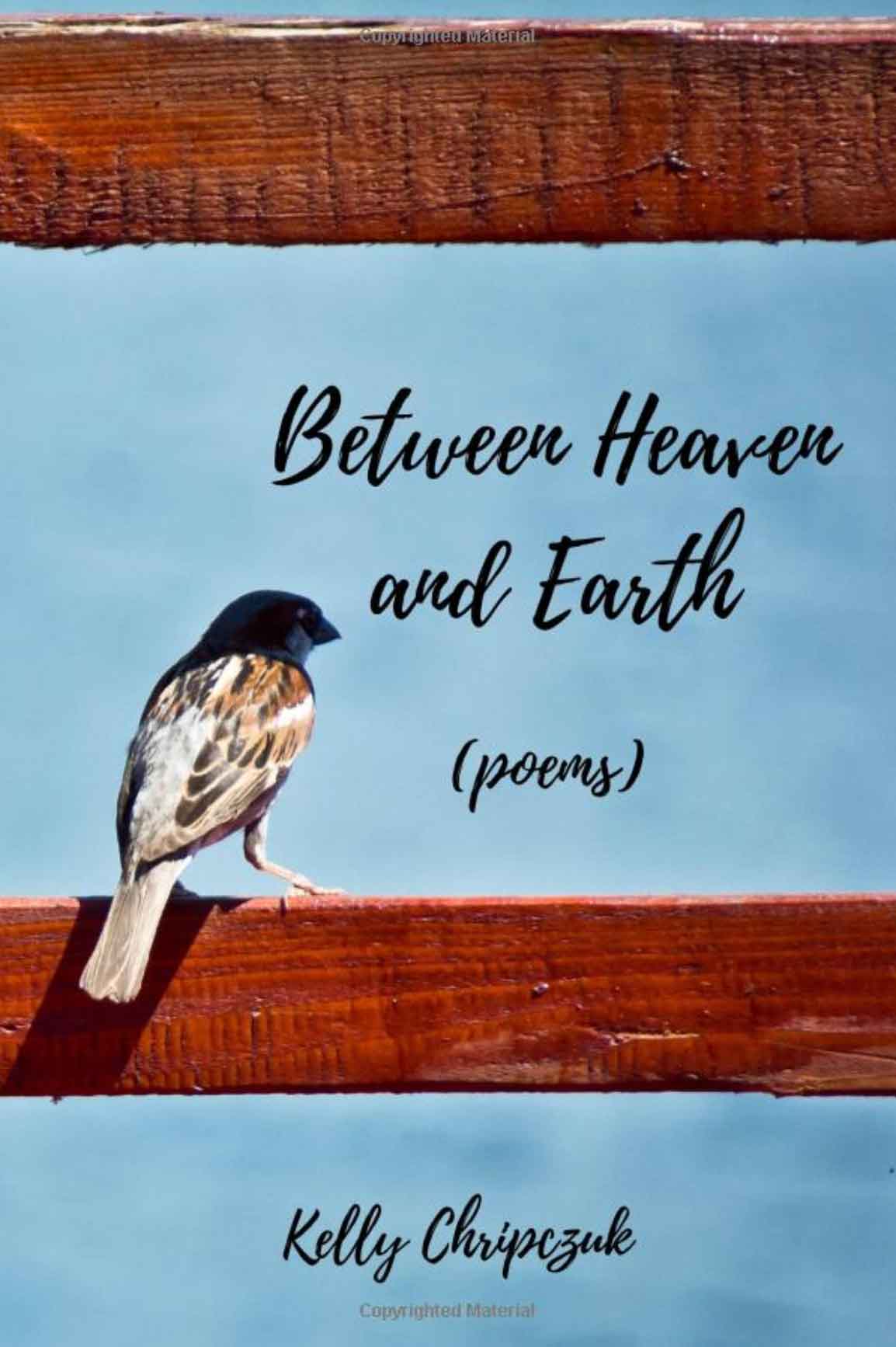
Between Heaven and Earth (poems)
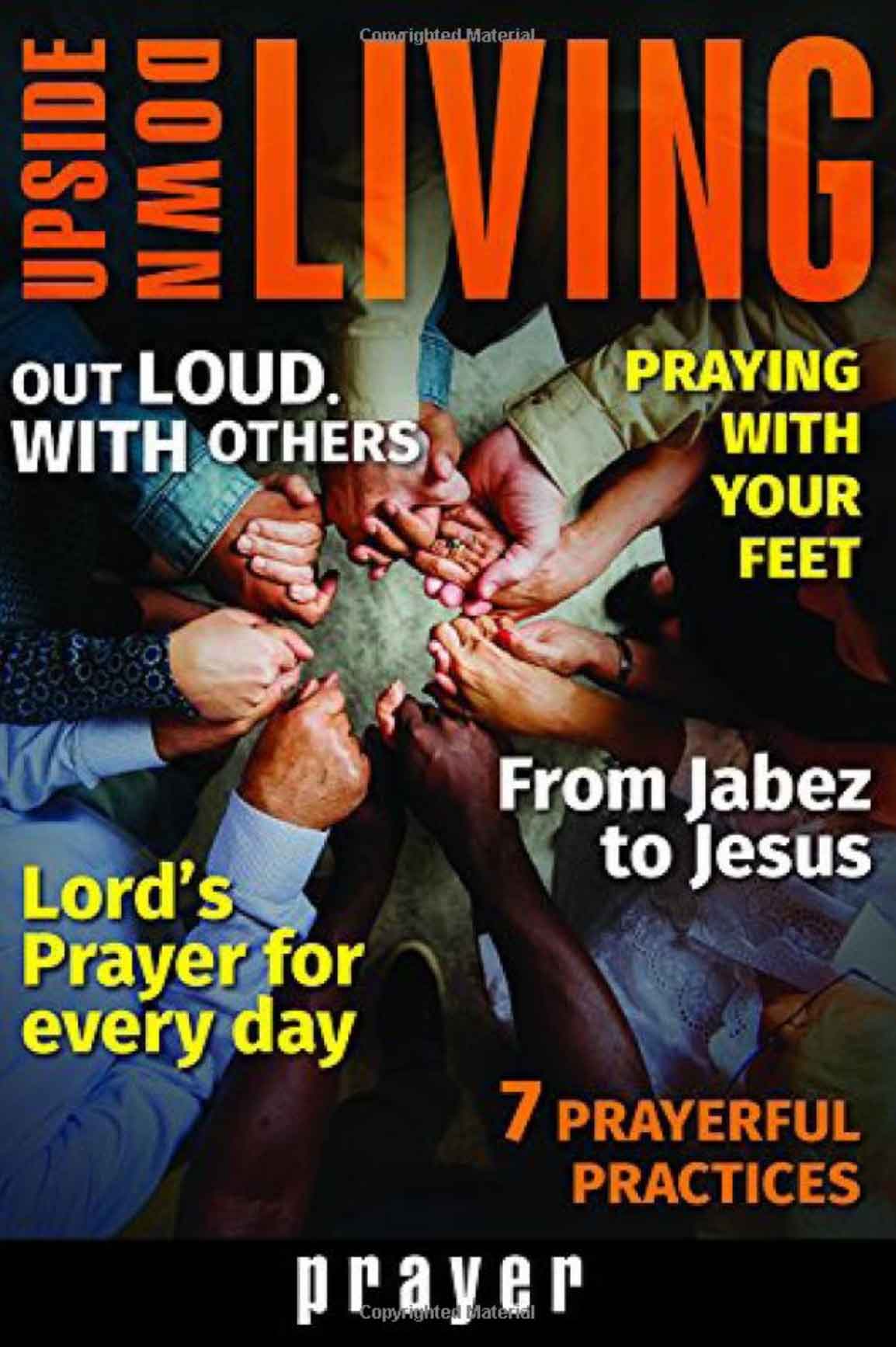
Prayer can easily become an afterthought, a hasty sentence, a laundry list of all the things we want. But what if prayer is a time to find out what God wants for us–and for our world? What does it mean to pray that the kingdom would come here and now as it is in heaven? Explore these questions in this study, and learn prayer practices that nurture intimacy with God and sensitivity to God’s dream for the world.

Follow this writer, spiritual director, and mother of four as she dives into the deep end of chicken farming and wrestles with the risks and rewards of living a life she loves. At turns hilarious, thoughtful, and always compassionate, Chicken Scratch will change the way you see the mess and chaos involved in living life to its fullest.
