
Essays
Every New Arrival (Lazarus)
In mid August I spent some time in a local Behavioral Health Hospital due to the sudden onset of severe panic attacks. I continue to write about it as a way of processing the experience.
Every new
arrival receives the same tour –
here’s your room, your room mate.
This is the
nurses’ station, the meds window;
here’s the bathroom and shower,
a towel and
washcloth, a blanket,
all bleached white.
The newest
is heavyset, balding,
with stringy dark hair.
He wears jeans
and
hospital-issue paper top,
the kind they hand out in the ER
when the
clothes you wore upon arrival
were torn or bloodstained.
He carries
the rest of his belongings
in a brown paper bag tucked under
one arm.
A shower is
the first order of business
for every new arrival, then meds.
Standing
behind him at the window
I notice the band aids on his wrists.
No one is
ready for eye contact
on their first day, each one jittery
like a wild animal, trapped and
wary.
But on the
day I will be discharged
he shows up
in Group and tells us all his name.
His
words come slow like his
voice has gotten lost
somewhere deep within his body, a small sound that
fell
deep into a chasm of fear or pain or despair, but now
he speaks,
sitting at the end of the table,
every syllable a step toward resurrection.
He is Lazarus,
we all are, here in this tomb
of dying and learning to live again,
and the
therapist at the opposite end
of the table calls us out each by name.
This post is linked with Playdates With God and Unforced Rhythms.
The Woods (a poem)
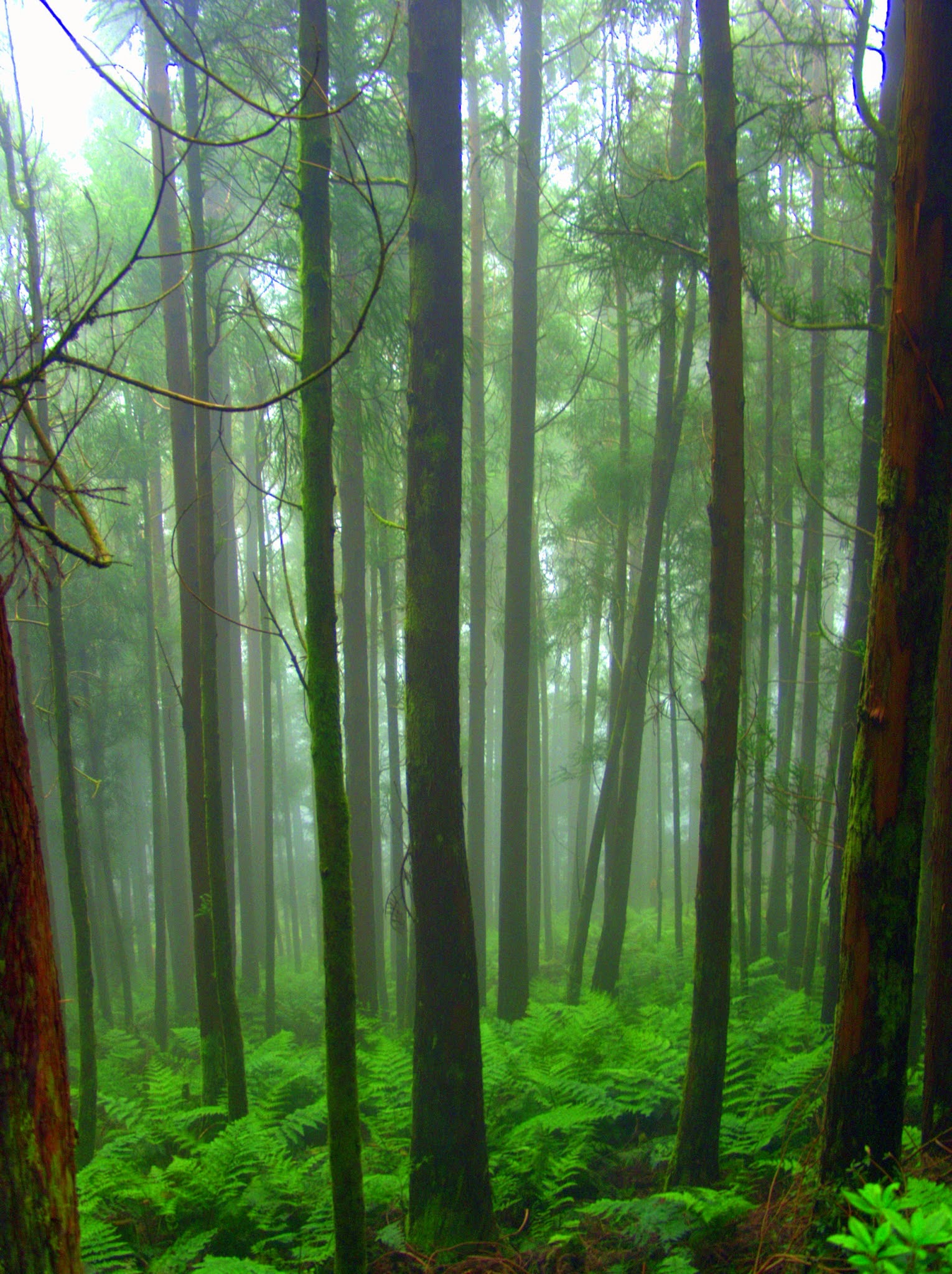
Within you dwells a wood –
there are trails, some old and overgrown,
others fresh-cut and, between them, wide
open spaces filled with untamed growth.
In those woods you are every age
you have ever been, every age you will be.
Those woods walk up the mountain and over
the other side; those woods go on forever.
In them stand ancient trees, sturdy, scarred
and thick. Those woods whisper
your name, “Be who you are,”
they sigh, “this is all that was ever needed.”
Photo source: Here.
Inspired by the woods and mountains at God’s Whisper Farm.
Dear Anxiety (A Conversation with Anxiety)
In mid-August, the sudden onset of severe panic attacks landed me in the hospital for several days. Since then I’ve continued to struggle with generalized anxiety, although medication is helping. Walking through this experience I continue to reflect and wonder about the roll of anxiety in my life. This post is a result of some of that work.
After the hours of
careful listening, my therapist offered
an image that helped me, eventually to reclaim my life.
“You seem to look upon depression as the hand of an
enemy
trying to crush you,” he said. “Do you think you
could see it instead as
the hand of a friend, pressing you
down to ground on which it is safe to
stand?”
Amid the assaults I was suffering, the suggestion that
depression was my friend seemed impossibly romantic,
even insulting. But
something in me knew that down, to
the ground, was the direction of wholeness
for me, and
something in me allowed that image to begin its slow
work of
healing. – Parker Palmer in “Let Your Life Speak:
Listening for the Voice of Vocation”
Dear Anxiety:
I don’t want
to talk to you, deal with you, or look you directly in the eye. The fact is, at this point, I’m scared of
you.
But I also
realize that you are nothing. You are
absence, the open, empty space between.
Or maybe that’s just where you dwell, like a dark shadow creeping
through cracks, the chill winter wind finding its way in, always.
That’s where
we’ve met most often – as I step from one thing to the next, you rise up in
the pause between inhale and exhale, in the moment between departure and
arrival. I learned a long time ago
to watch for you, warily, in times of transition. On occasion I’ve fended you off,
outwitted you and though you stalked, I felt no fear.
Maybe that’s
because, in those times, I know the game’s afoot and I accept you as part of
the process, the way shadows and deepening night are not their own phenomena, but are only an indication of the earth’s movement in relation to the sun.
Enough,
though, you’re here and you know how you work, I don’t need to explain it to
you. Have your piece, will you? What is it you’re trying to say?
//
Anxiety’s Reply:
I saw you,
dear one, hanging like a spider on its silken thread, blown by the slightest
wind as you journeyed. Hang on!
I wanted to shout. Be careful!
Take ease! Your soul is in transition. Though
your outward life is settled, your soul is undergoing a transformation.
It was as
though the ground shook and you did not notice, as though the sun was blinded
and you continued walking, unaware.
I became afraid for you. I
saw the chasm between what was and the destination – what will be – seemed but
a blurr. I tried to wake you up to the
danger, but you shut me out, pushed me down, so I cried out louder, Be careful!
Take care! Your soul is in
transition!
Forgive me,
please, I only wanted your attention.
I only
wanted you to slow down, to rest.
I was afraid
for you.
I did not
mean to frighten you.
//
My reply:
I see.
You’re here
because I’m again passing through the valley of the shadow of death on my way
to new life, but I was unaware.
I hear
you. I will listen.
Let us
both lay down now, here in the grass, here where the earth beneath us is solid
or there on the living room floor where the old oak holds steady.
Let us sit
awhile in silence . . .
Yes, my
friend, my soul is in transition and you are here with me as I cross the great
divide. Let us hold hands, shall
we? And lying here, let us remember that
we are held, for though you creep in through cracks and empty spaces, so also
does the light.
I was afraid
because I thought you were the voice of darkness and behind you I sensed the
deepening night of fear itself. Maybe
you also thought the same. I can see
now that you are but a mist, a fog, and behind you also dwells the light.
Darkness is nothing but the absence
of light, fear is nothing but the absence of love. But love
endures forever, there is no absence, only waxing and waning in our awareness
as we travel.
Love endures
forever.
Don’t worry,
I will remind you of that.
I hear
you. I will rest, let us lay here
together for awhile as we rest in love.
I will not
miss you when you depart, anxiety, but while you are here, let us be
friends. Let us converse about our
fears, about the shadows and spaces between, but let us rest also in the love
that is always, always breaking through.
This post is linked with Playdates with God hosted by Laura Boggess who’s lovely book Playdates With God: Having Childlike Faith in a Grown-up World is now available for pre-order on Amazon. Also linking with Unforced Rhythms.
Harvest (I want to be home when the combine comes)
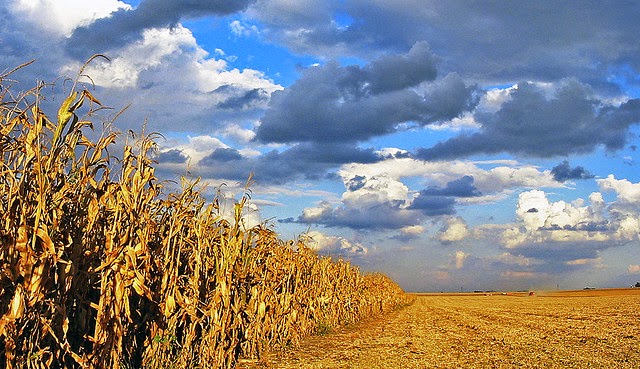
Photo Source: HERE.
The neighbor’s
dog killed
our kitten. He’s an old
speckled
hunting hound
who hobbles
painfully
through a
large fenced yard.
Our kids
feed him handfuls
of bone
shaped biscuits
through the
fence
and run back
and forth
calling his
name.
The kitten,
slender and spry,
climbed the
fence, curious,
and the old
dog found
youth
coursing through his
veins. It was quick, they said,
she didn’t comprehend the threat,
he acted on training and
instinct.
The daycare
children who played
nearby watched
it all go down.
Crying, they were hurried
inside, to
where the classroom bunny
sat safe
in its cage.
We weren’t
home at the time.
Later, when
I sat in the grass snacking
with my
boys, the neighbor called me
over to break the news. We stood there
on opposite sides talking for a long time,
our conversation divided by the fence.
He
was apologetic, I was trying to figure
out what to
tell the kids.
“I didn’t
think he still had it
in him,” my
elderly neighbor observed.
We talked,
as usual, about the woman
who
owned this house before us –
born here and died here at the age of ninety-seven –
and about
the neighbor’s own twin brother, a monk
in his
seventies still making plans to teach overseas.
The
cat was handed back
over the
fence, stiff and oddly heavy
in a plastic
bag. I put her in a box,
then went to
wait for the school bus
to crest the
hill, delivering
my happy
children back home to me.
//
The farmer
has started cutting down
the dried
brown corn that shines golden
when the sun
hits just right. Any day now
the field
across the street will be empty
again. The harvest feels like an inevitable
end, the cutting down of it all and already
I feel a sense of anticipatory loss.
I want to be
home when the combine comes,
to witness
the transformation. Then
there will be the long wait of winter
before seeds are sown in the quiet earth
and green shoots break through again.
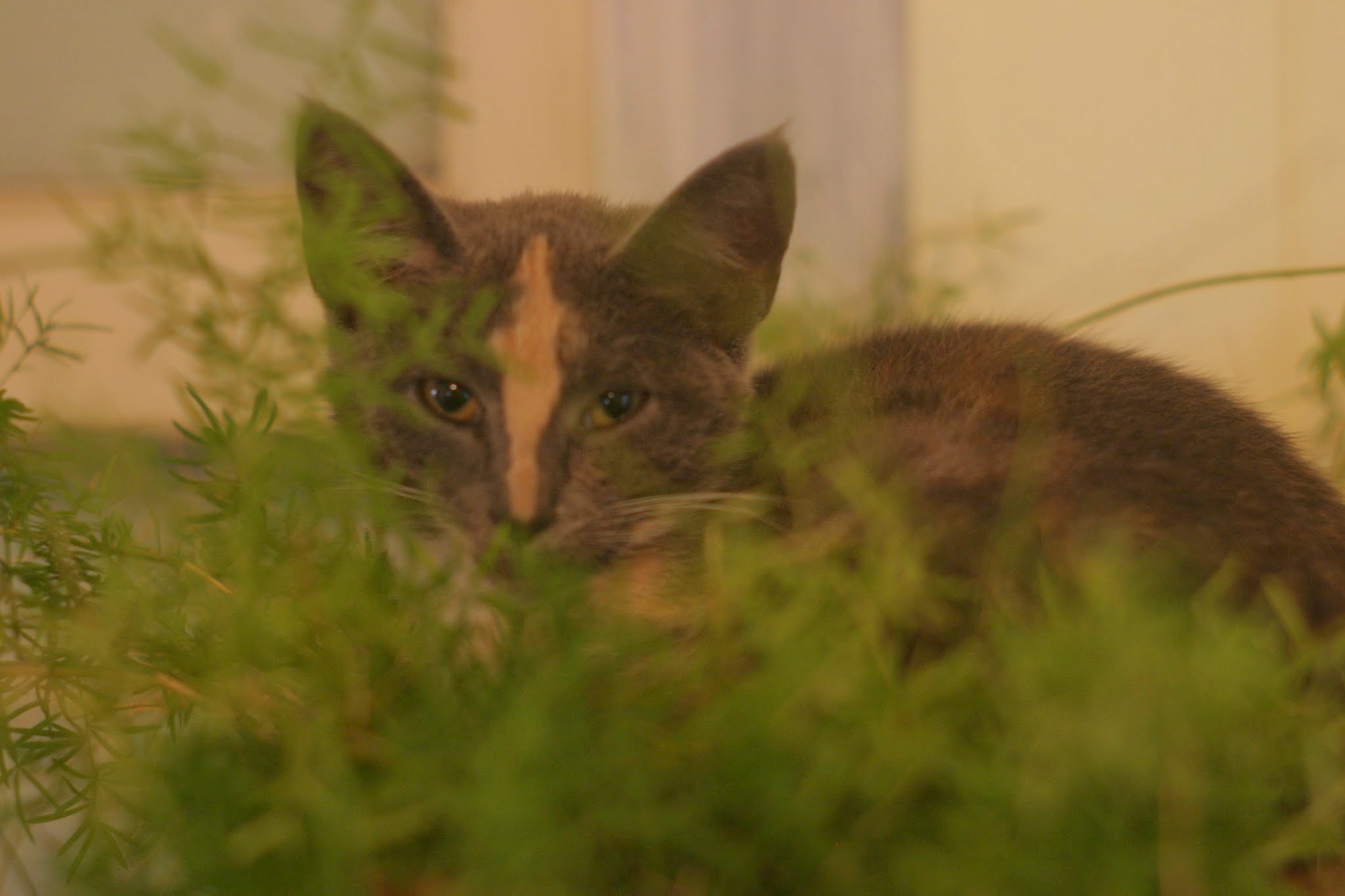
This is our sweet Tiger who loved to curl up and nap in my Asparagus fern.
Linking with Jennifer Dukes Lee for #TellHisStory.
For My Tall, Slender and Serious Daughter (Trust Yourself)
This week I’m honored to be guest posting over at Kelli Woodford’s place, Chronicles of Grace. Every week I help her and a handful of other writers host the Unforced Rhythms linkup. Click over there at the end of this post to continue reading and visit other posts in the linkup.
He’s a
heavyset, gray-haired man, short and jovial who honed in on my daughter, tall,
slender and serious.
“Smile!” he commanded
and she obeyed.
Standing
nearby I was overcome with a strong desire to whack that man, not really, but
just mostly in that mama-bear, leave-my-kid-alone-kind-of-way.
I too was a
tall, slender and serious girl. I cannot
tell you the number of times men, mostly in passing, reminded me to smile.
“Smile!”
they’d say, passing me in the mall, in the college lunch line where I worked,
on the street.
Sometimes it
felt like a harmless flirtation, but underneath all of those commands to change
the way my face looked, I got the message that it wasn’t ok to be me. To be a woman, young or old, who rests serene
in her own quiet seriousness is to shirk cultural expectations of the bubbly,
giggly girl who lights up the world around her with her pearly whites.
//
I took my
daughter to the Dr. this week after she’d suffered through a baffling array of
symptoms. Was it allergies, a cold, a
stomach bug, Strep? We had no idea.
She sat
alone on the high examining table wrapped in a paper gown while the Dr. tried
to puzzle things out. Every time we
visit the Dr. she worries about needing a strep test. She hates the test, gags every time and occasionally
vomits on whoever happens to be administering it.
Finally the
dreaded moment came and her eyes grew wide, as if to say, “Really, Mom? This
again?”
To continue reading, follow me over to Kelli Woodford’s place where you can read more posts in the Unforced Rhythms link-up and leave a comment. See you over there!
Six Children’s Books that Deepen My Faith
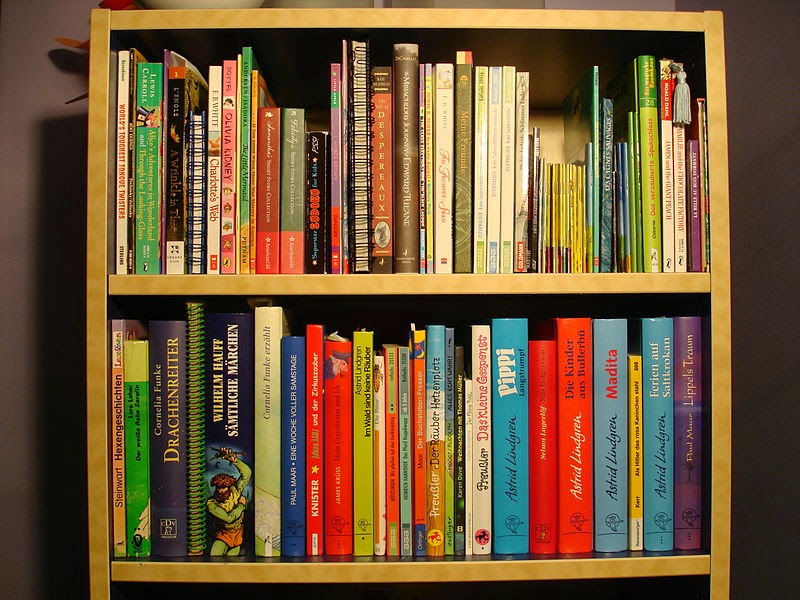
Sitting on
the old leather couch or rocking slowly in a rickety glider, I’m surrounded by
my children as we read together. I feed
my little ones on stories morning, noon and night. Serving up Harry the Dirty Dog for breakfast, The Magic Tree House becomes an after nap snack, and the evening
ends quite often with the quiet words of Goodnight
Moon, lulling them off to sleep like sips of warm chamomile tea.
Once
children starting filling our house my own books – the ones from a bachelor’s
degree in Biblical Studies and the others from a Master’s of Divinity – were
packed away to make room for cribs and changing tables and piles upon piles of
children’s clothes and books. A
voracious reader, my appetite was now sated by short stories set on colorful
pages and, much to my surprise, those books began to speak to me in all kinds
of surprising ways.
The Carrot Seed taught me about simple
faith and perseverance in the face of discouragement as I watched the little
boy tend with care and conviction that which was being formed in places he could not
see. The
Runaway Bunny gave me new images for and insight into the story of the
prodigal son and God’s great mothering, fathering, loving pursuit of the ones
who belong to him.
When I’m
tempted to trade the truth of who I am for something the world wants me to be,
The Story of Ferdinand, that peaceful
little bull who’s carted off to the bull fights in Madrid reminds me about the
truth of identity. Refusing to fight
despite the expectations of the taunting and teasing crowd, Ferdinand helps me find
the freedom and resolve to make my own quiet but firm stand rooted in the truth of my identity as a beloved daughter of God.
Tempted to
judge the wilderness within myself and my children, I remember the little wild
thing Max from Where the Wild Things Are.
When the wildest parts of me “roar their
terrible roars and gnash their terrible teeth” I’m learning to, on occasion at least,
join in with the “wild rumpus.” Then, when
I’ve had enough I, like Max, return home tired and spent to the place of
truth where I am loved just as I am.
I Love You Just the Way You Are, the
simple board book about the little bear Ba and his caretaker George, reminds of
the truth that sometimes love is the only thing that can pull us out of a
“grumpy, frumpy, stumpy” sort of day; love is the trump card that breaks
through every time.
And The Lotus Seed, the story of a refugee
from Vietnam who carried a lotus seed half way around the world, affirms for me
the truth that beauty and life can come even from great darkness,
It [the lotus] is the
flower of life and hope, my grandmother said,
no matter how ugly the mud or how
long the seed lays dormant,
the bloom will be beautiful . . . (Sherry Garland)
In times
when I’ve been unable to search and study scripture as I once did, the themes
of the gospel continue to find me as I sit reading with my children perhaps
because my heart is open and listening like a little child. Now, as time and space open up around me and I return to the ministry of spiritual direction, writing and preaching, it’s no surprise that I carry these books with me, replacing my church’s usual movie clip sermon intro with a reading of The Runaway Bunny or The Carrot Seed. These books, through the grace and mercy of God, have influenced my “business” and faith as much or more than any others.
Are there any children’s
books that influence your faith?
Curious about these books? Here are the full titles and authors:
The Carrot Seed by Ruth Krauss
The Runaway Bunny, by Margaret Wise Brown
The Story of Ferdinand, by Munro Leaf
Where the Wild Things Are by Maurice Sendak
I Love You Just the Way You Are, by Virginia Miller
The Lotus Seed, by Sherry Garland
also check out The Curious Garden by Peter Brown which offers such a beautiful analogy for the way the kingdom of God can be tended and spread among us.
This post is linked with the High Calling community linkup around the prompt Best Books for Business. Click over to find more takes on the topic.
Half Moon Heart (a poem)
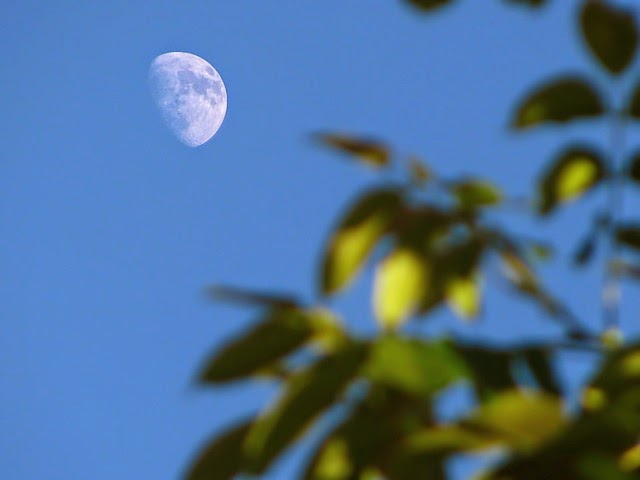
My heart is like
the half-moon peaking
out of the mid-day
blue sky.
There is more, always more,
hidden; more than I can
know or see.
Lord, teach me to tend,
carefully, the shadow
places where deep
roots dwell.
Teach me to love,
tenderly, the cool
darkness, to prize it
along with the light.
This post is linked with Playdates with God and Unforced Rhythms.
Three Days (a poem)
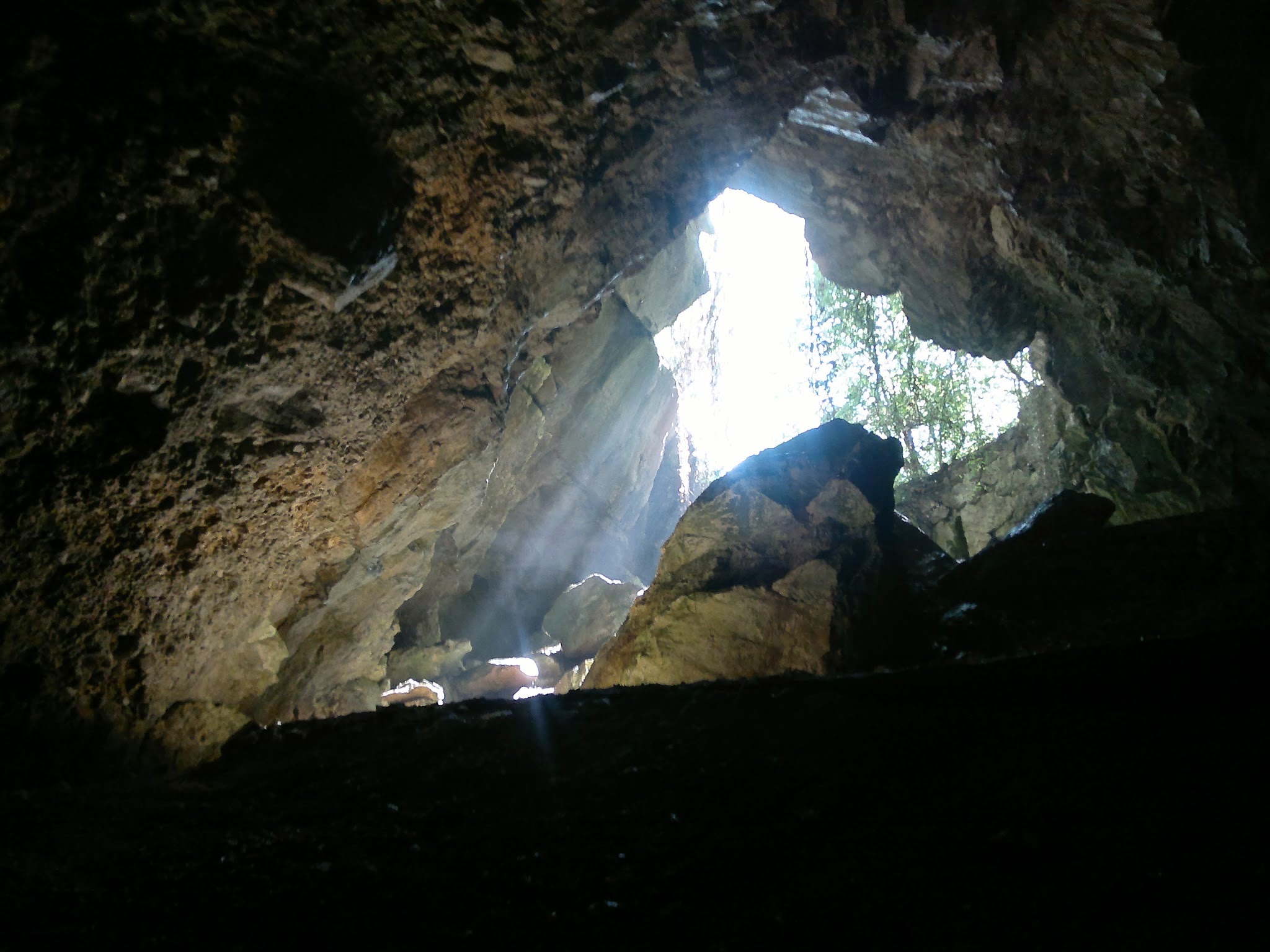
(I recently spent six days inpatient in a local Behavioral Health unit due to the onset of severe and debilitating panic attacks. I continue to work now, on the other side of that darkness, to process the experience, to understand its place in my story. To read more you may want to check out these other posts, Homesick and Brown Paper Bag (Unpacking my Recent Hospital Stay.)
Three Days
The papers I
signed in the ER
committed me
to seventy-two hours
in-patient
in the psychiatric unit. Three
days is the
initial standard of care
approved by
insurance companies everywhere
before
reassessments are made to extend
or end a
stay.
Three days
also, I read, is what it would take
to sign
myself out, even though it was a self-committal.
This gave me
pause; I thought I could leave
when I
wanted to, three days is a long time
to wait for
freedom when you feel you are ready.
Now, on the
other side of those locked doors
I cannot help
but think of the symbolism of that number –
three days –
the biblical symbol for the fullness of earthly
time.
Three days
Jonah spent in the belly of the whale,
before he
was vomited onto the shore of his calling.
Three days
walking into Nineveh, speaking the words
he feared
would cost his life, the message he didn’t
want to
give.
Three days
blind it took for Saul of Tarsus to learn
to see
again, to be reborn, renamed as Paul;
three days
to shed the old life like an empty skin
before he
could open his eyes and face the light again.
For three
days also, Jesus was in the tomb before the
grave clothes
fell off. The stone scraped against
stone
and he
emerged transformed but the same, more himself
now that the
old ways of death and decay were sloughed off
like so much
dead skin.
I was in the
hospital for six days, twice as long as I’d hoped
while my family
waited and worried at home.
Lazarus also
was an exception to the rule, for four days
he laid in dark
cave of his own grave,
that extra
day signifying that he was beyond repair.
“He
stinketh,” his sister said, but hearing his name,
he walked
out rank and disheveled, but Alive.
Six days I
waited while the old
skin, the
old life cracked and peeled back a little,
six days before
I too was vomited out those doors
to face
again the blinding light,
the One who
calls my name.
Call it what
you will – resurrection, transformation, conversion –
the tilting
of a life from darkness to light takes its own sweet time.
Now I tell
myself when darkness descends, give it time,
three days
or more in the belly, the grave, the old decaying skin,
maybe even
four or six, but as you wait, remember the light
that put you
there, the voice that calls your name (even in the dark),
the feeling
of that sandy shore beneath you when you emerge again,
reborn.
Zucchini Bread (Honoring my Grandmother’s Passing)

That night I
baked Zucchini bread from her recipe, four small loaves, and lit a green candle
in the top of one.
“Are we
having a party because she died?” my six year old son asks.
“We’re
lighting a candle to honor her life,” I said.
“Oh,” he
adds, “that’s what I meant.”
Isaiah, at
three, wants to know if I am still friends with her even though she’s
dead.
“Yes,” I
tell him, “she’s still my friend.”
Levi, also three, is
confused about exactly who has died and where she is now and how she’ll get
back to us. He asked me the day before as
we lay in the grass under the canopy of blue, “How does things die, Mommy?”
I told him
about hearts and lungs and strokes.
He understands
that dead things stop moving and that’s enough to know for now.
My daughter
suggests that the person most closely related to my grandma should get the
first slice of bread.
“That’s me,”
I said.
She smiles, “I
thought so.”
My
grandmother never put chocolate chips in her zucchini bread like I do, but she
often added nuts. At the bottom of the
shakily written recipe she wrote, “may add nuts or raisins.”
I smiled
when I read this, she knew how I hate nuts and raisins in baked goods. I
wished I could pick up the phone and call her, tease her a little about how No
One In Their Right Mind puts nuts or raisins in their bread or cookies. It’s hard for me still to believe she’s not
there to answer, that the envelope with three recipes that came in the mail
weeks ago is the last I’ll ever receive from her.
Someday,
soon maybe, I’ll write about how I lived next door to her when I was
little. I was her strawberry girl and
she blew cool breezes down the back of my dress during long, hot, Sunday
morning services and lifted the sweaty hair off of my neck with her always cool
hands.
For now,
though, we made the bread, we lit a candle and prayed.
The next morning I wrapped two loaves in saran wrap and tin foil, labeled them with a permanent
marker, and put them in the freezer, just like she always did.
“Us saving
them for winter time?” Levi asks.
“Yes,” I
say, “for winter.”
This post is linked with the #TellHisStory community.
Did you know we’re starting a book club? Click over to read more about it and enter for a chance to win a FREE COPY of our first book.
Let Your Life Speak (1st Edition of the Wild Flowers Book Club)
Last week I added a new tab on the blog announcing the plan to start a private online book club for anyone interested in joining. You can read all about that HERE. This week I want to announce our first book and offer you a chance to win a free copy!
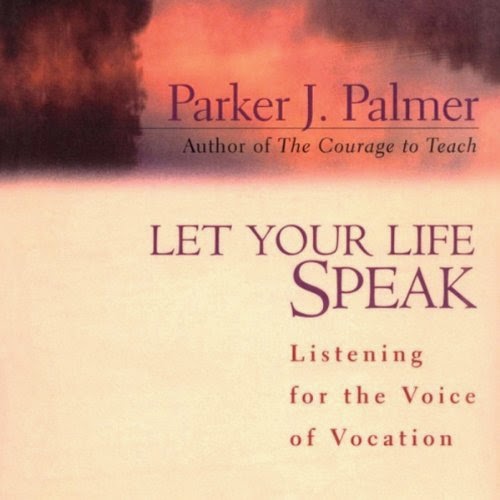
Sharing stories of frailty and strength, of darkness and light,
Palmer shows that vocation is not a goal to be achieved but a gift to be
received. (from the book jacket)
If I could, I would give this book to every twenty-something graduating from college, especially those graduating from a Christian college.
It’s also the book I would recommend to my mid-life friends struggling with meaning, purpose and disillusionment in their current careers. I would suggest it to the many women I know stepping out of years of intense care-giving with young children and wondering what comes next.
For those whose lives have turned out drastically different than they expected or hoped, I would also recommend this book as well as to those sensing something like the Spirit within them awakening something new, the heart of which they they cannot yet discern.
I’ve used stories and quotes from Let Your Life Speak in teaching and preaching, have dog-eared, underlined and post-it noted its pages. The spine on my copy is broken. Are you getting the picture? I really love this book 🙂
I love it because Parker Palmer, a Quaker teacher, author and activist, leads by example, telling the story of his own difficult journey toward vocation with deep honesty and self-deprecating humor. Palmer resists the temptation to write a prescription for vocation, instead opting to offer an example of his own listening and the bits of wisdom and insight gained along the way.
Interested? These are the details:
The book has six chapters so our book club will run for six to seven weeks (depending how things unfold). It will be hosted in a private Facebook group so our conversation will not be public. You will need to “friend” me on Facebook so I can add you to the group if you want to participate.
Monday, September 22 will be our official start date, which should give plenty of time to order, win or borrow a copy of the book. We’ll plan to discuss one chapter a week and be done by the end of October/beginning of November.
Every Monday I’ll post a quote from the chapter under discussion as a starting point for conversation. On Wednesdays I’ll invite those interested to post a quote they especially liked or that raised questions for them, that way YOU can help lead the discussion. The best part about online book discussion is that you can check in and comment or reply at a time that works for YOU.
You’re free to comment as much as you like or be a “stalker” if you’re more shy. Some weeks you may not get to the reading, but you’re still welcome to participate as much as you can. The main rules will be that we will all show grace and compassion in regard to each other’s experiences and opinions.
You can link to the book for sale on Amazon here for around $11 or find it somewhere else. One follower on A Field of Wildflowers’ Facebook page had the following to say,
I
couldn’t possibly wait until closer to book club so I ordered the book.
And it came today. And some biscuits may or may not have almost burned
because I didn’t want to put it down. – Joan Norton Stoneking
Now, (drum roll, please!) I do have one extra (lightly used) copy to give away for FREE. To be entered into the drawing for the free book, just comment below by 12 midnight on Wednesday September 10th indicating your interest. To have your name enetered a second time in the drawing, you can also comment on or like this post on the Wildflowers Facebook page (this will ensure that more followers see the post). All names will be put into a bowl and the winner will be picked and announced by Friday the 12th.
Guess what? If you’re feeling overwhelmed, chapter one is only 8 pages long. I think we can do that, right?
I would love your help in spreading the word! Please share 🙂and let me know if you have any questions!
Whisper (Five Minute Friday)
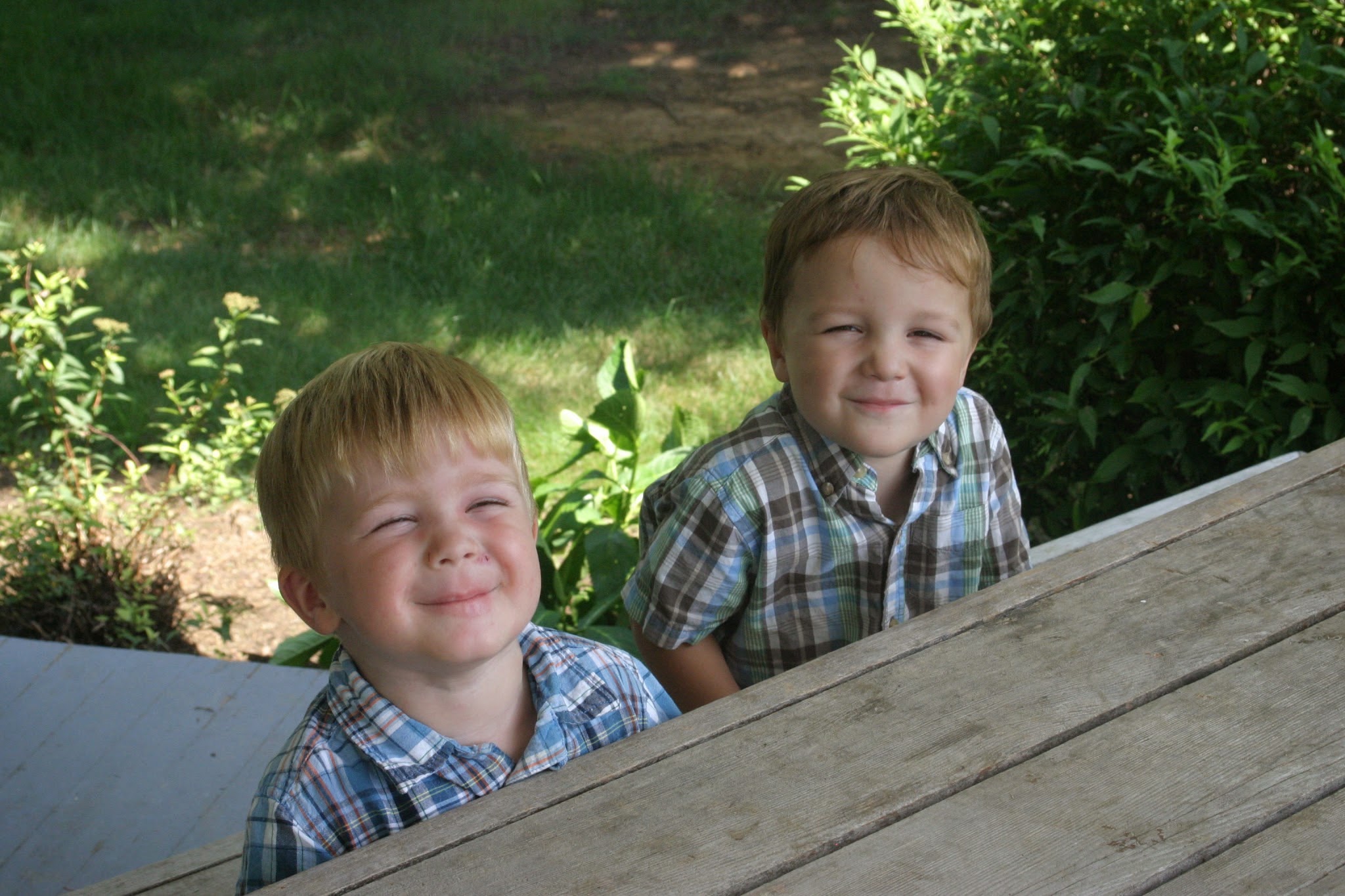
I taught the
twins to give “Eskimo kisses.” Levi
leans in, all serious, and clasps my head in his hands, one on either
side. Then he swipes his tiny
nose side to side against my own. It is
unbearably cute.
Isaiah has
become a prolific kisser, especially when it comes to prolonging the bedtime
routine. He also grabs hold, wrapping
his arms around my neck and planting three, four, loud smacking kisses on my
cheek. When he wants a hug he says, “Me
take hug,” like he’s taking a dose of children’s ibuprofen, a little something
sweet to get him through the night.
“Me lovin’
you,” I whisper to Isaiah as he rides on my hip, high and happy.
“Me lovin’ you,”
I say my words brushing past Levi’s ear as he hangs from my neck like a
monkey.
//
Last night
as my husband and I sat watching TV, the loveliest breeze kept creeping
unexpectedly through the window. Cool
and fresh, it caressed us and I couldn’t refrain from commenting on it every
time.
Sitting by
the front window in the morning, thrown open to the morning’s coolness, another
breeze pulls me away again and again from the laptop’s screen. The gentle air turns my head toward the
mountains and in it somehow I sense the presence of God.
That breeze
grabs hold of me, all serious and light at the same time, like the voice of God
whispering, “Me lovin’ you,” and I drink it in with body and soul, a dose of
something sweet, like Love, to get me through another day, another night.
This post is linked with Five Minute Friday on the prompt “Whisper.”
Brown Paper Bag (Unpacking My Recent Hospital Stay)

I recently, unexpectedly, spent six days in a local Behavioral Health Unit due to the sudden onset of severe and debilitating panic attacks. I’m so grateful to be home now and feeling better. My time in the hospital now feels almost like it never happened, but I feel a need to integrate that experience as part of the truth of my life. This poem is part of that attempt. I hope if maybe you’ve had similar struggles it will somehow speak to your experience.
Brown Paper Bag
It’s not the
barcoded wrist band that gets to you
nor the
constant roll-call and waiting in line for meds.
No, it’s the
brown paper bag that holds your belongings,
the t-shirts
and clean underwear your husband gathered from dresser
drawers not
his and packed into a small suitcase to be dropped off
on his way
to work early the next morning.
Without that
suitcase you have only the pajamas you arrived in –
Yoga pants
and a three-dollar t-shirt from the clearance rack at Target.
Even these,
though, are better than the scrubs some patients wear,
their
clothes along with their freedom and, for a time at least, their sanity,
inexplicably
misplaced.
The suitcase
is vetted at the nurses’ station,
belongings checked for that which
is not allowed –
sharps, strings, medications.
Now you
wonder, though you didn’t then,
what they thought of the board
books
your husband packed. You asked him
for “something
to help you
remember” although now you cannot remember
what. The books, among them The Carrot Seed, were his
first picks.
Your journal and bible, your bra, socks and shirts,
are piled
together in two hefty brown grocery bags and brought to you
in your
room. These you place on the floor in a
large door-less wardrobe.
You arrange
your toiletries with care, the small toothpaste and white plastic toothbrush,
the hospital-issue baby shampoo and lotion, taking organizational cues
from your roommate’s side of the
room.
When you
leave, six days later, half of your things
will go back
into the black suitcase, returned to you
from the safe place where it was
kept. The other
half you will carry out through the locked doors
in a brown paper
bag. You will stop at the nurses’
station
to have the wristbands cut off and their phantom presence
will cause
you to touch your
arm again and again
well into the following day, but it will be a week or more
before you begin at last,
to unpack that brown paper bag.
Photo source HERE.
You (the Truth About Your Identity)

You are not
the ocean –
not the wind
that moves across,
not the
crashing waves,
nor the
glassy ease as evening falls.
You are not
the clear blue,
the emerald
green, the angry gray and white.
You are not
the silver school of fins
spinning in
synchronized motion
nor the
great beasts that lurk and glide.
You are
something smaller –
the silent
oyster resting on the deepest floor.
But, again,
you are not the oyster,
nor its
opening or closing,
but
something smaller yet.
You are the
pearl, opalescent,
that dwells within,
smooth and still.
You are the
pearl.
And because
of this,
you are all
of these things and more –
the ocean,
the wind, the waves,
the great
creatures, the oyster,
and the
pearl.
Linking today with Unforced Rhythms and Playdates With God.
Homesick

I’ve not often been homesick as an adult; not homesick in a desperate, find-me-a-train-or-bus-or-airplane-out-of-here-or-else-I-will-walk
sort of way.
But last week I spent six days locked-in at the local
behavioral health unit due to severe panic attacks. I needed to be there, especially in the first
few days, needed the space to receive care, to rest (as much as one can in a
hospital), to find healing in all the ways available.
As I grew in wholeness, the stress of being in the
behavioral health unit also grew in proportion so that my anxiety shifted its
focus from the stressors that put me there to the chaos and occasionally
fearful nature of the unit itself. I
missed my children terribly, missed nature, familiar routines and privacy.
I colored a lot, filling in mandalas with the bright yellow
and red of colored pencils. I slowly
read and re-read lines out of Barbara Brown Taylor’s newest book Walking in the Dark, carrying it and my pencils
with me like a talisman. I melted into
my husband every time he visited. Sitting
side-by-side on my narrow twin bed we both stared straight ahead sometimes
talking, sometimes not. We were stunned
by our circumstances, unable to see past the moment.
Behavioral Health Units are driven by a strange combination
of rules and chaos – you cannot have shoe laces, pens, chap stick or cold
medications without enduring a mountain of red tape. You will see the Dr, a therapist, a nurse,
but you will not know when or even where and it’s possible, if crisis arises
(and it will) you will slip to the bottom of the list of needs again and again.
By the sixth day I’d heard no mention of my own discharge and I feared that my desire to return home would be thwarted by both rules and chaos. I was ready to go home, though and
ready to advocate aggressively on my own behalf.
I made my own follow-up appointments and
presented them to my social worker. I
quoted a staff member who said at the morning “Rise and Shine” meeting, “This
is a very stressful environment.” But
most of all, I told my therapist, with my hands pressed against my chest, “I
just want to go home to my beautiful life.”
I was homesick in the best way. Homesick in the way that allows us, if only
briefly, to see the beauty of what is by the sheer light of its absence.
“Then let’s get you out of here,” he said.
I am so blessed.
I returned home that evening to a world of lush late-summer
beauty. I ate pizza on the porch with my
husband, picked cucumbers and watched the light move across the golden-tipped
field of corn. I waited for my friend to
bring our kids home, standing near the end of the driveway as the hour grew
late, ready to walk to get them if they didn’t show up soon.
It’s been five days now and, yes, the kids are back to
driving me crazy. The house is a mess,
the laundry never ending and I am so physically and emotionally tired and
overwhelmed at times that all I want to do is cry. But I carry within me still the light of
absence forged by time away. That light
falls on both the sublime and mundane, illuminating it all with the beauty
of home.
I want to thank everyone who’s expressed support and encouragement during this difficult time. I continue to remember with compassion those at the hospital who had no home to return to, no family to visit. May God have mercy on us all.
Fill (Five Minute Friday)
Walking up
the hill from the garden, the twins run ahead because Daddy just got home from work.
All week
long my heart has carried a question, waiting for an answer that reaches beyond
my own reason, something that fills the gaping hole inside of me. So, although
I’m just walking along like normal, the hands of my heart are open there under
the sun and blue sky.
The twins
run ahead, blond hair and a red shirt on one side, brown hair and a tan shirt
on the other. Running up the bright
green grassy slope, they look back and forth between themselves, laughing.
Watching
them I feel again the truth of my life, shining down around me like the hand of
God on my head. I am God’s beloved
daughter. This life, this world, are filled
with reminders of that truth, that blessing, if only I can hold my heart open
long enough to receive.
Giggling and
careening wildly, Isaiah reaches out to grab his brother’s hand and they
continue running up the hill to their father’s embrace.
Photo Credit HERE.
This post is linked with Five Minute Friday.
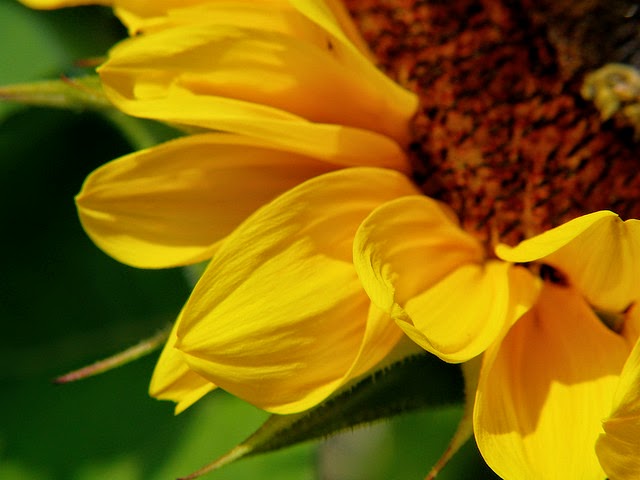
Both (a poem)
(Photo Source: HERE.)
I am both
the sunflower
and the seed;
both turning
toward the light
and digging
down, deep
into darkness.
There is not
one without
the other.
Linking with Playdates With God.
Abundance (Among the Raspberries and Cucumbers)
.jpg)
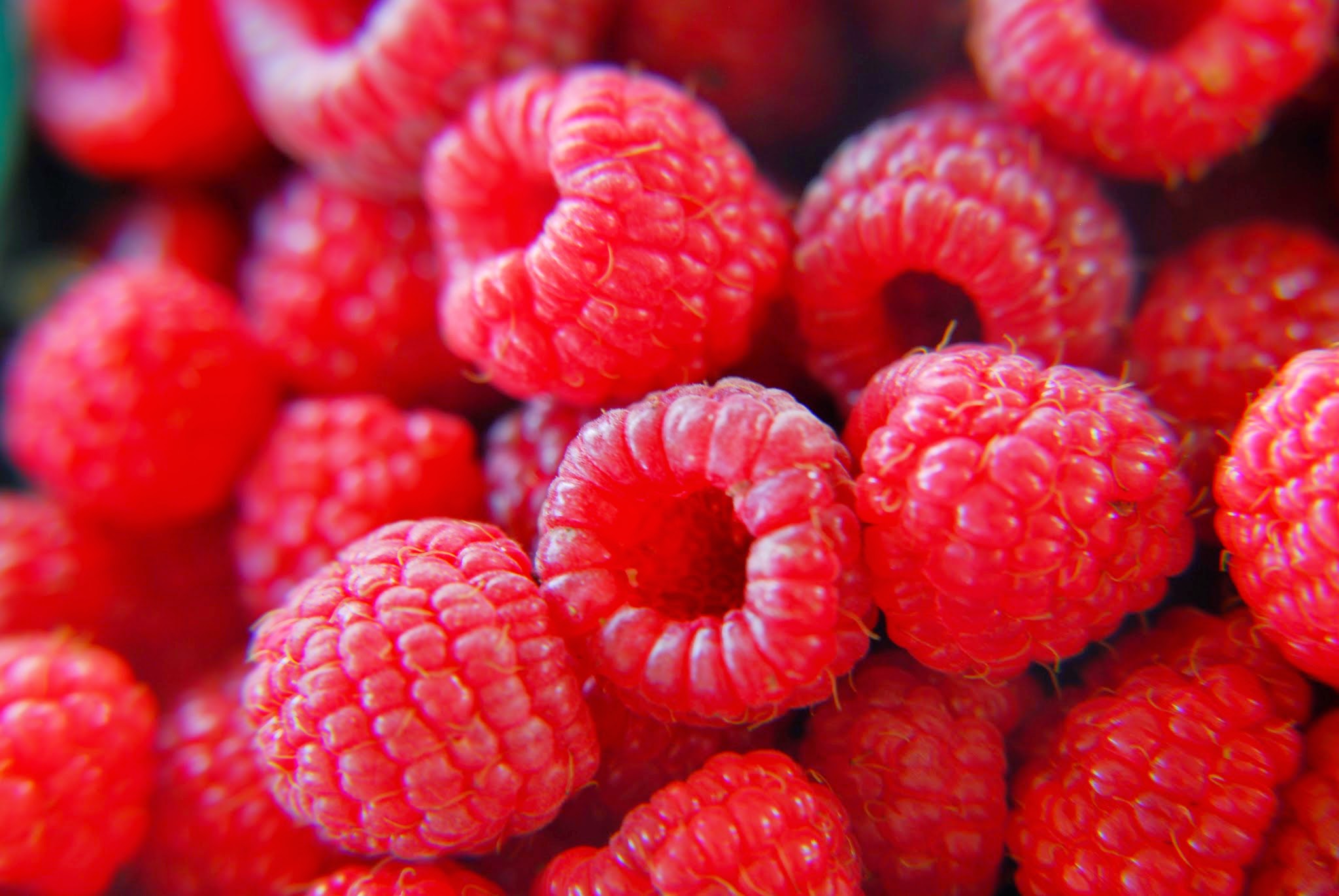
I stood on a steep, wooded trail eating raspberries by the
handful. In that moment I was only my
outstretched arm, greedy fingers prying plump berries from large clusters. I was eyes trained on the color red hiding
beneath green leaves; I was only a gaping mouth, consuming.
Eventually my eyes lifted and I realized the berries covered the mountainside – I could
never eat them all. Then I slowed and
began to taste again, the abundance, the red juice a communion connecting me
again to the grace and mercy that dwells among us.
This morning I took my kids hiking. We walked around the edges of soybean fields,
through cool shaded woods. All along the trail berries hung, bright jewels singing their siren songs of
sweetness. Again we were all arms,
reaching, grabbing, mouths consuming.
Isaiah dove into the woods like a hound on the hunt, throwing poison ivy
caution to the wind. Finally, satisfied,
he lifted his shirt and rubbed his soft, round belly, “Me full, Mommy.”
After lunch (fresh berries on yogurt) we ended up in the
garden. We clambered about, hunter
gatherers careful to keep our feet from the vines and leaves. The garden is a sea of
green layered on top of green and our eyes played tricks on us – how to tell
the green of a cucumber from its vine, the dark emerald of a melon from the
leaf that shades it. Cucumbers hid, giant ones nestled in among the
zucchini bushes. The harvest was too
great for five pairs of hands to bear, so we filled the red wagon and pulled it
up to the house.
Wherever Jesus shows up in the Bible, there is abundance – great
vats of wine that refuse to run out, bread that rises to the occasion of feeding
a crowd, catches of fish that nearly sink the boats. I am not a fisherman and the bread we took
to the lake last night to feed the ducks lasted about as long as I
thought it should. But right now there’s
a strainer of blood-red raspberries in my kitchen sink and somehow I know that grace and mercy dwell still in the woods, the garden, in the
abundance of the earth giving and giving, as it does.
Photo source here. Linking with Sandra and Unforced Rhythms.
An Opening that Leads (On Writing, Retreats and Regular Life)
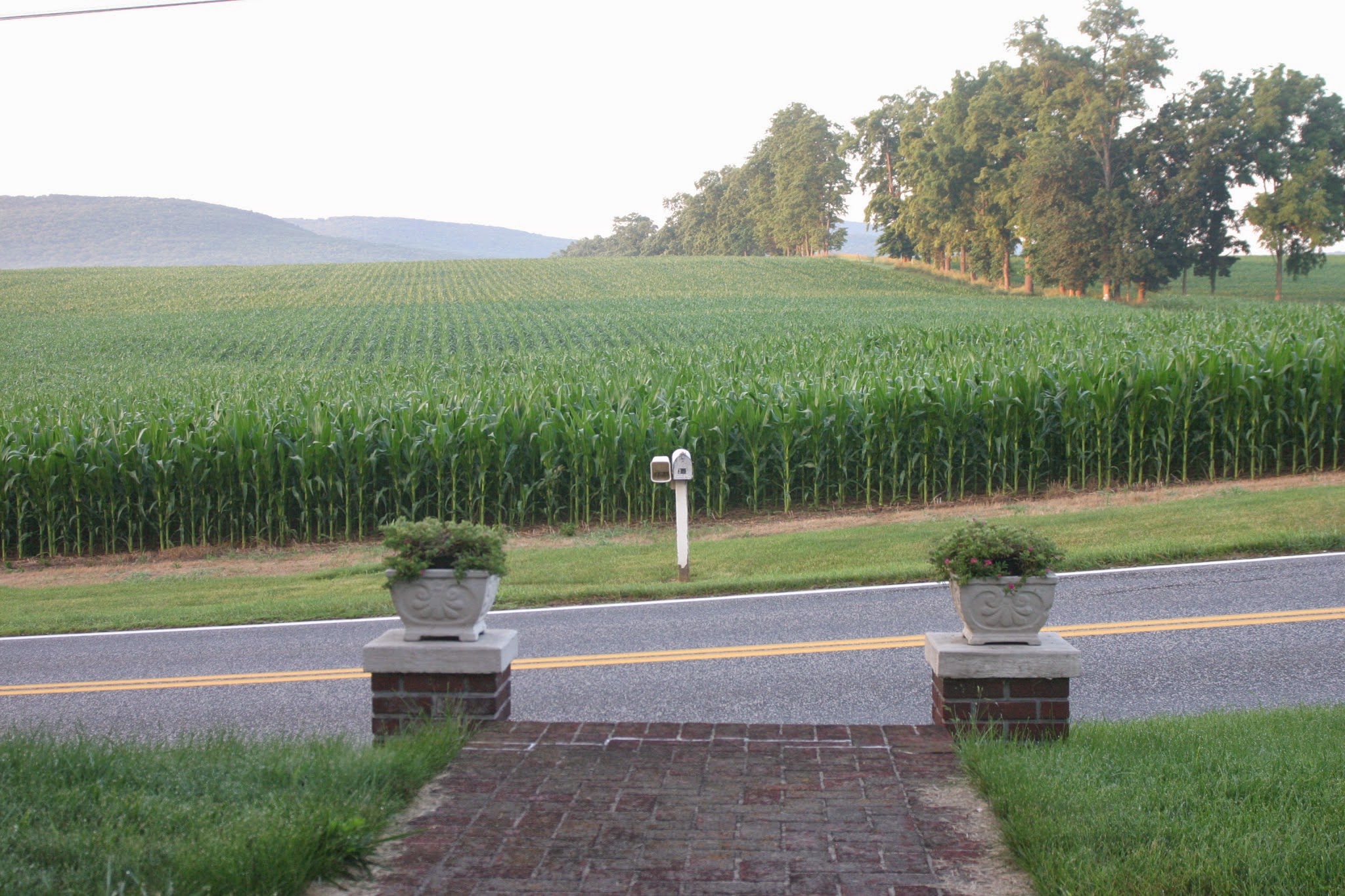
(this is the view out the front of our house, the old garage I’m writing about is out back)
My oldest son runs shouting into the house,
eyes round like dinner plates. “We found an
opening that leads underground!” he exclaims and I picture a doorway leading to another world.
“Where?” I
ask.
“In the last
garage, it’s creepy in there! We found a
pipe and when you put your hand inside it feels cool.” Breathless, he turns and runs out of the house,
headed back to the garage.
The older
two are exploring, rooting through the yard
and garage for lost bits of treasure that they plan to display in a museum of their own making. Admission is rumored to be set at twenty-five cents. I’m cleaning
in the house, trying to make some order out of chaos when they run in again,
one just a few steps behind the other.
“We
found bones!” they cry, their voices conveying the combined excitement and
creepiness of the discovery.
“Where?” I
ask, again.
“In the
furnace!” they shout.
I follow
them this time, out across the lawn and driveway, into the cool, dark cave of the last garage. My son pulls the skeleton of some small animal
out of an old brick oven.
After close examination, he declares it to be the remains of a baby bird and it isn’t long
before they find a whole nest of skeletons, the mama and several babies. Based on their location, I imagine they may be rats rather than birds, but given my reluctance to examine the remains, I let my son’s conclusion stand.
They wash
the bones in a plastic storage bin and leave them to dry in the sun.
//
I returned
yesterday from a weekend-long writer’s retreat at God’s Whisper Farm.
I wrote while I was there, just a little, listened to the music of a fine musician,
and thought about the place of writing in my life. Before returning home I set a modest writing
goal.
But then I
returned to swirling chaos of family life and
because I stepped away for a time, I’m now feeling very behind – behind in the laundry, dishes, cooking, shopping, sleep and, ironically enough, behind in my writing. Now even the small goal I set feels like a millstone hung around the neck of a woman already drowning.
//
“We found an
opening . . .” he said, and I realize that’s what I’m looking for too, some way
in and through this crazy sinking mess, an avenue to something more life-giving than simply managing the chaos. I want a way
to excavate my life, a way of reaching through to a place of earthy
coolness and what strikes me as my children root through the old furnace’s
ashes is that this is what writing is for me.
Writing is
digging under, inside-of, behind the surface of things; writing uproots the
skeletal remains of what was, re-imagining its place in the wider scope of
things. Writing is the cool water that washes off the bones of the daily, revealing the very structure of life as I lay it all out here on the page to dry.
//
By lunch
time I’ve managed to mop the kitchen floor – a feat which has not been
performed here for a month or more. The kids
are filthy from ashes and soot, their feet stained black from rummaging in the old
garage.
Mindful of my now-clean floors, I fill
another bin with soapy water and gather them all around me at the back
step. They sit there while I wash their
feet, one set at a time. Lunch is buttered noodles
and left-over hot dogs, not a vegetable in sight, and then it’s time for quiet
time. Off to their rooms they go,
clean-footed, to build with Legos.
In the
silence, in the space made by their absence I remember, there is an opening
that leads, and I open the lap top and begin to write, feeling the coolness of
what lies beneath as it spreads across the page.
This post is linked with Playdates with God and Unforced Rhythms.
What the Bud Feels
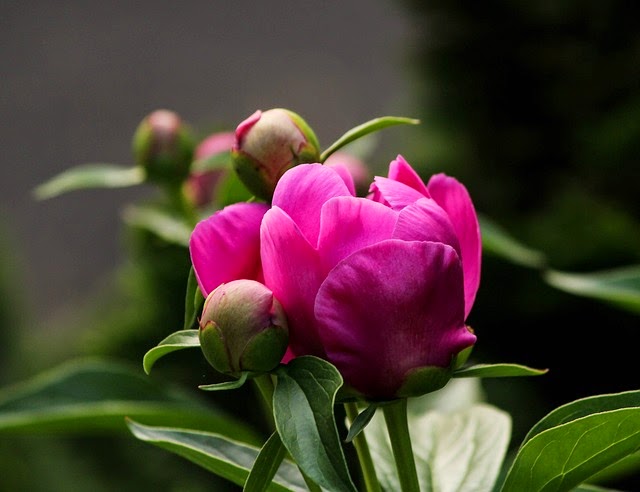
What does the bud feel
the day before its opening?
Deep desire for the light
and the anticipation of dancing
in the wind.
And what of the bud
that fails to open, standing
closed along-side its
star-burst sisters?
Maybe she sleeps still,
content with the dream
of another year.
This post is linked with Five Minute Friday.
Silence (of headaches, libraries and boats)

(one of the reading rooms at Dickinson College Library)
Today I’m re-posting this piece from the “archives” which was written back in 2012, right when I first began blogging. The twins were not quite one then and my older two were four and six. It’s helpful for me sometimes to look back and see how very hard those days were, to see how far we’ve come even though there’s so much that still feels the same. Enjoy!
//
“There is a
castle on a cloud,
I like to go
there in my sleep . . .
Nobody
shouts or talks too loud,
not in my
castle on a cloud.”
from Les
Miserables
Today is a
headache day.
It’s there from the moment
I wake up – pressure in my forehead and sinuses that extends around to the back
of my head into my neck and shoulders.
When the
babysitter comes I’m sitting on the floor surrounded by wiggling people. I’m trying to wrestle a onesie onto a baby as
my pre-schooler performs gymnastics half-on/ half-off of the couch. The oldest is bopping back and forth on the
rocking chair as another baby teeters trying to hold onto it. My head’s pounding and I can’t think
straight, can’t make a plan.
When someone
asks where I’m going, I have no reply because I haven’t thought that far
ahead. I only have about an hour and a
half before I need to round everyone up for swim lessons. I grab the laptop and my journal and make a
quick exit, stammering instructions as I leave.
No one even gets a hug. Mommy has
got to go, NOW.
I picture
neighbors or the drivers of passing cars looking up to see me flying out the
door, hair frizzed-out from the heat, clutching my gear as the twins crawl
after me and Solomon stands at the screen door calling a cheery, “Bye bye Mamma. Bye!”
I imagine I look like someone fleeing a burning building as I throw my
things into the van, pop it into drive and squeal-out not yet knowing where I’m
going.
I head to
the local college library, not more than a few blocks from our house. I can maximize my time this way, by not
driving across town to Panera or a local coffee shop. Every second counts.
I find a
nice parking spot right in front of the library. It’s beautiful here. Tall, old trees, fully leafed out for
summer. A fresh green lawn and the
beautiful library full of windows and light and silence.
I feel
better even as I open the door to walk in.
It’s cool and quiet with the humming of the air conditioner providing a
steady pulse under it all. I head past
the café where a sign explains that turning left will lead to a “semi-quiet”
area, while turning right leads to pure silence. I turn right and follow signs toward the
quiet area like a starving person follows a path of crumbs.
The headache
is still there, but the effect of the silence is immediate. It’s like aloe on sunburn, cool and smooth,
calming. It’s as though some part of me
that’s been holding its breath relaxes and lets out a long, heavy sigh.
//
I’ve always
needed this sort of retreat, always felt this way about libraries, academia and
books, using them as a refuge from the intensity and volume of life. I remember
meeting with a professor when I was in graduate school. His office was on the top floor of an old
brick home on the edge of campus that was used for faculty offices. I climbed narrow stairs covered by faded and
decidedly un-prestigious old carpet to a large attic-like room. Two more stairs and through the door and
there sat his desk with a large window behind it filled with the leafy green
branches of a tree. I imagined myself
sitting there – reading, writing, pausing to peer out at the world below – and
I loved it.
Not long ago
a seminar revealed that my personality type uses cognitive activity as a way to
recharge and regroup. An observant
friend noted the same thing after listening to my life story, “You retreat into
your mind when life gets overwhelming.”
Suddenly I saw the Sudoku and crossword puzzles, the endless reading,
the love of libraries and their contents in a new light.
I used to
feel very torn between academia and the nitty-gritty of everyday life. The ivory tower is much maligned by those
working in the trenches and I’ve often found myself vacillating between the
two. I don’t believe in the value of
what some would call pure academia cut off from the ebb and flow, the flux and
tumult of everyday life. I refuse to
climb the staircase of my mind expecting to find there the answer to all life’s
questions. And yet, I love, enjoy, crave
the retreat it offers. The space it
gives to look at life, to sort through the onslaught of thoughts and feelings
that accumulate as I race along through the day.
I’ve often
felt guilty about this, even ashamed. I
was teased as a child about “hiding my nose in a book” and my need to spend
long hours quietly making order of my little room in our house on a hill in the
leafy woods. But more than all of that,
somewhere along the way I believed the lie that to be holy meant to be busy, to
be fully immersed in the hustle and bustle, the suffering and relief of life
without flinching or pausing to look away for even a second.
I can see
now that I will constantly straddle two worlds.
I’m not content to sit in my tower day in and day out thinking deep
thoughts – too many people need me in more ways than I can count. But I’m also beginning to understand that
times of retreat are essential to my ability to provide a real presence when I
engage with the “crowds,” whoever they may be.
Jesus did
this, of course. Retreating to a garden or
hill or even, if need be, to a small boat in the middle of a lake. Luke tells us that “Jesus often withdrew to
lonely places and prayed (5:16).” Surely
no one’s time and presence has been or ever will be more in demand than the son
of God.
//
It occurs to
me that I cannot steer my little ship full of children safely or wisely when
I’m constantly drowning. So, with much
grace, I re-imagine my departure from the house.
I’m not a woman fleeing in desperation,
shaking off children and tripping on scattered toys as I lunge for the
door. Instead I try to see myself as
Christ, edging his way toward the shore and stepping with purpose into a small
fishing boat. Pushing off even as the
crowd presses in, hardly waiting for Thomas or Peter to climb in as the bottom
of the boat breaks free from the sand.
Leaving the chaos of the crowds for the chaos of the sea, but finding in
the tiny boat the space to simultaneously disconnect and reconnect.
The van is
my boat and the curb is the shore. The
library is my “secluded place” and this writing is my prayer. This retreat takes me not out of the world,
but deeper into it to the place beneath the wave tossed surface where love and
joy and grace reside. I paddle out deeper
into the cool dark waters to the place where I might find, we all might find,
the one thing that’s needed.
I wonder, where do you go to retreat, where do you find the space to both disconnect and reconnect?
This post is linked with Playdates with God and the Unforced Rhythms community.
Books
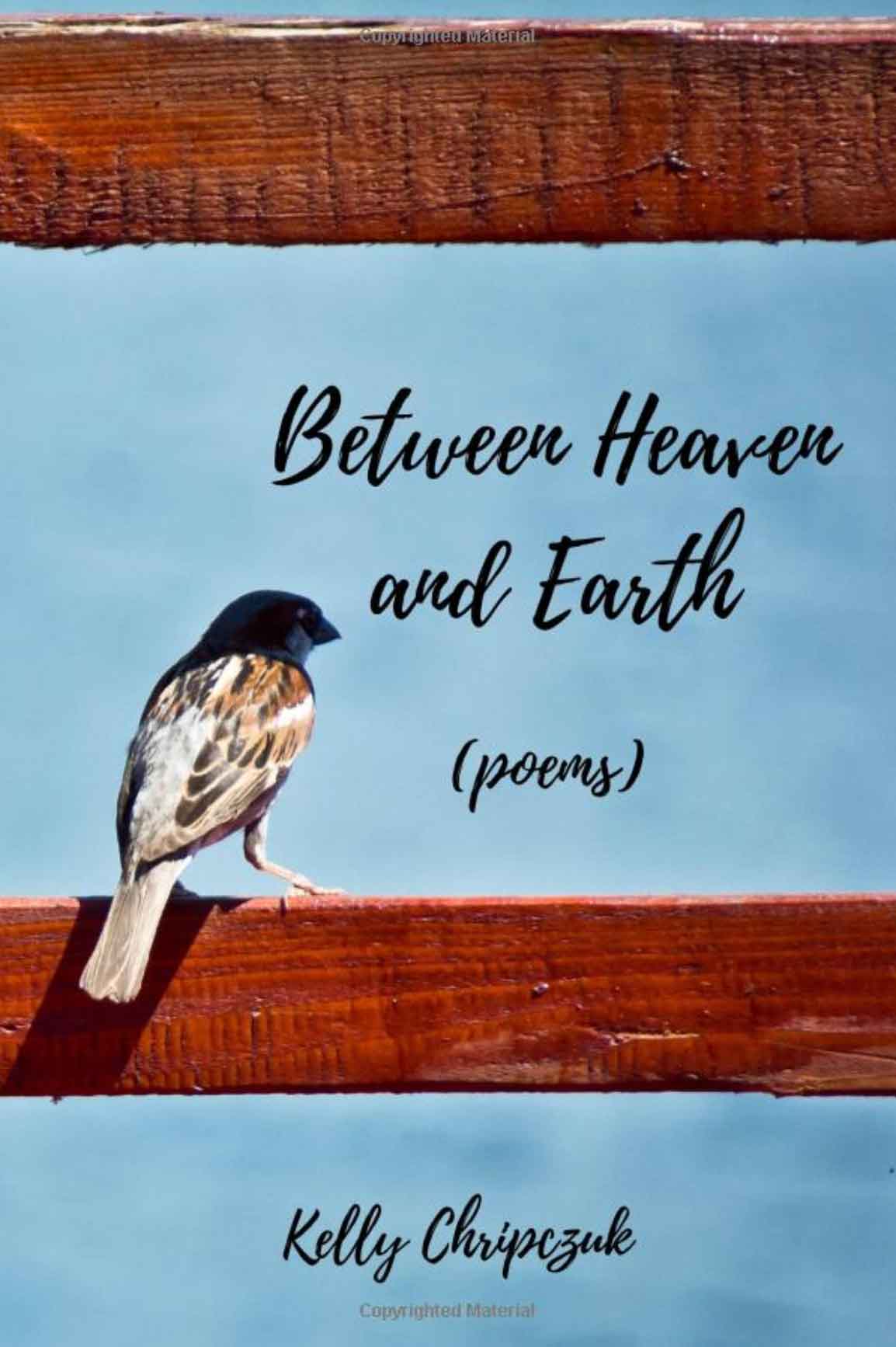
Between Heaven and Earth (poems)
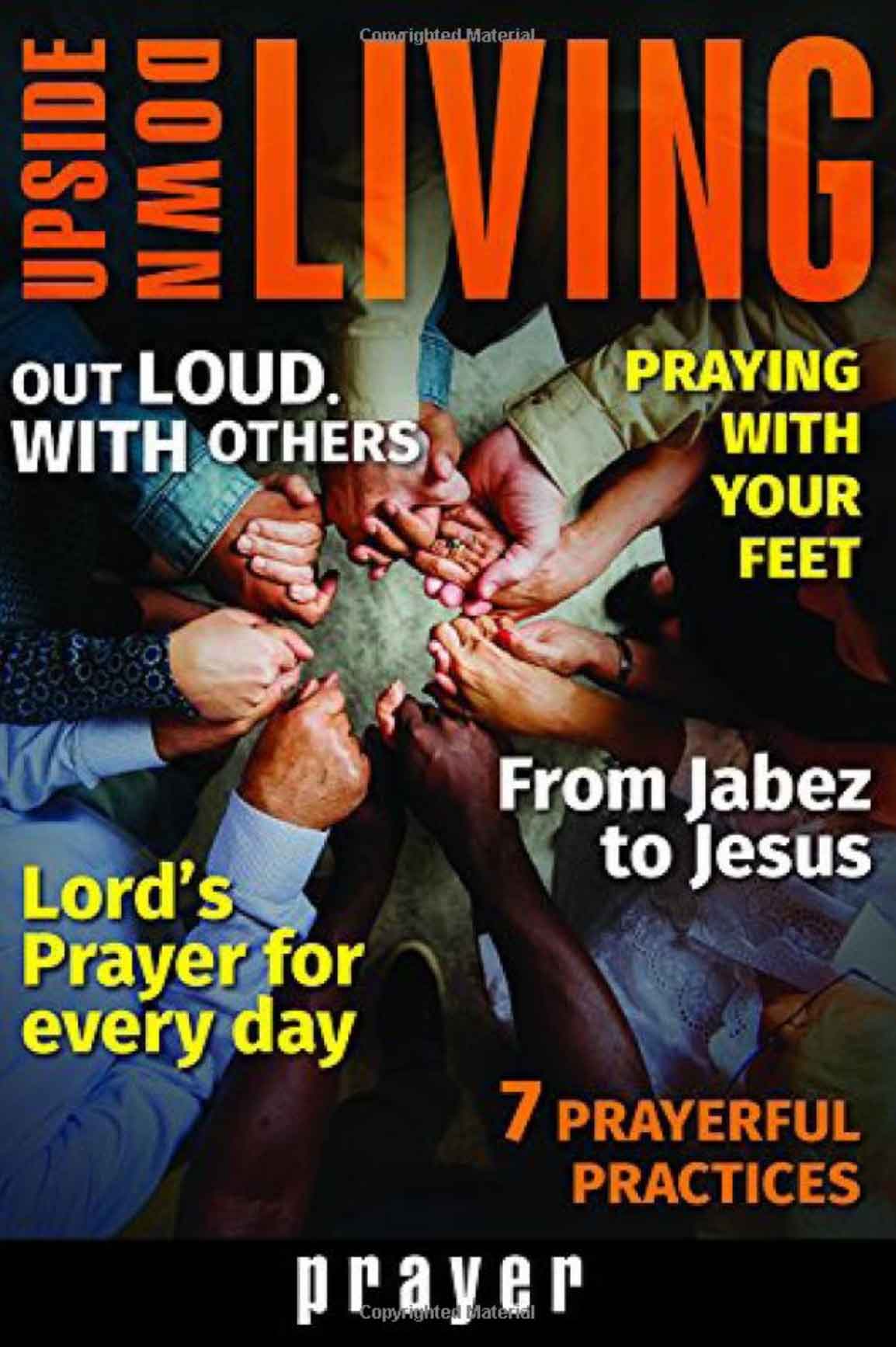
Prayer can easily become an afterthought, a hasty sentence, a laundry list of all the things we want. But what if prayer is a time to find out what God wants for us–and for our world? What does it mean to pray that the kingdom would come here and now as it is in heaven? Explore these questions in this study, and learn prayer practices that nurture intimacy with God and sensitivity to God’s dream for the world.
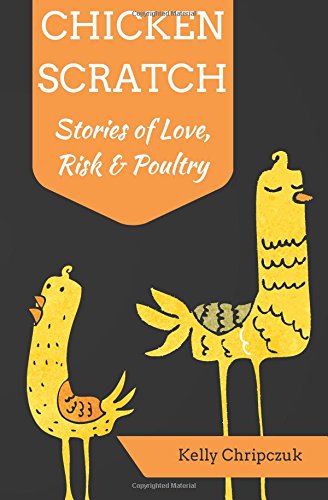
Follow this writer, spiritual director, and mother of four as she dives into the deep end of chicken farming and wrestles with the risks and rewards of living a life she loves. At turns hilarious, thoughtful, and always compassionate, Chicken Scratch will change the way you see the mess and chaos involved in living life to its fullest.


