
Essays
Anger
Anger is
the bastard child,
black sheep,
danger to the flock.
This I know,
for I’ve been told.
But, by night,
when the world is still,
I slip out the back door
to find anger huddled
in darkness
at the yard’s edge.
“What do you want?”
I ask. “Something is wrong,”
she says, her eyes
wide with fear, longing,
and love.
By instinct, I open
my arms. I take her small,
dark figure into myself and
she settles there, like a worn
out child.
“Something was wrong,”
she murmurs, “I wanted
you to know.”
//
I’ve spent a lot of time thinking, reading, and learning about anger. As an Enneagram type 1, anger is a key emotional dynamic for me – both a sinful temptation and a key indicator of underlying feelings, as well as a source of creative and prophetic energy. This spring, as I again pondered the role of anger in my life, particularly as a clergy person, I remembered a life-changing essay I’d read years ago, written by psychiatrist and spiritual teacher, Gerald May.
I was on a quiet solo retreat when I first stumbled across an article entitled “Love and Anger,” in Shalem Institute for Spiritual Formation’s journal, Shalem News. Remembering the essay, I tracked it down (you can order a collection of all of May’s articles for Shalem News by contacting the institute directly) and I want to share a little of it here with you.
But first, I want to say that this poem came to me at a time when I felt called to embrace my anger as a messenger and a source of strength. As a person of peace, I have wrestled with anger, wary of its capacity master me and move me to sin. I have learned to listen to anger, as a warning bell, and to channel its energy into steadiness and strength in the face of evil.
One of the church fathers, Augustine of Hippo said it well, “Hope has two beautiful daughters; their names are Anger and Courage. Anger at the way things are, and Courage to see that they do not remain as they are.” Perhaps the key to our hope in the weeks and months ahead lies in our willingness to allow love to move us both in anger and courage.
//
Some words on anger, from Gerald May’s article “Love and Anger,” (Summer 1984 edition of Shalem News):
“. . . even in the midst of a heated situation, it is occasionally possible to experience love and anger simultaneously. . . Love does not necessarily destroy anger, but it does transform and illuminate it. It is an error, I think, to assume we must get rid of anger in order to feel and be loving.
The illumination of anger by love cannot be attained by trying to substitute love for anger, and certainly not by stifling anger. Instead, one first needs to accept the anger, letting it be what it is, and pause for a moment to look around for love. . . .
There is a radical difference between experiencing anger (or anything else) on one’s own and experiencing it in the context of God’s love. . . With even just the slightest breath of God . . . compassionate action can spring forth from the energy of anger. It is especially important to remember the good, energetic side of anger and that looking for love in no way implies getting rid of anger. Instead, love is added to the anger. Then God’s alchemy of human emotions can be free to work.
. . . Love is always there. At a deep level, we wouldn’t even become angry if it weren’t for some kind of love; we wouldn’t care. Love is at once the source of anger and the source of hope for its creative transformation.”
What messages have you received about anger (particularly from the church)? What might happen if you were to work on developing a deeper awareness of and relationship with the energy of your own anger?
The Compost Heap: Both/And
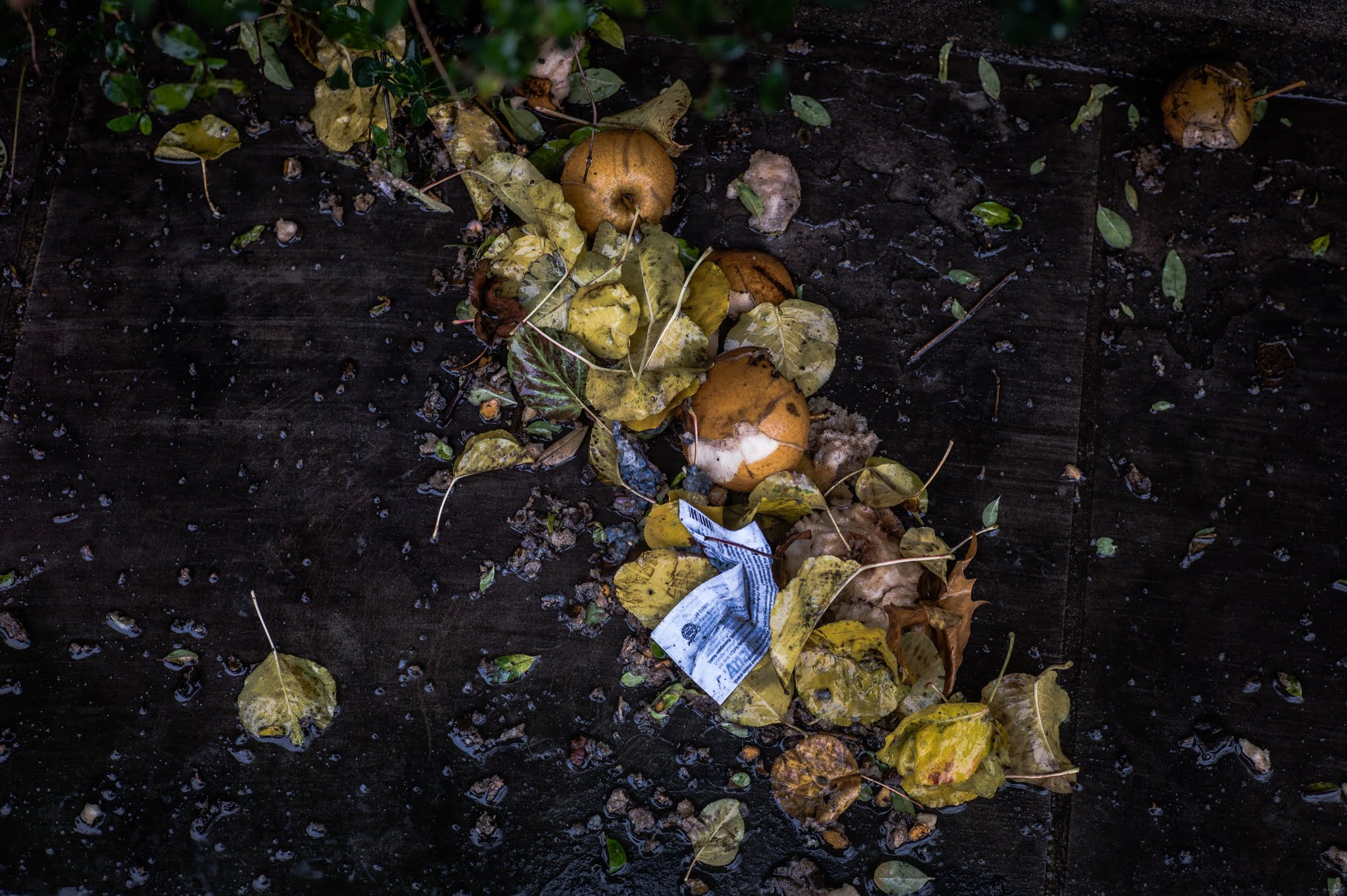
A Purification by Wendell Berry
At the start of spring I open a trench
in the ground. I put into it
the winter’s accumulation of paper,
pages I do not want to read
again, useless words, fragments,
errors. And I put into it
the contents of the outhouse:
light of the sun, growth of the ground,
finished with one of their journeys.
To the sky, to the wind, then,
and to the faithful trees, I confess
my sins: that I have not been happy
enough, considering my good luck;
have listened to too much noise;
have been inattentive to wonders;
have lusted after praise.
And then upon the gathered refuse
of mind and body, I close the trench,
folding shut again the dark,
the deathless earth. Beneath that seal
the old escapes into the new.
//
We were nearing the end of our time together when my spiritual director posed a question, “Are you familiar with a Wendell Berry poem where he digs a compost heap?”
“Yes,” I said, “I am.” I thought back to the poem I’d printed and posted in the church’s prayer room one spring, laying it next to a print of a painting of blurred greens and browns.
“Maybe that’s an image you could work with, a kind of ritual to provide closure,” she suggested. “What, from your time at the church would could you put into that pile?”
We had been discussing my complicated, raw feelings about the pastorate I left suddenly at the beginning of March. It was a complicated leaving shaped by trauma and followed closely by the trauma of Covid-19. I thought about her question for a few minutes, picturing the brown soil of Berry’s trench cut in the ground.
“I don’t know yet,” I said, at last. “It’s all still so co-mingled together.”
She nodded, offering simple acceptance of my appraisal, but the image of compost has stayed with me.
//
Maybe this is what we need to know in this time and space, not the clarity and comfort of the either/or, but the difficult acceptance of both/and. The truth that there are no easy answers and that much of our experience is co-mingled – joy and sorrow, laughter and tears, love and hate, hope and despair.
Without this truth, we’ll wear ourselves thin in the endless need to part and parcel out every answer and, in declaring one side of any debate a winner, we will create countless unnecessary losers.
Both/and invites us to dwell in a place of creative tension – irresolution, if you will. It requires effort of a different sort, a willingness to remain open, a commitment to do the work of turning over ideas, emotions and view points. What if our fear and uncertainty might be transformed by the kind of creative alchemy we find in the compost heap? And what if we were to wait together, unified in faith, hope, and love, to see what emerges?
I am writing, of course, about my own recent experiences, but also about the uneasily resolved tensions we find ourselves in as we grapple with the Covid-19 pandemic. The thing we ought to fear is not the tensions of our divergent viewpoints, but our inability to hold them well, our unwillingness to recognize the creative possibilities of our current situations.
//
This past Sunday morning, I asked my kids how they felt about using the liturgy from the church where I recently pastored. Despite visiting a few other churches after my resignation, we’d returned to using aspects of this church’s liturgy once lockdown began. It was familiar, it was easy, but I was beginning to be certain it was time to move on and I wanted to find out what my kids were feeling.
“What do you think about using this?” I asked.
The younger boys, age 8, said, echoing each other, “We like it.”
Then, one quickly added, with a sly grin, “But we’re supposed to hate them now.”
His brother chimed in in agreement.
They were trying to show loyalty to me, for the hurt I experienced. They were reflecting their mixed emotions. They were voicing the creative tensions we all feel, the desire to stay with what’s familiar but painful and the need to create distance that will facilitate healing.
“Well,” I said, “you don’t need to hate anybody. But Dad and I feel it’s time to try something new.”
We joined another local church service online. We didn’t know the songs and I cried quietly through the first ten minutes or so. Sensing my sadness, our cat, Blackie, came and sat with his paws on my chest, massaging my heart with his comforting purr.
I hate the pain we are experiencing, the pain of unresolved endings, the pain of moving into something new, but undesired. It’s all so co-mingled right now. But we’re holding the tension, believing in the power of creation that makes all things new, the old seeping into the new in unexpectedly beautiful and amazing ways.
What co-mingled thoughts and feelings are you experiencing in this season? How are you holding tension creatively within yourself and with others?
The Landscape of Love: Affection
Behold the one beholding you, and smiling. – Anthony DeMello
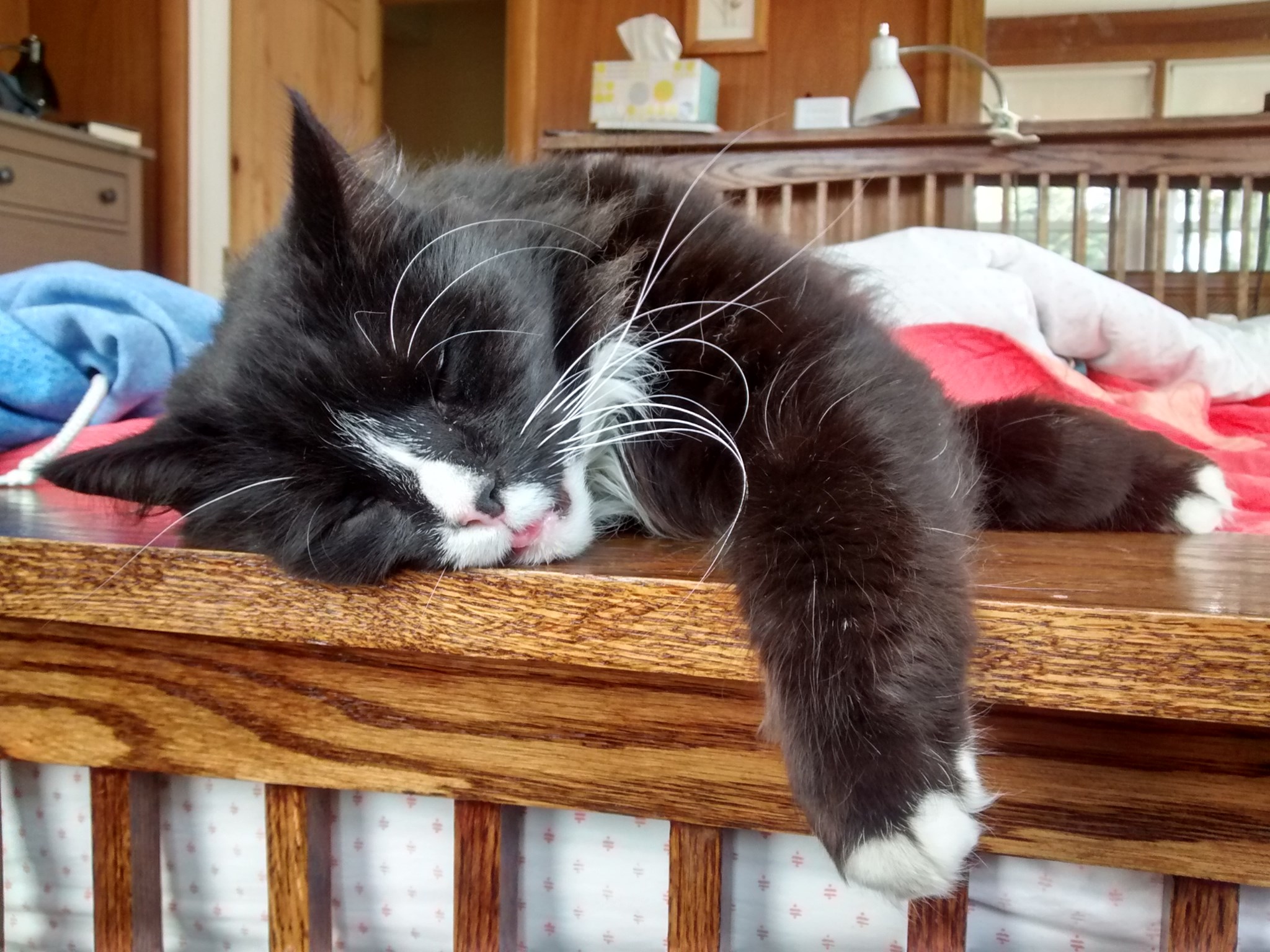
Our cat Blackie’s breath routinely reeks of all sorts of ungodly foulness.
He snores, day and night, like a bear in hibernation.
He leaves small puddles of drool on the bed and couch.
He bosses the dog, bosses the other cat, bosses me.
He does all of these things and more, and yet I love him. Not despite of these things, but for them, in the midst of them.
The love I feel for this silly, grand cat is more than a gravitation toward that which pleases or offers a good return. What I feel might be best referred to as affection or fondness, a feeling that occupies one small corner of the wide and wild landscape of love.
//
Online dictionaries tell me affection is a feeling of liking or caring, often associated with gentleness or tenderness.
My favorite definition describes affection as:
“a bent of mind towards a particular object, holding a middle place between disposition, which is natural, and passion, which is excited by the presence of its exciting object. affection is a permanent bent of the mind, formed by the presence of an object, or by some act of another person, and existing without the presence of its object.”
There’s a steadiness to affection; it persists despite arguments and evidence to the contrary. Affection is more than a feeling or reaction, it’s a persistent and consistent orientation.
//
As a parent, I suppose affection could explain the way I feel about my children’s stinky feet, that strange disgust mingled with pride. Or the way I simultaneously dread and delight in their small rebellions and even, when the heat of the moment has passed, their flaws. For these, along with their beauty and graces, are the things that make them human and, if we are to love well and wide, we must find a love that somehow encompasses all, even while wishing and working toward wholeness.
Affection also might describe the source of the gentle sympathy I sometimes feel toward my own flaws and mistakes and the feeling I’m working to conjure toward my stretch-marked belly, and my slowly but steadily graying hair.
If affection lies between natural disposition and passion, then it is a feeling that can be cultivated, learned and employed; injected into one’s relationship with self and others.
//
And affection, of course, must be what DeMello had in mind when he referred to our relationship with God: “Behold the one beholding you, and smiling.” God’s smile, God’s affection, has nothing to do with our worthiness and everything to do with God’s steadiness toward us, with God’s inexplicable predisposition to a love that’s deep and wide, encompassing even our own most devastating flaws.
God looks and leans toward our humble humanity and we are all encompassed in God’s gaze – behold the one beholding you, with deep affection.
Breathing Life
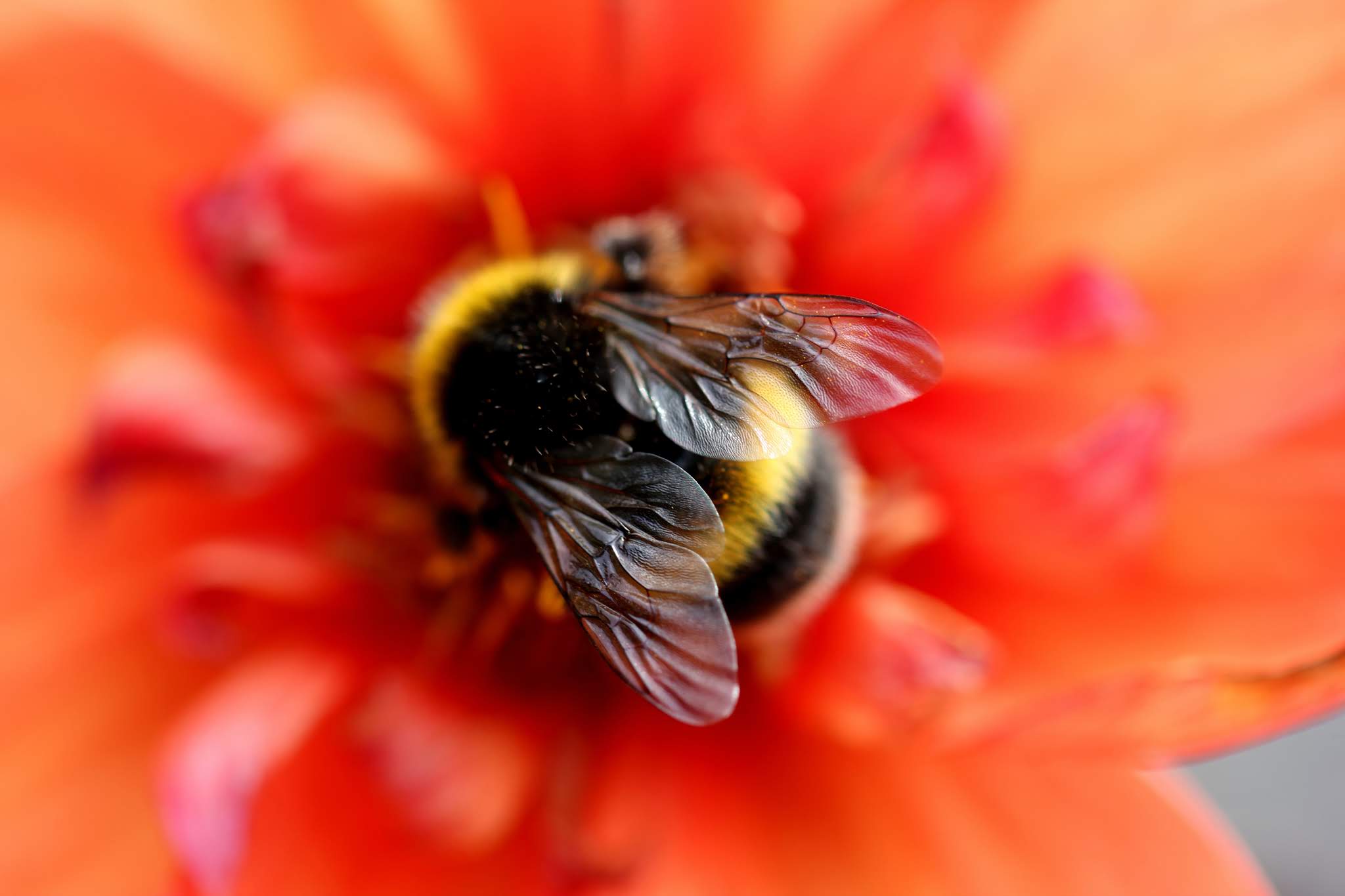
Our whole family gathers in the back yard, near the fence line and woodpile. It’s evening, and both the sun and temperature are dropping quickly. Several of us wear light coats. We’re all near-kneeling, our heads bent toward the ground in front of the two white beehives. We look like supplicants gathered for prayer. We face the quiet hives and talk in whispers.
My husband kneels to pick up bees that lay curled, motionless, in the grass just outside the hives’ entrances. He lifts them by their wings, one at a time, and drops them in our cupped, waiting hands. One for Isaiah, one for Levi, one for me.
The bee’s weight barely registers in my hand. It lays curled on its side, with nothing to indicate it’s anything but dead. Still, I look at it closely and worry about its stinger. Then, I curl my right hand over top of my left so my fingers and palms form a darkened cave, a tomb.
I raise my cupped hands to my face and form a seal over the darkened hollow of my hands. Then, I exhale long and slow, taking care to breathe in through my nose and out through my mouth. Each breath warms my hands, warms the bee.
Ten breaths, twenty. We whisper to each other, “Do you feel anything?”
“No.”
“Keep breathing, try a little longer.”
Inhale and exhale, like a child warming winter-cold hands. Wait and breathe. Breathe and wait.
Opening my hands, I peek. The bee’s torso, once immobile now seems to throb lightly, as with breath, the yellow and black cone expanding and contracting with the slightest motion. Is it possible to see a bee breathe? I wonder. Maybe I’m imagining it.
Closing my hands again, I continue to breathe. Cold air in, warm air out, until I feel a small tickle, a bee’s foot brushing my palm. I open my hands and check, yes, a leg is moving. I close my hands and continue to breathe until the bee begins to right itself, crawling sleepily, calmly across my palm.
“It’s awake,” I whisper, “How do I get it into the hive?”
My husband comes and helps me move it with the aid of a twig, transporting it gently to the door of the hive. Then, it disappears inside its own cave of warmth and safety and we return to scanning the grass, the clover, for half-dead bees to breathe back to life again.
The Hammock and the Bee
Lord, I curl in thy grey
gossamer hammock
that swings by one
elastic thread to thin
twigs that could, that should
break but don’t.
– Denise Levertov
//
Our eight-year-old boys strung a thin nylon hammock between two trees and hung there together for hours today. The slick material closed around their wriggling bodies like a clam shell, like a cocoon, and they tussled and turned, swinging in the shadow of the green pines.
Isaiah stepped on a bee this afternoon, an unlucky first for the season. He hobbled, screaming and crying across the yard and I threw back the covers where I laid upstairs in bed, eking out a meager nap. I trotted downstairs, knowing my husband would get there first, imagining what kind of injury would cause such a clamor, wondering how we’d handle the ER if needed.
His older brother mouthed the words, “bee sting” as I made my way to the kitchen where Isaiah already had ice on his foot and his Dad held tweezers poised to pull out the stinger. Isaiah’s face crumpled in pain and he shook and hopped one-footed to the living room couch where he sat with ice and a comic book.
When I saw him later, he wore socks and shoes, a rare sight for my barefoot boy. Later still, I saw him down in the yard, climbing the fence with his brother, wearing just his socks. By the time I crossed the yard to invite them on a bike ride, they were back in the hammock again. I stood and watched from a distance as he peeled the dirty white socks off his feet, one then the other, and tossed them overboard into the pine needles and dirt.
Our grass is filled with wide swaths of clover.
Every year he gets stung stepping on bees.
Every time he screams and cries.
Every time it isn’t long before he heads back out, his dirty feet bare and vulnerable as he trots across the open green expanse of the yard.
//
For another story about my barefoot boy, check out this quick essay from 2014, “This is my shoeless boy, feet stained purple. . .”
I’ll be sharing poems every weekday in April in honor of National Poetry Month. Like my page: Kelly Chripczuk: Writer, Speaker, Spiritual Director to stay up to date with the latest.
The Lord is My Shepherd: Simple Prayer Practices for Engaging with Psalm 23
Many of us rallied through the sudden changes brought by COVID 19 with equal doses of information and humor this past week. I personally, have read more news this week than at any other time in my life – I’m even checking local news several times a day.
As we roll into Sunday, our minds are distracted and full and many of us may struggle as we turn to new church routines – with our hearts and minds so weary and full, how can we absorb much more? Even if the content is different (prayers and sermons and scripture rather than news update) I’m still finding it challenging to take it all in.
I’m so thankful to see that Psalm 23 happens to be included in the lectionary reading for this fourth Sunday of Lent. Psalm 23 is a favorite of many and a familiar comfort in times of distress because it speaks directly to our anxious, wandering minds and hearts by rooting us in tactile, embodied images.
Reading the Psalm, we’re asked to put data and information aside and engage the imagination. “I am like a sheep,” the Psalmist says, “lay your worries aside and come take a walk with me. Let me tell you about my shepherd. He cares for you too.”
The Psalm is ripe with colorful images of green pastures, still waters, dark valleys, and even the decadent spread of a picnic laid out right smack-dab in the midst of a place of great threat.
If you find yourself struggling to “do church” or “find God” this week, I want to offer two simple practices you might try (these work great with kids too).
Imaginative Prayer: Try praying Psalm 23 using your imagination. This form of prayer comes from the Jesuit tradition and involves moving through a passage of scripture slowly, intentionally, and imaginatively. Read the passage once, to become familiar with it. Then, read through again, pausing to paint a mental picture of each image the Psalm presents.
For example: Imagine yourself as the sheep, feel your own thick wool. Feel the grass on your hooves, lay down in the great greenness, nibble some grass, if you want. Feel the shepherd’s presence beside you. How does the shepherd look at you?
Continue moving through the passage one verse at a time, imaginatively using all of your senses to engage with God. If you find your mind wandering, gently return to the verse or image at hand. You might move through the entire Psalm in this way, or you might move through one verse at a time over the course of several days. Taking time to journal about the experience afterward might help make any insights more concrete. If weather and circumstances allow, this imaginative prayer might be enhanced by being outside.
Praying With Your Body: Whether you’re trying to “do church” with several children or simply need a way to move away from your own mental gymnastics of fear and worry, praying with the body offers a great way to focus during times of stress.
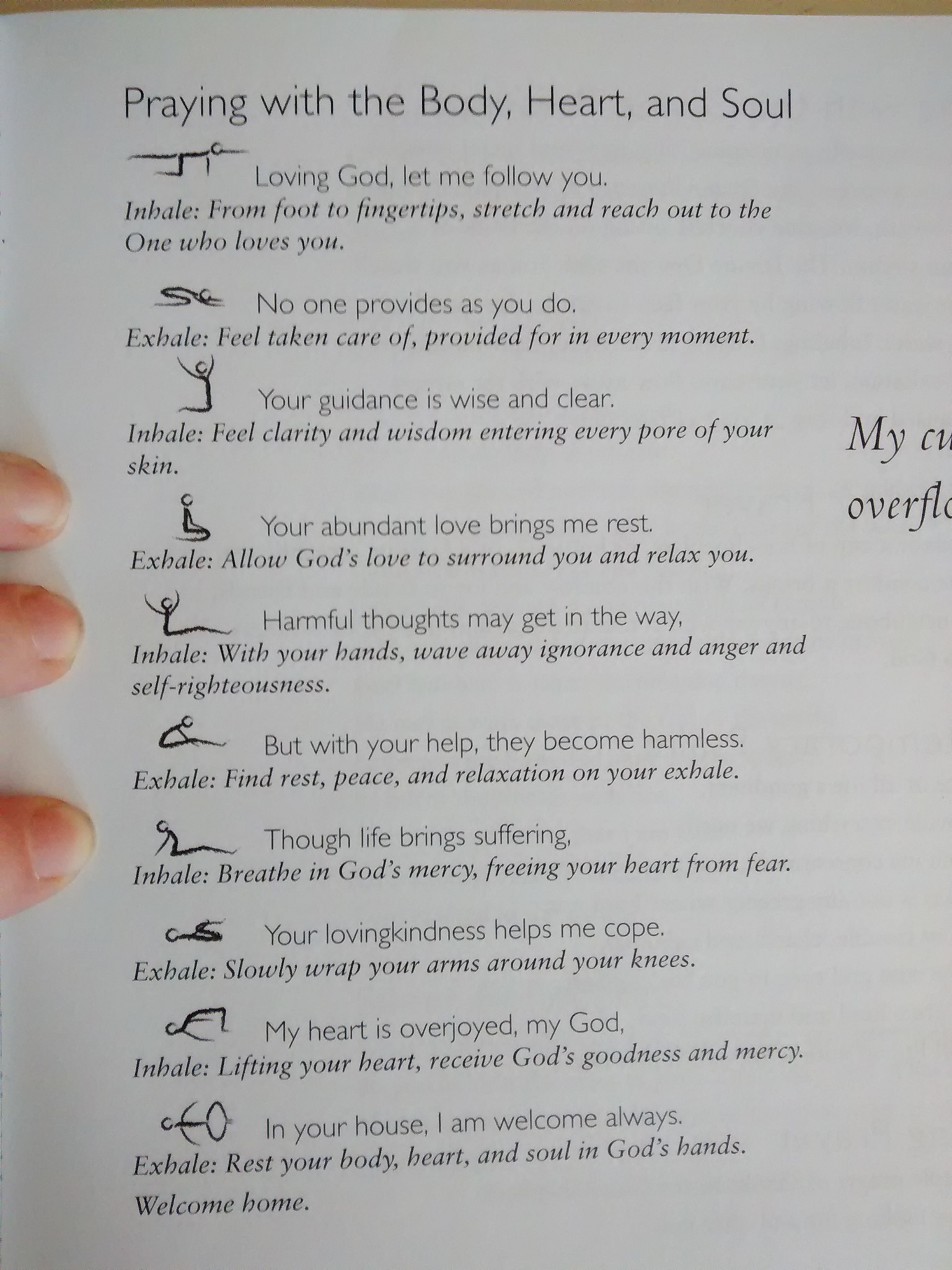
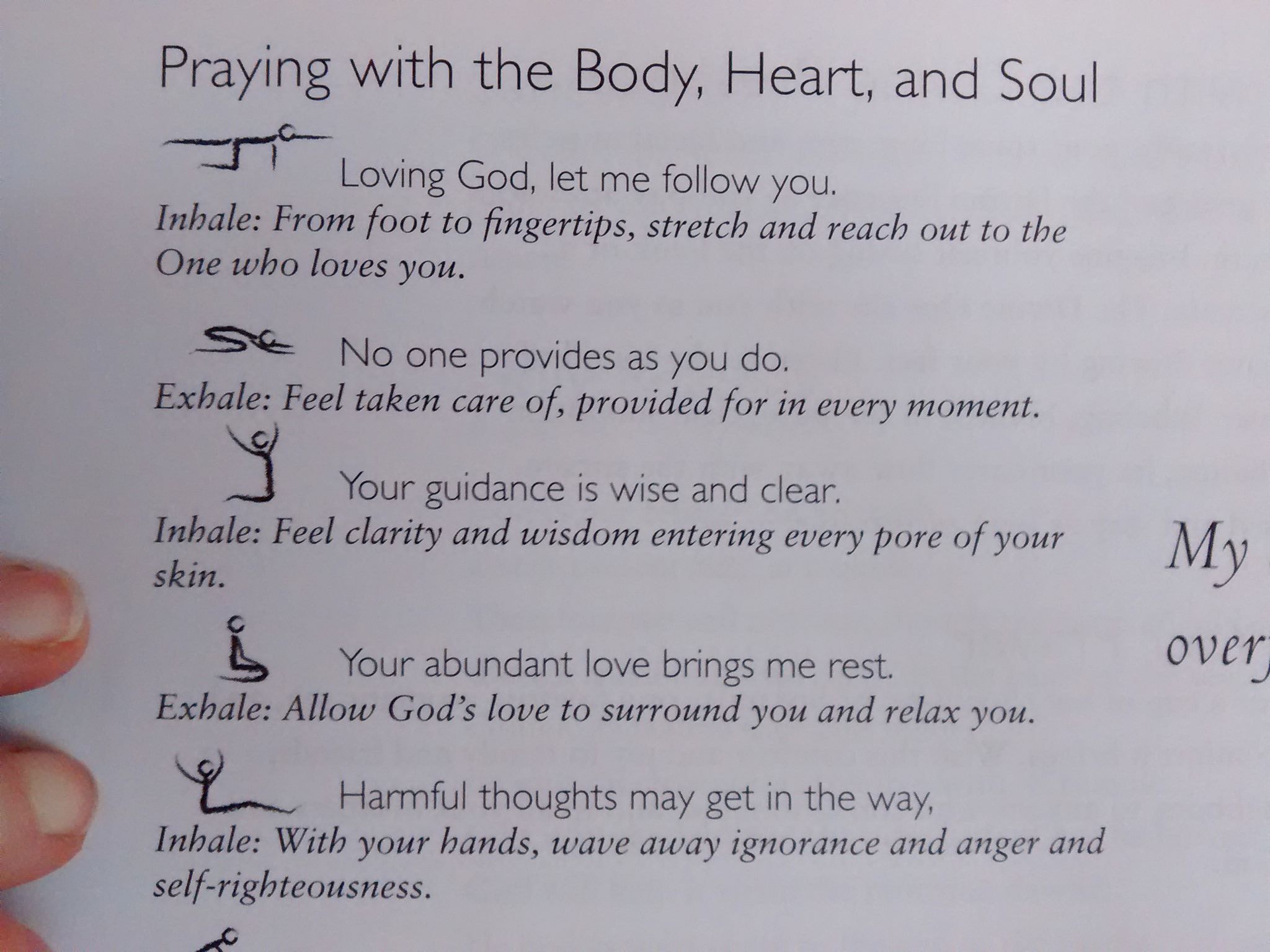
Pardon the blurred images, but I’ve posted below a simple body prayer that accompanies Psalm 23. This prayer is taken from Roy DeLeon’s book, Praying With the Body: Bringing the Psalms to Life.
The first image below shows the adapted prayer and accompanying postures. The next two are a close-up of the first and second half of the prayer.
All of these postures (as drawn) take place on the floor – you’ll want to lay out a towel or exercise mat. They can also be easily done in a seated position in an upright chair (steal one from the dinning room table). Take the time to breath several times in each pose and repeat the suggested phrases. Breathing through your nose in a focused way (such that it makes a bit of noise) helps slow you down and bring attention to your breath.
You could move through this prayer once, slowly or several times as the postures become more familiar. I think this prayer movement could also be a lovely way to unwind and move toward bed at the end of each day.
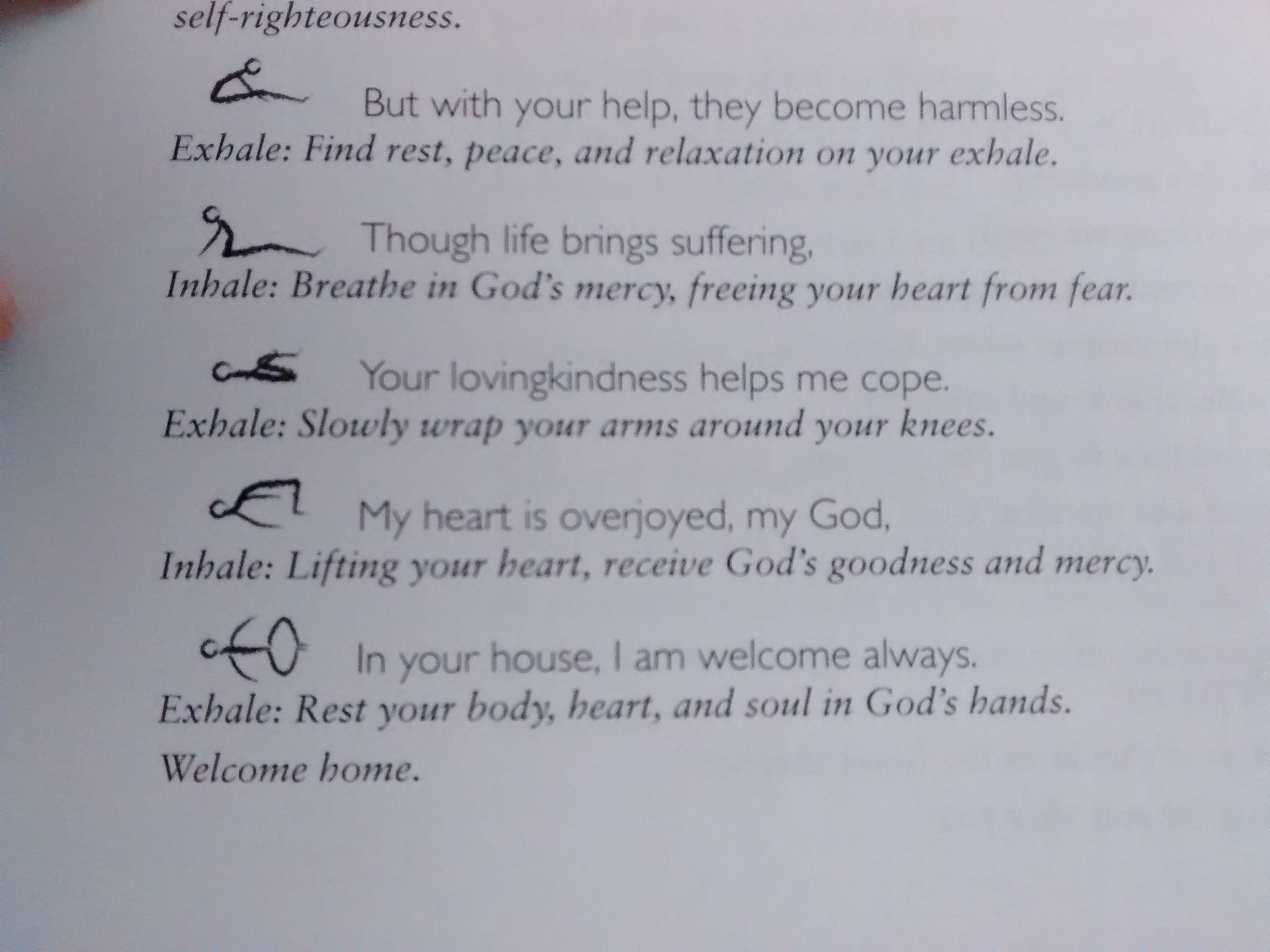
DeLeon closes the prayer practice with this adapted interpretation of Psalm 23:
O Source of all life’s goodness,
you provide everything we need.
You teach me contentment, and true happiness,
the grass is not any greener where I am not.
In times of trouble, chaos, and calamity,
let me be wise and turn to you for comfort.
For you are a kind and merciful God,
a faithful friend with whom all is possible.
I hope these resources help you find ways to be grounded today and receive the Love and Comfort that’s available at all times and in all places as we open ourselves to God.
Got questions? Hit me up in the comments below.
Finding comfort or insight in focusing on this Psalm? Please feel free to share that too in the comments. Feel free to pass this resource along to any friends you think might benefit from these simple prayer practices.
The Hidden Life and Its Questions
If I were to tell you one more thing, it would be this:
Do not believe that the one who seeks to comfort you lives without difficulty
the simple and humble words that sometimes help you. His life contains much grief
and sadness and he remains far behind you. Were it not so, he would not have
found these words. – Rainer Maria Rilke
I was thinking about these words from Rilke’s Letters to a
Young Poet in the shower this morning as I pondered this online life of mine and
the hiddenness of the life that lies behind it. Online, you see what I show you and I
try to show you what edifies, but I also try to be truthful, as much as is
possible without causing harm.
For example, I posted a picture on my personal fb page yesterday,
a picture of my cat and dog taken after eating lunch on our front porch,
surrounded by sun and sky. It was a good picture and a lucky day (mid 70s!) to
be eating lunch at home. It was the best part of my day and I shared it with
friends online.
But I didn’t share waking up at 5 am and being unable to get
back to sleep. I didn’t share how I curled up in bed at 7 pm while the boys
were out with John. My daughter came to find me, and I told her, half-joking, “Come
get me in twenty minutes, I think I might have depression, or maybe it’s just
PMS.”
//
I resigned from my job as Associate Pastor at a local church
just over a week ago. It was not a decision I was planning and was not easily
made. It’s a choice that comes at a great cost to my family and me. It’s a
choice I was privileged to make.
I am grieving. I am free. I am wandering through days suddenly
empty, unpacking the contents from my office at the church into my office at
home. I’m grateful all over again for the shelter of this place we call home,
for the animals and children to tend, for the office and work of my own.
I am grateful. I am grieving. I am wandering. I am free. All
of these statements are true.
But I’ve been careful in what I share.
//
Looking through Rilke’s letters, I find another line that rings
true for this time: “Do not draw conclusions too quickly from that which is
happening to you. Just allow it to happen.”
I’ve been thinking about the space between a thing and its
naming; how mystery and possibility dwell there. The space before naming invites
a posture of curiosity, which is open and probing, rather than judgement, which
is closed. When we name a thing – an experience or person – we lose access to
all the other names that might have been. Labeling an experience ‘good’ we deny
the bad. Naming a person ‘evil’ we sign an unspoken pact to overlook any
glimmers of goodness.
Think of the way naming the humble dandelion a “weed” blinds
our eyes from the glory of this roadside yellow friend. There’s one even now (in
March!) in my front flower bed, but I won’t celebrate its golden head with anything
near the welcome I offer to the purple crocus nodding just two feet away.
There’s a space between a thing and its naming and I’m
living there these days. It’s a space of mystery and possibility. It’s a space
of occasional fear and dread. For the most part, I’m trying to lean toward
Gerald May’s summation in The Dark Night of the Soul: “To be immersed in
mystery can be very distressing at first, but over time I have found immense
relief in it. It takes the pressure off.”
Few of us are very comfortable once the pressure’s off.
Sure, it’s good for a day, or maybe a leisurely week or two. But most of us
want to be quickly back at it, whatever it may be, if only by naming
experience, cordoning it off, somehow checking a virtual box marked “done.”
Which brings me, finally, to another piece of Rilke’s advice:
Be patient toward all that is unsolved in your heart and try to love the questions themselves, like locked rooms and like books that are now written in a very foreign tongue. Do not now seek the answers, which cannot be given you because you would not be able to live them. And the point is, to live everything. Live the questions now. Perhaps you will then gradually, without noticing it, live along some distant day into the answer.
Enough (a poem)
Some days, I would
sell my own soul for thirty
pieces of silver, just
to hear the coins,
solid and real, clinking
in my pocket.
Some days, I too
would sell my birthright
for a steaming bowl of stew,
because hunger is here
and now.
I would throw myself
from the highest cliff;
I would light myself on fire,
if it were not for the voice
that whispers, “That
is not what I ask of you.”
//
Some days, that voice
is enough.
– K. Chripczuk
* I’ve spent weeks thinking about whether and how to explain this poem, feeling it needed an explanation to soften it. For now, though, I’m letting it stand as is. I’m curious, what do you hear in it? How does it speak to you? Thanks, as always, for reading and sharing.
On Boundaries and the Necessary Magic of the Word, ‘No!’

no
is a necessary magic
no
draws a circle around you
with chalk
and says
i have given enough
– boundaries
(anonymous)
//
I was walking down to the garden the other morning, when a
line from Maurice Sendak’s, Where the Wild Things Are ran through my
mind. A friend had texted, asking if I might bring flowers in to work. I
had paused before replying – I didn’t know if we had flowers left in the garden
or not. More importantly, though, I didn’t know
if I had it in me to bring flowers or not.
I texted back, “Lemme see . . .”
After the boys got on the bus, I did a quick internal scan.
Did I have it in me to bring in flowers? Yes, I did. Plus, the act of walking
through the early morning dew, scanning stems for suitable blossoms, and
arranging them in a vase would be good for me.
//
I am someone who grows and cuts flowers to bring into the office. I am someone
who spreads poetry in the world, who writes, who tells jokes, and listens, and
gives, and gives, and gives.
Most of the time, people like this about me. “We appreciate
you,” they say. “You bring something we need.”
Most of the time, I like being liked.
Maybe you do too?
//
Liking being liked can be a problem.
Needing to be liked can be a more serious problem still.
It can lead to a giving that depletes so completely that the
giver is left with an empty shell of self.
//
“. . . we’ll eat you up – we love you so!”
This the line I recalled from Sendak’s book. It’s what the
wild things say to Max when he’s feeling lonely and longing for “someone who
loves him best of all.”
I thought of that line and recognized something in it about
the way church work can be; about the way parenting or teaching or any other
form of service that involves deep self-giving and sacrifice can be. Caring for
young children, tending a sick loved one, feeding a hungry church – all of
these have the potential to eat us up, especially if we’re looking to them to replace “someone who loves us best of all.”
//
I went back and re-read Where the Wild Things Are a
few days later. I read how it’s Max’s
realization of his loneliness and need for love that causes him to give up
his position as “king” of where the wild things are. Aware of his own needs,
Max prepares to leave. This is when the wild things cry, “Oh please don’t go –
we’ll eat you up – we love you so!”
Then, a wonderful, magical thing happens in the story: Max says,
‘No!’
Of course, the wild things don’t like this one bit. In
response, they “roared their terrible roars and gnashed their terrible teeth
and rolled their terrible eyes and showed their terrible claws.
But Max stepped into his private boat and waved good-bye . .
.”
//
I hope you know the power of the word ‘no.’
I hope you see how every ‘no’ is also a ‘yes’ and that
choosing self care is sometimes the best gift you can give to the wild things
who love you so.
I hope you don’t give in to the “terrible roars” and “gnashing
teeth” and “terrible claws;” I hope you have the wisdom to see they love you so and they’re just
afraid you won’t return.
Go ahead, step into your boat and sail away, “in and out of
weeks and through a day” and find yourself home, again, in “your own room”
where Someone who loves you best can care for you for a while.
Don’t worry. We know you’ll be back. We know you’ll bring
flowers and, probably, a poem or two. We know. Because that’s who you are.
But that’s only part of why we love you so. We love you also for your ability to say, and to help us to learn to say, that magic word, ‘no.’
On Feeling Afraid and Finding the Edge

“Come to the edge,”
life said.
“We can’t, we’re
afraid!” they replied.
“Come to the edge,”
life said.
“We can’t, we’ll fall!”
they replied.
“Come to the edge,”
life said.
So they came,
and life pushed them,
and they flew.
– Guillaume Apollinaire
***
“Do you ever realize
how often you feel afraid?”
//
This is what I asked my husband
the other day as I swept up spilled cat food in our bedroom and he
sat on the bed, watching. We’d gone upstairs to talk about knocking out a wall.
I’d gotten the urge that
morning. Stepping out of the shower, I’d thought, Let’s just knock out
that wall.
The wall in question – which divides our bedroom into a small room main room and a pointless hallway – has been slated for demolition for some time now. But it’s taken a
back seat again and again to more pressing projects, like making a standing
shower and putting in a dishwasher.
Recently, adding a shower to our make-shift downstairs bathroom has been at the top of the to-do list, but progress has been stalled by indecision and the awkward limits of several
poorly placed windows and cast-iron radiators in the room to be remodeled.
Neither of us can think of a layout that makes good use of the space and
doesn’t leave us feeling unsettled. In short, we’re afraid to move
ahead.
Which, looking back, is probably
why I jumped to the more immediate option of knocking out that dang wall.
Knocking out a wall feels so clear, so simple, so satisfying.
Of course, knocking out that
wall will force us to deal with the fact that the ceiling in one part of our
bedroom is lower than the other, as is the floor. And there’ll be radiators and
some wiring to work around. No project in a 100+ year old house is ever simple.
But when you’re feeling afraid,
I’ve found, sometimes you need to just find the nearest edge and jump.
//
“Do you ever realize how
often you feel afraid?” I asked.
“Sometimes,” I
continued, “it’s like I’m afraid almost all the time.”
//
Our conversation moved on to
other territory, but here I am, still thinking about fear and its subtle sway.
I’m not talking about
heart-pounding, fight-or-flight fear. But rather the dull constraint of corners
cut out of safety’s concern. The fear of failure, even on the smallest scale.
The fear of even naming the fear that drives us for fear that this too will be
seen as weakness unendurable. A fear so subtle it’s easy to rationalize, easy
to miss.
When I notice this fear in
myself, I try to balance it by asking, “What would love say?” Love
and fear have patently different voices, markedly different concerns.
Sometimes, this question alone, is enough to shake the dark cobwebs and return
me to the life-giving freedom bought by Christ.
Other times, forward motion
helps. Knocking down the closest wall, diving off the nearest edge, and
finding, in the falling, the momentum needed to soar.
Back to School Shopping (A Mother’s Gaze)
She stands, arms outstretched,
under fluorescent lights.
She holds up empty shorts,
t-shirts, and tanks.
Her mother-eyes focus
on what is not there,
gauging the cloth’s
ability to hold, to hug,
the ones she loves.
Her gaze is fixed just past
the things she holds, imagining
the shape of belly, thigh,
chest, and shoulders,
practicing the maternal art
of reconstruction.
We cannot see
the child she sees,
we do not know his dimensions.
All we can see is her love-struck gaze
that brings someone into being
out of nothing.
To Be A Pastor

To be a pastor
is to return, every
week, to face the hungry
crowds. To offer, in
outstretched
and shaking hands, two loaves
and five fishes, knowing full well
it will never be enough.
You are not the one
who multiplies. You
are Elijah’s widow,
scraping handfuls of meal
from a nearly empty jar,
praying as the oil slips out
in slow and shining droplets.
To be a pastor,
you must brave the humility
of not enough, bringing what
has been given – no more,
no less – and waiting, weekly,
for the miracle of God’s
blessing, breaking,
presence.
– K. Chripczuk
* I wrote this poem several weeks ago and have been pondering it ever since. In one sense, I believe it’s true – accurate – and, in another sense, it’s not. There are times when there’s more than enough. I think my main intention was to get at my belief that ministry (in particular preaching) is less about me and what I bring, and more about obedience to God, especially when that obedience means intentional restraint and the discipline of always pointing beyond my self to something/someone more. This phrase, “You are not the one who multiples,” is essential.
Reading through again, I see also how this poem might apply to parenting – the acceptance that what we have will never be enough, not completely, combine with the faithfulness of offering it anyway day-in and day-out. Perhaps the poem was written with pastoring (preaching) in mind, but it articulates a faith posture that’s more widespread.
What do you think? Pastor or not, I’d love to hear your impression.
Shedding
Coco is shedding her winter coat in great, black clumps that
glob onto the living room carpet and blow like tumbleweeds under the kitchen’s
ceiling fan. Twice a day now, we are
vacuuming our rugs, emptying the canister between runs, watching matted dog hair
and dirt drift into the kitchen trash.
In the evenings, after work, I change into old clothes and
call her out onto the front porch. We
both sit on the wooden floorboards and I pull our dollar store pet brush slowly
through her wooly black curls.
It’s satisfying and soothing all at once, the way I imagine
brushing a horse must be. When the brush
is full, I pull the clumps off, gathering a growing pile to mark my progress,
my accumulated success.
Tonight, I cornered our tomcat, Blackie in the green grass and
gave him a good brushing too. He took it
with equal parts purring and complaint.
A friend admitted awhile back, after her elderly dog died,
that she was elated to be freed from the extra mess – she would not be getting
another dog. I know, for a lot of people,
pet hair is reason enough to refrain from ownership. My own mother battled dog hair with a broom
and dust pan, like she was battling the devil itself.
It does bother me – the hair, the dirt, not to mention the
litter box’s stinking mess. But, still, I
know those few minutes each evening are some of the best of my day – some of
the purest, the simplest – stroking and gathering, shedding what no longer serves.
The Road is Wide, the Rain is Falling

The words, “deeply grieved” hardly begin to convey the depth of fear, anger, and concern I feel over the treatment of asylum seekers at our southern borders. Men, held in standing room only conditions. Children, separated from mothers, from fathers. Children younger than my own boys who beg for dessert after every meal and snuggle into my sides while reading on the couch. There is something deeply wrong with all of us who can endure these reports and still believe it has nothing to do with who we are.
Yesterday, I thought again of Naomi Shihab Nye’s poem, “Shoulders” – only this time it is a man crossing a river with his daughter in his arms, the hum of his daughter’s dream – his daughter’s future – deep inside him. Only now, that dream is dead.
This fourth of July, I’m sharing Nye’s poem along with a post I wrote in 2017. At that time, I could not name the force that kept us apart. Now, two years later, I believe that force is this: the belief that the differences that separate us are stronger than the forces that unite us.
The road is wide, friends. The rain is falling. I fear, if we don’t reach out, don’t learn to hold hands, to see beyond what divides, we will all be swept away.
//
Shoulders
A man crosses the street in rain,
stepping gently, looking two times north and south,
because his son is asleep on his shoulder.
No car must splash him.
No car drive too near to his shadow.
This man carries the world’s most sensitive cargo
but he’s not marked.
Nowhere does his jacket say FRAGILE,
HANDLE WITH CARE.
His ear fills up with breathing.
He hears the hum of a boy’s dream
deep inside him.
We’re not going to be able
to live in this world
if we’re not willing to do what he’s doing
with one another.
The road will only be wide.
The rain will never stop falling.
//
Cold rain turned his thin, white t-shirt translucent as he bent his body, like an umbrella, over the double stroller. The newborn baby cried and he cradled it against his chest with one hand while rooting in a diaper bag with the other. The girl, a big sister at three or four years old, sat quietly in the stroller – her brown eyes wide, her dark hair and pierced ears glinting in the early morning light.
//
Hundreds of strangers had lined up throughout the morning, eager to bargain hunt at the annual thrift sale benefiting United Way. A friend of mine, a veteran shopper of the sale, arrived at the door by six thirty. Among the first in line, she staked out a coveted position as the best deals went very, very quickly.
I rolled in a few minutes after seven, with a mug of coffee in hand, and took my place thirty to forty people behind my friend. I waited behind a young Hispanic man with two children in a stroller and in front of an old-timer who’d brought a plastic crate to sit on. The line stretched out, single-file, across the parking lot, growing steadily as we waited for the doors to open at eight.
Time passed slowly. The old-timer held my spot for me while I went to find a toilet. The newborn in the stroller woke and cried and was jiggled back to sleep again. Pleasantries were exchanged in that guarded but polite Central Pennsylvania way.
The old-timer behind me carried on a long conversation with a woman two people ahead of me, bemoaning his no-good sons-in-law who couldn’t keep a job, couldn’t even change a tire. The woman, in exchange, revealed she’d recently been laid off after twenty years on a job. “Ain’t nobody wants to hire you when you’re my age,” she said. “Believe me, I know.” The general consensus between them seemed to be that young people weren’t worth much these days. The Hispanic man and I, both younger by far, exchanged uncomfortable glances.
By 7:30, the sky was growing darker, not lighter, and the forecast of possible rain turned certain. I ran back to the truck and grabbed my rain coat when the first drops started and my friend, still stationed at the front of the line, brought me her extra umbrella.
Scattered drops turned steady and an icy wind picked up. About fifteen feet away, the building we were waiting to enter offered a small triangular overhang. The old-timer was the first to take cover, leaving his plastic crate to hold his place in line. The father followed soon after as the wind forced rain past the double stroller’s shabby shades and the baby woke again, crying and hungry.
He pushed the stroller the ten steps to the overhang and sidled it as close as he could against the wall. The old-timer scooted over to make room in the tiny triangle of shelter. The rest of us in line, some with rain coats and umbrellas, watched this father without a coat, trying to protect his children while also mixing a bottle of formula. We were rooted in place, rubberneckers, observing one small family’s drama unfold.
//
I can’t name the force that held us in line, keeping us from offering help or heading, en masse, to wait under a large catering tent nearby. Whatever it was – fear, longing, desire – the feeling was palpable, like a force-field keeping us all apart, causing us each to suffer the storm in isolation, single-file in the passing cold and rain. This force, I believe, though I can’t put my finger on its exact shape or name, is one of, if not the signature evil of our times. Under its sway, as Naomi Shihab Nye predicts in her poem, Shoulders, “the road will only be wide, the rain will never stop falling.”
Somehow, we must kindle the courage, the imagination, necessary to enact an alternative to our chosen isolation. What will it take for us to break out, to break through, to one another?
//
It was the way he curved his body over the stroller, the rounded defenselessness of his back as he leaned, rooting in the diaper bag; it was the way he sheltered them that caused my feet to move, that broke me out of line. My feet moved, of their own accord, and then I was there, behind him, my body blocking him from the wind, my friend’s umbrella held high at an angle over the two children and their dad.
He turned, slightly, at my approach, acknowledged me with a nod, and carried on preparing the bottle, then feeding his infant son. We stood close, awkwardly close in the small space, and didn’t speak a word. I smiled at the solemnly shy little girl with her deep brown eyes that drank in the world.
The rain passed, the sun peaked out, and we moved back into line. The old-timer caught my eye. “That was a nice thing you did,” he said, “real nice.”
//
Somehow, we must kindle the courage, the imagination, necessary to enact an alternative to our chosen isolation. What will it take for us to break out, to break through, to one another?
The Pious Groundhog
The Pious Groundhog
A groundhog
has taken up residence
in the church prayer garden.
He (we assume) is eating
the Hostas and giving our
gardener fits.
What to do?
This is not St. Francis’
wolf, no livestock
has gone missing
and not one single
human has been
devoured.
Still, there are
the Hostas to think of
and the gardener’s hours
of focused labor.
Perhaps the groundhog
might say a prayer for us
while making his daily rounds,
that we might know
the meaning of this thing
and how, charitably, to proceed.
Take Care of the Birds (a Poem)
If you take care of the birds, you take care of most of the big problems in the world. – Biologist Thomas Lovejoy
My advice to pastors
and others who care
too much is this:
hang a bird feeder
outside your office window.
Check its contents
every morning, upon
your arrival. Do this first –
before you wake the sleeping
computer or tend to voicemail’s
flashing, red light.
Fill it, as needed, before
the day’s work begins.
Look up, often,
from behind
your computer’s screen.
Offer the window-facing
chair to the worried ones
with whom you meet.
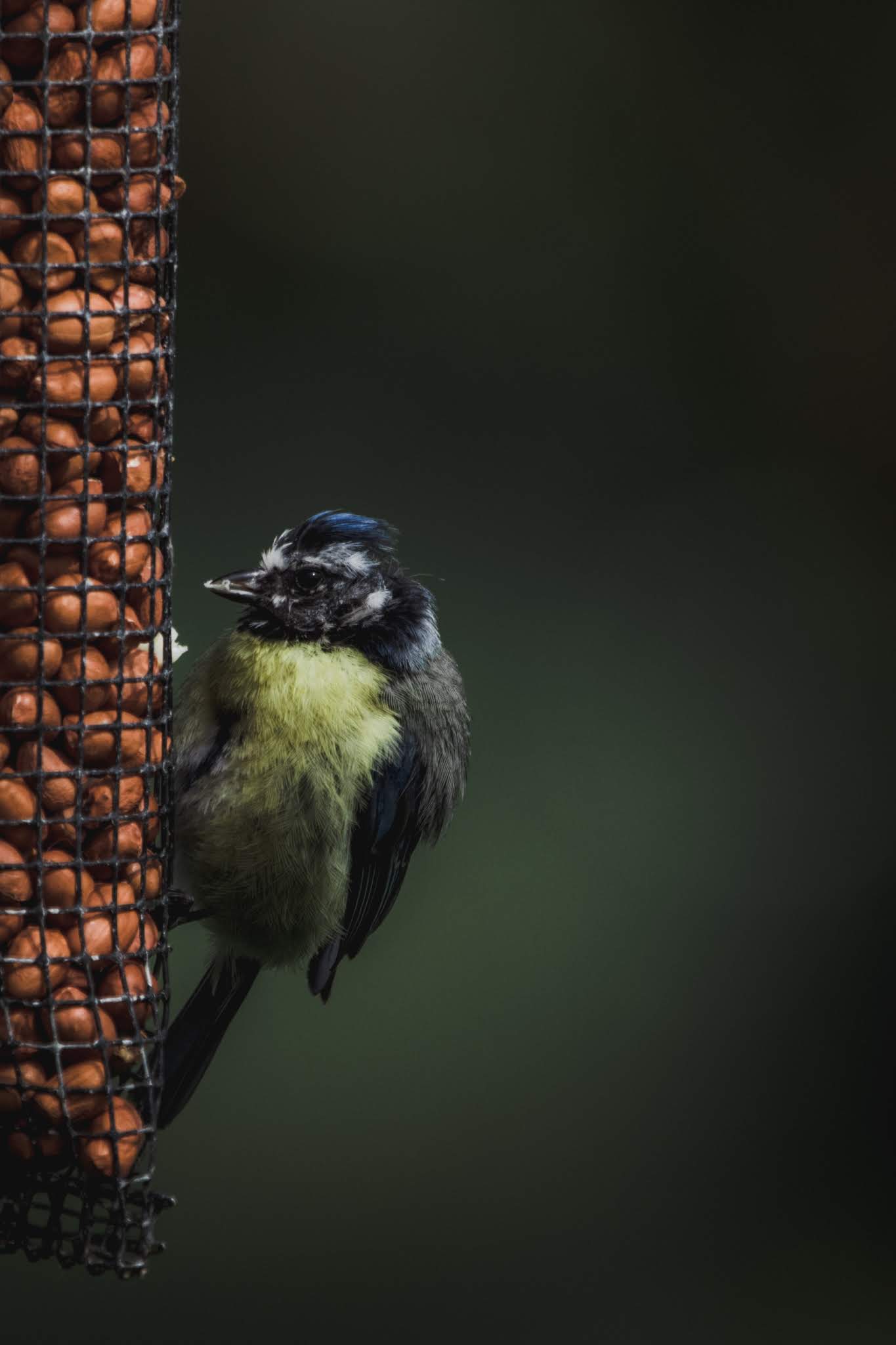
The bluebirds, finches,
and wrens will come;
the male cardinal,
astonishing, in his
red, velvet coat.
The fat squirrel will
also come.
Observe your spirit,
as you observe the birds.
Pay attention as you alternate
between admiring the squirrel’s
clever, clenching claws
and despising his endless,
gorging feast.
If what the biologist says
is true, it’s worth it, isn’t it –
this time spent to scatter
seed, to tend the feeder
of your soul?
One Craft, Many Ways: The Gift of Large Families and Writing Retreats
On a recent afternoon, my middle son flew off the bus and in through the front door, driven by an urgent demand. “Mom! Mom! I want to buy a felting kit! Can I buy a felting kit?” he cried, throwing his coat and backpack to the ground.
“A what?” I asked, while reminding him to hang up his things.
“Get the computer,” he said, “I’ll show you.”
Curious, I pulled out the laptop and sank into a chair. Isaiah and his brother, Levi, both in second grade, crowded around me, buzzing and bouncing with excitement. I googled the words, “needle felting kit” and quickly found the set his art teacher recommended. We placed an order and several days later, the kit arrived in a small cardboard box.
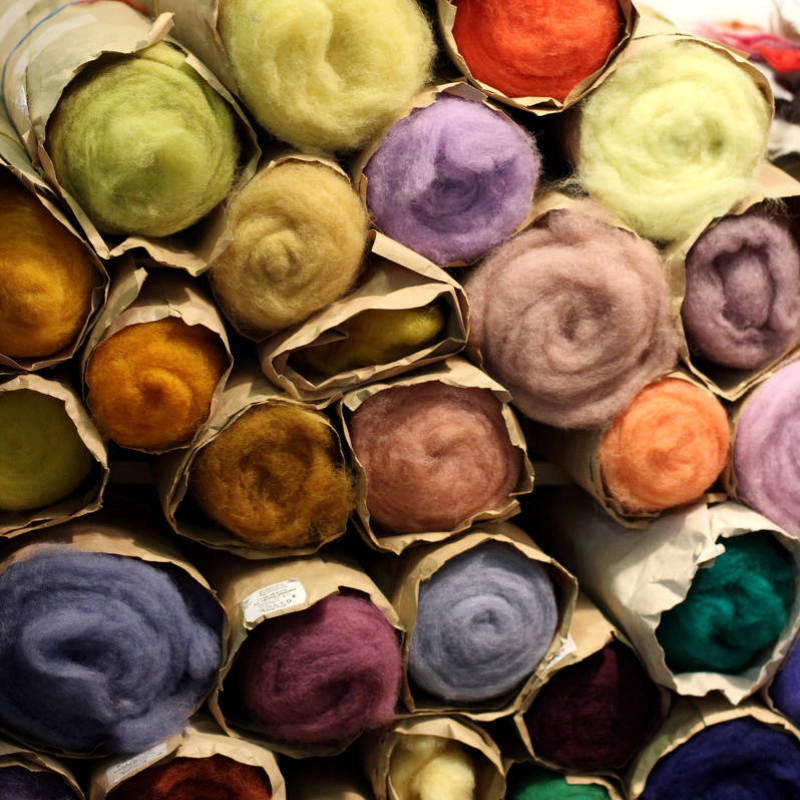
The box was packed with bags of felting wool dyed in shades from black to ruby red, as well as a foam mat, finger guards, and long, deadly-looking, metal needles. Isaiah pounced on the kit like a hungry lion tearing apart its prey. Bags of wool exploded in all directions and he dove into a project following the step-by-step instructions included with the kit.
He felted like it was his job.
He felted like his life depended on it.
In short time, he completed one, two, then three penguins, repeating the same step-by-step directions.
//
Levi also ordered a felting kit. But, being more frugal than his twin brother, he carefully sorted through options on Amazon, pouring over customer reviews, before deciding on a smaller kit that saved him ten dollars. He was most excited about the plastic toolbox included with his kit, as well as a special pair of dangerous-looking scissors.
Levi’s box arrived a few days later than Isaiah’s and, given the intensity of Isaiah’s progress, Levi felt pressured and behind. He chose a project and worked doggedly toward its completion, clearly not enjoying it as much as he thought he might. Within a day, he completed an adorable owl with big blue eyes. Then, he tucked his tools into the toolbox and placed all the wool and the toolbox into a larger cardboard crate. This, the storing and saving, pleased him more than the crafting itself.
//
Finally, my third and oldest son asked if he could try felting. Isaiah gave him a small amount of white wool and he set about felting haphazardly, without the intensity and stress his brothers displayed. He made a small, white ball, then added a green dot, which became an eye. Then, he added a yellow beak, followed by a short, white tail. He laughed at every new idea, every new addition. He was playing, improvising, like a jazz musician.
Watching him, I commented to my husband, “His work is so outside-of-the-box.”
My husband said, “I don’t think he even knows there is a “box.””
//
I watched my boys working at the living room coffee table over a series of several days. I tended their needle-jab wounds and held wayward pieces of wool in place while fearing for my own fingers’ safety. I encouraged them when the going was rough and exclaimed over their finished projects.
They were all creating, but each did it in their own way.
This can be one of the gifts of being part of a large family, being part of a group large-enough to allow space for a variety of ways of being. This can be one of the gifts, too, of attending a writing retreat.
//
The Friday night Open Mic event is one of my favorite parts of the God’s Whisper Writing Retreat. One-by-one writers of every genre share glimpses of where their words have taken them. As each writer shares, the variety of voices and styles present works its magic on the group as a whole. I can almost feel the artists in the room heave a collective sigh as it becomes clear, There’s room for my voice too, for my way of being and creating in the world. There’s room for me AND you.
Part of the beauty of God’s Whisper Writing Retreat is that it echoes this “large family experience.” Exposure to others, coupled with the space to explore and hone your own abilities, leaves attendees with a clarity about their unique gifts and this clarity produces confidence and enthusiasm. God’s Whisper Retreat celebrates one craft, honed and practiced in many ways. Everyone receives the same life-giving message: There’s room for your voice too, for your way of being and creating in the world. There’s room for me AND you.
* * *
Whether you’re a beginner or a seasoned author, there’s room for you at God’s Whisper Writing Retreat – sign up NOW to register at the Early Bird Price which ends April 1st.
Prayer Loom (a Prayer What??)
Destiny itself is like a wonderful wide tapestry in which every thread is guided by an unspeakably tender hand, placed beside another thread, and held and carried by a hundred others.
– Rainer Maria Rilke
For the past few years, we’ve tried to adopt a family prayer practice during the season of Lent. By which I mean to say, we’ve engaged in an entirely hit-or-miss time of devotions with our older two kids after the younger ones are in bed. It’s been good – good to try, good to fail, good to lean into the long waiting season leading to Easter’s joy.
For two years, we used Praying in Color resources, coloring a simple shape to mark each day of Lent (or, let’s be honest, as many days as we remembered).
This year, we’re trying something new: a Prayer Loom.
//
Several years ago, my Spiritual Director erected a small wooden frame in her meeting space. At the end of our session, she invited me to weave a strip of fabric onto the frame as a symbol of my prayer for the season of Lent. I chose a long, thin strip of cloth from a basket of assorted materials and wound it, somewhat awkwardly, on the frame.
That was it.
That was, as I said, several years ago, and I haven’t seen or returned to the concept since. But, this winter, the image and memory of that simple prayer practice loomed large and welcoming in the recesses of my mind.
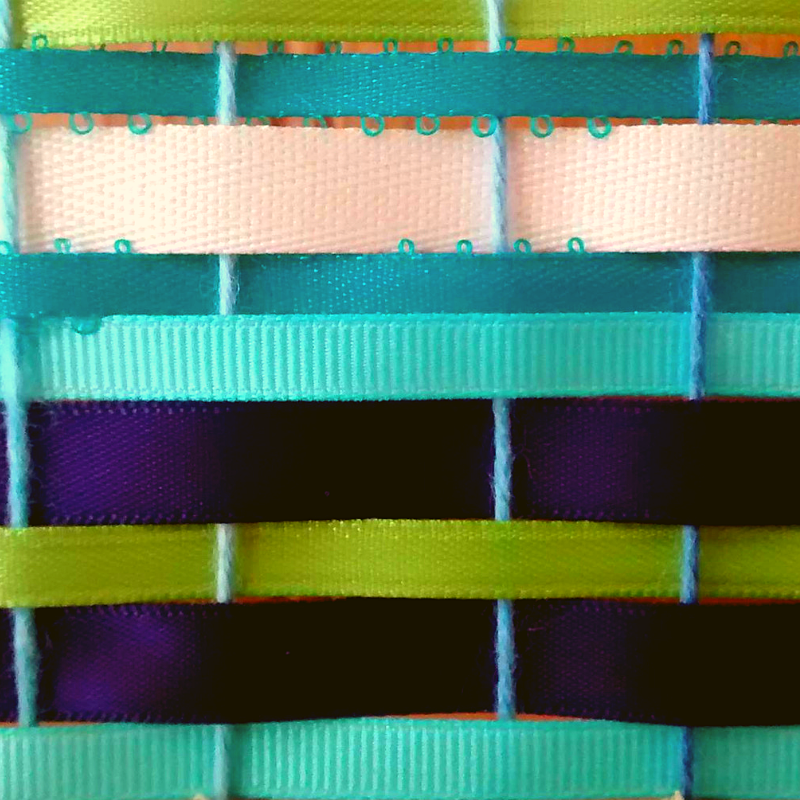
If I had to put words to the practice, I’d say this: a prayer loom gives us an opportunity to pray with our hands and creates a visual representation of our conversations with God. Weaving together prayers with others (in community) reminds us how our lives and longings are knit together in God.
//
Last week, I asked my husband to build two small looms – one for church and one for home. Using old roller-blind-dowels and scraps of plywood, he constructed two simple frames, which I strung with yarn from our craft cabinet. Then, short on fabric, I bought several spools of ribbon (on sale!) in various colors and cut it into pieces for weaving. There’s something so good about the feel and sight of those ribbons, especially here in the long, slow slog of winter’s end.
Isaiah, age 7, helped with the ribbon cutting. His involvement was, frankly, annoying. The scissors were dull and he bobbed and wove on the kitchen stool where he was sitting, bumping into me and nearly nipping me with the blades several times. But, his involvement piqued his interest and he was the first to use the loom, weaving one, then another prayer through the threads. Throughout the evening and into the following morning, he kept returning to me to ask, “Mom, can I weave another prayer?”
//
I made a prayer loom. Not because I’m super holy or a tremendously amazing mother, but because I need it. I need the color, I need the texture, I need the visible reminder that our longings toward God are more than ephemeral. I’m sharing it here, not to make you feel impressed or jealous or shamefully inadequate. In fact, if this post makes you feel any of those things, move right along. Life’s too short or that.
I’m sharing it, because it’s one of the things giving me life this season. I’m sharing because I need it. Maybe you do too?
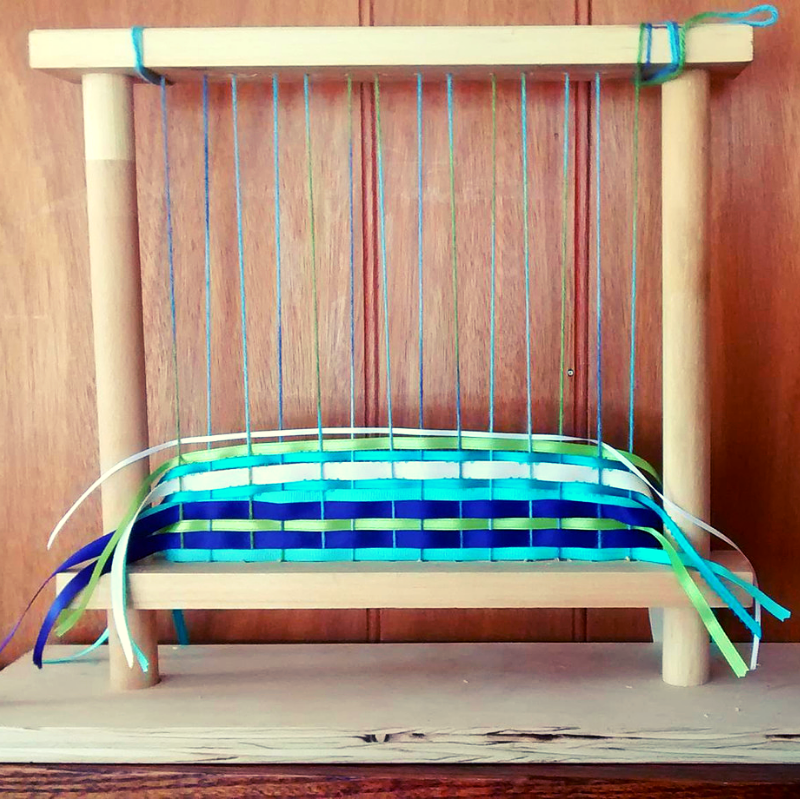
* Local to central PA? Stop by the Grantham Church prayer room to see and use a prayer loom during this Lenten season. (Try saying that, five times fast, “Prayer Room, Prayer Loom.”)
* If you want to make your own loom and don’t have a fabulously-amazing woodworking friend, try googling images of prayer looms. They don’t need to be free-standing and could be easily made using branches of various sizes, dowels, or even paper. Whatever you do, keep it simple, keep it messy, don’t spend a lot of money on supplies, and leave lots of room for grace.
Desire and Persistence
My cat teaches me
about desire, about persistence.
//
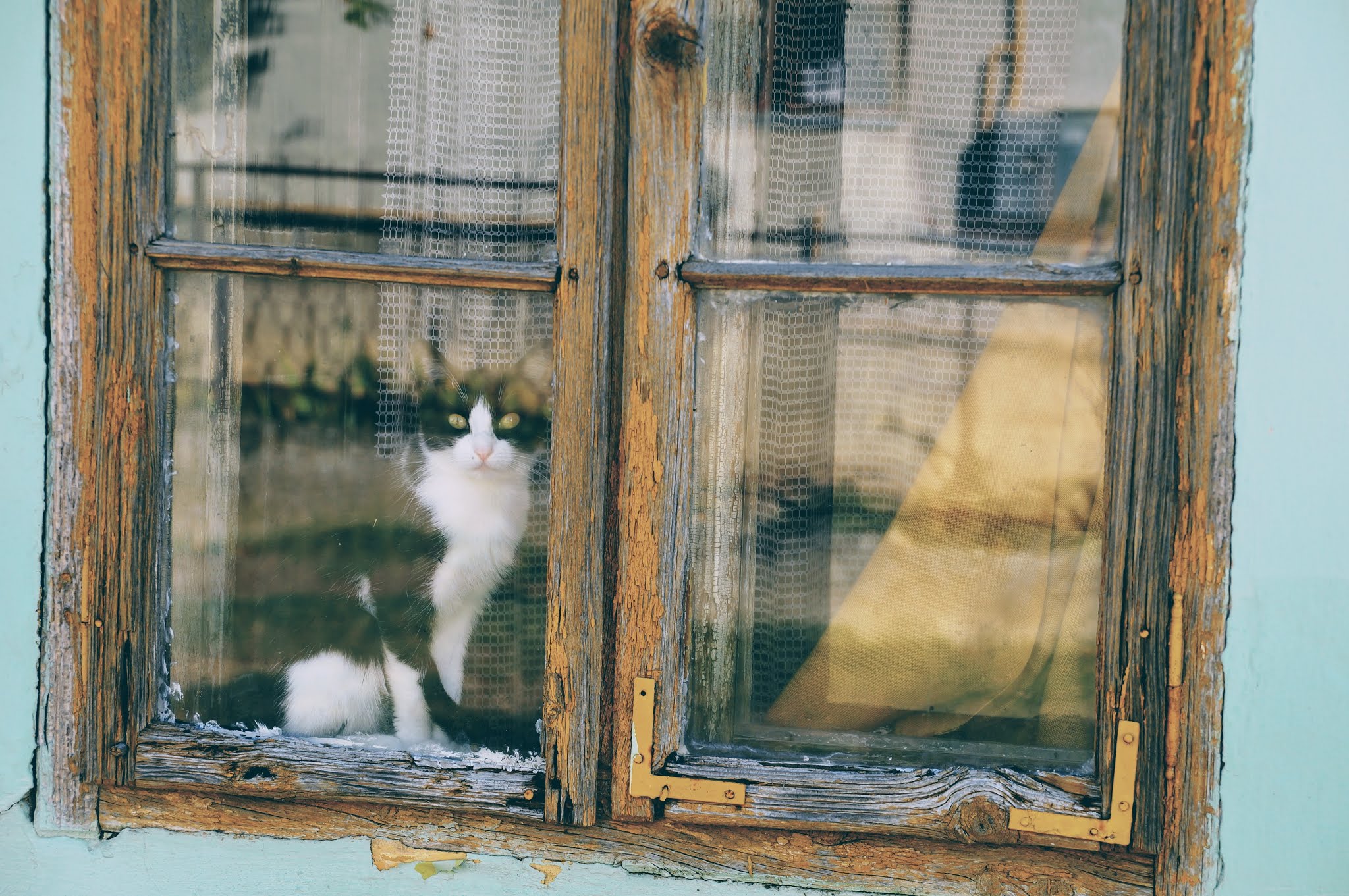
Seated for a time of prayer, I hear
him at the screen door, crying.
I open the door, open my heart.
Seated again, he climbs, purring,
into the warm curve of my lap.
His black fur is wet, his large
white feet streaked with mud
and bits of grass.
I settle him and prepare
to pray, but he’s unsatisfied.
He buries his head, his damp nose,
under my resting hand. “More,
more,” he purrs, willing
my hands into motion
when they pause.
He is the persistent widow,
the hungry child
asking for bread.
I watch him settle once need is met.
He sleeps against my chest, content.
His body rises and falls with my breath.
This is how, my heart whispers,
you might come to God.
//
My cat teaches me
about desire, about persistence.
What Is It? (Look, Gather, and Be Filled)

A sermon for Messiah Village’s annual Thanksgiving Service, based on I Thessalonians 5:18 and Exodus 16:9-21, 31.
In this passage, God responds to the Israelite’s complaints by telling them to “draw near.” Then, God provides for their needs, because that’s who God is. But the way in which God provides is so strange, so unexpected, so utterly confounding, that when the hungry, whiny Israelites wake up, step out of their tents, and look around, they turn to each other in utter confusion.
Seeing nothing more than fine, white flakes spread across the ground, they ask each other, “What is it??”
Their befuddlement is so complete, they take to calling the strange food ‘manna,’ which is the Hebrew way of asking “What is it?”
Any parent can tell you that a meal that starts with the question, “What is it?” isn’t likely to go over well. Most of us like to know what’s been put on our plate. We don’t want to be surprised. We don’t want to consume a meal we may not recognize or, worse yet, may not even like.
But this story doesn’t focus on the Israelites’ confusion or preferences, it focuses on God’s provision. God provides and all the Israelites have to do is wake up each morning, step outside and ask, “what is it.” They are to look for what God has given. Then, they are to gather and consume as much as they need. Three times that phrase is repeated in this passage, “as much as they needed, as much as they needed, as much as they needed.”
God’s glory appeared in the wilderness, God heard the complaints of his people, and God provided for their need. As advent approaches, I’m struck by the parallels between this passage and the stories of Christ’s coming. The stories of John the Baptizer appearing in the wilderness, and Jesus, the bread from heaven, sent from God to meet our deep need. Jesus, like the manna in the wilderness also seemed like a strange and unexpected gift. The question with Jesus was not “what is it” but, “who is he?”
Exodus reveals a God who appears and provides, daily.
In response, the Israelites are call to be people who look and gather, daily.
I chose this passage because I think it can give us some insight into Paul’s challenging command to “give thanks in all circumstances.” I don’t know about you, but there are times when I find gratitude and thanksgiving come easily.
I’m thankful when the house is warm.
I’m thankful when my kids are happy (and quiet).
I’m thankful when medical tests come back with good results, when money is plentiful. In short, I’m thankful when things are going the way I want them to – the way I think they should. I’m thankful when I can easily identify “what it is” that God is doing in my life and in the lives of those I love.
But some mornings, I wake up and step outside and struggle to know what God is doing. Like the Israelites, I find myself asking, “what is it” God is doing? “What is it” that I even have to be thankful for?
Maybe you have those mornings too. Sometimes those mornings stretch into days and weeks and months; whole seasons of asking God, “What is it you are doing? Where in this wilderness are you?”
I love this story in Exodus for the way it answers these questions.
Where is God? God is with us, appearing right here in the middle of whatever wilderness we find ourselves in.
What is God doing? God is providing, as much as is needed, every day.
In response we, like the Israelites, are invited to be people who look and gather what is given in every day and every season. We place our trust in God who appears and gives as much as we need. We accept and give our consent to the words of Moses, “This is the bread the Lord has given you to eat.” We look and gather and are filled, because of who God is.
God is meeting our needs, but God may not be meeting our wants. And the difference between the two – wants and needs – can be the center of a lot of pain and suffering. The way we navigate the difference between having what we need and what we want can be the difference between a life of peace and contentment and a life of anger, frustration, bitterness, and resentment.
Let me give you an example from my own life. Eight years ago I was working part time as an Associate Pastor, feeling fulfilled in a job I enjoyed deeply, when I found out I was unexpectedly pregnant with twins. Now, if having two healthy, unexpected babies is the worst thing that ever happens to me, I have very little complain about. But, at the time, I found the news and the changes it would bring very unsettling.
I would need to quit my job, I would need to surrender to living a life that was markedly different from the one I planned. Friends and family were quick to tell me that this pregnancy was a blessing from the Lord and, with time, I told a friend, “I know this is a blessing, but it’s not the one I would have chosen.”
Over time, as I grew to love my boys and my new life, I realized how large the ‘I’ in that sentence loomed. Who’s to say I would have chosen best? Isn’t it possible that the answer to the question “what is it” might be, “something bigger and better than you could ever imagine”?
I like that the bible tells us manna tasted like wafers made with honey. Honey was a rare treat, a symbol of luxury in biblical times. Imagine if the Israelites had never gotten beyond the question, “what is it.” What if they’d never placed those small, seed-like flakes on their tongues, had never allowed themselves to taste the goodness because they first needed to know what it was?
Have you ever tried to get a child to try something on the tip of a spoon without first telling them what it is? I do this with my own children sometimes, wanting to share a special treat, and they put up no end of loud protest. But, I insist, luring them with sweetness. “Trust me,” I say, “it’s good.” Do you know the kind of trust it takes for a young child to open their mouth and receive in that way?
I think this is something of what Paul is asking of the early church. He’s reminding them to be people who trust in a God who provides; people who believe that the answer always, ultimately, to the question, “what is it,” is “it is good, because God is good.”
I want to encourage you if you’re in a season of life in which you don’t know what God is doing. Or, if you can’t understand why God is allowing things to happen as they are in your life. There are few more difficult circumstances to find yourself in. You’re pain is real and we pray that this season will pass quickly.
If you find yourself in a season in which thanksgiving is difficult, I want to encourage you to keep looking and gathering what God is giving and to invite others to join you in the wilderness you face. The Israelites went out together in the morning and turned to each other to understand God’s strange provision. No one stood alone outside their tent that day.
Also, like the Israelites, may you remember that the sweetness you taste this day, like those wafers that tasted like honey, is only a small foretaste of the meal that awaits us when we reach God’s promised land – that place flowing with milk and honey, where tears and sorrow shall be no more.
Let us praise the God who appears, even in the wilderness. Let us be people who go out together, looking for what God is doing, gathering what God has given. Let us be people who can say, “We have tasted and seen that the Lord is good.”
Books
Between Heaven and Earth (poems)
Prayer can easily become an afterthought, a hasty sentence, a laundry list of all the things we want. But what if prayer is a time to find out what God wants for us–and for our world? What does it mean to pray that the kingdom would come here and now as it is in heaven? Explore these questions in this study, and learn prayer practices that nurture intimacy with God and sensitivity to God’s dream for the world.
Follow this writer, spiritual director, and mother of four as she dives into the deep end of chicken farming and wrestles with the risks and rewards of living a life she loves. At turns hilarious, thoughtful, and always compassionate, Chicken Scratch will change the way you see the mess and chaos involved in living life to its fullest.
